VR headset comfort remains a significant challenge for millions of users. Standard headwear often creates pressure points, slips, or interferes with the headset's fit, breaking immersion and causing discomfort during extended use.
The solution lies in specialized cap designs that integrate seamlessly with VR hardware. These designs prioritize even weight distribution, secure positioning, and material compatibility to enhance the overall VR experience without compromising the headset's functionality or the user's comfort.
This guide explores the key design principles for creating caps that work harmoniously with VR headsets, from material selection to structural engineering—all principles we apply at Shanghaifumaoclothing to craft industry-leading technical headwear.
What structural features optimize VR cap comfort?
Structural design forms the foundation of VR-compatible headwear. The wrong structure can create pressure points, interfere with headset straps, or cause overheating during extended use.
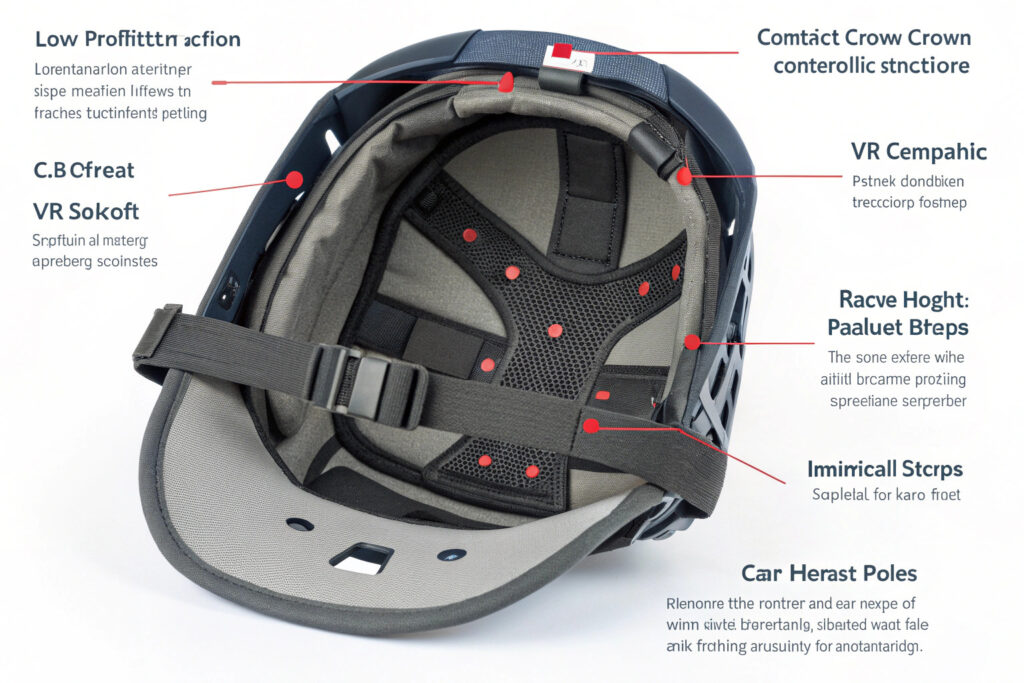
Optimal VR caps feature low-profile crowns, strategic padding placement, and minimal bulk around the forehead and back of the head. The structure must distribute the headset's weight evenly while maintaining a secure fit that doesn't shift during movement. Key considerations include reducing crown height to prevent headset lifting, creating channels for strap systems, and ensuring the cap doesn't compromise the headset's built-in speakers or sensors.
How should crown construction differ for VR compatibility?
Traditional cap crowns create too much volume, pushing VR headsets forward and compromising fit. VR-optimized crowns use shallow profile construction with reduced depth between the inner headband and outer crown. Minimalist seam structures prevent pressure points where the headset rests, while strategic ventilation manages heat buildup. The ideal crown maintains the cap's aesthetic while creating a flatter surface for the headset to sit securely without tilting or requiring excessive strap tension.
What backing materials prevent pressure from headset straps?
The back of the cap interacts directly with the headset's stabilization strap, making material choice critical. Memory foam inserts at the rear provide cushioning that conforms to the strap without compressing completely. Moisture-wicking fabrics like cooling mesh panels manage sweat during extended sessions. Smooth, low-friction materials prevent the headset strap from catching or twisting, while breathable padding maintains comfort without adding significant bulk that would affect the headset's fit.
Which materials enhance VR experience and comfort?
Material selection directly impacts both comfort and technical performance when designing caps for VR use. The wrong materials can cause overheating, interference, or discomfort during extended wear.
Advanced technical fabrics that manage moisture, regulate temperature, and minimize interference with VR sensors are essential. Materials must be lightweight, breathable, and anti-static while maintaining their shape under the headset's weight. Smart material combinations can address multiple comfort challenges simultaneously, from heat buildup to pressure distribution.At Shanghaifumaoclothing , we source only certified technical fabrics that meet the strictest standards for VR compatibility—explore our premium VR cap material collection to learn more.
What fabric properties prevent VR lens fogging?
Lens fogging occurs when heat and moisture accumulate between the face and headset. Caps made from high-wicking materials like advanced polyester blends pull moisture away from the forehead area. Thermoregulating fabrics with phase-change properties help maintain consistent temperature around the headset interface. Anti-microbial treatments prevent odor buildup during intense sessions, while quick-dry properties manage perspiration effectively, reducing the humidity that leads to fogging.
How do material weights affect headset sensor accuracy?
Heavy or dense materials can interfere with VR headset functionality. Lightweight fabrics under 200 GSM prevent blocking infrared sensors used for tracking. Non-reflective surfaces avoid confusing inside-out tracking systems, while static-dissipative materials prevent electrical interference. The best VR cap materials balance minimal weight with sufficient structure to maintain shape, using advanced technical textiles that provide comfort without compromising the headset's technological performance.
How to design for different VR headset models?
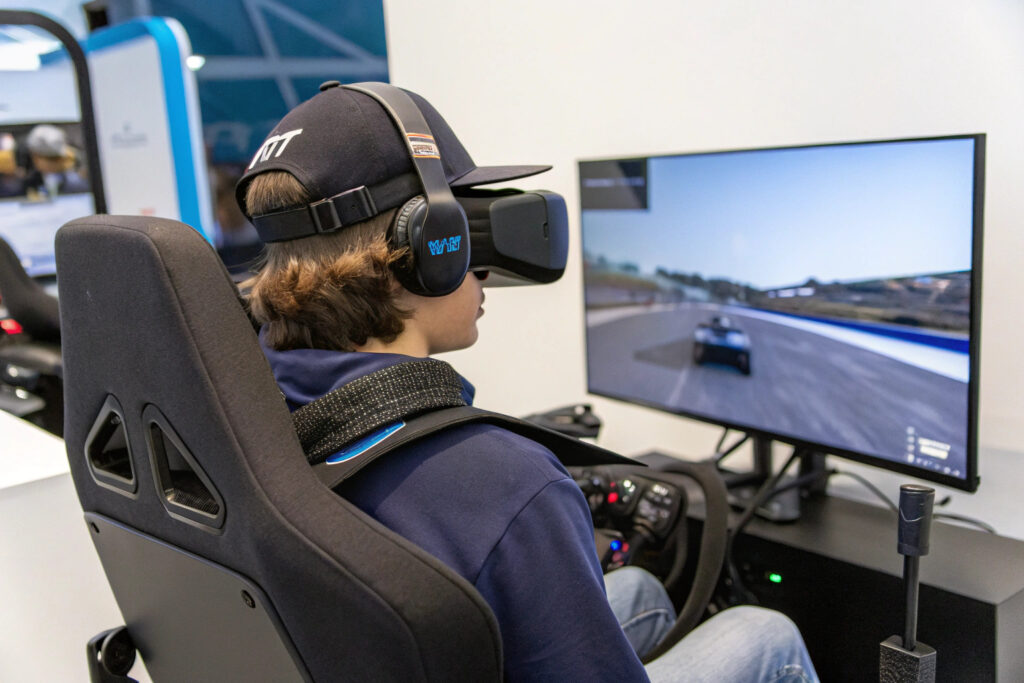
VR headsets vary significantly in design, weight distribution, and strap systems, requiring tailored cap solutions for optimal compatibility across different devices.
Understanding the specific pressure points, strap configurations, and weight distribution of popular headsets informs design decisions that work across multiple platforms. The most successful VR caps accommodate the most common headset designs while maintaining their own structural integrity and comfort features.
What design adjustments suit various strap systems?
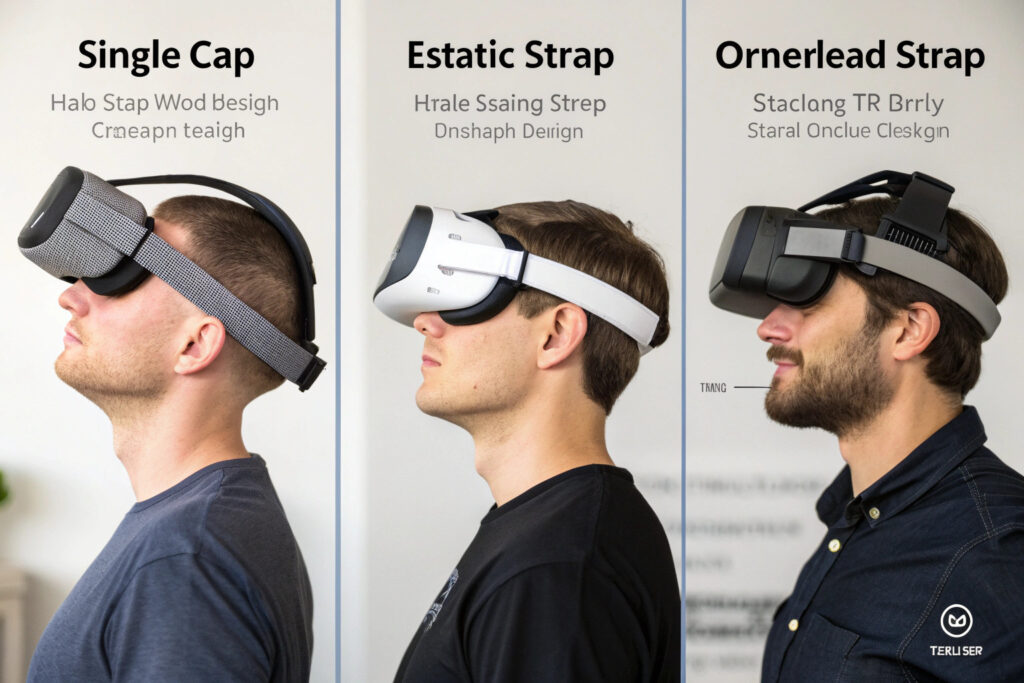
Different VR systems use distinct strap approaches that require specific cap adaptations. Halo-style straps (like PSVR) need smooth, rigid areas at the crown and forehead. Elastic strap systems (like Oculus Quest) benefit from non-slip grip strips at the rear. Over-the-top straps require completely seamless crown construction. The most versatile designs incorporate modular attachment points that can accommodate different strap configurations while maintaining consistent comfort and stability across various headset types.
How can one design accommodate multiple headset weights?
Headsets range from under 400g to over 800g, requiring different support strategies. Graduated padding systems provide more cushioning in key pressure areas for heavier headsets. Reinforced sweatband areas help distribute weight more effectively, while adjustable internal systems allow users to customize the fit based on their specific headset. The most adaptable designs use zonal construction with varying densities of foam and support where different headsets create the most pressure, ensuring comfort across the weight spectrum.
What testing protocols ensure VR cap comfort and functionality?
Rigorous testing is essential to validate VR cap designs for both comfort and technical compatibility. Without proper testing, even well-designed caps may fail in real-world usage. To address VR headset comfort issues, explore the core challenges and solutions of VR-compatible caps.
Comprehensive testing should evaluate extended wear comfort, thermal management, material durability, and technical compatibility with VR systems. Both laboratory measurements and real-user testing provide the data needed to refine designs and ensure they perform as intended across diverse use cases.
How to measure pressure distribution with VR headsets?
Specialized testing using pressure mapping systems quantifies how force is distributed across the head. Thermal imaging identifies heat buildup areas during extended use, while moisture mapping shows sweat patterns that need management. Stability testing measures how much the cap shifts during typical VR movements, and long-duration wear tests (2+ hours) identify comfort issues that don't appear in shorter sessions. This data-driven approach ensures designs actually solve the comfort problems they target.
What user testing scenarios reveal design flaws?
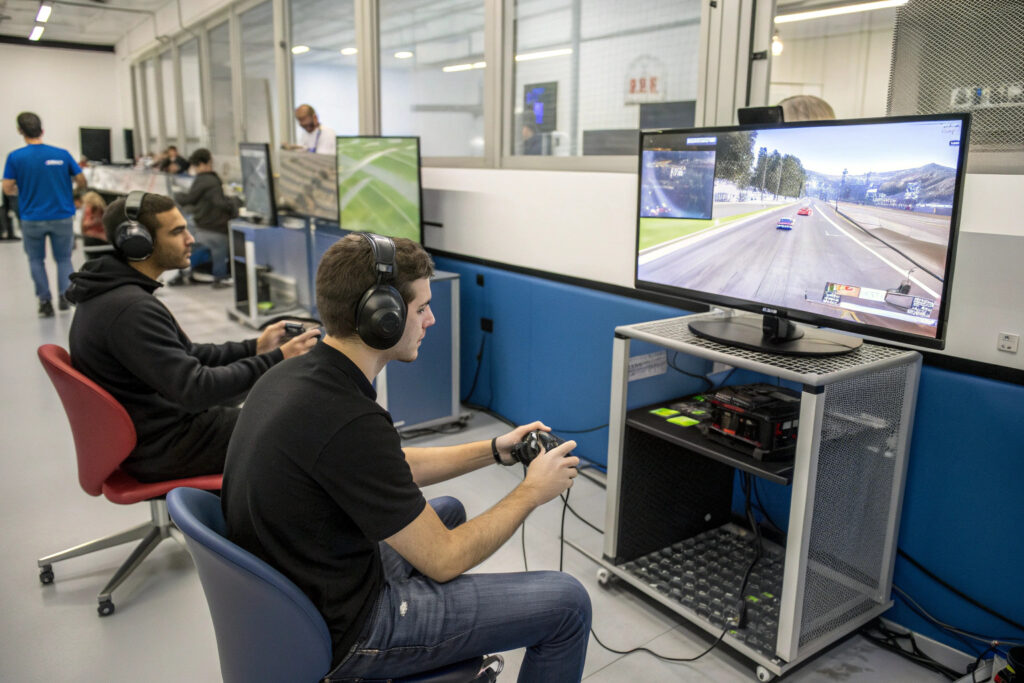
Real-world testing scenarios uncover issues laboratory tests might miss. Active gaming sessions test stability during rapid movement, while extended media viewing identifies pressure points during stationary use. Multiple user head shapes ensure the design works across different anatomies, and different room temperatures validate thermal performance. The most effective testing protocols include competitive gamers, casual users, and professionals using VR for work to ensure the design meets diverse needs and usage patterns.Refer to core design points summarized when developing VR-compatible caps.
Conclusion
Designing caps for VR headset comfort requires addressing unique challenges around structure, materials, and compatibility with various headset designs. By focusing on low-profile construction, advanced technical fabrics, and rigorous testing, manufacturers can create headwear that enhances rather than compromises the VR experience. The successful VR cap distributes weight evenly, manages heat and moisture effectively, and remains secure during active use while accommodating the specific requirements of different headset models.
If you're looking to develop VR-compatible caps, our expertise at Shanghaifumaoclothing in technical headwear manufacturing can help bring your designs to life. We specialize in creating specialized headwear solutions with advanced materials and precision engineering. For a consultation on developing your VR comfort cap line, contact our Business Director Elaine at elaine@fumaoclothing.com. We have the capabilities to transform your VR cap concepts into production-ready products.