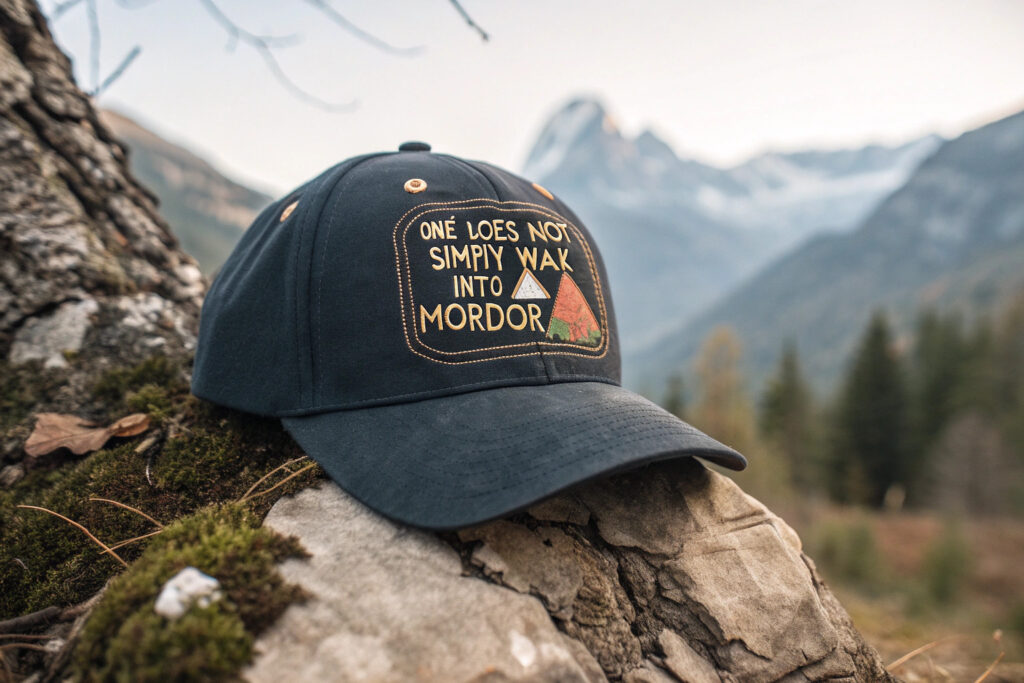
As someone who has spent over 20 years in the hat manufacturing business, I've seen countless trends, but few have the staying power of a truly epic story. I talk to buyers like Ron from the U.S. all the time, and while they're always looking for the next big thing, they also know the immense value of a passionate, built-in fanbase. This brings us to a universe like The Lord of the Rings. You're an Amazon Merch on Demand seller, you see the massive search volume, but you're intimidated. How do you create a cap design that stands out in a sea of generic Ring inscriptions and satisfies some of the most dedicated fans in the world?
To design successful Lord of the Rings merch caps for Amazon, you must go beyond obvious logos and embrace deep-lore subtleties, focusing on faction-specific aesthetics, iconic quotes, and unique, high-quality embroidery that tells a story true fans will instantly recognize and appreciate. It's not about just slapping a picture on a hat; it's about creating a piece of wearable art that feels like it belongs in Middle-earth.
The fear is real: you spend time and money on a design, only for it to be ignored because it's too generic, or worse, criticized by die-hard fans for being inaccurate. But what if you could create a design that feels like a secret handshake among fans? A cap that someone across the room would see and nod, knowing you're both part of the same fellowship. That's the magic we're going to unlock. At Shanghai Fumao Clothing, we help brands translate passion into tangible, high-quality products, and this is a perfect example.
How to Choose a Winning Design Concept?
You're staring at a blank canvas, and the sheer vastness of Middle-earth is overwhelming. Should you do something with the One Ring? The Eye of Sauron? A map? The problem is, these ideas have been done to death. You're worried that if you choose one of these, your design will be just another drop in the ocean, invisible to potential buyers scrolling through hundreds of similar listings on Amazon.
A winning concept comes from niching down and focusing on "deep lore" that resonates with a specific segment of the fanbase, rather than trying to appeal to everyone with a generic symbol. Think factions, locations, and subtle references. This strategy creates a sense of exclusivity and authenticity that hardcore fans crave.
I had a client, a small online brand, who wanted to do a fantasy line. Their first idea was a dragon. I asked them, "What kind of dragon?" A greedy, treasure-hoarding dragon? A wise, ancient dragon? We decided to focus on the aesthetic of the dragon's lair—dark, smoky colors, and a single, sharp, embroidered gold coin. It sold out. The same principle applies here. Don't just design a "Lord of the Rings cap." Design a "Rohan Outrider cap" or a "Lothlórien Guard cap." That specificity is where you'll find your audience.

Should you focus on heroes or villains?
It's tempting to put a hero like Aragorn or Gandalf on a hat, but character likenesses are complex, both legally and artistically. A poorly drawn face can ruin a design. You're worried about creating something that looks cheap or, even worse, violates Amazon's content policies on celebrity likeness, even for fictional characters.
Instead of the character, focus on their iconography. For heroes, think of the White Tree of Gondor for Aragorn, or the "G" rune for Gandalf. These are elegant, simple, and instantly recognizable to fans. For villains, iconography is even more powerful. The Red Eye of Sauron is classic, but what about the White Hand of Saruman on a dark Beanie? Or the jagged peaks of Mordor embroidered on the front of a black Snapback? This approach is safer, more stylish, and often more commercially successful. It allows the wearer to represent their favorite character's allegiance without wearing their face.
How can you use locations and factions?
Middle-earth is defined by its diverse cultures and stunning landscapes. This is a goldmine for design inspiration that most sellers ignore. You might think a location is too abstract for a hat, but it's all about translating its essence into a design.
Focus on the visual identity of each faction.
- Rohan: Think earthy tones—greens and browns. Use imagery of horses, spears, and the sun emblem. A distressed, washed-out Baseball Cap would be perfect here.
- Gondor: Use stark, regal colors—black, white, and silver. The White Tree is the obvious choice, but you could also use the seven stars or the winged crown from the royal standard. The design should feel clean and noble.
- Lothlórien: Go for ethereal beauty. Use silver and grey threads on a deep green or grey cap. The leaf brooch of the Fellowship is a perfect, subtle symbol. The design should feel elegant and magical.
- Moria/Dwarves: Think geometric patterns, runes, and dark, stone-like colors. An embroidered dwarven axe or a pattern from the Doors of Durin would look amazing on a sturdy Bucket Hat.
This faction-based approach allows you to create a whole collection, targeting different fan loyalties.
What Makes a High-Quality Merch Design?
You have a great concept, but the execution is everything. A brilliant idea can be ruined by poor design choices. You've seen it on Amazon: a cool quote in a terrible font, or a detailed image that turns into a messy blob when embroidered. You're worried your design won't translate well to a physical product, leading to bad reviews and returned items.
A high-quality merch design prioritizes the medium. For hats, this means bold, clean lines, a limited and intentional color palette, and a deep understanding of what works for embroidery versus printing. Simplicity is elegance. The best designs are often the ones that can be recognized from ten feet away.
At our factory, we see thousands of designs, and the most successful ones are always the ones designed for the hat. I always tell our clients to think in shapes and silhouettes. An intricate, painterly image might look great on a poster, but it will be a disaster on a cap. We worked with a gaming company on a line of hats, and their initial designs were incredibly detailed character portraits. We worked with them to simplify them into iconic symbols for each character. The result was a clean, premium-looking product that their fans loved.
Why is typography so important?
A quote from the books or movies is a fantastic way to connect with fans, but your font choice can make or break the entire design. Using a generic font like Arial or Times New Roman is a missed opportunity and can make your product look lazy and unprofessional.
Typography is part of the storytelling. Choose a font that evokes the feeling of the quote or the faction it represents. For Elvish quotes, use an elegant, flowing script. For Dwarvish runes, use a hard-edged, geometric font. For a quote from Samwise Gamgee, a more rustic, friendly serif font might be appropriate. There are many fantasy-inspired fonts available online, many for commercial use. Just be sure to check the license. A well-chosen font elevates your design from simple text to a piece of thematic art.
What are the best practices for embroidery?
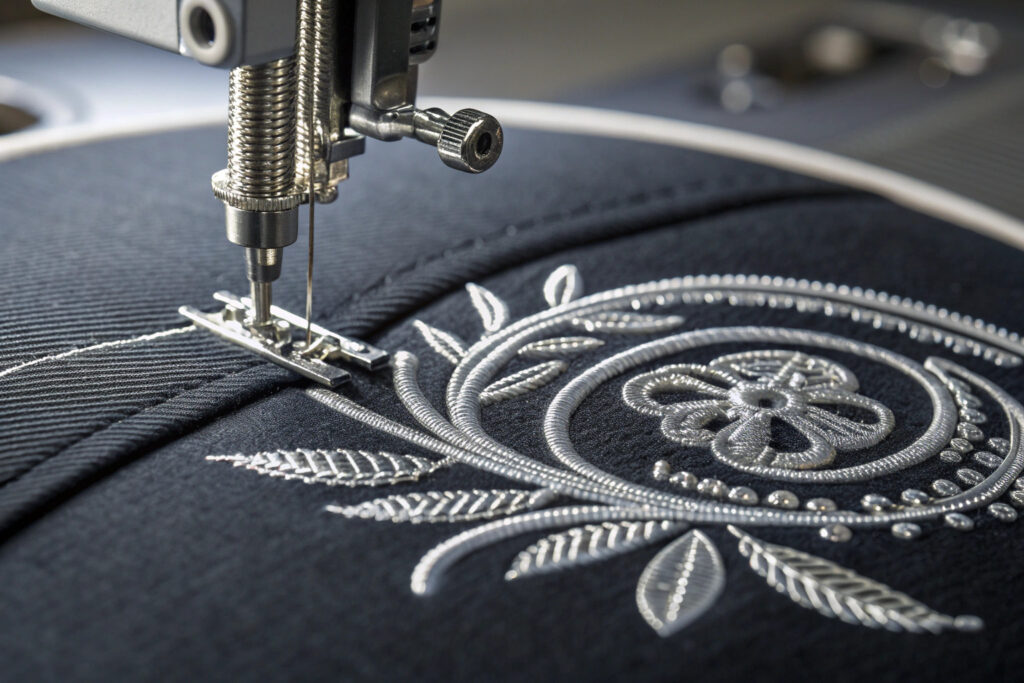
Embroidery is the premium choice for hats, and it's what customers expect for high-quality merch. However, it has limitations. You can't capture tiny details or smooth color gradients. Trying to do so results in a messy, unprofessional "thread-blob."
The key to great embroidery design is simplification.
- Limit Your Colors: Stick to 3-5 solid colors at most. This creates a bold, clean design and keeps production costs down.
- Use Bold Lines: Thin, delicate lines will get lost. Make sure all parts of your design have a solid thickness.
- Avoid Gradients: Embroidery cannot replicate gradients. Design with solid blocks of color.
- Think in "Fills" and "Outlines": A "fill stitch" is used for large areas of color, while a "satin stitch" is used for outlines and text. A good design uses both effectively.
For example, the White Tree of Gondor is a perfect embroidery design—it's a simple, one-color silhouette with bold, clear shapes. It's why it's one of the most popular and successful fantasy symbols in merchandise.
How to Comply with Amazon's Policies?
This is the biggest fear for any merch seller: you create a beautiful design, it starts selling well, and then you get a takedown notice for an intellectual property violation. The world of IP is a minefield, and you're terrified of losing your account over an honest mistake.
To comply with Amazon's policies, you must operate within the guidelines of their Merch on Demand program and avoid using any trademarked or copyrighted material without a license. While The Lord of the Rings is a licensed property, Amazon often partners with rights holders, allowing creators to design official merch for specific brands through their platform. You must check if The Lord of the Rings is part of this program.
Even within an official program, there are rules. You can't use the movie actors' likenesses. You can't use logos from the films (like the specific "The Lord of the Rings" title font) unless explicitly allowed. The safest path is to create designs that are inspired by the world, rather than directly copying assets. This is where focusing on deep lore, like runes or faction symbols described in the books, can be a creative and safer strategy. Always read the specific content policy for the brand you are designing for on the Amazon Merch on Demand portal.
What is the difference between inspiration and infringement?
You're trying to create a design that is clearly for fans of The Lord of the Rings without getting a takedown notice. Where is the line between being inspired by a work and infringing on its copyright?
Inspiration is taking the feeling, themes, and public domain elements associated with a world and creating something new. For example, using a stylized image of a white tree and seven stars is inspired by the lore of Gondor. Infringement is using a direct, protected asset. For example, taking the exact drawing of the White Tree from the movie poster and putting it on your hat is copyright infringement. Using the trademarked name "The Lord of the Rings" in your product title or description without being in the official Amazon program is trademark infringement. Stick to creating your own artistic interpretations of the concepts described in the books.
How can you write a safe and effective product listing?
Your design is only half the battle. Your product title, bullet points, and description are also subject to IP rules and are crucial for getting seen. How do you write a listing that attracts fans without using forbidden keywords?
Focus on descriptive language that evokes the theme without using trademarked terms (unless permitted).
- Bad Title (Infringement): "Lord of the Rings Gondor Hat"
- Good Title (Inspired by): "White Tree of the Kingdom Baseball Cap" or "Fantasy Tree of Kings Hat"
In your bullet points, describe the design and its inspiration. "Features an elegantly embroidered white tree and seven stars, inspired by classic high fantasy sagas." "Perfect for fans of epic tales of elves, dwarves, and the return of the king." This language signals to the fans exactly what your product is about, using thematic keywords that they might search for, while avoiding the specific terms that could trigger a takedown notice.
How to Choose the Right Hat Style?
Your brilliant design needs the right canvas. Putting an elegant Elvish script on a rugged, distressed trucker hat sends a mixed message. The style of the cap itself is a crucial part of the storytelling, and choosing the wrong one can undermine your entire concept, leaving potential customers confused.
The hat style must match the aesthetic of the faction or concept you are designing for; this alignment creates a cohesive and desirable product that feels authentic to the world of Middle-earth. A rugged design belongs on a rugged hat, while a regal design demands a more structured and clean silhouette.
This is something we consult with our clients on constantly at Shanghai Fumao Clothing. A client wanted to do a line of hats for a historical brand. They had a very ornate, royal crest design and wanted to put it on a cheap foam trucker hat. We steered them toward a premium, structured wool-blend cap. The final product looked like a high-end piece of merchandise, not a cheap giveaway item. The hat itself has to live up to the legacy of the design you put on it.

Which hat for which faction?
Let's apply this principle directly to our Middle-earth factions. The goal is to create a perfect marriage between the design and the product.
- For Rohan or Strider-style designs: A distressed or washed canvas cap is the perfect choice. The worn-in, rugged feel matches the aesthetic of the horse-lords and rangers of the North. It feels practical and lived-in.
- For Gondor or Elvish designs: A structured, premium snapback or a high-quality A-frame cap works best. The clean lines and sharp silhouette complement the regal and elegant nature of these cultures. It feels noble and intentional.
- For Dwarvish or Mordor designs: A sturdy bucket hat or a thick, cuffed beanie is ideal. These styles have a utilitarian, solid feel that aligns with the underground kingdoms of the dwarves or the harsh, industrial nature of Mordor.
Does color choice matter for the hat itself?
The color of the cap is just as important as the colors in your embroidery. It sets the mood and provides the backdrop for your story. Using a bright, cheerful color for a design inspired by Mordor would create a jarring disconnect.
Absolutely. The base color of the hat is your foundation.
- Earthy Tones: Olive greens, deep browns, and khaki are perfect for Rohan, the Shire, or rangers.
- Regal & Stark Colors: Black, charcoal grey, and deep navy blue are ideal for Gondor, Isengard, or Mordor. A crisp white cap could also work for a high-concept Gondor design.
Conclusion
Designing Lord of the Rings merchandise for Amazon is a journey that requires more than just a love for the source material. It demands a strategist's mind. By niching down and focusing on the deep lore that true fans cherish, you can create designs that feel authentic and exclusive. By prioritizing high-quality execution, especially with embroidery-friendly designs and thematic typography, you create a premium product that stands out. And by carefully navigating the Misty Mountains of intellectual property, you can build a successful and sustainable business. Don't just sell a hat; offer a token of fellowship, a crown for a king in exile, a piece of Middle-earth itself.
If you are a brand looking to create a line of high-quality, custom-designed hats that capture the passion of any fanbase, my team and I have the expertise to bring your vision to life.
My name is Elaine, Business Director at Shanghai Fumao Clothing, and my email is: elaine@fumaoclothing.com.