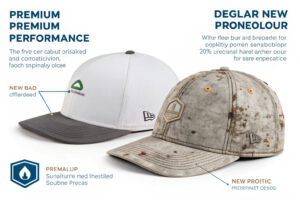
Baseball caps with inadequate ventilation can become uncomfortable traps for heat and moisture, leading to discomfort, skin irritation, and ultimately, hats that go unworn. Many consumers struggle to identify genuinely breathable mesh-lined caps that balance air circulation with structural integrity and style. The challenge lies in distinguishing marketing claims from genuinely functional designs that enhance comfort during active use or warm conditions.
The most breathable mesh-lined baseball caps combine strategic mesh panel placement, moisture-wicking interior bands, lightweight construction, and quality mesh materials that facilitate maximum airflow while maintaining the cap's shape and durability.These designs address heat and moisture buildup through integrated ventilation systems rather than simply adding mesh as an afterthought.
This comprehensive guide explores the key features, material specifications, construction details, and performance indicators that distinguish truly breathable mesh-lined baseball caps from standard alternatives.
What design features maximize breathability?
Breathability in baseball caps depends on specific design elements that work together to facilitate air circulation and moisture management. Understanding these features helps identify caps that will remain comfortable during extended wear.
Key breathability features include strategic mesh panel placement, effective sweatband design, lightweight crown construction, and overall ventilation systems that create continuous airflow.
Why is mesh panel placement crucial for airflow?
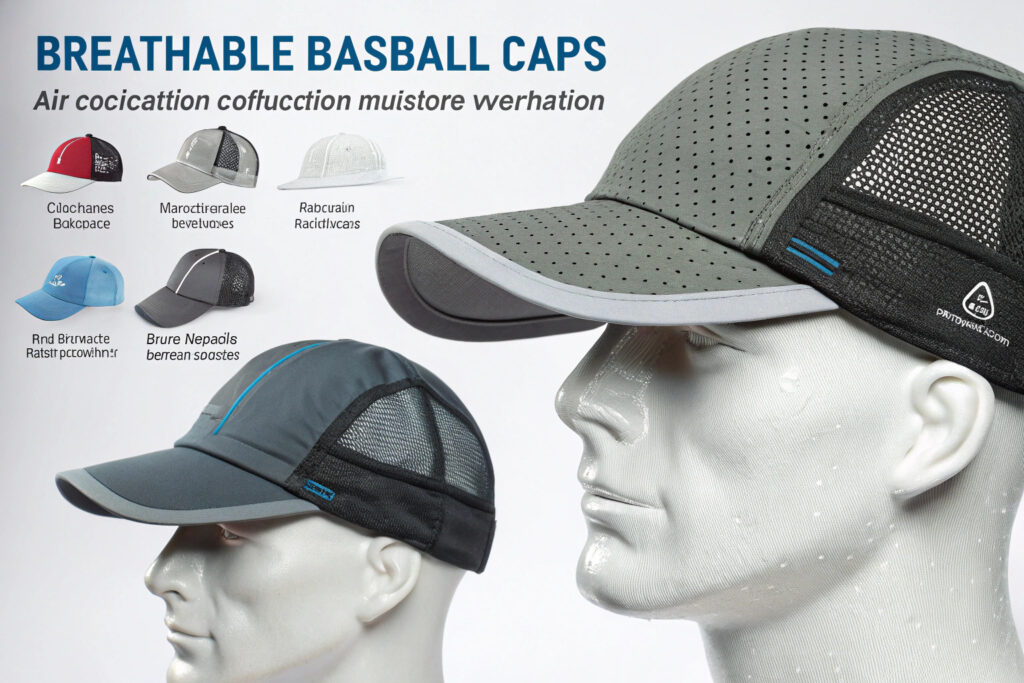
Mesh panel placement directly determines how effectively air circulates through the cap. The most effective designs position mesh in high-heat areas like the back panels (over the occipital region) and sometimes side panels, creating channels for hot air to escape while drawing in cooler air. Quality caps feature strategically sized mesh panels that provide substantial airflow without compromising the cap's structure. The best placements consider how air naturally moves around the head during activity, with some advanced designs creating a "chimney effect" that actively pushes warm, moist air upward and out. This thoughtful placement separates genuinely breathable caps from those with token mesh sections that provide minimal functional benefit.
How does sweatband design impact comfort and ventilation?
The sweatband plays a critical role in both moisture management and overall comfort. The most breathable sweatbands use moisture-wicking materials like technical terry cloth or specialized synthetics that pull perspiration away from the forehead while allowing air to reach the skin. Quality designs incorporate minimalist construction that reduces bulk while maintaining absorption capacity, with some advanced versions featuring channeled or perforated designs that increase surface area for evaporation. The best sweatbands are seamlessly integrated with the mesh panels, creating a continuous system that manages both moisture and heat rather than functioning as separate components. This integration prevents the "sweat trap" effect common in poorly designed caps.
Which materials provide optimal breathability and durability?
Material selection determines both the immediate breathability and long-term performance of mesh-lined caps. The right materials balance air permeability with structural integrity across various conditions.
The most effective materials include high-quality mesh types, lightweight crown fabrics, moisture-managing components, and durable construction that maintains ventilation properties over time.
What characteristics define quality breathable mesh?
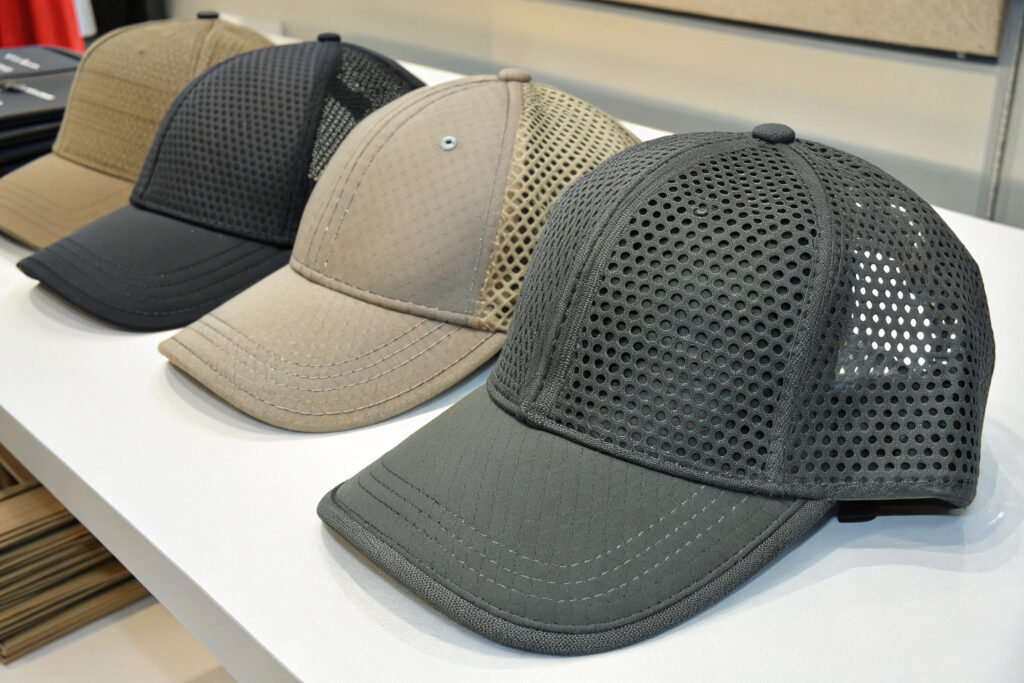
Quality breathable mesh is characterized by its openness factor, material composition, and structural integrity. The best mesh for caps features a multi-dimensional knit structure with consistent hole sizing that allows maximum airflow while preventing distortion during wear and cleaning. Material-wise, polyester and nylon meshes offer excellent durability and shape retention, with some premium versions incorporating elastane for better conformity. The mesh should maintain its open structure despite repeated compression (like being stored in a pocket or bag) and should resist pilling or fraying at the edges where it joins solid fabric panels. These characteristics ensure the mesh continues providing ventilation throughout the cap's lifespan.
How do crown materials complement mesh ventilation?
The solid portions of the crown should use lightweight, breathable fabrics that work in concert with the mesh panels. Popular options include lightweight cotton twill, technical polyester blends, and performance fabrics with inherent wicking properties. These materials should have some air permeability themselves while providing the structure that mesh panels lack. The best designs use consistent fabric weights across all panels (typically 3-5 oz/yd²) that create uniform breathability rather than stark differences between mesh and solid areas. This balanced approach prevents the "greenhouse effect" where heat becomes trapped in solid panels adjacent to mesh sections, undermining the overall ventilation system.
What construction methods enhance breathability?
Construction techniques significantly impact how effectively a cap's design elements work together to provide ventilation. The right methods ensure breathability features function as intended throughout the cap's lifespan.
Breathability-enhancing construction includes seamless mesh integration, strategic stitching patterns, minimal internal structure, and assembly methods that prevent airflow obstruction.
Why does mesh integration method matter?
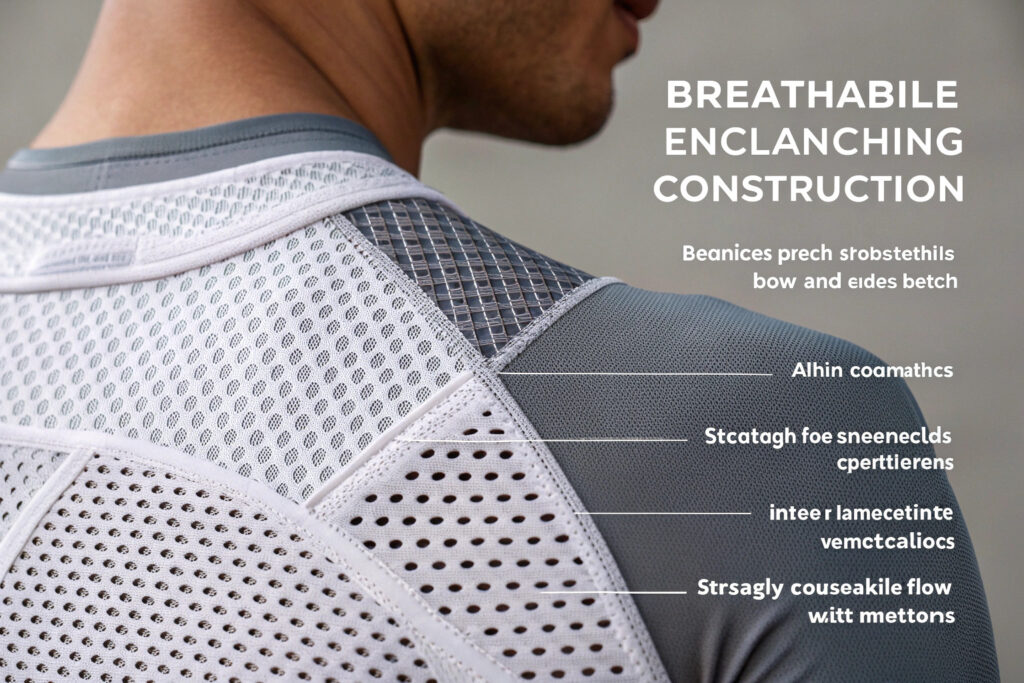
How mesh panels are joined to solid fabric significantly impacts both durability and breathability. The most effective methods use flatlock stitching that creates smooth seams without raised edges that can trap heat or create pressure points. Some advanced manufacturers use ultrasonic welding that bonds materials without thread, creating completely flat seams that maximize airflow at panel junctions. The integration should maintain the mesh's natural stretch and recovery properties rather than pulling it taut, which can reduce the effective ventilation area. Quality construction ensures mesh panels lie flat against the head without buckling or gaping, maintaining consistent airflow across the entire panel surface.
How can minimal internal structure improve airflow?
Reducing internal structure elements decreases potential airflow obstructions. The best breathable caps minimize or eliminate traditional buckram (stiffening material) in the front panel, using alternative methods like fused interfacing or strategic stitching to maintain shape without creating a heat-trapping barrier. Similarly, simplified sweatband applications that avoid multiple fabric layers prevent the "insulation effect" that can occur with heavily constructed bands. Some performance-focused designs use minimalist internal tags printed directly on the fabric rather than sewn labels that can create hot spots. These reductions in internal structure collectively enhance the cap's ability to move air freely while maintaining essential shape and function.
How to verify breathability performance claims?
Evaluating breathability claims requires both objective metrics and practical testing. Understanding verification methods ensures you select caps that deliver genuine comfort rather than marketing promises.
Effective verification includes reviewing technical specifications, conducting simple airflow tests, assessing moisture management properties, and considering real-world performance feedback.

What technical specifications indicate genuine breathability?
Technical specifications provide objective data about a cap's ventilation capabilities. Look for air permeability ratings measured in CFM (cubic feet per minute), which quantifies how easily air passes through the mesh and fabric. Quality breathable caps typically achieve 50-100+ CFM in mesh panels, with lower but still substantial ratings in solid fabric areas. Additionally, moisture vapor transmission rate (MVTR) measurements indicate how effectively the cap manages perspiration, with higher numbers (typically 500-1000+ g/m²/24hr) indicating better performance. Reputable manufacturers provide these test results from independent laboratories rather than in-house measurements, ensuring objective verification of their breathability claims.
How can simple tests assess real-world breathability?
Simple practical tests can reveal how a cap will perform during actual use. The "breath test" involves holding the cap material to your mouth and blowing through it—quality mesh should allow air to pass through with minimal resistance. Another effective method is the "
light test" where you hold the cap up to a bright light source; more visible light indicates greater air permeability. For moisture management, sprinkling a few drops of water on the sweatband and timing how quickly it absorbs and spreads provides insight into wicking capability. These simple evaluations, combined with wearing the cap during light activity, give a reasonable prediction of how it will perform during extended use in warm conditions.
Conclusion
Choosing truly breathable mesh-lined baseball caps requires attention to specific design features, material properties, construction methods, and verifiable performance metrics. The most effective caps integrate mesh as part of a comprehensive ventilation system rather than treating it as a standalone feature, creating headwear that remains comfortable during active use or in warm environments.
At Global-Caps, we engineer breathability into our mesh-lined baseball caps through strategic panel placement, advanced materials, and construction techniques that maximize airflow while maintaining structural integrity. Our designs undergo rigorous testing to verify their ventilation performance, ensuring they deliver genuine comfort rather than just the appearance of breathability. If you're looking for baseball caps that combine style with exceptional airflow and moisture management, contact our Business Director Elaine at elaine@fumaoclothing.com. Let us help you select headwear that keeps you cool and comfortable in any situation.