
As a hat manufacturer in China, I've watched our global customers grow increasingly concerned about the carbon footprint of their products. You want to offer stylish headwear that's also sustainable, but calculating the exact emissions from ocean shipping can feel like a daunting, technical puzzle.
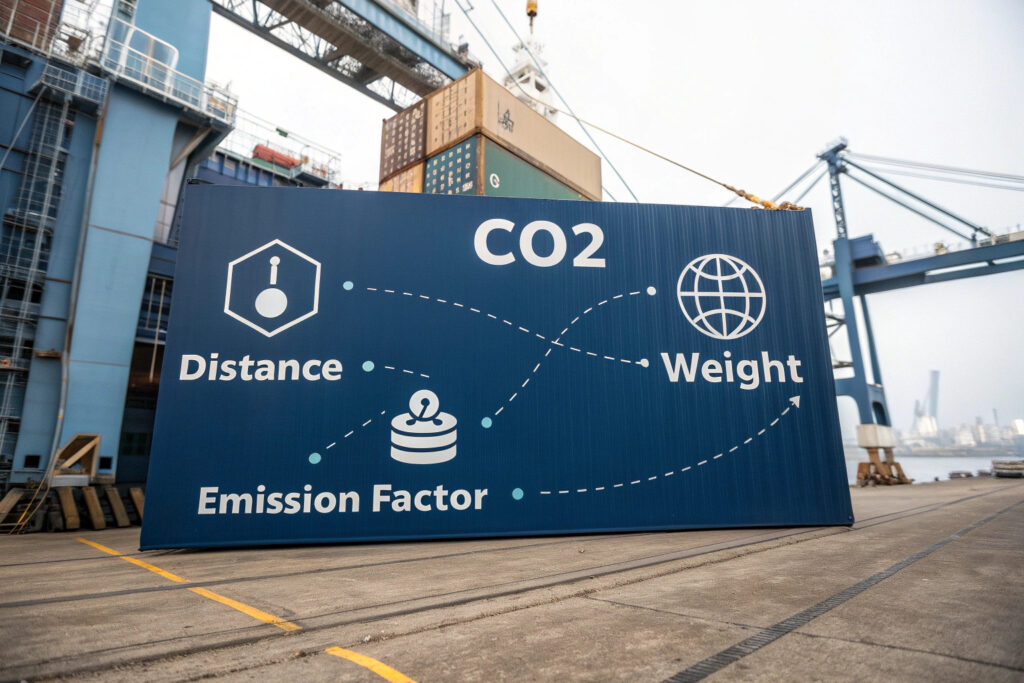
The core of calculating emissions for ocean-shipped goods lies in a fundamental formula that multiplies the distance shipped by the weight of the cargo and a standardized emissions factor. By understanding this process and the global standards that govern it, you can transform a complex challenge into a clear competitive advantage. This transparency not only meets the demands of eco-conscious consumers but also helps you navigate tightening international regulations and identify cost-saving efficiencies within your own supply chain.
Let’s demystify this process. Whether you're a seasoned buyer or a new brand, knowing how to measure your logistics emissions is no longer optional—it's essential for doing business in a world focused on sustainability. We'll guide you through the steps, tools, and strategies to accurately calculate and effectively manage the carbon footprint of your shipped hats.
Why Accurate Carbon Calculation Matters for Fashion Importers
If you think carbon footprint is just a buzzword, consider this: the logistics sector contributes about 8% of global CO2 emissions. For fashion importers like you, the shipping of goods is a major part of your Scope 3 emissions—the indirect emissions in your value chain that investors and major retailers are now demanding you report. Precise calculation is the critical first step toward managing and ultimately reducing your environmental impact, turning a compliance necessity into a marketable brand strength.
Beyond ethics, there is a powerful financial and regulatory driver. Mechanisms like the European Union's Carbon Border Adjustment Mechanism (CBAM) are setting the stage for carbon costs to become a tangible part of international trade. Starting with accurate measurement protects your business from future surcharges and positions you favorably with partners who prioritize green supply chains. We've seen this demand firsthand, as more of our partners at shanghaifumaoclothing request emissions data for their orders to meet their own corporate sustainability goals.
What Is the Standard Formula for Ocean Freight Emissions?
The calculation hinges on a universally recognized methodology. You don't need to be a climate scientist; you need the right data plugged into a standard equation.
How Do I Gather the Necessary Data for the Calculation?
Accurate calculation requires three key pieces of data: distance, cargo weight, and the correct emission factor. First, determine the precise nautical distance between the port of origin (e.g., Ningbo) and the port of destination (e.g., Los Angeles). Tools like online sea-distance calculators provide this information. Second, know the exact weight of your shipment in metric tons. This includes the net weight of the hats plus all packaging.
The most critical component is the emission factor, which represents the grams of CO2 emitted per tonne of cargo per kilometer traveled (gCO2e/tkm). For ocean container shipping, a commonly referenced default value is between 10-20 gCO2e/tkm. However, this factor can vary based on vessel size, fuel type, and how full the ship is. For the highest accuracy, use calculators that adhere to the GLEC Framework, which provides standardized, updated factors accepted globally.
Which Tools and Standards Ensure Credible Results?
To ensure your calculations are trustworthy and recognized by retailers and auditors, you must use tools built on global standards. The GLEC Framework, developed by the Smart Freight Centre, is the world's only recognized methodology for calculating logistics emissions across all transport modes. It is fully aligned with the ISO 14083 standard. When choosing a calculator, verify that it is GLEC-compliant.
Many online platforms offer this service. For a basic estimate, you can manually use the formula with IMO-recommended factors. For more robust, report-ready data, specialized logistics platforms provide automated calculators. These tools often allow you to input your route and cargo details to receive an instant emissions estimate, which you can then use in your sustainability reports. Embracing these tools is part of the professional service we believe in at shanghaifumaoclothing, helping our partners build transparent and responsible brands.
How Can You Reduce Your Shipping Carbon Footprint?
Calculating your footprint is only half the battle; the real value comes from using that data to make smarter, greener decisions. The good news is that emission reduction often aligns perfectly with cost-saving and operational efficiency.
What Operational Choices Lead to the Biggest Cuts?
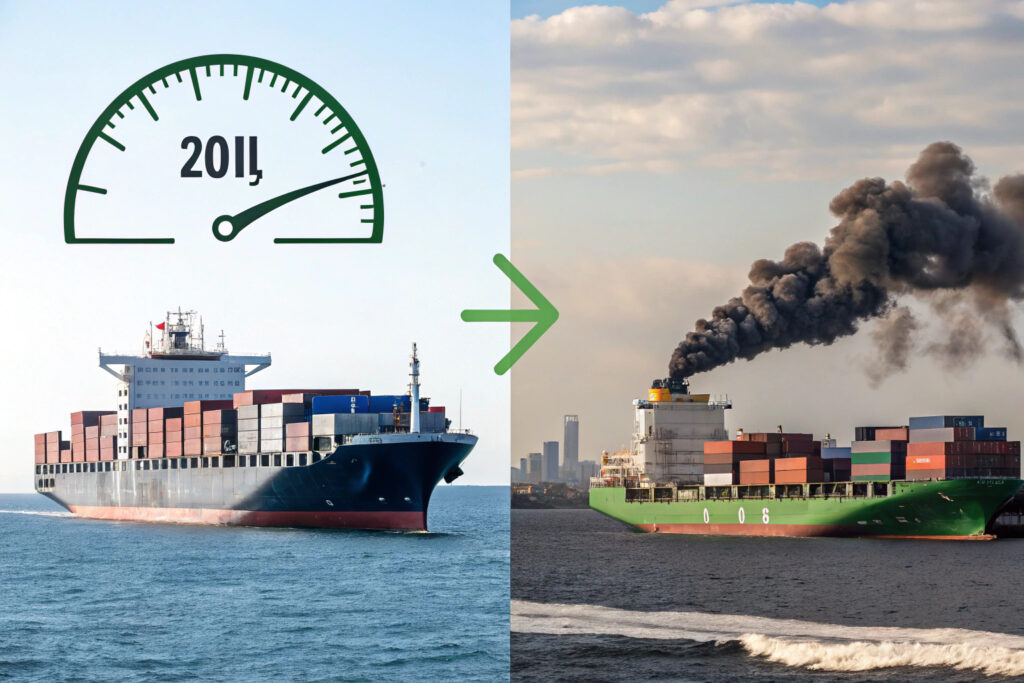
Your choices in planning and procurement have a direct, measurable impact. The single most effective step is to maximize container utilization. Shipping a fully-loaded 40-foot container is vastly more efficient per hat than shipping a half-full one. Consolidating orders or working with a manufacturer that expertly optimizes packing can dramatically lower your per-unit emissions.
Another major lever is vessel selection. Larger container vessels are generally more efficient than smaller ones. Furthermore, some shipping lines are now investing in cleaner-burning fuels like LNG or operating vessels at optimized speeds to reduce fuel consumption. When negotiating with freight forwarders or carriers, ask about their fleet's carbon intensity. You may find that the company offering the most competitive rate also has a poorer environmental performance, a trade-off worth evaluating.
How Does Logistics Strategy Broaden Your Impact?
Think beyond the single shipment. A holistic logistics strategy can embed sustainability into your entire supply chain. Multimodal routing is a powerful approach. For example, using rail instead of trucking for inland port transportation in certain regions can cut emissions for that leg of the journey by a significant margin.
Furthermore, consider the end-to-end network efficiency. This involves working with partners closer to your market or selecting shipping routes that are inherently less congested and more direct. Research on container shipping has shown that changes and optimizations in transportation network structure can have a higher impact on decreasing CO2 emissions than incremental improvements in fuel technology alone. Partnering with a manufacturer that has a strategic location within an efficient logistics hub, like our base in Keqiao, can inherently reduce the inland travel distance before your hats even reach the port.
What Future Regulations Should You Prepare For?
The regulatory landscape is moving rapidly from voluntary reporting toward mandatory compliance. Being proactive today will save you from reactive scrambling tomorrow. The direction is clear: transparency and reduction will be legally enforced.
How Are Global Policies Like EU CBAM Changing the Game?
The European Union's Carbon Border Adjustment Mechanism (CBAM) is a game-changer. While initially focused on raw materials, its scope is expected to expand. The mechanism aims to put a carbon price on imported goods, preventing "carbon leakage." For any business exporting to the EU, understanding and documenting the embedded emissions in products—including transportation—will soon be critical to avoid financial penalties. This isn't a distant future concept; it's a current strategic imperative that forward-looking companies are already preparing for.
What Are the IMO's Decarbonization Targets for Shipping?
The International Maritime Organization (IMO), the UN's global shipping regulator, has set ambitious targets. Their strategy aims to reduce the carbon intensity of international shipping by at least 40% by 2030 and to cut total annual greenhouse gas emissions by at least 50% by 2050, compared to 2008 levels. To achieve this, new operational measures like the Carbon Intensity Indicator (CII) are coming into force, which will rate ships from A to E on their efficiency. As a shipper, your choice of carrier will directly link to the CII rating of their vessels, making your procurement decisions a direct vote for or against sustainable shipping.
Conclusion
Calculating and managing the carbon footprint of your ocean-shipped hats is a multifaceted process that blends a simple core formula with strategic supply chain decisions. It begins with understanding the basic calculation of distance, weight, and emission factor, guided by global standards like the GLEC Framework. Its true power, however, is unlocked when you use that data to drive reduction—by maximizing load efficiency, choosing greener carriers, and optimizing your logistics network. In an era of rising eco-consciousness and tightening regulations, this knowledge transforms from a technical chore into a cornerstone of modern, responsible, and competitive business.
Ready to make your headwear line not only stylish but also sustainably accountable? Partner with a manufacturer who understands this journey from the ground up. At shanghaifumaoclothing, we integrate sustainable practices and transparent supply chain data to help you meet your environmental goals. To discuss how we can co-create a greener hat collection for your brand, contact our Business Director, Elaine, at elaine@fumaoclothing.com. Let's build a partnership that looks good and does good.