
Are you struggling to predict which hat styles will be a hit next season? You're not alone. In the rapidly evolving headwear market, relying on intuition alone is a risky business strategy. An inaccurate forecast can lead to unsold inventory, missed sales opportunities, and eroded profit margins.
This guide provides a practical framework for your business to build a data-informed hat trend forecasting system. By combining traditional industry insights with modern analytical tools, you can make more confident decisions, reduce risk, and stay ahead of the competition.
To build an effective hat trend forecasting system, you must adopt a dual approach: integrate qualitative industry insights (macro-trends, trade shows) with quantitative data analysis (sales history, social media signals). The most successful forecasts come from synthesizing the "art" of fashion sense with the "science" of data analytics.
The process involves several interconnected layers, from understanding broad market forces to analyzing your own sales data. Let's break down the key components of a robust forecasting system into actionable steps.
How Do You Gather Qualitative Insights for Hat Trends?
Qualitative forecasting is about understanding the "why" behind trends—the cultural, social, and aesthetic shifts that drive consumer desires. This involves looking beyond numbers to interpret meanings and narratives.
You should actively monitor macro-trend sources. This includes analyzing runway reports from major fashion weeks, which often trickle down to accessories, and subscribing to specialized trend forecasting agencies for curated forecasts on colors, materials, and styles. For direct inspiration, attending key trade fairs is invaluable for touching fabrics, seeing craftsmanship, and networking with milliners.

How Can You Decode Consumer Culture and Social Signals?
Social media is now a primary trend incubator. You need to move beyond passive scrolling and conduct active analysis. Monitor platforms like Instagram, TikTok, and Pinterest for emerging aesthetics. Pay special attention to street style photography from global fashion capitals and the content shared by micro-influencers in specific niches. Research indicates that analyzing community mood and emotions on these platforms can even predict the rise of specific trends like sustainable fashion. For a hat brand, this could mean spotting an uptick in certain aesthetics or functional styling that signals demand for certain hat silhouettes.
Why is Competitor and Collaborator Analysis Crucial?
Keeping a close eye on both direct competitors and adjacent brands provides critical market intelligence. Regularly review the product launches, marketing campaigns, and bestseller lists of key players. More importantly, analyze successful collaborations. For instance, a sportswear brand teaming up with a high-fashion label on a cap collection signals a fusion of trends worth noting. This analysis helps you understand what is resonating in the current market and identifies gaps your brand can fill.
How Do You Implement Quantitative Data Analysis?
Quantitative forecasting brings objectivity by using historical data and statistical models to predict future demand. For a hat business, this starts with your own data.
Your most valuable asset is your historical sales data. You should analyze this data to identify clear seasonal patterns, understand the lifecycle of different styles, and calculate key metrics like sell-through rates for each product category. Advanced analytics can segment this data by region, customer demographics, and sales channel to reveal more granular trends.

What Role Do Advanced Predictive Models Play?
For businesses with sufficient historical data, statistical models can significantly enhance forecast accuracy. Algorithms are specifically designed to handle time-series data with strong seasonality and trends—perfect for the fashion cycle. These models can process your sales history to generate data-driven forecasts for future demand, helping to inform production planning and inventory procurement months in advance. According to market research, the global hat market is expected to grow steadily, with the fashion segment holding a significant share, making such forward planning essential.
How Can You Integrate External Data Streams?
To make your forecasts more dynamic, integrate external data. This includes web analytics (tracking which product pages and search terms are trending on your site), social media engagement metrics, and even weather data, as unexpected climate patterns can drive demand for specific headwear. The integration of diverse data sources is a core strength of modern machine learning approaches to trend prediction.
How Do You Synthesize Insights and Apply Them to Product Development?
The final and most critical step is turning information into action. This is where qualitative insights and quantitative data must come together to guide your design, merchandising, and marketing strategies.
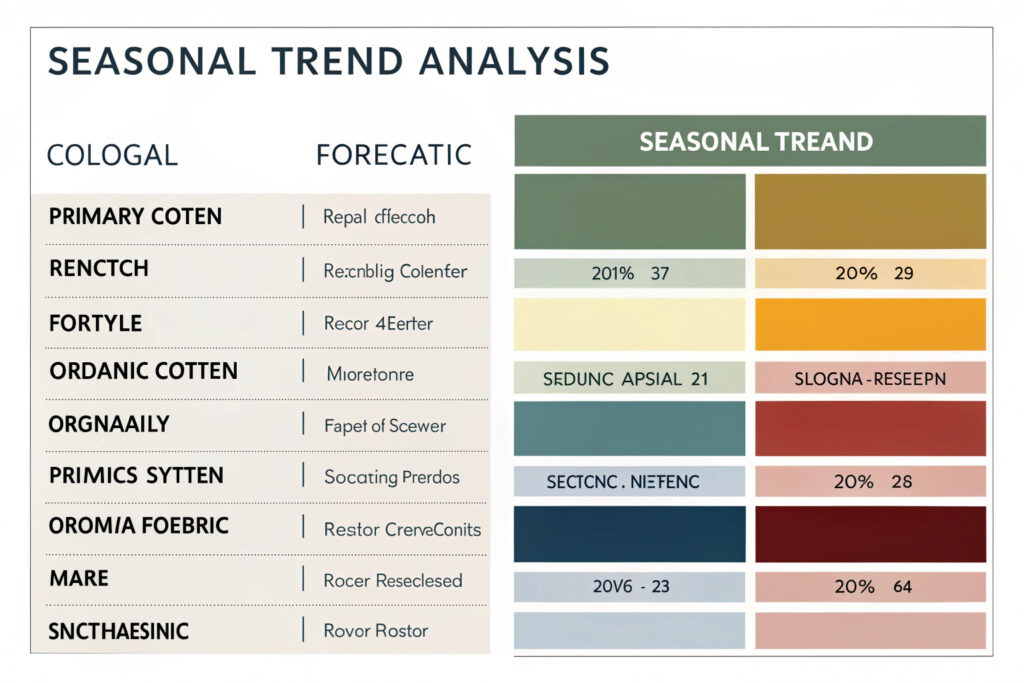
You should create seasonal trend frameworks. At the start of each planning cycle, consolidate your research into a focused trend forecast. This typically includes: a Color Palette (3-5 key colors for the season), Key Materials (e.g., recycled polyester, organic cotton, technical fabrics), Silhouette Directions, and Detail Focus. This framework becomes the creative brief for your design team.
How Can You Validate and Pressure-Test Concepts?
Before committing to full production, use low-risk methods to validate your ideas. Develop physical prototypes or high-quality digital renders to gather feedback from a select group of trusted buyers, fashion influencers, or even through focus groups with your target customers. For instance, successful brands often use social media video features to showcase how their hats pair with different outfits, gauging consumer reaction in real-time. Additionally, start with a pre-order model or limited-edition drop for your riskiest and most trend-forward designs. This tests market demand with minimal inventory risk and creates exclusivity.
What Are Best Practices for Portfolio Planning and Inventory Strategy?
Apply your forecast to build a balanced product portfolio. Follow a rough ratio like 70% Core Styles (updated classics and evergreen bestsellers), 20% Trend-Driven Styles (adaptations of the season's key trends), and 10% Innovative Statements (experimental designs that build brand image). Your quantitative demand forecasts should directly feed into your inventory planning, suggesting how many units to produce for each style. A data-driven approach helps ensure you have the right stock levels to meet demand without overproducing.
How Can Your Business Get Started and Overcome Common Challenges?
Building a forecasting system is an iterative process that evolves with your business. Start with the resources you have and scale up over time.
You can begin by auditing your existing data. Start simple by analyzing your past two years of sales data in a spreadsheet. Identify your top-selling styles, colors, and price points, and note clear seasonal peaks and valleys. Simultaneously, dedicate time for qualitative research: follow key industry accounts on social media and review one major trend report.

What Are the Most Common Forecasting Pitfalls to Avoid?
Be aware of these frequent mistakes: Over-reliance on a Single Source (e.g., only looking at high-fashion runways without considering your own customer data), Ignoring Regional Differences (a trend booming in one region may differ from demand in another), and Analysis Paralysis (collecting data but failing to make a decisive judgment call). The goal is informed decision-making, not perfect prediction.
When Should You Consider Advanced Tools or External Partners?
As your business grows, investing in specialized tools becomes worthwhile. Consider business intelligence (BI) software to visualize your sales data more effectively. For advanced predictive modeling, you may explore AI-powered trend analytics platforms or even collaborate with a data scientist to build custom models. For manufacturing partners, working with an agile and experienced supplier like Shanghai Fumao Clothing can be crucial. Our ability to support small-batch production, rapid sampling, and fabric innovation allows you to act on your forecasts quickly and adapt to real-time market feedback.
Conclusion
Effective hat trend forecasting is not about finding a crystal ball, but about building a systematic process that combines creative intuition with data-driven evidence. It requires continuously monitoring cultural macro-trends, rigorously analyzing your own sales and market data, and having the operational agility to turn those insights into products. By embracing both the art and science of forecasting, you can reduce business risk, capitalize on emerging opportunities, and build a brand that consistently meets and shapes consumer demand.
Partner with a manufacturer that understands the pace of fashion. At Shanghai Fumao Clothing, we combine decades of headwear expertise with flexible production solutions to help you test, refine, and scale your designs efficiently. From initial sample development to bulk production with integrated quality control, we are your dedicated partner in bringing the next big trend to market. For a consultation on your next collection, contact our Business Director, Elaine, at elaine@fumaoclothing.com.