Mold damage during ocean shipping represents a significant challenge for hat manufacturers and retailers. The combination of humidity, temperature fluctuations, and extended transit times creates ideal conditions for mold growth that can ruin entire shipments. Understanding how to prevent this damage is crucial for protecting your inventory and maintaining product quality.
Preventing hat mold during ocean shipping requires a comprehensive approach involving proper packaging, humidity control, material selection, and container management. Effective strategies include using moisture-wicking materials, implementing silica gel desiccants, choosing breathable packaging, and ensuring proper container ventilation. These measures work together to create an environment hostile to mold growth throughout the shipping journey.
This guide covers four essential strategies for preventing mold damage to hats during ocean transit. By implementing these practices, you can significantly reduce the risk of mold-related losses and ensure your products arrive in perfect condition.
What Packaging Materials Prevent Mold Growth?
Choosing the right packaging materials is the first line of defense against mold during ocean shipping. The materials you select must manage moisture effectively while protecting hats from physical damage. Proper packaging creates a micro-environment that resists mold formation even when external conditions are unfavorable.
Effective anti-mold packaging combines moisture control, breathability, and physical protection. The best materials work together to absorb excess moisture while allowing some air circulation. This balanced approach prevents the stagnant, humid conditions that encourage mold growth on various hat materials.
Recraft指令--Detailed visualization of proper hat packaging with anti-mold materials. The image shows hats wrapped in breathable tissue, surrounded by silica gel packets, and packed in ventilated boxes. The composition highlights the layered approach to moisture control and demonstrates proper packaging techniques in a clean, professional setting.
How Do Desiccants Protect Against Moisture?
Desiccants are essential for controlling humidity within shipping containers and individual packages. Silica gel desiccants absorb up to 40% of their weight in water vapor, maintaining relative humidity below the critical 60% threshold where mold thrives. Clay desiccants provide cost-effective moisture control for larger shipments, while molecular sieve desiccants offer superior performance in high-humidity environments. Proper desiccant calculation ensures sufficient coverage based on package volume, transit time, and expected humidity levels. For maximum effectiveness, desiccants should be distributed throughout the shipment rather than concentrated in one area.
Why Is Breathable Packaging Important?
Breathable packaging materials prevent moisture accumulation by allowing air circulation while blocking liquid water. Micro-perforated polybags enable moisture vapor transmission without compromising water resistance, making them ideal for hat protection. Natural breathable fabrics like cotton wrapping papers provide an additional layer of protection by absorbing minor moisture while allowing evaporation. Corrugated cardboard with ventilation channels promotes air movement around individual packages, preventing localized humidity buildup. The combination of these materials creates a system that manages moisture throughout the shipping container.
How to Control Humidity in Shipping Containers?
Container humidity control is crucial for preventing mold growth during ocean transit. The enclosed environment of shipping containers can trap moisture released from products and packaging materials, creating conditions ripe for mold development. Proper humidity management requires both preventive measures and active control systems.
Effective humidity control involves understanding moisture sources and implementing strategies to manage them. This includes addressing both the moisture present at loading and the moisture generated during transit. A comprehensive approach combines moisture barriers, desiccant systems, and proper loading practices.
What Are the Best Container Desiccant Systems?
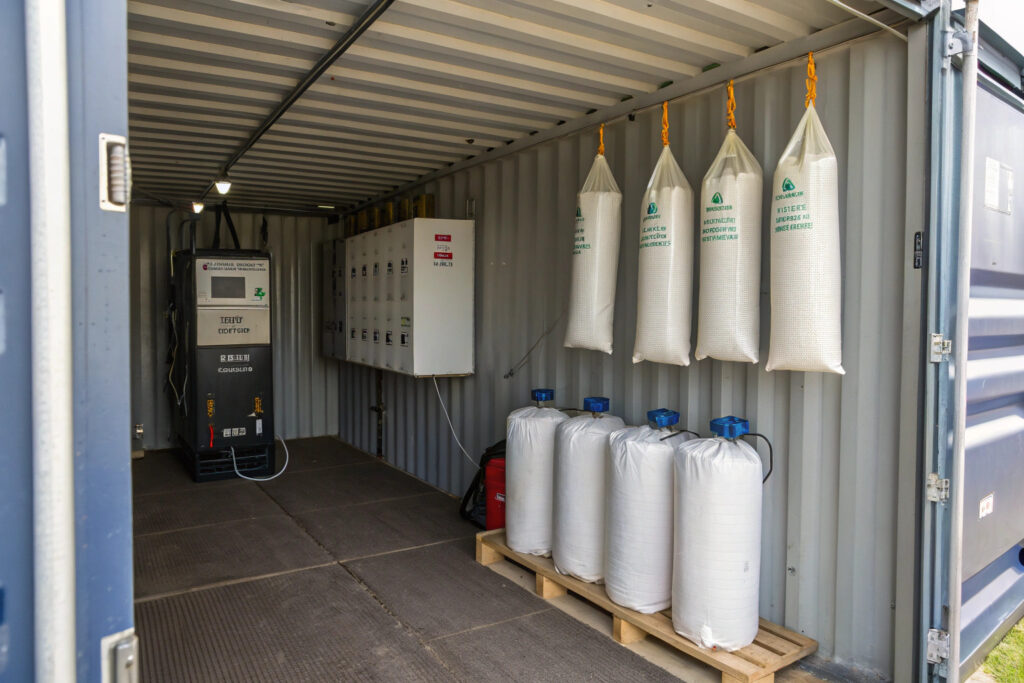
Container desiccant systems provide active humidity control throughout the shipping journey. Hanging desiccant bags distributed evenly throughout the container absorb moisture from the air, maintaining safe humidity levels. Calcium chloride desiccants offer high moisture absorption capacity for long voyages through humid regions. For maximum protection, humidity indicator cards should be included to monitor conditions throughout transit. Professional shipping companies often recommend calculating desiccant requirements based on container size, voyage duration, and seasonal weather patterns to ensure adequate protection.
How Does Proper Loading Prevent Mold?
Proper loading techniques significantly impact humidity control and mold prevention. Creating air channels between cargo allows for better air circulation and prevents moisture traps. Using dunnage materials that resist moisture absorption helps maintain dry conditions around your shipment. Ensuring adequate clearance from container walls prevents condensation contact with your products. Many experienced shippers implement moisture barrier systems that separate cargo from container surfaces where condensation typically forms.
Which Hat Materials Are Most Mold-Resistant?
Material selection plays a crucial role in mold prevention during ocean shipping. Some hat materials naturally resist mold growth, while others require additional protection. Understanding these differences helps in planning appropriate protective measures for different product types.
Natural fibers and synthetic materials each present different challenges and advantages regarding mold resistance. The most successful shipping strategies account for these material characteristics and implement targeted protection methods for each hat type in your shipment.
How Do Synthetic Materials Perform?
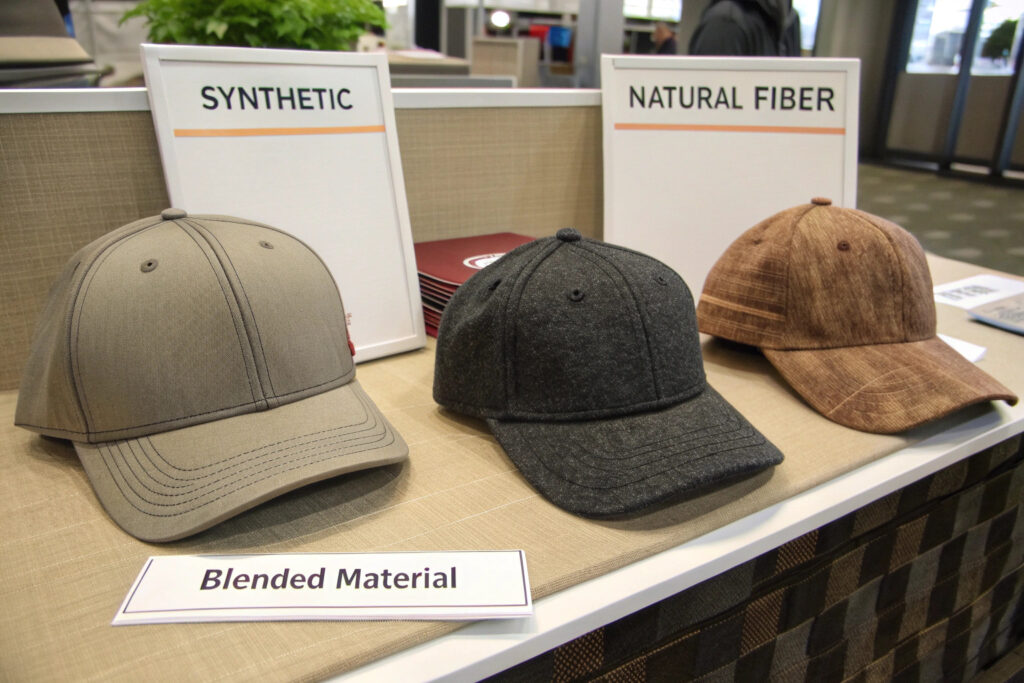
Synthetic hat materials generally offer better mold resistance than natural fibers. Polyester fabrics resist moisture absorption and provide poor conditions for mold growth, making them ideal for ocean shipping. Nylon blends offer similar benefits with quick-drying properties that help prevent moisture retention. However, some synthetic materials can still develop mold if organic contaminants are present, so proper cleaning before shipping remains important. Many manufacturers now use antimicrobial treatments on synthetic materials to provide additional protection against mold and mildew during transit.
What About Natural Fiber Protection?
Natural fibers require more careful protection during ocean shipping due to their susceptibility to mold. Organic cotton can be treated with mold-resistant finishes to improve its performance during transit. Wool hats benefit from natural lanolin content that provides some mold resistance, but still require proper drying before packaging. Straw and paper-based materials are particularly vulnerable and need extra protection with vapor barriers and adequate desiccant systems. For mixed-material hats, protection should be designed for the most vulnerable component in the product.
How to Implement Effective Quality Control?
Quality control measures before, during, and after shipping are essential for preventing mold damage. These procedures ensure that hats are shipped in optimal condition and that any potential issues are identified early. A comprehensive QC system addresses multiple checkpoints throughout the shipping process.
Effective quality control involves verification at key stages: pre-shipment inspection, loading supervision, and post-delivery assessment. Each stage serves to identify and address potential mold risks before they can cause significant damage.
What Pre-Shipment Checks Are Essential?
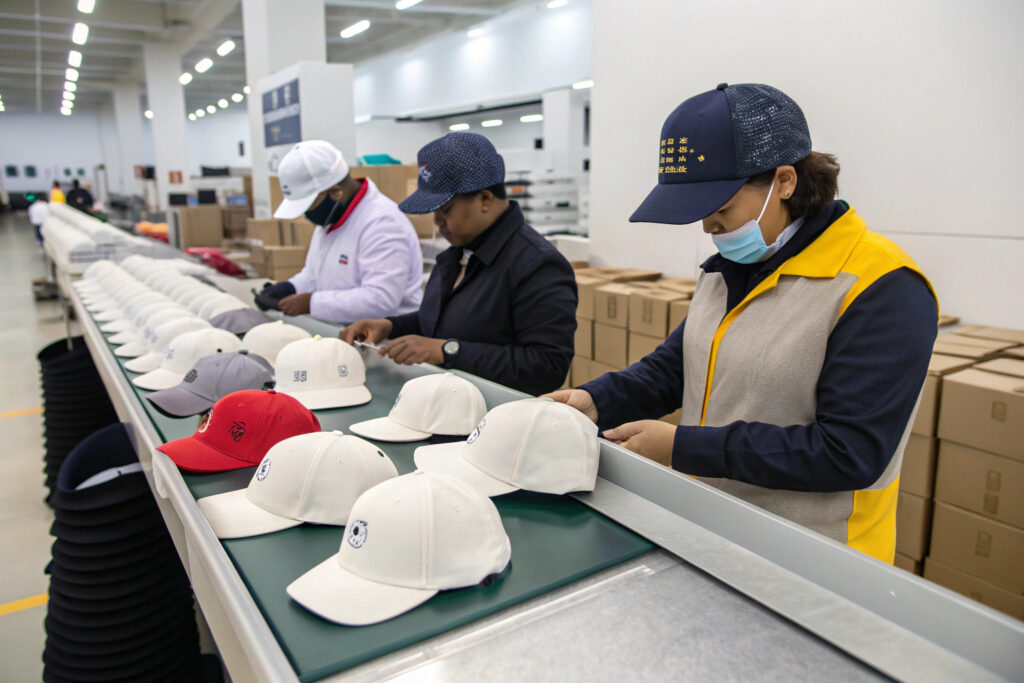
Pre-shipment inspections should verify that all hats are completely dry before packaging. Using moisture meters provides quantitative data to ensure moisture content is below safe thresholds. Inspection should include checking for existing mold spores that could proliferate during transit. Packaging materials should be verified for integrity and dryness before use, as damp packaging can introduce moisture to otherwise dry products. Many manufacturers implement documented inspection procedures that include specific moisture content thresholds for different hat materials.
How Can Monitoring During Transit Help?
Advanced monitoring systems provide real-time data about conditions inside shipping containers. Wireless humidity sensors track humidity levels throughout the journey, alerting shippers to potential problems. Temperature data loggers help identify conditions that could lead to condensation formation. Some sophisticated systems even include mold risk algorithms that predict potential issues based on recorded environmental data. This information allows for proactive measures and provides documentation for insurance claims if damage occurs despite precautions.
Conclusion
Preventing hat mold during ocean shipping requires a systematic approach addressing packaging, humidity control, material considerations, and quality assurance. By implementing proper desiccant systems, breathable packaging, container management, and thorough inspections, you can significantly reduce the risk of mold damage. These practices protect your investment and ensure your products reach customers in perfect condition.
The cost of implementing comprehensive mold prevention measures is minimal compared to the potential losses from damaged inventory. As you plan your next shipment, consider reviewing your current practices against these guidelines. For manufacturers seeking expert assistance with hat shipping and mold prevention, our team offers specialized consulting and can help develop customized solutions for your specific products and shipping routes.