Sourcing authentic Kufi caps for cultural markets requires understanding both traditional craftsmanship and modern manufacturing. Many suppliers lack cultural sensitivity and produce inaccurate designs that fail to meet community standards. This can damage your reputation and alienate your customer base.
The key is partnering with manufacturers who understand the cultural significance of Kufi caps and can produce authentic designs using appropriate materials and techniques. The right supplier combines respect for tradition with efficient production capabilities.
Let's explore how to identify manufacturers capable of producing culturally appropriate Kufi caps that meet both quality standards and market expectations.
What Defines an Authentic Kufi Cap Design?
Authentic Kufi cap design goes beyond simple headwear—it represents cultural identity and religious observance. Understanding the nuances of design and materials is essential for serving this market properly.
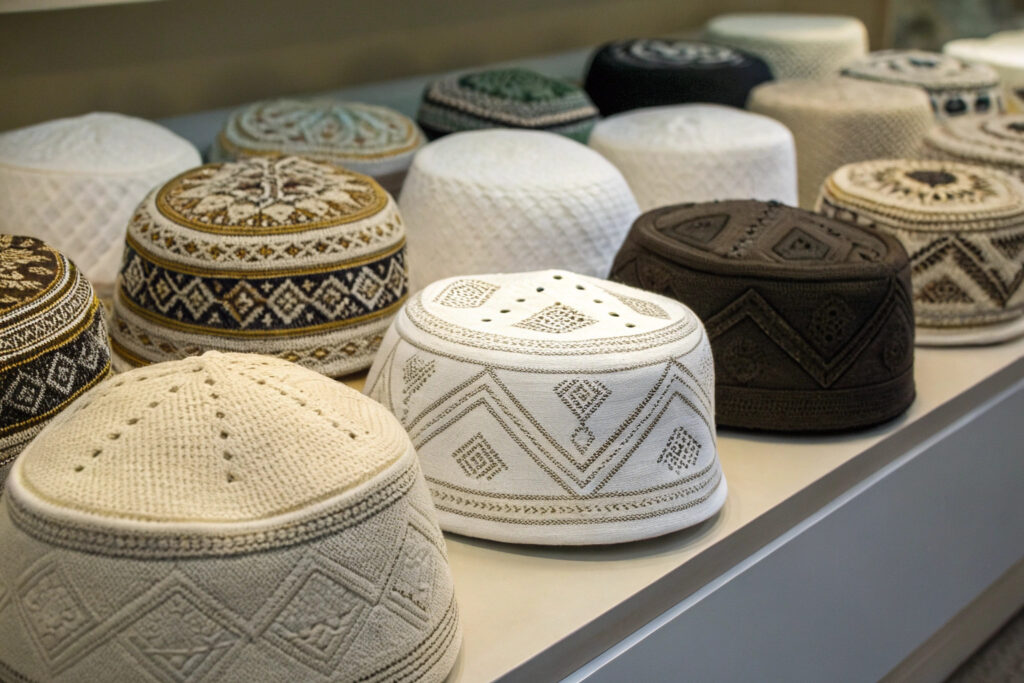
Authentic Kufi caps are characterized by their simple, rounded design, appropriate sizing, traditional materials, and cultural accuracy. Each element carries significance that must be respected in production.
What Are the Essential Design Elements?
The essential design elements of Kufi caps include the proper crown shape, accurate sizing, and appropriate decorative elements. The traditional rounded crown should provide comfortable coverage without being overly tight or loose.
We produce Kufi caps with diameters ranging from 6 to 9 inches to accommodate different head sizes. The caps feature seamless construction where possible, following traditional Islamic clothing principles. For embroidered designs, we use culturally appropriate geometric patterns rather than figurative imagery. The caps maintain a modest profile while ensuring comfort for extended wear. Understanding these design fundamentals ensures the caps meet both cultural expectations and practical wearing needs.
Which Materials Are Culturally Appropriate?
Material selection for Kufi caps must balance tradition, comfort, and practicality. Natural fibers like cotton remain most popular, but modern blends offer improved performance while maintaining cultural appropriateness.
We source materials according to their suitability for different occasions and climates. Traditional cotton fabrics are ideal for daily wear, while premium materials like [bamboo silk blends](https://bam silk.com/) work well for special occasions. For warmer climates, we recommend breathable linen blends that provide comfort while maintaining the cap's shape. All materials undergo testing in our CNAS-certified lab to ensure they meet quality standards while respecting the cultural significance of the headwear.
How to Identify Culturally Sensitive Manufacturers?
Finding manufacturers who understand and respect the cultural significance of Kufi caps is crucial. Many factories see them as simple products rather than items of cultural and religious importance.
Look for manufacturers with experience in cultural markets, demonstrated sensitivity in their approach, and willingness to consult with cultural experts during the design process.
What Questions Should You Ask Potential Suppliers?
Asking the right questions helps identify suppliers who understand the cultural market. Inquire about their experience with similar products, their design consultation process, and their understanding of cultural requirements.
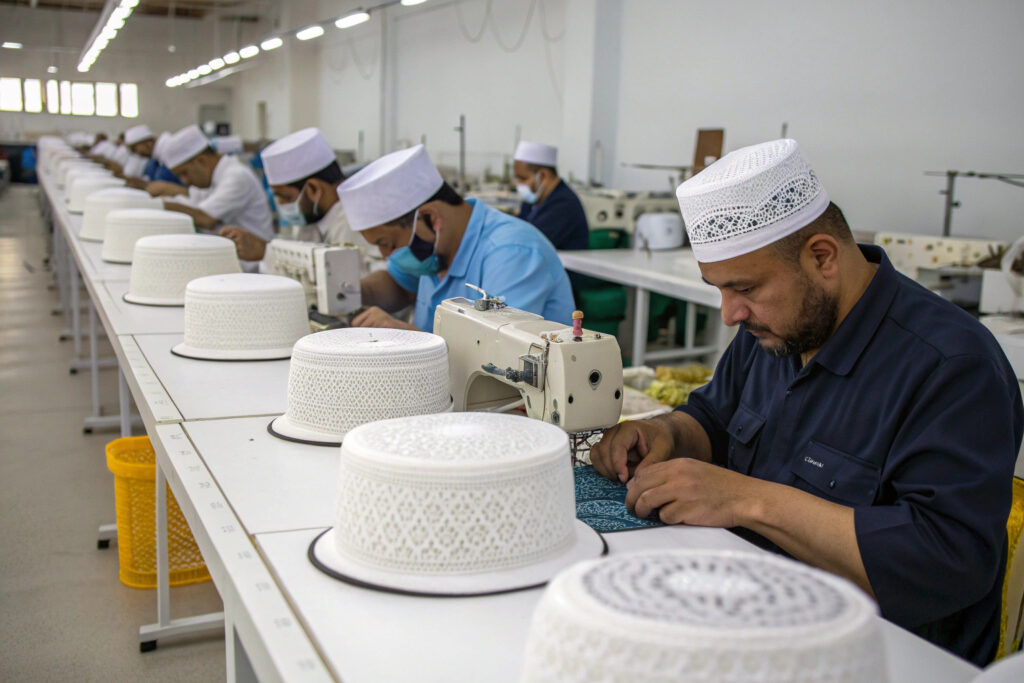
We recommend asking about their previous work with cultural and religious headwear. Question their knowledge of proper sizing and materials. Ask how they ensure cultural accuracy in their designs. In our facility, we maintain a consultation process with cultural advisors to verify design appropriateness. We also provide samples for community feedback before beginning bulk production. This approach ensures the final products meet market expectations and cultural standards.
How to Verify Cultural Competence?
Verifying cultural competence requires looking beyond manufacturing capabilities to assess understanding and respect for the product's significance. Check their portfolio for similar items and ask for references from other cultural market suppliers.
We demonstrate our competence through our work with global Islamic fashion brands and our participation in cultural trade events. Our design team includes members familiar with traditional African and Islamic headwear traditions. We maintain relationships with cultural organizations that provide guidance on appropriate designs and materials. This comprehensive approach ensures we produce Kufi caps that are both well-made and culturally respectful.
What Are the Key Production Considerations?
Producing Kufi caps for cultural markets requires attention to detail that goes beyond standard manufacturing. The production process must balance efficiency with cultural authenticity.
Key considerations include sizing accuracy, material quality, decorative element appropriateness, and packaging that respects the product's cultural significance.
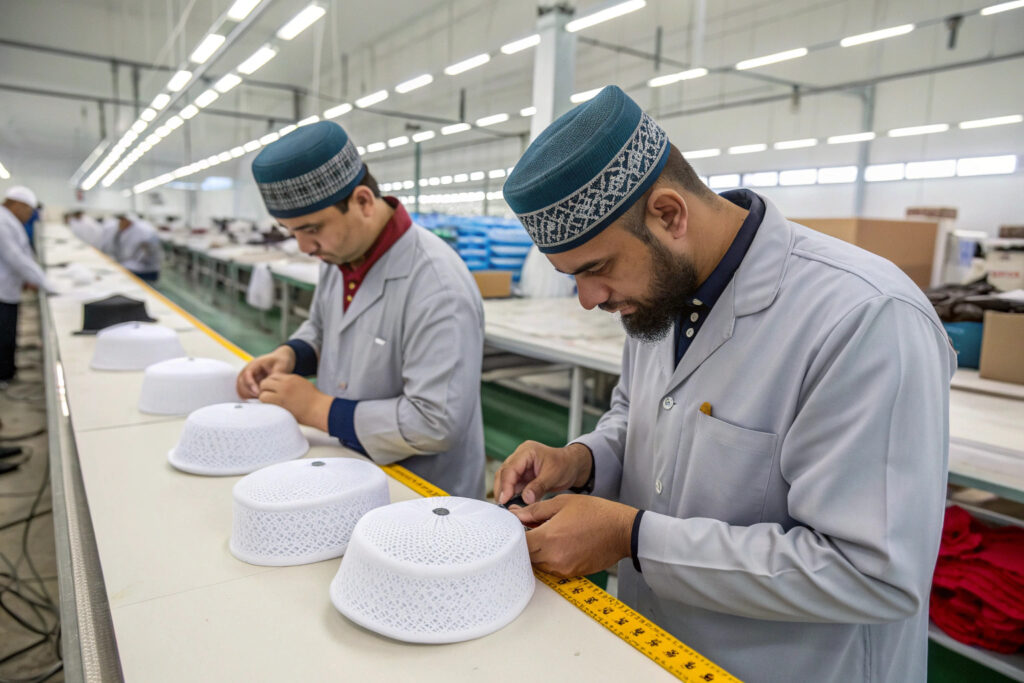
How Important Is Sizing Accuracy?
Sizing accuracy is crucial for Kufi caps, as improper fit affects both comfort and proper wearing according to tradition. Caps that are too tight cause discomfort, while loose caps may not stay in place during prayer.
We produce Kufi caps in graduated sizes rather than one-size-fits-all to ensure proper fit. Our sizing chart includes head circumference measurements from 20 to 24 inches, accommodating both adults and youth sizes. Each cap undergoes individual sizing verification, and we provide size guides to help retailers assist customers. This attention to sizing detail ensures the caps meet functional requirements while respecting their purpose as religious and cultural headwear.
What Quality Standards Apply?
Quality standards for Kufi caps include both technical manufacturing standards and cultural appropriateness. The caps should withstand regular use while maintaining their shape and appearance.
We implement multiple quality checks throughout production. Stitching must be secure and even, with no loose threads. Seams are reinforced in stress areas, and all decorative elements must be securely attached. Our quality control processes include checking for consistent coloring and proper material composition. Additionally, we verify that all designs maintain cultural appropriateness, avoiding any patterns or colors that might be considered disrespectful within the traditions they represent.
How to Approach Market-Specific Sourcing?
Sourcing for cultural markets requires understanding regional variations in style and preference. Kufi caps vary across different communities and geographic regions.
Successful sourcing involves recognizing these variations, understanding local preferences, and working with manufacturers who can accommodate regional differences.

What Are the Regional Style Variations?
Regional style variations in Kufi caps reflect local traditions, materials, and aesthetic preferences. Understanding these differences helps target specific market segments effectively.
We've identified several key regional variations. West African markets often prefer embroidered caps with intricate geometric patterns, while North African styles tend toward simpler designs in lighter colors. Southeast Asian markets frequently choose songkok-style caps with sharper angles. Our production accommodates these variations through flexible manufacturing processes and regional-specific design expertise. This allows us to serve diverse cultural markets with appropriate, authentic designs.
How to Develop Culturally Appropriate Marketing?
Marketing Kufi caps requires cultural sensitivity and understanding of the market's values. The approach should emphasize quality, authenticity, and respect for tradition rather than treating the product as a fashion trend.
We recommend working with cultural consultants to develop appropriate marketing materials. Photography should show the caps being worn properly in respectful contexts. Product descriptions should highlight authentic features and quality craftsmanship. Our clients benefit from our experience with cultural marketing guidelines and our network of cultural advisors who review marketing materials for appropriateness. This careful approach builds trust with the target market and demonstrates genuine respect for their traditions.
Conclusion
Sourcing Kufi caps for cultural markets requires a balanced approach that respects tradition while leveraging modern manufacturing capabilities. The key is finding partners who understand the cultural significance of these items and can produce them with appropriate designs, materials, and quality standards.
Success in this market comes from genuine respect for the product's cultural role combined with reliable manufacturing and sourcing practices. The right manufacturer becomes a trusted partner in serving this important market segment.
Ready to source authentic Kufi caps with cultural sensitivity and manufacturing excellence? Contact our Business Director Elaine today to discuss your specific needs. Her email is elaine@fumaoclothing.com. Let's create culturally appropriate headwear that honors tradition while meeting modern market demands.