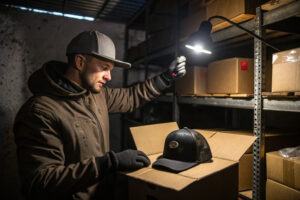
Navigating US safety certification requirements for hats can be complex, as different standards apply based on the hat's intended use, materials, and target market. Whether producing fashion headwear, protective headgear, or children's products, understanding which certifications apply and how to obtain them is crucial for legal compliance and market access.
US-compliant safety certifications for hats primarily involve CPSIA compliance for children's products, flammability standards for all wearing apparel, specific safety standards for protective headgear, and voluntary certifications that enhance marketability. The certification process varies significantly between general fashion headwear and specialized protective equipment.
Identifying the correct certification requirements early in the design process prevents costly revisions and ensures products meet all legal obligations before reaching the US market.
What CPSIA Requirements Apply to Children's Hats?
The Consumer Product Safety Improvement Act (CPSIA) establishes mandatory safety standards for all children's products sold in the United States, including hats intended for children 12 years and under. Understanding these requirements is essential for manufacturers and importers.
CPSIA compliance for children's hats involves third-party testing for lead content, phthalates, and mechanical hazards, along with proper labeling and documentation. Each element requires specific testing protocols and certification procedures.

How to Verify Lead Content Compliance?
Lead content restrictions represent a core CPSIA requirement that applies to all components of children's hats, including fabrics, dyes, plastics, and metal hardware.
The CPSIA mandates that children's products must contain less than 100 parts per million (ppm) of lead in any accessible component. Our compliance process involves third-party testing by CPSC-accepted laboratories using standardized testing methods like ASTM F2853 for lead content verification. Manufacturers must maintain detailed component records and test reports for all materials and trims used in children's hats. The most efficient approach involves testing materials before production and maintaining vendor compliance documentation to streamline the final product certification process.
What Phthalates Testing is Required?
Phthalates restrictions apply specifically to plastic components in children's hats, including plastic snaps, adjustable straps, and certain coated fabrics.
Current CPSIA regulations permanently ban eight specific phthalates at levels exceeding 0.1% in any children's toy or childcare article. Our certification process requires CPSC-accepted laboratory testing using CPSC-CH-C1001-09.4 or equivalent methods to verify compliance. Manufacturers must ensure that all plastic components—including PVC stabilizers sometimes used in hat brims or stiffeners—comply with these strict limitations. The most reliable approach involves sourcing phthalate-free materials from certified suppliers and conducting pre-production verification testing.
Which Flammability Standards Apply to All Hats?
The Flammable Fabrics Act establishes mandatory flammability standards for most wearing apparel sold in the US, including fashion hats and headwear. Understanding these requirements is essential for all hat manufacturers and importers.
General wearing apparel flammability standards apply to most hats, with specific exceptions for protective headgear and certain specialty items. Compliance involves testing and maintaining proper documentation.
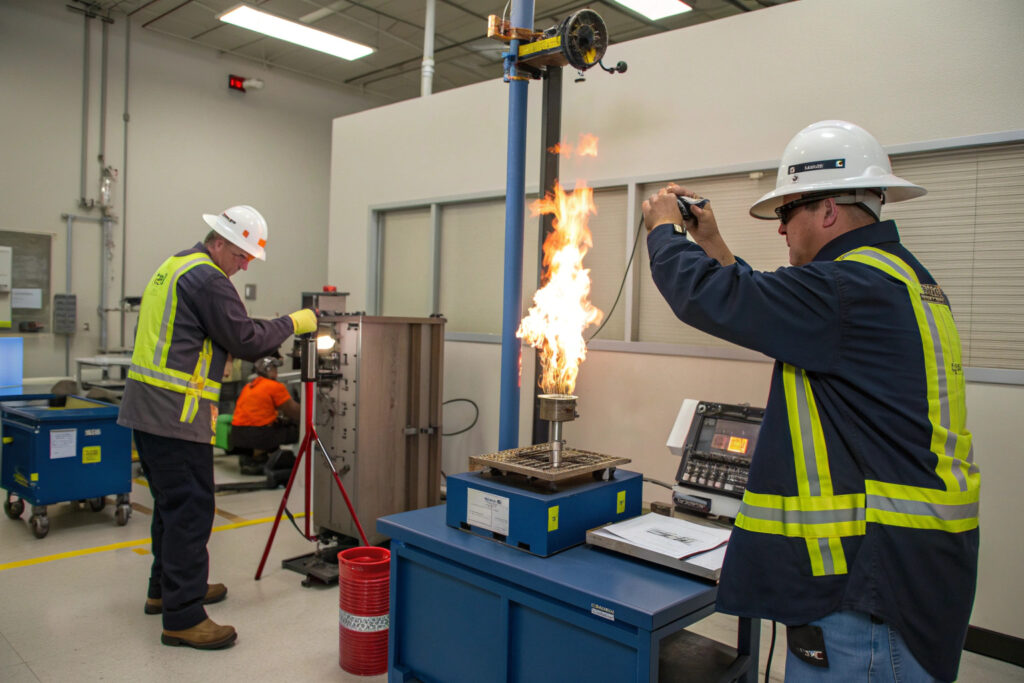
What is the 16 CFR Part 1610 Standard?
The Code of Federal Regulations establishes the specific flammability testing requirements that apply to most hats and clothing items sold in the United States.
16 CFR Part 1610 establishes the Standard for the Flammability of Clothing Textiles that applies to most hats and headwear. The standard uses a 45-degree micro-scale test method to classify fabrics into three flammability classes. Our compliance process involves testing representative fabric samples from each hat style and material combination to ensure they meet Class 1 normal flammability requirements. Manufacturers must maintain test reports and compliance documentation for CPSC inspection and maintain records for three years after production.
Are There Exceptions to General Flammability Requirements?
Certain types of hats and materials qualify for exemptions from standard flammability testing, though documentation of exemption eligibility is still required.
The CPSC recognizes exemptions for hats made entirely from certain natural fibers including plain-surface fabrics of 100% acrylic, modacrylic, nylon, olefin, polyester, or wool. Our compliance review process includes fiber content verification and documentation of exemption eligibility for qualifying products. However, hats with raised fiber surfaces, brushed fabrics, or certain blends typically require full flammability testing regardless of fiber content. The most cautious approach involves testing all hat materials unless clear exemption documentation exists.
What Certifications Apply to Protective Headgear?
Hats marketed as protective equipment—including safety helmets, hard hats, and sports protective headgear—must meet specific performance standards beyond general apparel requirements. These certifications are mandatory for products claiming protective benefits.
Protective headgear certifications vary by intended use and protection claims, with different standards applying to occupational, sports, and recreational safety headwear.
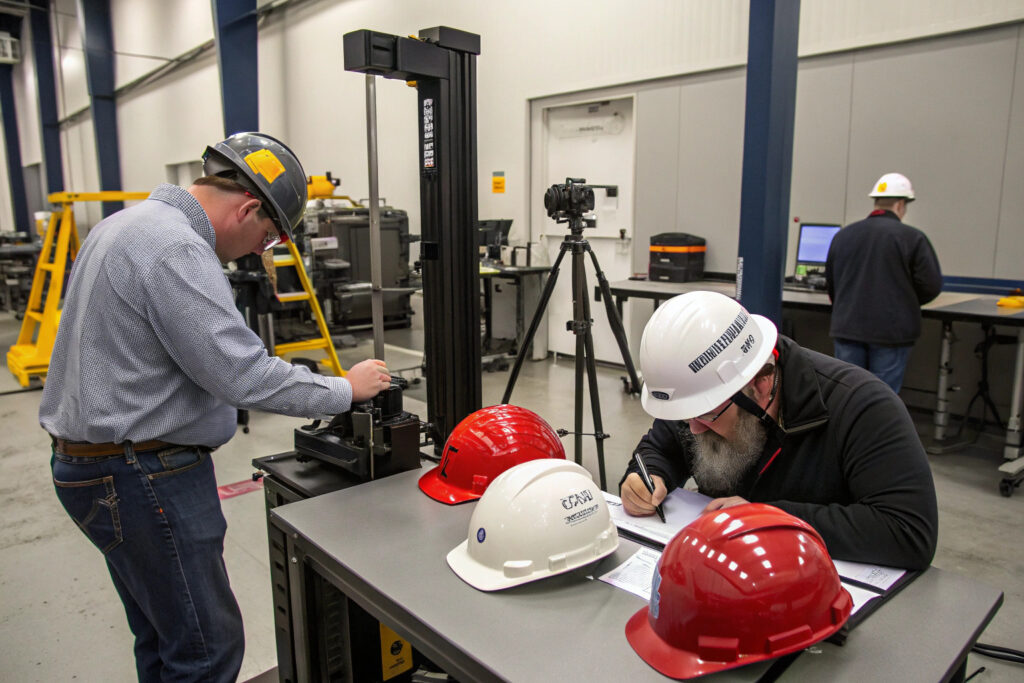
When Does ANSI/ISEA Z89.1 Apply?
The American National Standard for Industrial Head Protection establishes requirements for occupational protective helmets (hard hats) used in workplace environments.
ANSI/ISEA Z89.1 applies to industrial safety helmets designed for workplace head protection. Our certification process for industrial hats involves testing by OSHA-recognized laboratories for impact protection, penetration resistance, and electrical insulation according to Type I or Type II classifications. Manufacturers must maintain test documentation and certification marks demonstrating compliance with the current standard version. Products meeting these requirements typically display ANSI Z89.1 certification markings on the helmet shell indicating type, class, and manufacturer information.
What Sports Safety Certifications Are Recognized?
Various sports and recreational activities have specific helmet certification requirements that apply to protective headgear marketed for athletic use.
Different sports require different certifications: bicycle helmets must comply with CPSC 16 CFR Part 1203 or ASTM F1447; equestrian helmets typically meet ASTM F1163; ice hockey helmets require HECC certification or ASTM F1045. Our certification process for sports headgear involves identifying the appropriate standard for the intended activity and protection claims, then testing through recognized laboratories to verify compliance. Manufacturers must ensure all performance claims align with certified capabilities and maintain proper certification markings and documentation for each product line.
How to Obtain and Verify Certifications?
The certification process involves specific steps from testing to documentation, with verification requirements varying by product type and certification standard. Understanding this process ensures compliance and prevents market access issues.
Certification acquisition involves product testing, documentation preparation, certification issuance, and ongoing compliance monitoring. Each step requires specific expertise and procedures.
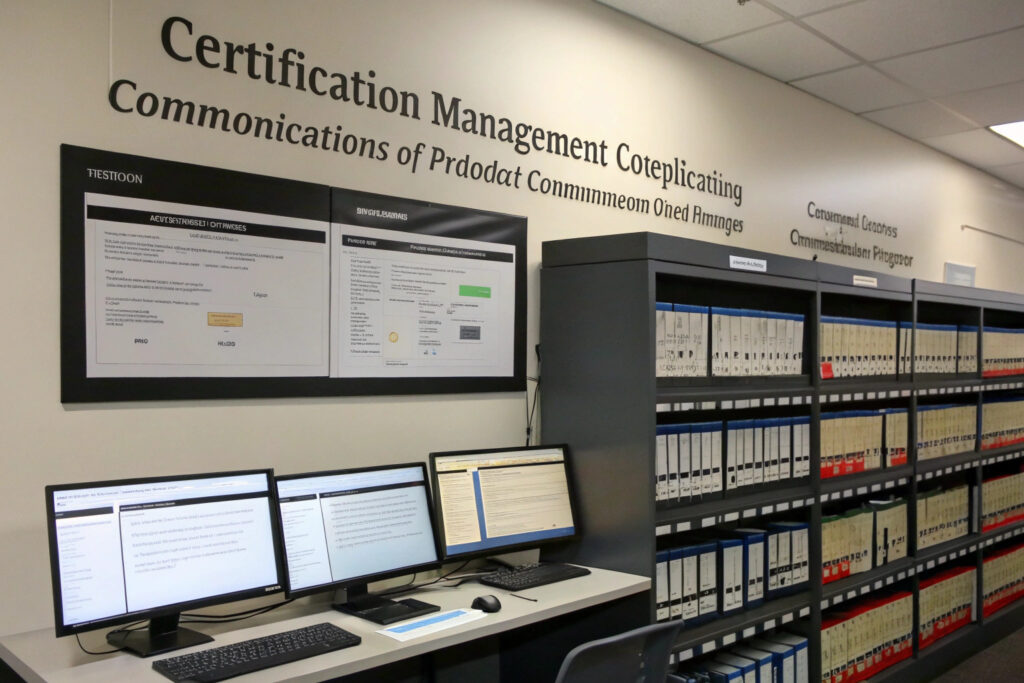
What is the Children's Product Certificate Process?
The CPC represents the formal certification document required for all children's products, including hats intended for children 12 years and under.
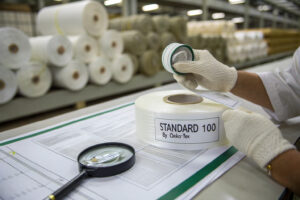
The Children's Product Certificate (CPC) is a document that manufacturers and importers must issue certifying that their children's product complies with all applicable children's product safety rules. Our CPC preparation process includes gathering all required test reports from CPSC-accepted laboratories, compiling product and manufacturer information, and preparing the certificate in required format. The certificate must be available to CPSC and distributors upon request and must be based on testing of sufficient samples to provide reasonable assurance of compliance.
How to Verify Third-Party Laboratory Accreditation?
Using properly accredited testing laboratories is essential for valid certifications, particularly for children's products requiring third-party testing.
CPSC-accepted laboratories for children's product testing must be accredited to ISO/IEC 17025 and specifically accepted by the CPSC for the applicable tests. Our laboratory verification process includes checking the CPSC list of accepted laboratories and verifying specific test method accreditation. For general conformity certificates for non-children's products, testing can be conducted by any competent laboratory, though ISO 17025 accreditation provides additional assurance of testing quality.
Conclusion
US-compliant safety certifications for hats require understanding the specific standards that apply based on the product's intended use, target market, and safety claims. Children's hats demand the most rigorous certification process with mandatory third-party testing and CPC requirements, while general wearing apparel must meet flammability standards, and protective headgear requires specialized certifications based on intended protection.
The most successful certification strategy involves identifying applicable requirements early in the design process, working with properly accredited testing laboratories, maintaining thorough documentation, and understanding the distinction between mandatory certifications and voluntary standards that enhance marketability.
Need assistance navigating US safety certification requirements for your hat products? Contact our Business Director Elaine today to discuss our compliance expertise and testing coordination services. Her email is elaine@fumaoclothing.com. We help manufacturers ensure their headwear meets all applicable US safety standards while streamlining the certification process.