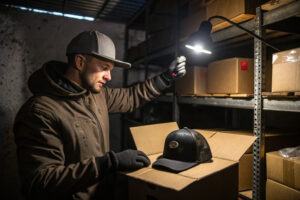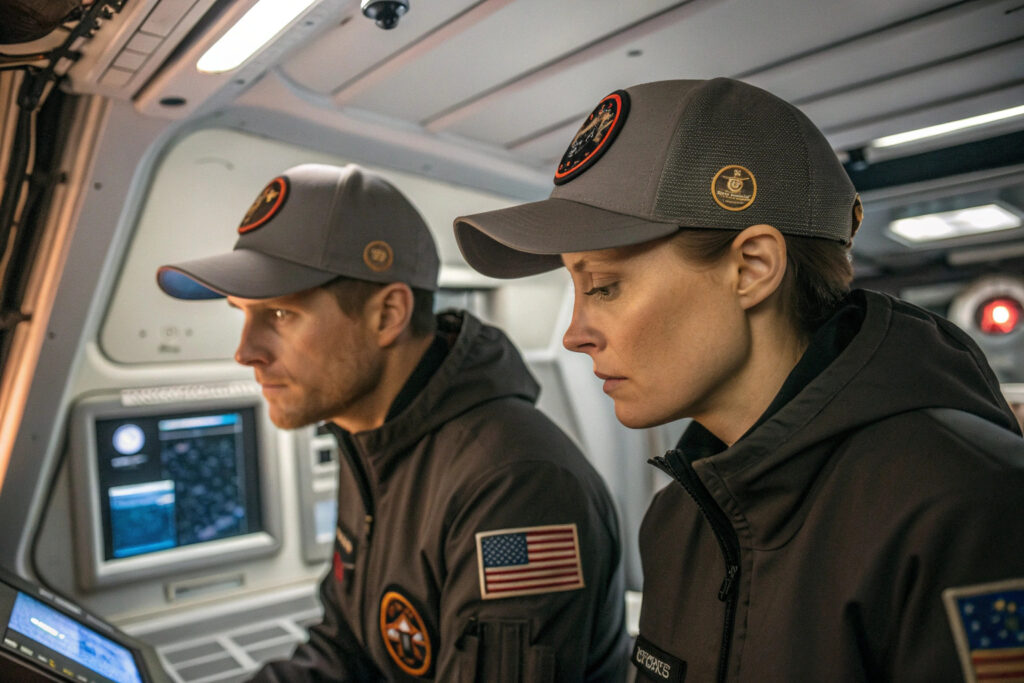
As a project manager for a Mars simulation, you are responsible for creating an environment that is as realistic and immersive as possible. Every piece of equipment, from the habitat modules to the crew's uniforms, must be chosen for its function, durability, and psychological impact. When it comes to headwear for "off-duty" time inside the habitat or for specific "EVA" (Extra-Vehicular Activity) support tasks, you need more than just a standard cap. You need a hat that feels like part of a real astronaut's issued gear.
The top hat styles for Mars simulation projects are the military-style boonie hat for simulated outdoor excursions and the low-profile "mechanic" or "operator" style baseball cap for indoor, off-duty wear. These styles are ideal because they prioritize function, durability, and a professional, non-frivolous aesthetic that aligns with the serious, mission-focused environment of a space program.
At my company, Shanghai Fumao Clothing, we've produced uniforms and headwear for a vast range of technical and industrial applications. Outfitting a simulated Martian crew is a fascinating challenge that sits at the intersection of performance gear and psychological costuming. The headwear must be practical for the simulated environment (which could be a desert in Utah or a volcanic landscape in Hawaii) while also reinforcing the crew's identity as astronauts on a mission far from home. Let's break down why these specific, utilitarian styles are the best fit for your Martian pioneers.
Why Is the Boonie Hat Essential for "Mars" Excursions?
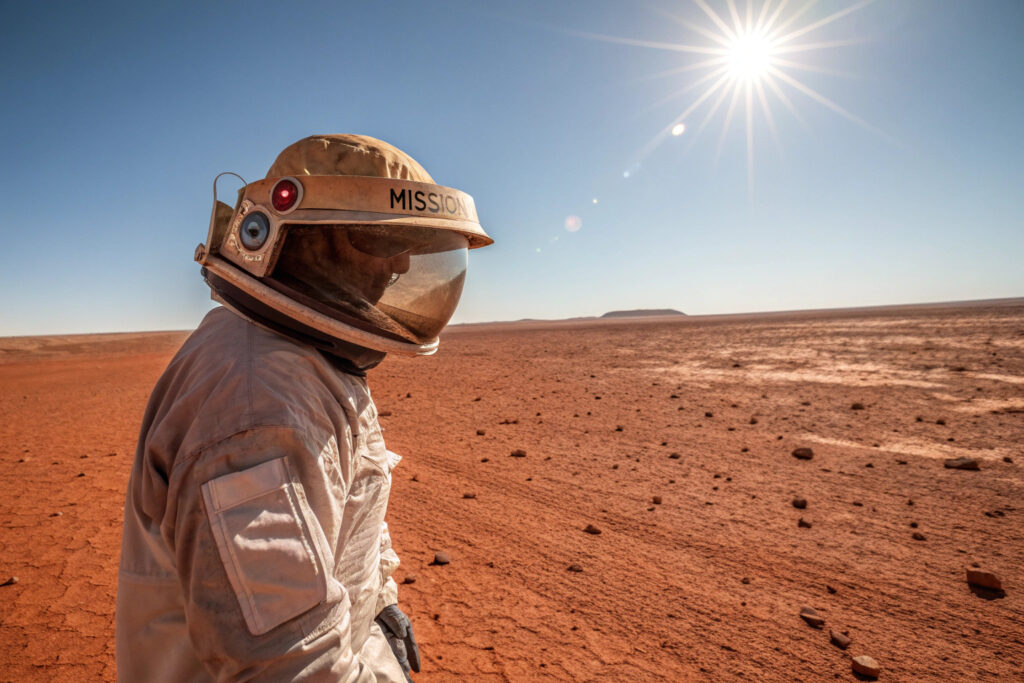
During any Mars simulation, crews conduct "EVAs" in analog environments that mimic the Martian surface—often harsh, sun-beaten deserts or volcanic fields. While they might wear a full helmet for primary missions, there are many support tasks, geological surveys, or maintenance activities where a helmet is impractical, but protection is still critical.
The military-style boonie hat is the perfect solution for these simulated outdoor activities. Its 360-degree brim provides comprehensive protection from the intense sun found in desert environments, shielding the face, ears, and neck. Its rugged construction and utilitarian features make it feel like a piece of genuine field equipment, enhancing the realism of the simulation and providing tangible, necessary protection against the elements.
How Does It Provide Mission-Critical Protection?
In the desert locations used for Mars simulations (like the Mars Desert Research Station in Utah), there is no shade and UV exposure is extreme. The boonie's wide brim is the first line of defense against sunburn and heatstroke, two very real-world risks that can derail a simulation. Furthermore, the hat provides a physical barrier against windblown dust and sand, which can be a major issue in these environments. We manufacture these hats from durable, tightly woven materials like nylon-cotton (NYCO) ripstop, the same fabric used in military uniforms, ensuring it can withstand the abrasive conditions.
What Functional Features Are Non-Negotiable?
A boonie for this purpose must have several key features. First, an adjustable chin strap is absolutely mandatory to secure the hat in the high winds common to desert landscapes. Second, it should have a "scrim" or MOLLE-style webbing band around the crown. While originally for camouflage in a military context, in a simulation, this is perfect for attaching small, lightweight tools, data clips, or even a small camera. Finally, brass or mesh ventilation eyelets are crucial for allowing heat to escape, helping to regulate the wearer's temperature during strenuous activity.
Why Is the Operator Cap the Right Choice for "Off-Duty" Wear?
Inside the habitat, the crew needs a standard piece of headwear that is comfortable, functional, and reinforces their team identity. A standard, high-profile baseball cap with a sports logo feels out of place and breaks the immersion.
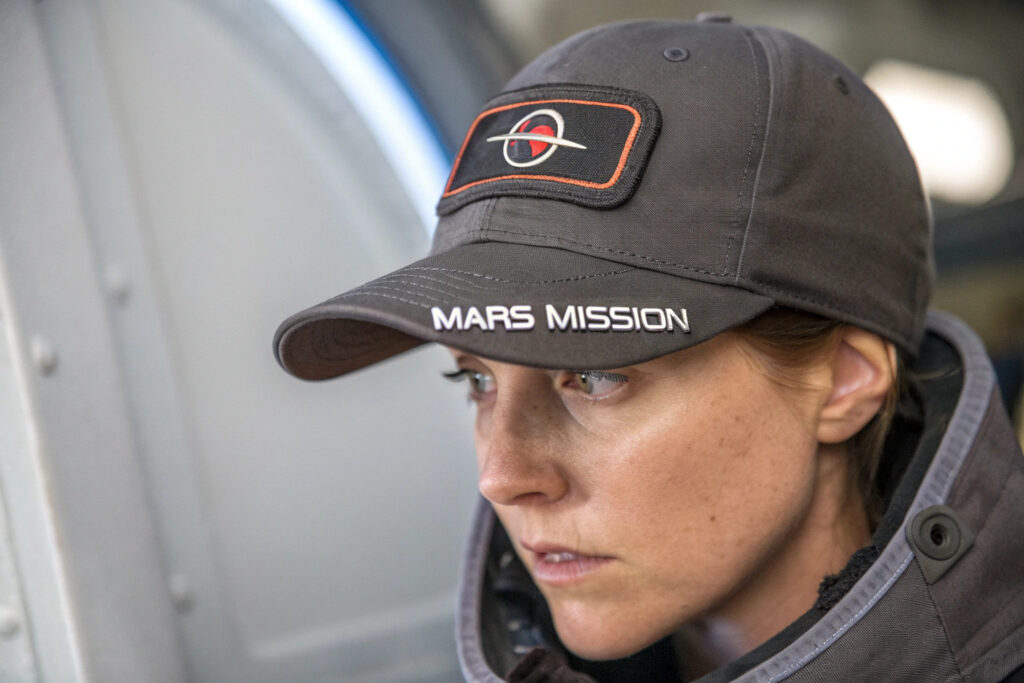
The "operator" or "mechanic" style cap is the ideal choice for indoor and off-duty wear. This style is a low-profile, unstructured or lightly structured baseball cap that favors function over flashy branding. It's the type of hat you'd see worn by special forces, technicians, or flight crews. Its understated, professional look makes it feel like a piece of an official uniform, perfect for the close-quarters, team-focused environment of a simulation habitat.
What Defines an "Operator" Cap?
Unlike a typical baseball cap, an operator cap often replaces the top button (which can be a pressure point when wearing headsets) with a small Velcro patch. The key feature is the use of Velcro or loop panels on the front, top, and back of the cap. This allows for the attachment of removable mission patches, team identifiers, or even low-light IR strobes in a real-world tactical scenario. For a simulation, this modularity is fantastic. Crew members can have patches for their specific mission number, their role (e.g., "Commander," "Geologist"), or the overall program logo.
Why Is a Low-Profile, Unstructured Design Better?
A low-profile, unstructured design is more comfortable for long-term wear inside a habitat. It conforms better to the head and doesn't have the rigid, tall front panels of a trucker or fashion cap. This makes it more comfortable to wear when leaning back against a headrest or working in tight spaces. At Shanghai Fumao Clothing, we can craft these from soft yet durable materials like cotton twill or a lightweight canvas, ensuring they are comfortable enough to be worn for an entire "sol" (a Martian day). This focus on long-term comfort is a key principle of ergonomic design.
What Are the Key Customization Requirements for a Mission?
For a simulation project, the hats are not just hats; they are part of the narrative and the team's identity. The customization must be precise, professional, and consistent across all crew gear.
The branding must look official and technical, not like commercial merchandise. This means focusing on high-quality, embroidered mission patches, a specific and consistent color palette, and the potential for individual crew identification.
How Should Mission Patches Be Designed and Applied?
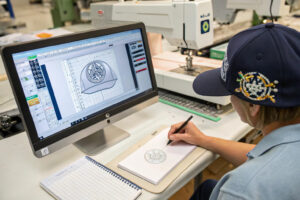
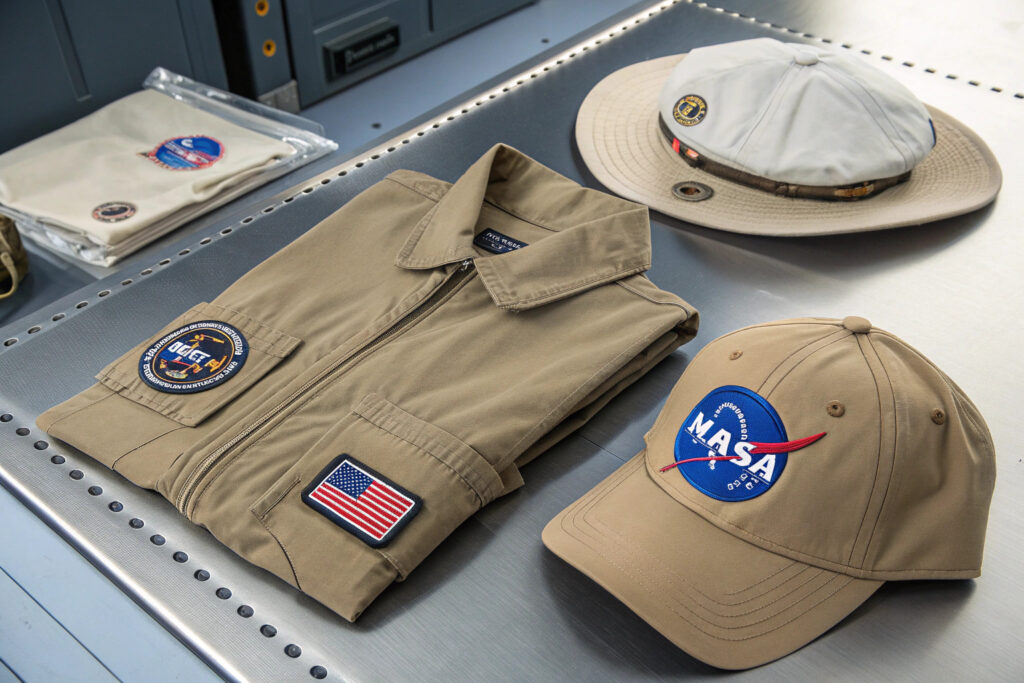
The mission patch is the heart of the crew's identity. It should be designed with the gravitas of a real NASA mission patch. For application, direct embroidery onto the hat provides a permanent, high-quality finish. However, for operator caps, creating the patch as a separate, Velcro-backed embroidered or PVC patch is more authentic. This allows patches to be swapped out and gives the gear a functional, modular feel. The quality of the embroidery must be extremely high, with no loose threads or imprecise details.
What Colors and Materials Enhance Realism?
Stick to a palette of utilitarian, space-agency-approved colors. Think "NASA grey," desert tan, olive drab, or a deep navy blue. Avoid bright, primary colors unless they are a specific, small accent in the mission patch. The materials should be robust and functional. As mentioned, NYCO ripstop for the boonie hat and a durable cotton twill for the operator cap are excellent choices. The goal is to create gear that looks like it was chosen by engineers for its performance, not by a marketing team for its fashion appeal.
What Other Headwear Is Needed in a Simulation?
While the boonie and operator cap are the primary styles, a comprehensive simulation needs to consider all aspects of life on "Mars," including downtime, exercise, and hygiene.
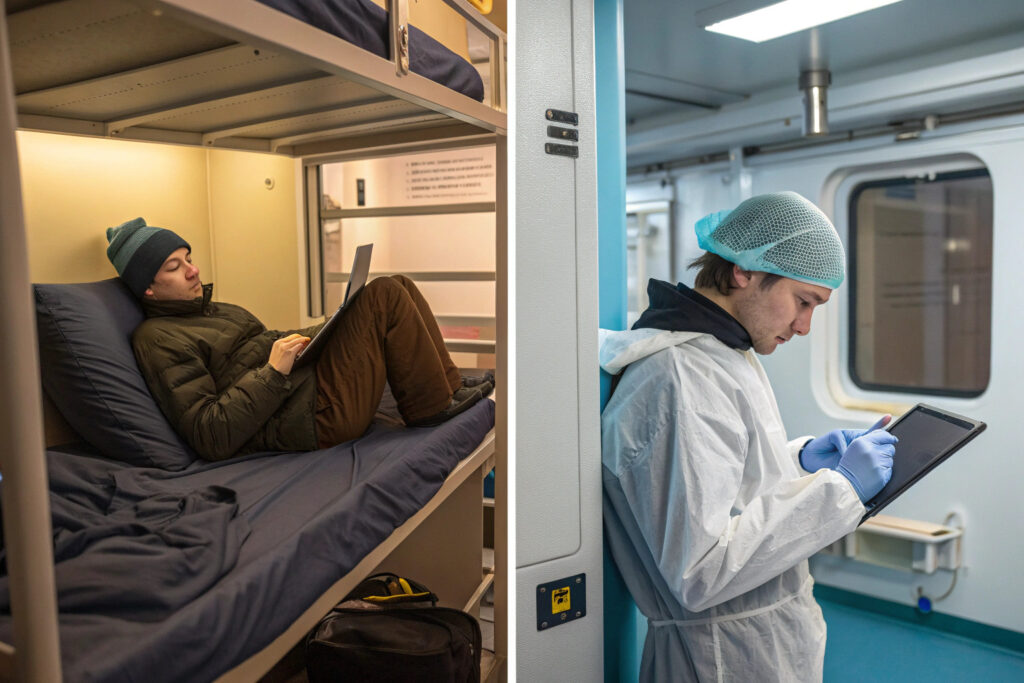
Other essential headwear includes a thermal beanie for cold nights in the habitat (power might be conserved, leading to cooler temperatures) and a shower or hygiene cap. These items add another layer of realism to the daily life of the crew.
Why Is a Beanie Still Necessary?
Even inside a habitat, temperatures can fluctuate, especially during "night" cycles when energy consumption is minimized. A simple, lightweight beanie made from fleece or merino wool is a crucial comfort item for sleeping or relaxing in cooler temperatures. It's a small detail that adds significantly to the crew's comfort and the simulation's fidelity, acknowledging the challenges of thermal management in a closed environment.
What Is the Role of a Hygiene Cap?
In a closed-loop environment where water and resources are precious, and in areas like a medical bay or a food-growth lab, maintaining sterility is paramount. A simple, disposable-style (or reusable, washable) hygiene cap is an important part of lab protocols. It prevents hair from contaminating experiments or food supplies. Including these in the issued gear reinforces the strict procedures and professionalism required of a real astronaut crew.
Conclusion
Outfitting a Mars simulation project requires a deep understanding of both function and psychology. The headwear chosen must protect the crew from the real-world hazards of the analog environment while simultaneously reinforcing their identity as a unified, professional astronaut team. The rugged, protective boonie hat for outdoor excursions and the functional, team-oriented operator cap for life inside the habitat are the two cornerstone styles that perfectly meet these needs. By focusing on high-quality materials, mission-specific customization, and a utilitarian aesthetic, you can provide your crew with gear that enhances both their safety and the immersive realism of their incredible journey.
If you are managing a space simulation project and require a manufacturing partner who can deliver high-fidelity, customized headwear that meets your exacting standards, my team is ready for the mission. Please contact our Business Director, Elaine, at elaine@fumaoclothing.com to discuss your project's specific requirements.