You're planning the adventure of a lifetime: a trip to see a volcano. Whether you're hiking the cooled lava fields of Iceland, peering into the crater of Mount Etna, or watching the glow of Kīlauea from a safe distance, you know this is an environment unlike any other. You're packing your gear, but you pause on one item: your hat. A simple baseball cap seems inadequate, and a winter beanie feels wrong for a tropical location. What's the right choice for this unique, demanding environment?
The best hat styles for volcano tourism are a wide-brimmed boonie hat for daytime protection and a thermal beanie for cold summits and nighttime viewing. These two styles provide the essential, non-negotiable protection required: the boonie shields you from intense, high-altitude sun and falling ash, while the beanie guards against the dramatic temperature drops and biting winds common at elevation.
As a hat manufacturer with over two decades of experience at Shanghai Fumao Clothing, I've equipped adventurers for every environment on Earth. Volcano tourism presents a fascinating challenge, combining the hazards of intense sun, unpredictable wind, potential ashfall, and extreme temperature swings. Your headwear isn't just an accessory here; it's a critical piece of safety equipment. Let's break down why these two hat styles are your essential companions for this fiery adventure.
Why Is a Wide-Brimmed Boonie Your Daytime Essential?
During the day, a volcanic landscape is one of the most exposed environments you can be in. There is often no tree cover, and the dark lava rock can absorb and radiate the sun's heat, intensifying your exposure. You might think a simple cap is enough, but the sun's rays and other elements don't just come from above.
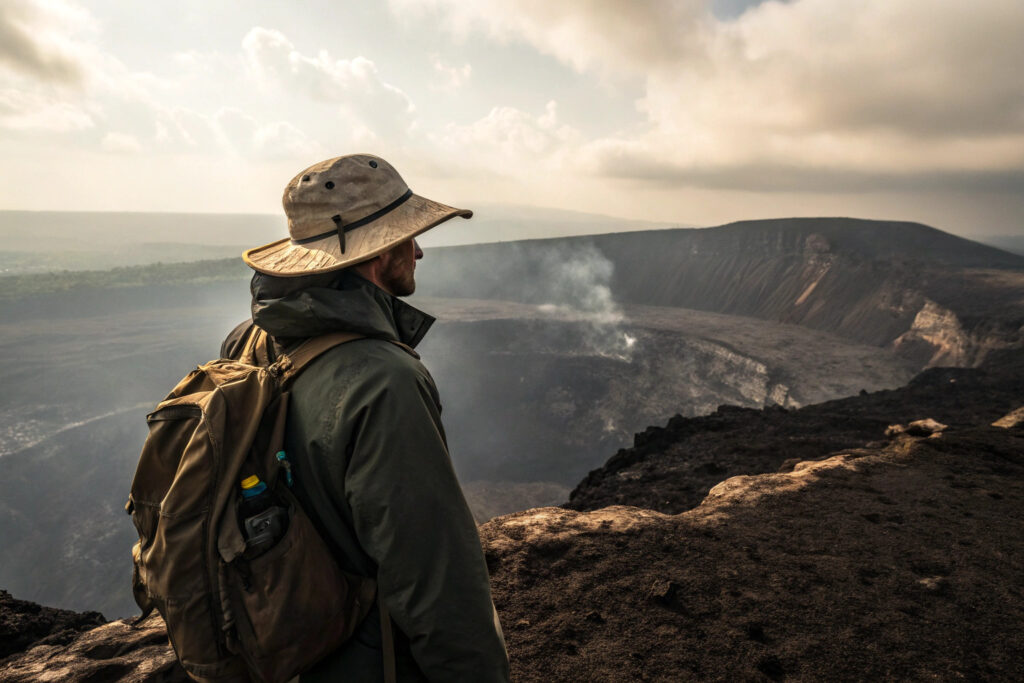
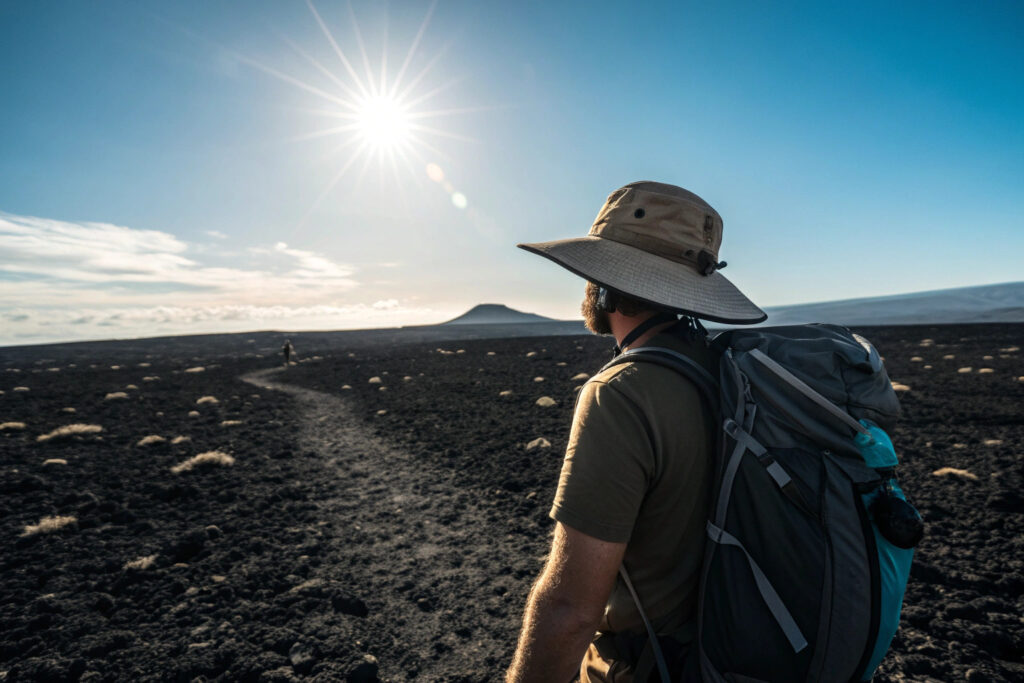
A wide-brimmed boonie hat is the superior choice for daytime volcano exploration because it provides 360-degree protection. It shields your face, ears, and the back of your neck from relentless UV radiation, which is stronger at higher altitudes. Furthermore, its sturdy construction and functional design offer a defense against other volcanic hazards, making it a true piece of personal protective equipment (PPE).
How Does It Protect from More Than Just Sun?
While sun protection is its primary job, a boonie hat also serves as a crucial first line of defense against light ashfall. Fine volcanic ash and dust can be highly irritating to your scalp and hair. The wide brim helps to keep this particulate matter away from your face and head. We construct our boonie hats from tightly woven, durable fabrics like cotton canvas or nylon ripstop. These materials are not only tough enough to handle abrasive environments but also dense enough to block fine dust. This is a practical application of material science that directly addresses a unique environmental hazard.
What Are the Non-Negotiable Functional Features?
A boonie hat for volcano tourism must have two critical features. First is an adjustable chin strap with a cord lock. Volcanic summits and ridges are notoriously windy. A chin strap is the only thing that will keep your hat from being ripped from your head and sent flying into the crater. Second, look for a hat with a moisture-wicking sweatband. Hiking on exposed lava rock can be hot work, and a high-quality sweatband will manage perspiration, keeping sweat out of your eyes and ensuring you remain comfortable and focused on your footing. This focus on functional apparel is what separates true gear from simple fashion.
Why Is a Thermal Beanie a Must-Pack Item?
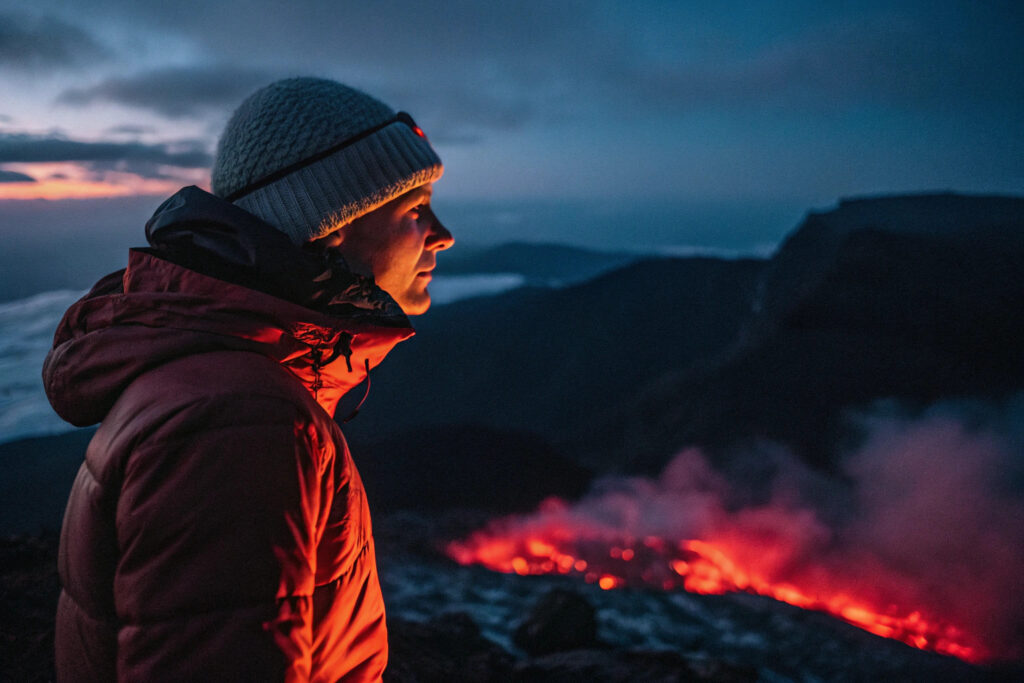
You might be visiting a volcano in a tropical location like Hawaii or Indonesia and think a warm hat is absurd. This is a classic, and potentially dangerous, mistake. As you ascend a volcano, the temperature can drop dramatically. An ascent of 1,000 meters (about 3,300 feet) can lead to a temperature drop of 6.5°C (12°F) or more.
A thermal beanie is an essential, life-saving piece of gear for any volcano trip that involves reaching the summit or nighttime viewing. The extreme cold and biting winds at high altitudes, especially before dawn or after dusk, can quickly lead to hypothermia. A beanie provides critical insulation by preventing heat loss from your head, which is one of the areas of the body that loses heat most rapidly.
What Are the Best Materials for a Thermal Beanie?
For this purpose, not all beanies are created equal. Avoid simple cotton beanies, as they lose all insulating properties when they get damp from sweat or mist. The best materials are merino wool or performance fleece. Merino wool is a natural wonder: it's incredibly warm for its weight, breathable, moisture-wicking, and stays warm even when damp. Performance fleece (like Polartec®) is a synthetic option that is also lightweight, quick-drying, and provides excellent insulation. At Shanghai Fumao Clothing, we strongly recommend these technical materials for any headwear intended for serious outdoor use.
How Should It Fit for Maximum Effectiveness?
Your beanie should have a snug, close fit that fully covers your ears. A loose or slouchy beanie can let cold wind in and offers less effective insulation. The goal is to trap a layer of warm air close to your scalp. A simple, classic cuffed beanie is often the best choice, as the cuff provides a double layer of fabric over the ears for extra protection against biting wind. This isn't about fashion; it's about thermal dynamics and personal safety, a core principle of cold weather survival.
What Other Hat Styles Could Be Considered?
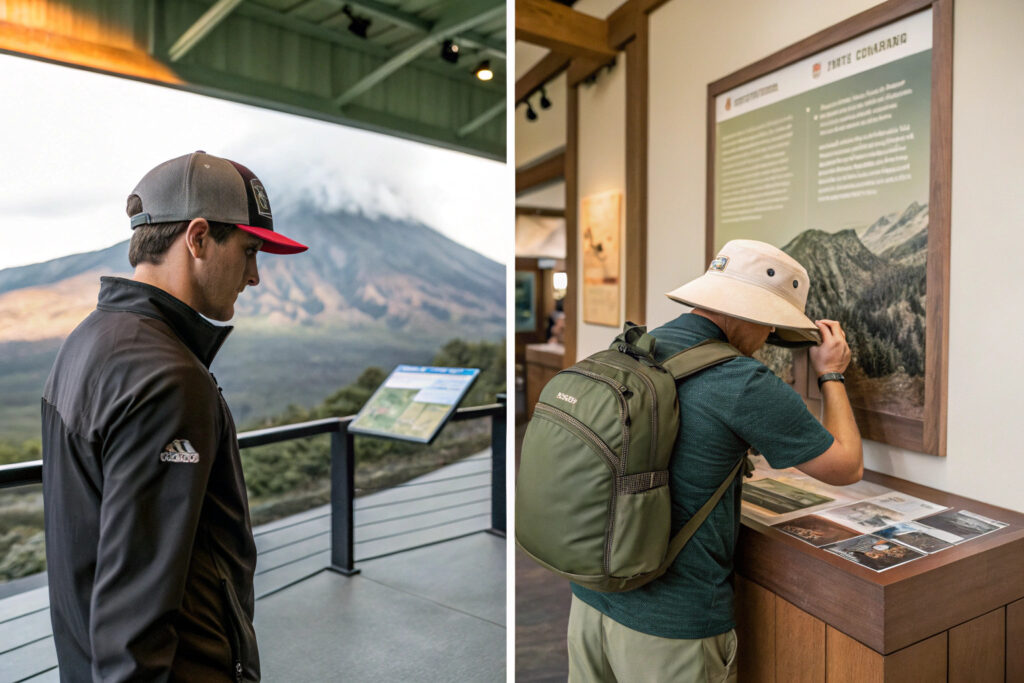
While the boonie and beanie are your primary workhorses, there are other styles that can serve a purpose, especially for less extreme volcano-related activities, like visiting a national park visitor center or a casual walk on a well-paved path.
For these less demanding situations, a performance baseball cap or a crushable bucket hat can be excellent choices. They offer a balance of protection, style, and convenience that might be perfect for the more casual parts of your volcanic adventure.
When Is a Performance Baseball Cap a Good Option?
A performance baseball cap is a great choice for lower-altitude trails and visitor center areas. Made from lightweight, moisture-wicking polyester, it's more breathable and comfortable than a standard cotton cap. It provides good shade for your face and is perfect for shorter excursions where you don't need the full 360-degree coverage of a boonie hat. Look for one with a dark underbrim to reduce glare and a comfortable, adjustable strap for a secure fit.
What Is the Advantage of a Crushable Bucket Hat?
A crushable bucket hat offers a fantastic balance of protection and packability. Made from soft, unstructured materials like cotton or nylon, it can be rolled up and stuffed into a pocket or backpack without losing its shape. This makes it an incredibly convenient option to bring as a backup or for variable weather conditions. While it may not have the stiff, protective brim of a boonie, it still provides excellent 360-degree sun coverage, making it a versatile and practical choice for many parts of a volcanic tour.
How to Choose the Right Hat for Your Specific Trip?
You know the best styles, but the final choice depends on the specifics of your destination. A trip to see the geysers in Yellowstone requires different gear than a multi-day trek up Mount Fuji.
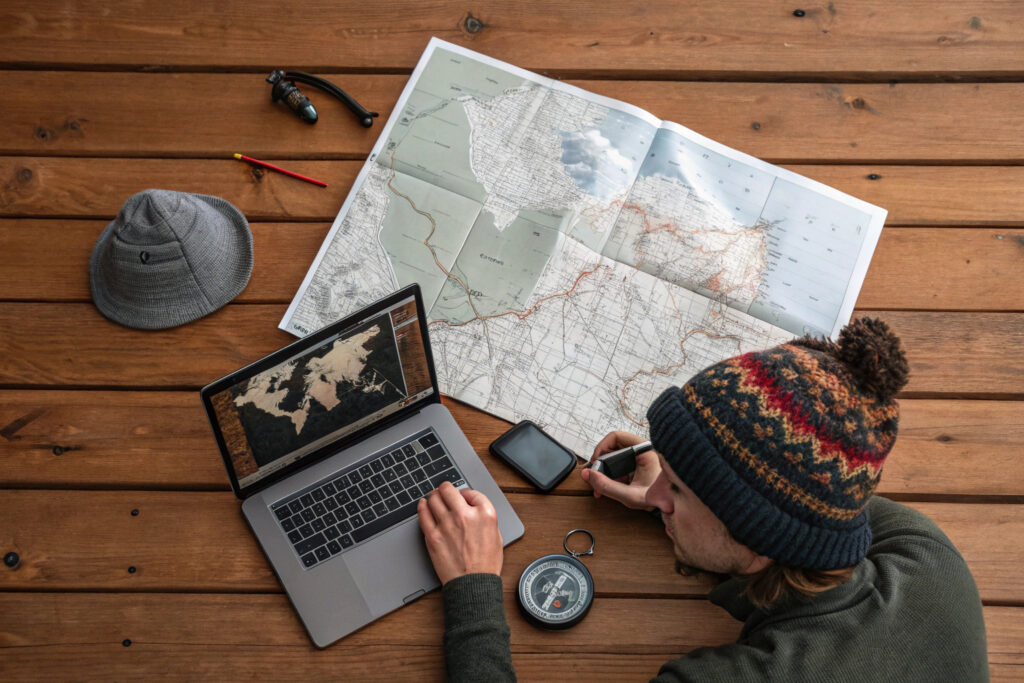
To make the right choice, you must research your destination's specific conditions. Check the altitude of the areas you'll be visiting, the typical weather patterns for that time of year, and the rules and recommendations of the national park or tour operator. This research will tell you whether you need to prioritize sun protection, wind resistance, or cold-weather insulation.
How Does Altitude Affect Your Choice?
Altitude is the single most important factor. The higher you go, the stronger the UV radiation and the colder and windier it will be. For any trip that involves ascending to a summit over 2,000 meters (approx. 6,500 feet), a thermal beanie is non-negotiable, even in the tropics. For lower-altitude lava fields, like those in Hawaii Volcanoes National Park, a UPF-rated boonie hat will be your most-used piece of gear.
What Role Does the Type of Activity Play?
Consider what you'll actually be doing. For a strenuous, multi-hour hike across exposed terrain, the full protection of a boonie hat is essential. For a short, guided tour on a paved path, a performance baseball cap might be sufficient. If your trip involves nighttime or pre-dawn viewing, a beanie is a must. Always pack for the most extreme part of your planned itinerary. It's always better to have a warm hat and not need it than to need one and not have it. This is the fundamental principle of the 10 Essentials of hiking.
Conclusion
Your headwear for volcano tourism is a critical component of your safety and comfort system. Don't leave it as an afterthought. The two most essential styles to pack are a wide-brimmed boonie hat for powerful sun and ash protection during the day, and a thermal beanie made from merino wool or fleece to combat the inevitable cold at high altitudes or at night. By choosing your hat based on the specific demands of your destination—altitude, weather, and activity level—you ensure that you can focus on the awe-inspiring power of the volcano, not on a painful sunburn or a dangerous chill.
If you are an outfitter or retailer specializing in adventure travel, providing your customers with the right headwear is paramount. My team can help you design and manufacture high-performance hats that are truly built for the world's most demanding environments. Please contact our Business Director, Elaine, at elaine@fumaoclothing.com to discuss creating gear your customers can trust.