As someone who has been manufacturing headwear for over two decades, I've seen hats designed for every purpose under the sun: fashion, sports, safety, and branding. But recently, we've seen a surge in a completely new category: therapeutic headwear. I was on a call with a buyer for a major pharmacy chain, a sharp, data-driven professional like my usual client, Ron. He wasn't interested in fashion trends. He said, "Elaine, my customers aren't looking for a style; they're looking for relief. I'm seeing a massive spike in searches for 'migraine hats' and 'headache beanies.' This isn't just a niche trend; it's a wellness movement. Why is this happening now, and what makes these products actually work?"
Compression beanies are trending for migraine relief because they offer a drug-free, accessible, and multi-pronged approach to managing headache symptoms by combining gentle, calming compression with the therapeutic benefits of cold or heat therapy. They are a tangible, physical tool that provides immediate comfort and a sense of control during a debilitating migraine attack, tapping into the growing consumer demand for non-pharmaceutical wellness solutions.
The problem for millions of migraine sufferers is the feeling of helplessness during an attack. Traditional remedies can have side effects or take time to work. A compression beanie offers immediate, physical comfort. It's a simple concept, but the execution is everything. At Shanghai Fumao Clothing, we've shifted part of our R&D from fashion to function, exploring how fabric, fit, and thermal technology can create genuine therapeutic products.
What Is a Compression Beanie and How Does It Work?
You've probably seen them online: soft, sleek caps that look like a cross between a beanie and an eye mask. But you're skeptical. Is it just a glorified cold pack? How can a simple hat possibly relieve the intense pain of a migraine? The effectiveness lies in the combination of several therapeutic principles.
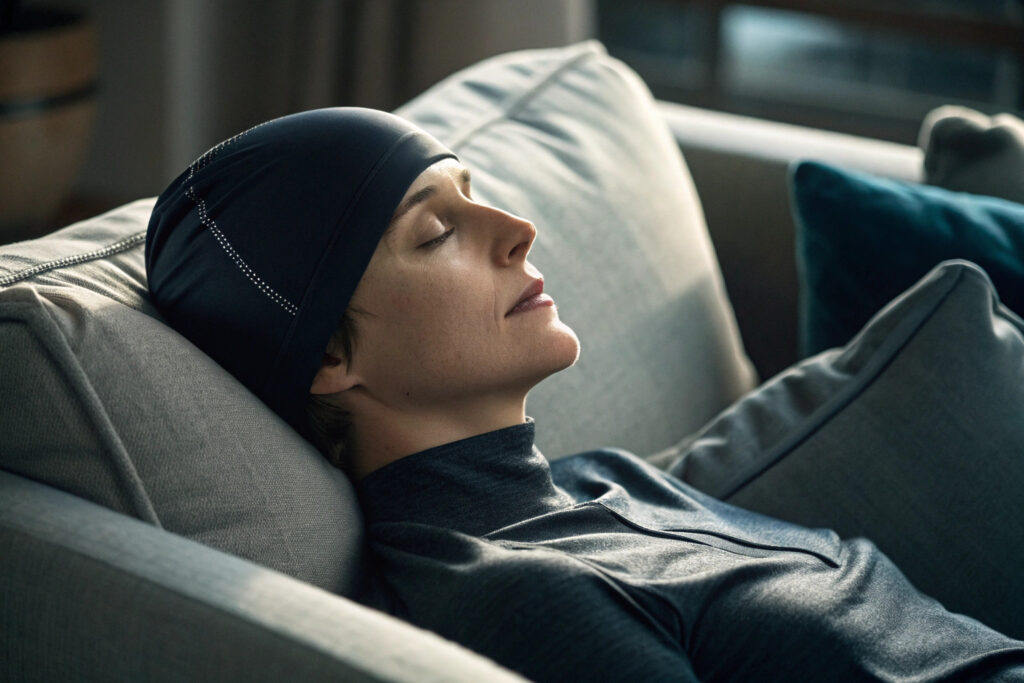
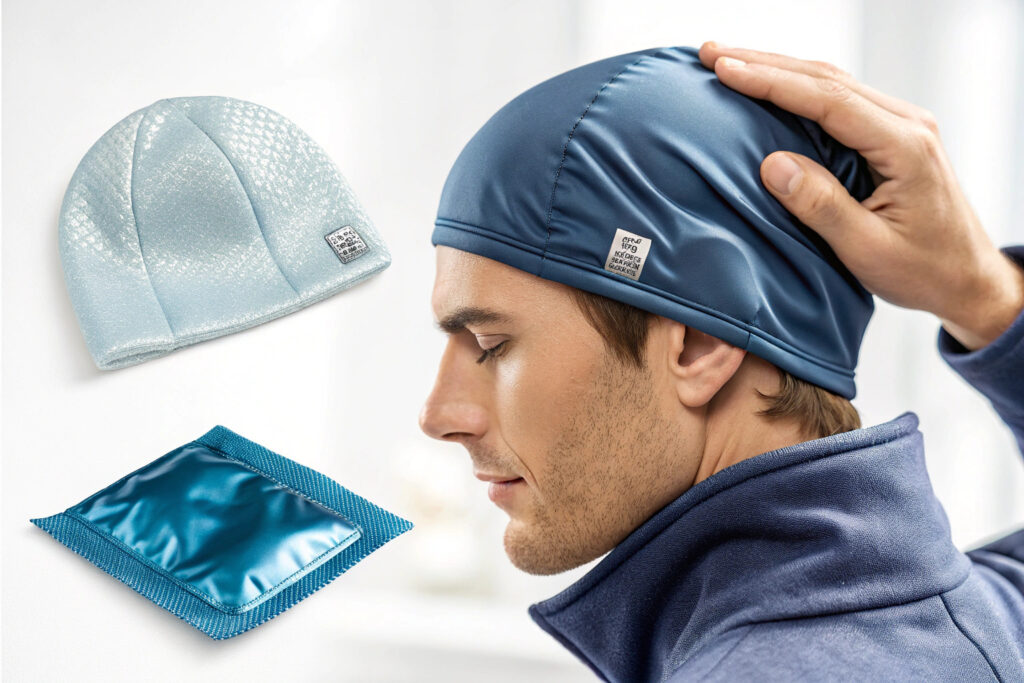
A compression beanie is a specially designed, stretchable cap, often made from soft, high-performance fabrics, that provides gentle, uniform pressure around the head. Most designs also incorporate pockets or sleeves for gel packs that can be frozen or heated, allowing the user to combine compression with cold or heat therapy.
When we started developing our own therapeutic Beanie, our first step was to understand the science. It's not magic; it's based on real physiological responses.
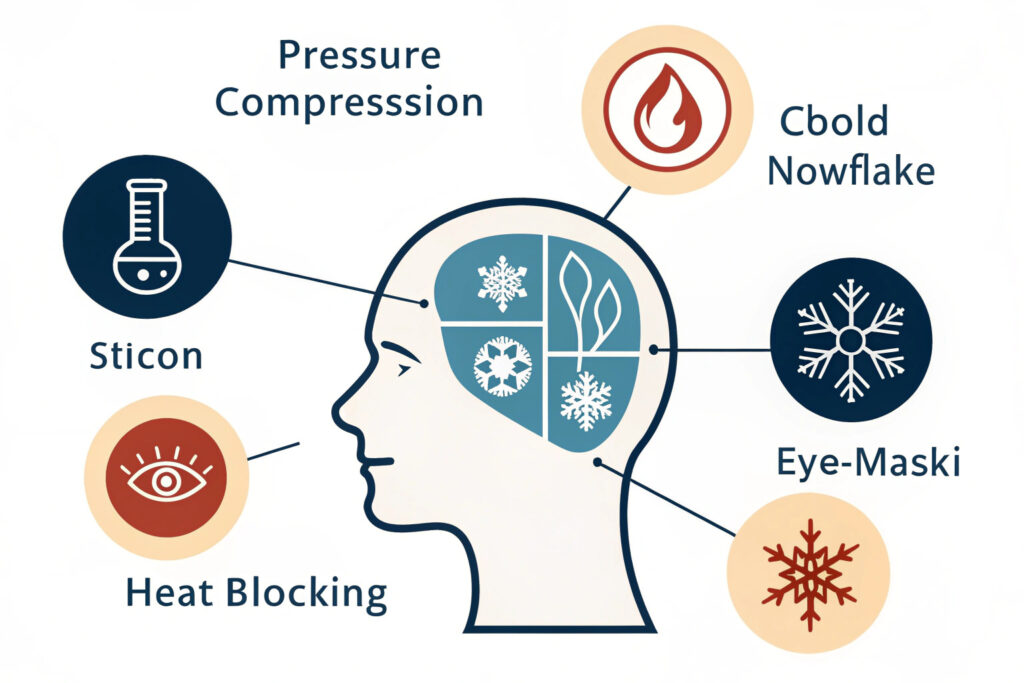
- Compression Therapy: Gentle pressure has a calming effect on the nervous system, similar to a weighted blanket. This can help reduce anxiety and tension that often accompany a migraine.
- Cold Therapy (Cryotherapy): Applying cold constricts blood vessels (vasoconstriction). Since migraines are often associated with the swelling of blood vessels in the head, cold therapy can help reduce this inflammation and numb the sharp, throbbing pain.
- Heat Therapy (Thermotherapy): For tension-type headaches that can trigger or accompany migraines, applying gentle heat can help relax tight muscles in the neck, scalp, and jaw.
- Light & Sensory Deprivation: Most migraine beanies are designed to pull down over the eyes, acting as a blackout mask. This blocks light, a major trigger for many sufferers, and muffles sound, creating a calming, cocoon-like environment.
Why is gentle compression so effective?
The science of gentle pressure as a calming tool is well-documented in sensory health. It's known as Deep Pressure Stimulation. While a beanie can't provide the same level of pressure as a weighted blanket, the principle is similar. The constant, gentle "hug" around the head can help to soothe an overstimulated nervous system, providing a psychological sense of security and comfort that can lessen the perceived intensity of the pain.
How does it improve on a simple ice pack?
Anyone with migraines has tried holding a bag of frozen peas on their head. The problems are obvious: it's wet, it's awkward to hold, it doesn't stay in place, and it provides uneven cooling. A compression beanie solves all these problems.
- Hands-Free: The beanie holds the gel packs in place, leaving your hands free.
- 360-Degree Coverage: Many designs have gel packs that surround the entire head, providing relief to the forehead, temples, and back of the neck simultaneously.
- No Drips: The gel packs are sealed and contained within the fabric, so there's no condensation or dripping water.
- Optimized Materials: The fabric acts as a soft, protective barrier between the cold pack and the skin, preventing ice burn and ensuring a more comfortable, sustained cooling effect.
What Are the Key Design Features of a High-Quality Migraine Beanie?
With the trend exploding, the market is being flooded with cheap knock-offs. As a buyer, you're worried about sourcing a product that looks the part but fails in its core function, leading to poor reviews and customer dissatisfaction. A high-quality migraine beanie is defined by its materials, construction, and the design of its thermal elements.
A superior compression beanie is made from a silky, high-stretch fabric blend (like nylon/spandex), features flatlock seams to prevent pressure points, and contains multiple, strategically placed gel packs filled with a proprietary gel that stays flexible when frozen.
When we engineered our prototype, we tested dozens of fabrics. A simple cotton-spandex blend was okay, but it absorbed moisture and stretched out over time. We landed on a high-grade, cool-touch nylon/spandex blend, the kind used in premium yoga wear. It provides consistent compression, feels silky against the skin, and helps to wick away any sweat. The gel is also critical. A cheap gel pack freezes into a solid, uncomfortable rock. A quality gel, like those used in medical cold packs, is designed to become a thick, malleable slush, conforming perfectly to the contours of the head.
What fabric properties should you look for?
- High Stretch & Recovery: The fabric must provide firm but gentle compression without stretching out permanently.
- Soft, Cool-Touch Feel: The fabric is in direct contact with sensitive skin, so it must be smooth and non-irritating.
- Breathability: It must allow for some airflow to prevent overheating.
- Opaque: If it's designed to cover the eyes, the fabric must be thick enough to effectively block light.
What defines a well-designed gel pack system?
- Strategic Placement: The packs should target key pain points: the forehead, the temples, the back of the head (occipital area), and the neck.
- Flexibility When Frozen: This is non-negotiable for comfort and effectiveness.
- Long-Lasting Temperature: The gel should be formulated to hold its temperature (cold or hot) for at least 20-30 minutes.
- Removable vs. Sewn-In: Some designs have removable packs, which makes washing the beanie easier. Sewn-in designs are simpler to use (just put the whole hat in the freezer) but can be harder to clean. Both have their pros and cons.
Why Is This Trend Happening Now?
The concept of using cold and pressure for headaches isn't new. So why has this specific product become a viral sensation in the last few years? The trend is being driven by a powerful convergence of social, technological, and cultural factors.
The migraine beanie trend is exploding now due to its viral visibility on social media platforms like TikTok, a growing consumer movement towards self-care and drug-free wellness solutions, and an increased prevalence of headache triggers like screen time and stress in modern life.
It's a perfect storm. A user on TikTok posts a raw, authentic video of themselves finding immediate relief from a migraine by putting on one of these hats. The video gets millions of views because it's relatable and offers a simple, visual solution to a common problem. This drives massive search interest. Simultaneously, consumers are more interested than ever in holistic wellness and are actively seeking non-pharmaceutical ways to manage their health. The migraine beanie fits perfectly into this cultural shift. It's a tangible self-care tool.
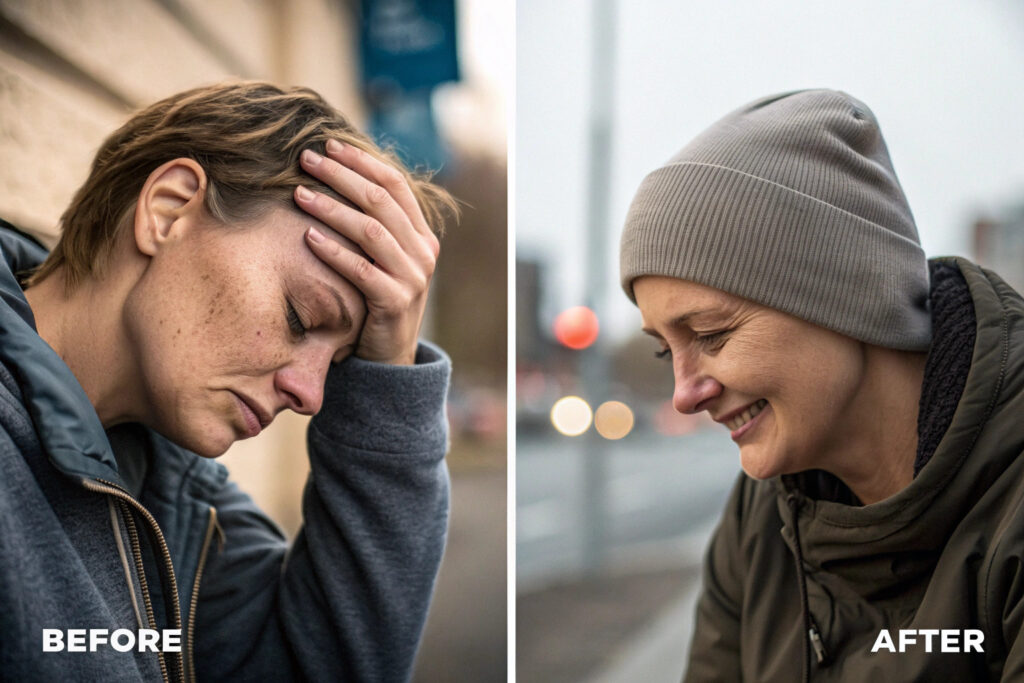
Platforms like TikTok and Instagram are visual and testimonial-driven. A user can show their relief in a way that a simple text review cannot. This authentic, user-generated content is incredibly powerful and has allowed the product to bypass traditional marketing channels and become a word-of-mouth sensation.
What is the role of the "wellness" movement?
Consumers are increasingly taking an active role in their own health management. They are looking for products that empower them. A migraine beanie is a perfect example. It's a one-time purchase that offers repeatable, on-demand relief without a prescription. It gives the user a sense of agency and control over their symptoms, which is a powerful motivator for purchase.
What Is the Future of Therapeutic Headwear?
The migraine beanie is just the beginning. As a manufacturer, we see this as the dawn of a new era for "functional fabrics" that goes beyond simple moisture-wicking. The future is in creating wearable products that deliver active therapeutic benefits.
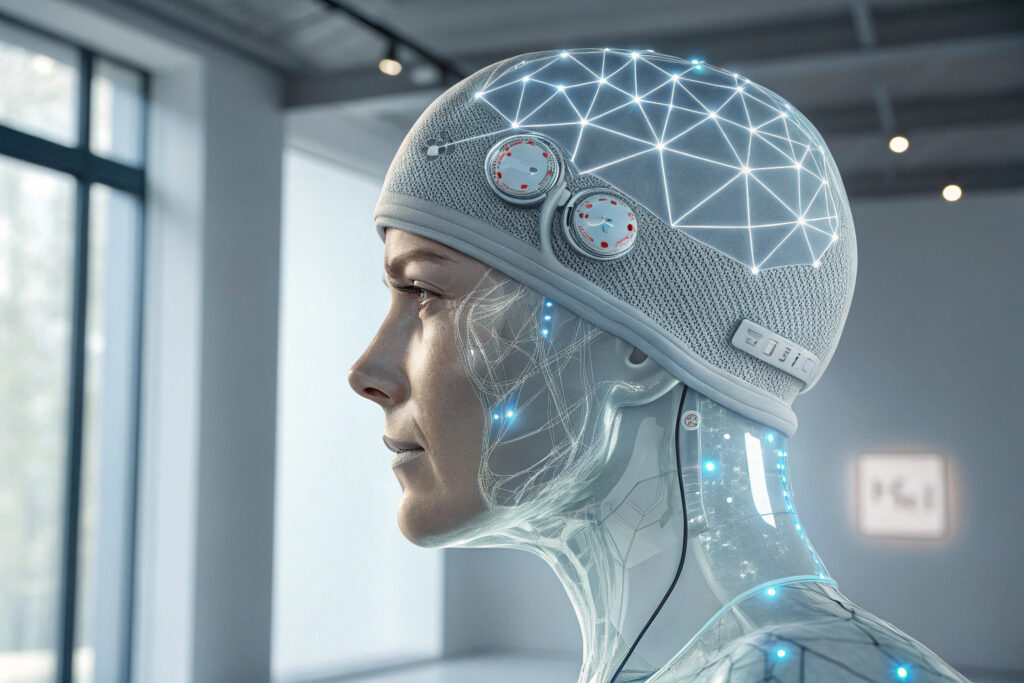
The future of therapeutic headwear lies in integrating "smart" technologies and advanced materials, leading to products like temperature-regulating beanies for fever relief, acupressure caps for tension release, and even headwear that delivers gentle vibrations or aromatherapy.
We are already in the R&D phase for some of these concepts.
- Acupressure Integration: Sewing small, smooth nodules into the lining of a cap to apply gentle pressure to specific acupressure points on the scalp and neck, targeting tension headaches.
- Aromatherapy Pods: Creating a small, discreet pocket near the temples where a user can insert a small pod infused with calming essential oils like lavender or peppermint.
- Phase-Change Materials (PCMs): Using advanced fabrics that can absorb and release heat to maintain a constant, optimal temperature, providing sustained, gentle cooling without the intense cold of a gel pack.
This is the next frontier: moving from passive comfort to active, targeted relief.
How will material science drive innovation?
The development of new fibers and fabrics will be key. Imagine fabrics with embedded, microencapsulated phase-change materials that provide hours of gentle cooling, or fabrics that can generate a low-level electrical field for gentle nerve stimulation. These are the kinds of material innovations that will transform a simple beanie into a sophisticated medical device.
What other conditions could be targeted?
Beyond migraines, this technology has potential applications for:
- Fever reduction
- Relief from sinus pressure
- Post-workout muscle recovery for the neck
- Insomnia and relaxation aids
The simple beanie is evolving into a versatile platform for a wide range of wellness applications.
Conclusion
The explosive trend of compression beanies for migraine relief is a clear signal of a major shift in the consumer wellness market. It's a triumph of simple, effective design that combines multiple therapeutic principles—compression, cold/heat therapy, and sensory deprivation—into one accessible, drug-free product. Driven by the power of social media and a cultural move towards self-care, this is far more than a fleeting fad. It represents the leading edge of a new category of therapeutic headwear. As manufacturers, our opportunity is to innovate with higher-quality materials, more effective designs, and next-generation smart features to meet the growing demand for products that don't just look good, but actively make people feel better.
If you are a brand in the wellness, pharmacy, or comfort space looking to source or develop a high-quality therapeutic headwear line, my team and I have the expertise in both textiles and functional design to be your ideal partner. My name is Elaine, Business Director at Shanghai Fumao Clothing, and my email is: elaine@fumaoclothing.com.