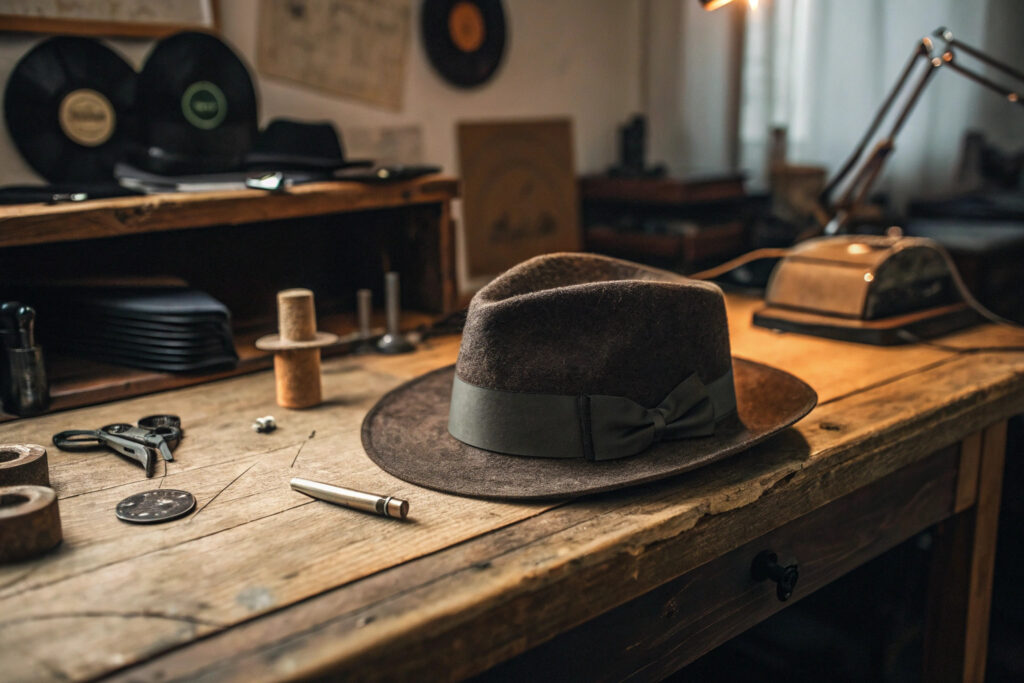
In my 20+ years in the hat business, I've learned that some hats are just accessories, but others are cultural artifacts. They carry the weight of history, music, and identity. That's the Zoot Suit Pork Pie. I was recently on a call with a film production's costume director, a sharp professional under a tight deadline, much like my usual buyer, Ron. He wasn't looking for a modern fedora. He needed a specific hat: a custom, wide-brimmed pork pie to complete a 1940s Zoot Suit look. He said, "Elaine, this isn't just any pork pie. The brim, the 'telescope' crown, the feel—it has to be perfect. A cheap costume hat will ruin the entire silhouette. Where do I find a supplier who even knows what that is?"
To source custom Zoot Suit-era pork pie hats, you must partner with a manufacturer who understands the specific historical details of the style—particularly the wide, flat brim and low, creased "telescope" crown—and can replicate them with high-quality materials like wool felt, ensuring both authenticity and durability. This is a niche request that requires a supplier with deep historical knowledge and custom manufacturing capabilities, not just a standard catalog.
The fear for any costumer or brand is ending up with a generic, modern pork pie that misses the mark. The Zoot Suit silhouette is all about exaggerated, defiant style. The hat is the exclamation point on that statement. A narrow brim or a high crown completely betrays the look. At Shanghai Fumao Clothing, we relish these challenges because they combine our manufacturing expertise with a deep appreciation for the history of headwear.
What Defines the "Zoot Suit" Pork Pie Silhouette?
You hear "pork pie," and you might picture a modern, narrow-brimmed hat worn by jazz musicians or hipsters. But that's not the hat we're talking about. The Zoot Suit pork pie is a very specific, historically significant variant. Getting this wrong is the most common mistake and the quickest way to lose authenticity. You're worried about sourcing a hat that looks "close enough" but ultimately fails to capture the defiant spirit of the era.
The Zoot Suit pork pie is defined by two key features that distinguish it from its modern counterpart: a very wide, flat brim (often 3 inches or more) and a low-profile, flat-topped crown with a circular "telescope" crease. This combination created a low-slung, dramatic silhouette that balanced the high-waisted, wide-legged "drape" of the Zoot Suit pants.
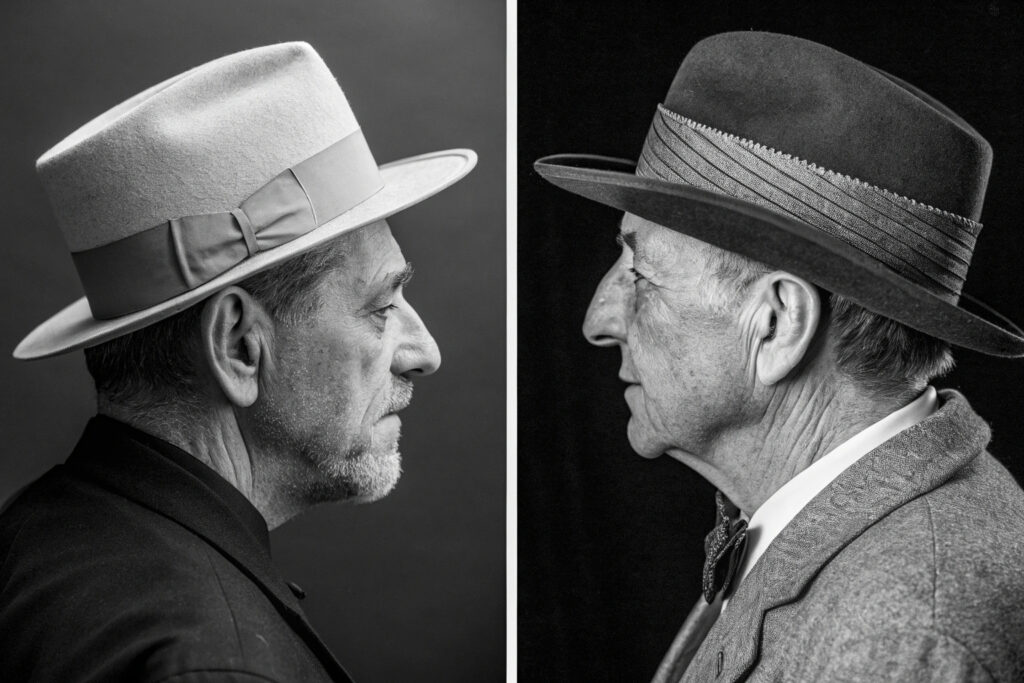
We had a theater client who made this exact mistake initially. They sent us a photo of a modern pork pie as a reference for a 1940s production. Our head of R&D, a true hat historian, immediately flagged it. He pulled up archival photos from the era, showing the dramatic, plate-like brims. We had to educate the client on the historical nuances. Once they saw the comparison, they understood. The wide brim wasn't just a detail; it was the whole attitude of the hat.
What is a "Telescope" Crown?
The crown is the top part of the hat. A fedora has a "teardrop" crease. A modern pork pie often has a simple oval indentation. The classic Zoot Suit pork pie, however, has a "telescope" or "flat-top" crown.
Imagine looking down at the hat from above. You'll see a circular crease running around the top, as if the crown could "telescope" down into itself. This creates a distinctively flat top and sharp edges. This detail is crucial. It requires a specific hat block (the wooden mold used to shape the hat) to create correctly. A supplier who doesn't have or can't make this specific block cannot produce an authentic hat.
Why is the Wide, Flat Brim So Important?
The Zoot Suit was a statement of rebellion and flair. It was about taking up space. The wide, flat brim of the Pork Pie Hat mirrored the wide shoulders of the jacket and the voluminous cut of the pants. It was a key component of the overall Zoot Suit silhouette.
A narrow brim, common on modern pork pies, creates a pinched, understated look—the exact opposite of the Zoot Suit's bold aesthetic. When sourcing, the brim width is a non-negotiable specification. You should be asking for a 3-inch or even a 3.5-inch flat brim with a simple "kettle curl" (a slightly upturned edge) to get that authentic, imposing look.
What Materials and Construction Should You Demand?
You've found a supplier who understands the shape, but if they suggest making it out of cheap polyester felt, run. The material is just as important as the silhouette. It dictates how the hat holds its shape, how it feels, and how it ages. An authentic look requires authentic materials. You're concerned that even with the right shape, a flimsy material will make the final product look like a cheap costume.
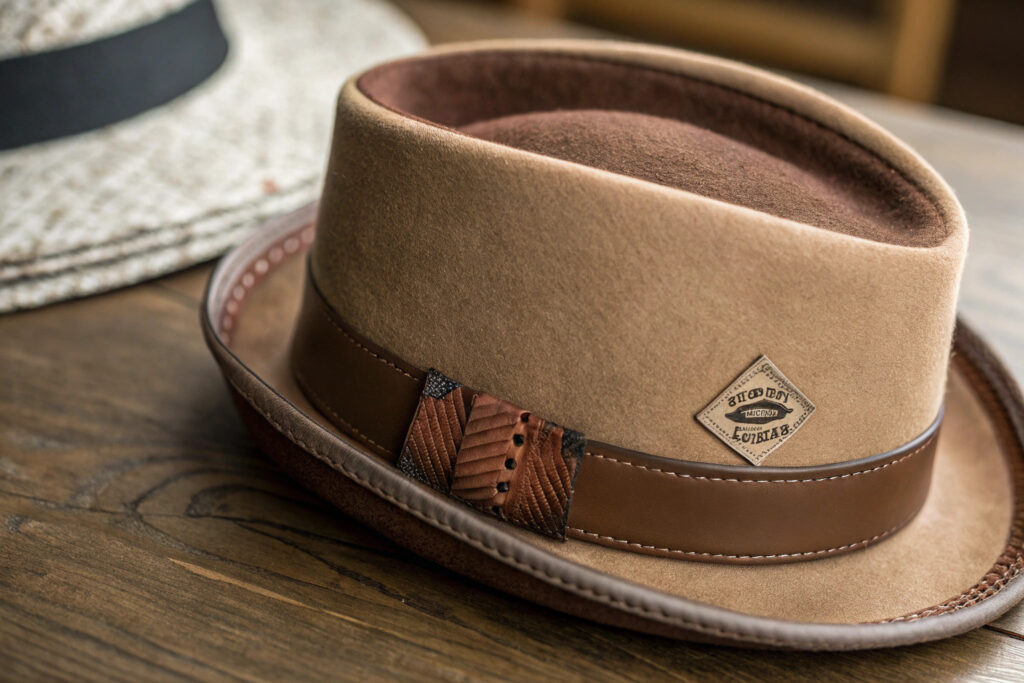
A high-quality, custom Zoot Suit pork pie must be made from 100% wool felt or, for a more premium option, fur felt, with a stiffened brim that can hold its flat shape. The construction should include a genuine leather sweatband and a satin lining, details that signify quality and historical accuracy.
This is where manufacturing expertise comes in. We source high-grade wool felt that has the right density and stiffness. We use a special stiffening agent on the brim during the blocking process to ensure it stays flat and doesn't become floppy over time—a common failure point for cheap replicas. These material choices are what separate a costume-grade prop from a high-quality, wearable piece of history.
Why is Wool Felt the Standard?
Wool felt is the ideal material for this type of hat for several reasons:
- Malleability: It can be steamed and molded into the sharp, specific shape of the telescope crown and flat brim.
- Durability: It's resilient and can withstand the demands of a performance or regular wear.
- Authenticity: It was the most common material for men's hats of that era, providing the correct weight and texture.
For a higher-end production or a luxury brand, fur felt (usually from rabbit or beaver) offers a smoother finish and better water resistance, but wool felt is the authentic and cost-effective standard.
What Finishing Details Complete the Look?
The small details are what elevate a good hat to a great one.
- Grosgrain Ribbon: The hatband should be a wide grosgrain ribbon (typically 1.5 to 2 inches), often with a simple, flat bow. The color usually matches the hat but can be a contrasting tone.
- Feather: A single, dramatic feather tucked into the hatband was a common and essential flourish, adding a final touch of defiant panache.
- Leather Sweatband: A real leather sweatband is a mark of a quality hat. It's more comfortable, absorbs sweat better, and will mold to the wearer's head over time.
- Satin Lining: A full satin lining on the inside of the crown was standard for quality hats of the period and adds a hidden touch of luxury.
How Do You Find a Qualified Manufacturing Partner?
You know exactly what you need now. But your search for "custom Zoot Suit pork pie hat" is likely bringing up party stores or individual Etsy sellers who can't handle a bulk order. How do you find a real manufacturing partner who can deliver quality at scale? Your main pain point is finding a factory that combines historical expertise with professional production capacity.
A qualified manufacturing partner for custom historical hats can be identified by their portfolio of previous work, their willingness to create custom hat blocks, their expertise in material sourcing, and their capacity for producing custom sizes in bulk. You need to vet them not as a simple supplier, but as a specialized manufacturing consultant.
This is the conversation I have with clients like the costume director. I don't start by showing them a catalog. I start by asking them for their research: photos, historical references, and desired specifications. I then show them our past work on similar historical reproductions and walk them through our custom tooling and sampling process. A qualified supplier will be excited by the historical challenge, not confused by it. They should be asking you questions about the specific period and character to ensure they get it right.

What Questions Should You Ask a Potential Supplier?
When you contact a potential manufacturer, have a checklist of questions ready to gauge their expertise.
- "Can you create a custom hat block to match a historical 'telescope crown' silhouette?"
- "What are your sourcing options for high-stiffness 100% wool felt?"
- "Can you show me examples of other historical or theatrical hats you have produced?"
- "What is your process for creating a pre-production sample for approval?"
- "Can you accommodate a bulk order with specific, individual head sizes for each hat?"
Their answers will quickly tell you if they are a serious partner or just a generic hat factory.
What Is the Sourcing Process?
The process for a custom order like this should be collaborative.
- Consultation & Design: You provide your research and specifications. The supplier offers feedback based on manufacturing capabilities.
- Tooling & Sampling: The supplier creates the custom block and produces a single, perfect pre-production sample for your approval. This is the most critical and time-consuming step.
- Sample Approval: You receive the sample and either approve it or request minor revisions.
- Bulk Production: Once the sample is approved, the manufacturer proceeds with the bulk order, ensuring each hat matches the approved prototype.
- Sizing & Labeling: Each hat is produced in the specific sizes you provided and can be labeled accordingly for easy distribution to your cast or customers.
Why Is Custom Sizing Crucial for This Style?
You've nailed the design and the materials. But there's one final hurdle that can make or break the project: fit. For a style as specific as the Zoot Suit pork pie, a "one-size-fits-all" approach is a disaster waiting to happen. You're worried about ordering dozens of hats only to find they don't fit your actors or customers correctly.
Custom sizing is crucial because the Zoot Suit pork pie is meant to be worn at a specific, rakish angle, and a poor fit will not only be uncomfortable but will also fail to achieve the correct look, causing the hat to sit too high or fall off during movement. A secure, individual fit is the final element of authenticity.
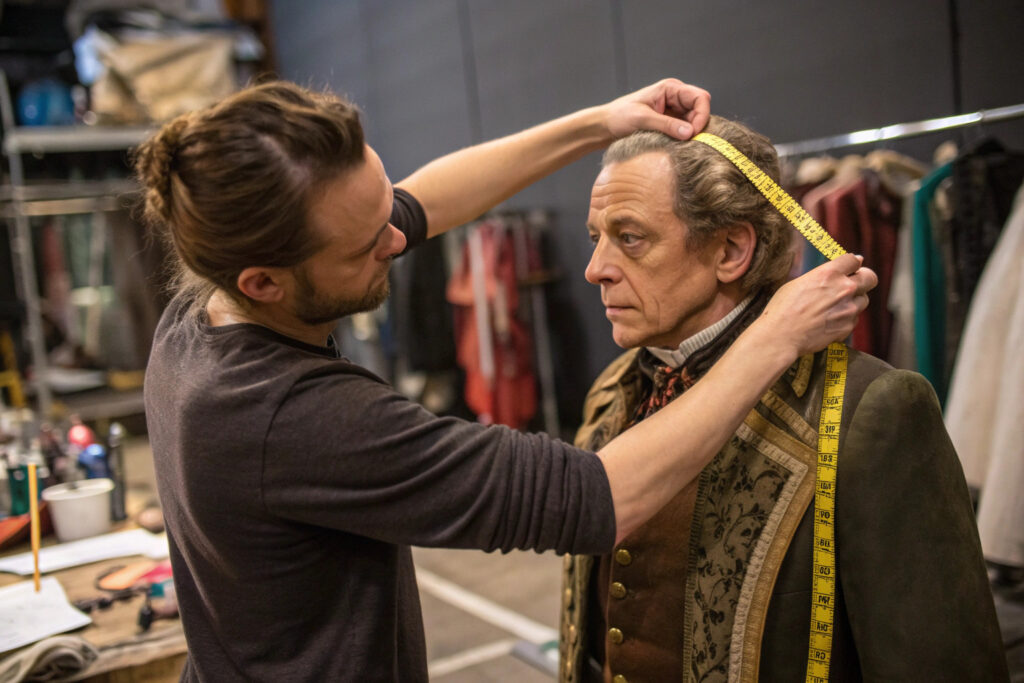
For film and theater productions, this is non-negotiable. We regularly receive sizing sheets with the head measurement of every single cast member, down to the half-centimeter. For a retail brand, offering a range of specific sizes (e.g., 56cm, 57cm, 58cm, etc.) instead of just "S/M/L" is a huge quality differentiator. It shows your customers that you are providing a true, high-quality garment, not a generic accessory. It's a level of detail that the discerning customers for this niche style will absolutely appreciate.
How Does a Manufacturer Handle Custom Sizing?
The ability to produce specific sizes in bulk is a key indicator of a professional operation.
- Sizing Blocks: While the main hat block defines the style, we use a series of different-sized blocks for the production run to create hats for each required measurement.
- Labeling: Each hat is finished with a size tag (e.g., "58") on the inside, ensuring easy distribution and organization.
- Sweatband Adjustments: For very slight variations, the way the leather sweatband is stitched in can be adjusted to fine-tune the fit, a technique used by skilled hat makers.
What Are the Risks of Ignoring Custom Fit?
Ignoring proper sizing leads to predictable problems.
- For Performers: A loose hat can fall off during a dance number, ruining a take or a live performance. A tight hat can cause headaches and be unbearable to wear under hot lights.
- For Retailers: A poor fit is one of the top reasons for product returns in apparel. Offering specific sizes drastically reduces return rates and increases customer satisfaction.
Ultimately, the perfect fit is the final, invisible component that makes the hat look and feel right, a standard practice in quality millinery.
Conclusion
Sourcing a custom Zoot Suit pork pie hat is a journey into history. It requires a deep understanding of the style's unique silhouette—the low-profile telescope crown and the defiantly wide, flat brim. It demands a commitment to quality materials like wool felt and authentic finishing touches like a leather sweatband. It necessitates finding a manufacturing partner who is not just a vendor, but a knowledgeable collaborator who can execute your vision at scale. And finally, it depends on a dedication to custom sizing to ensure the final product has the perfect fit and attitude. The Zoot Suit pork pie is more than a hat; it's a statement. And getting it right is everything.
If you are a costume director, brand, or designer looking to recreate this or any other piece of headwear history, my team and I have the passion and the expertise to be that partner.
My name is Elaine, Business Director at Shanghai Fumao Clothing, and my email is: elaine@fumaoclothing.com.