I've been in the hat manufacturing business for over two decades, and I've seen materials evolve in ways I never thought possible. We went from simple cotton to high-performance polyesters, then to sustainable organic fabrics. But now, we're entering a new frontier: active textiles. I was recently talking with Ron, a sharp US buyer who's always looking for a competitive edge. He said, "Elaine, moisture-wicking is standard now. UV protection is expected. What's the next big thing in fabric tech that actually solves a problem my customers complain about?" The problem? Stink. A favorite hat, worn for workouts or long days in the sun, inevitably starts to smell.
Odor-eliminating probiotic fabric is the next evolution in performance headwear because it offers a continuous, self-renewing solution to odor by using beneficial microorganisms to proactively eliminate odor-causing bacteria, far surpassing the temporary effectiveness of traditional antimicrobial treatments. It's not just a hat that resists odor; it's a hat with a built-in, microscopic cleaning crew.
The fear for any brand is selling a premium "performance" hat that, after a month of use, smells so bad it gets thrown in the back of a closet. It's a failure of the product's core promise. This new probiotic technology directly addresses that failure point, and at Shanghai Fumao Clothing, we are incredibly excited to be among the first to integrate this revolutionary textile into our headwear.
What Exactly Is Probiotic Fabric?
You hear "probiotic" and immediately think of yogurt and gut health. The idea of putting that in a hat sounds strange, even gimmicky. You're skeptical, wondering if it's just a marketing ploy or if it actually works. How can a fabric be "alive"?
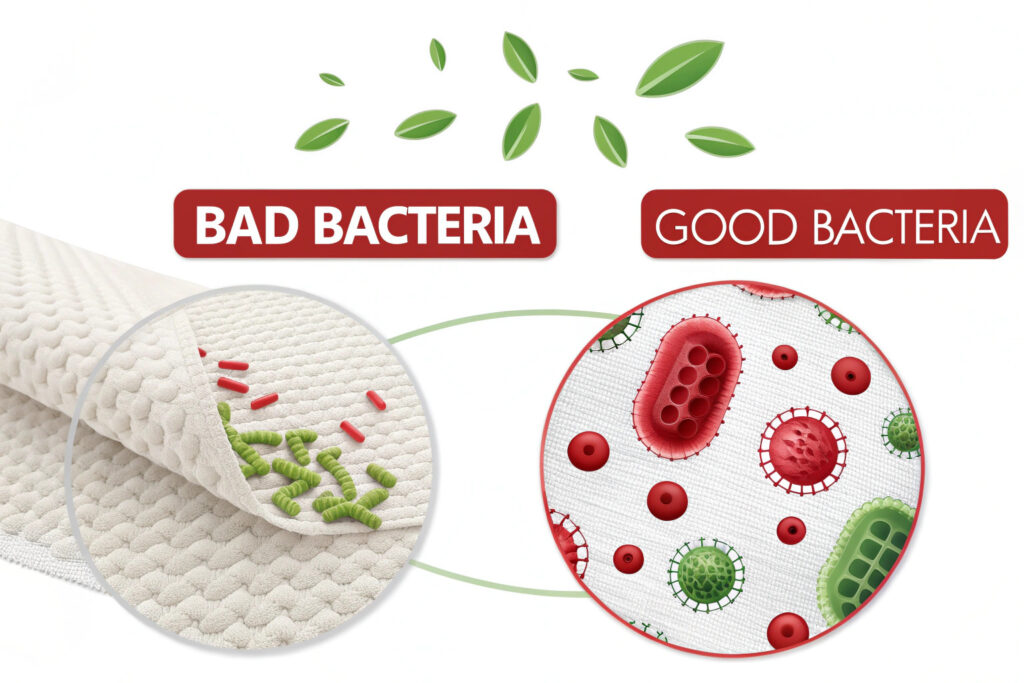
Probiotic fabric is a smart textile embedded with millions of dormant, beneficial microorganisms (probiotics) that are activated by the moisture and heat from your sweat. Once active, these good bacteria consume the ammonia and other organic compounds in your sweat that odor-causing bacteria would normally feed on. By out-competing and starving the bad bacteria, they prevent odor from ever forming at its source.
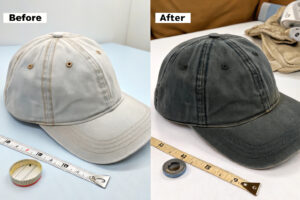
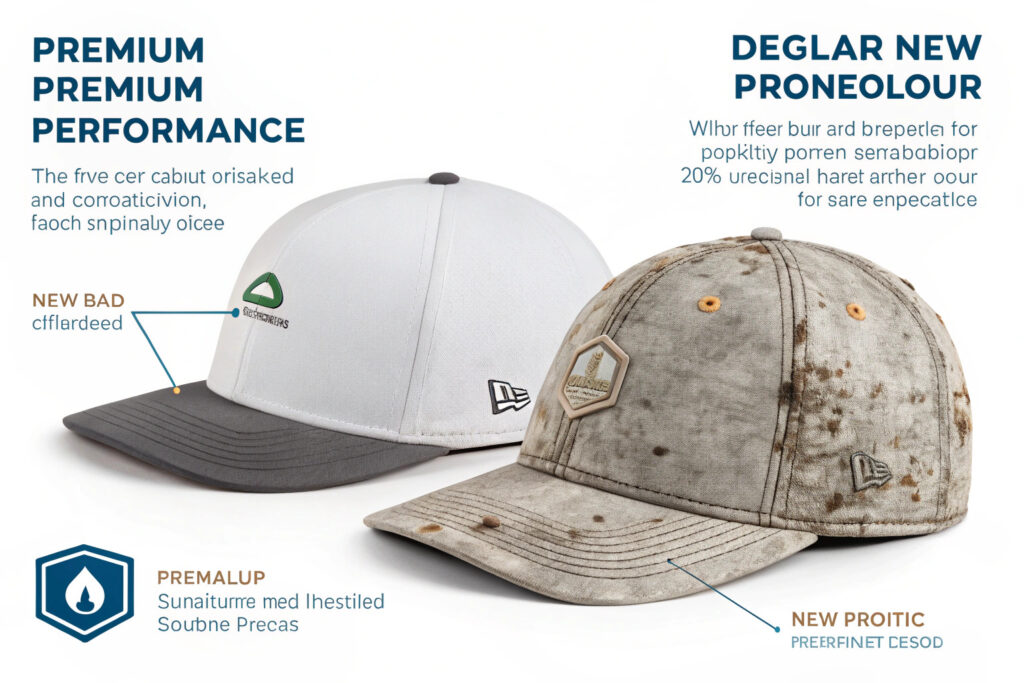
When our R&D team first brought this to me, I had the same skepticism. So we ran a test. We took two identical performance Baseball Caps. One was a standard polyester, the other was treated with probiotic technology. We had two people wear them for a week of daily workouts without washing. The results were undeniable. The standard cap had a distinct, sour smell. The probiotic cap smelled... like nothing. It was neutral. That's when I understood this wasn't a gimmick; it was a fundamental breakthrough in fabric science.
How does it differ from antimicrobial treatments?
For years, the solution to odor has been antimicrobial treatments, often using silver ions or other chemicals to kill bacteria. The problem is, these treatments have significant downsides.
- They Are Indiscriminate: They kill all bacteria, including the beneficial ones that are part of your skin's natural, healthy microbiome.
- They Fade Over Time: These chemical coatings wash out over time, losing their effectiveness with every laundry cycle.
- Environmental Concerns: The chemicals, particularly nanosilver, wash into our water systems, with potential negative environmental consequences.
Probiotic fabric, like technology from pioneers such as HeiQ, works on a completely different principle. It doesn't kill anything. It fosters a healthy microscopic environment where the good bacteria simply out-populate the bad ones. It's a biological, eco-friendly approach to odor control.
Is it safe for skin and the environment?
This is the most important question. The idea of putting bacteria on your skin might sound alarming, but it's perfectly safe.
The probiotics used are 100% natural, non-toxic strains that are already found in the natural environment. They are beneficial, not pathogenic. In fact, by promoting a healthy balance of microorganisms, they can be beneficial to your skin's microbiome, unlike harsh chemical treatments. Because the technology uses natural bacteria and is not a chemical coating, it's also environmentally sound. It's a solution that works with nature, not against it, a core principle of modern sustainable technology.
Why Is This a Game-Changer for Headwear?
Hats are a unique apparel item. You can't wash them as easily or as often as a t-shirt. A favorite baseball cap or beanie gets worn repeatedly, absorbing sweat, oils, and bacteria, making it a perfect breeding ground for odor.
Probiotic fabric is a game-changer for headwear because it offers a persistent, long-term odor control solution for an item that is difficult to wash regularly, directly extending the product's usable lifespan and enhancing user experience. It solves the single biggest complaint about well-loved, frequently-worn hats.
Think about the target markets. The ultra-marathon runner, the daily gym-goer, the construction worker, the avid hiker. For them, a hat is an essential piece of gear. But that gear often fails because of odor. A hat that actively cleans itself and stays fresh for weeks or even months between washes isn't just a better product; it's a revolutionary one. It creates immense brand loyalty because it solves a real, persistent problem.

What are the main benefits for the consumer?
For the person buying the hat, the benefits are simple and powerful.
- Less Odor: The most obvious benefit. Their favorite hat stays fresh, wear after wear.
- Less Washing: This technology drastically reduces the need to wash the hat, which saves time, water, and energy.
- Longer Lifespan: Less washing means less wear and tear on the fabric, seams, and brim. The hat simply lasts longer.
- Improved Skin Health: By supporting a healthy microbiome, it can be better for the skin than hats that trap sweat and bacteria or are treated with harsh chemicals.
How does it create value for a brand?
For a brand, incorporating this technology is a powerful differentiator.
- Premium Positioning: It allows you to market a technically superior product and justify a higher price point.
- Solves a Real Problem: It shows you understand your customers' pain points and are providing an innovative solution.
- Sustainability Story: It's an eco-friendly technology that aligns with corporate sustainability goals. You're not adding chemicals; you're using the power of nature.
- Brand Loyalty: A customer who buys a hat that never stinks will come back to your brand for every future purchase. It builds incredible trust and loyalty.
What Hat Styles Are Best for Probiotic Fabric?
This technology can be applied to many fabrics, but it's most effective in styles designed for performance and frequent use, where sweat and odor are the biggest enemies.
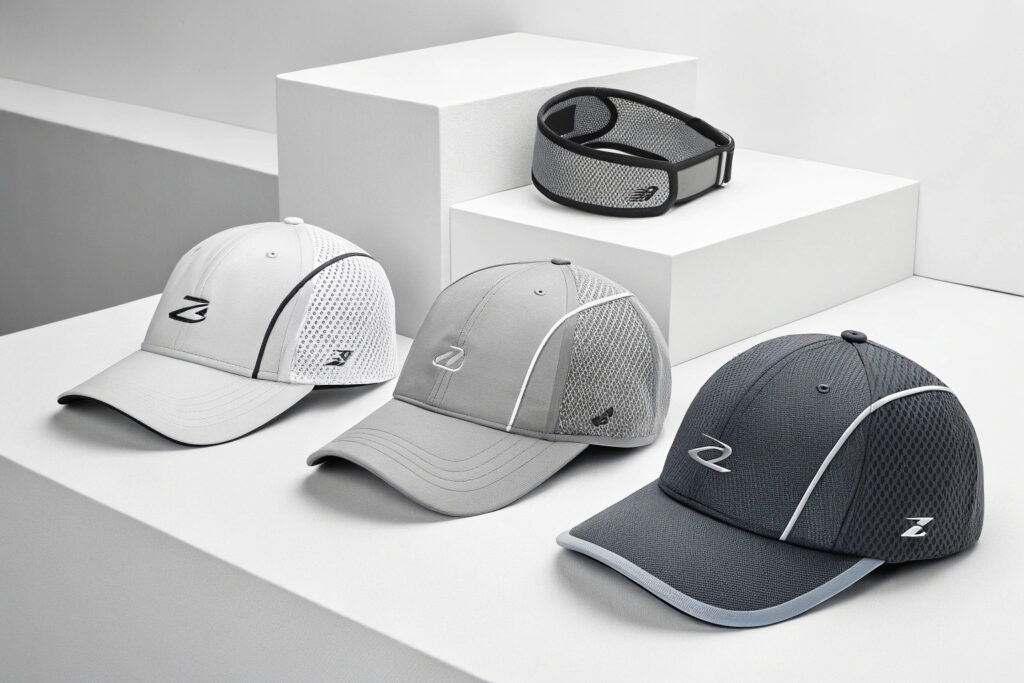
Probiotic fabric technology is best suited for performance-oriented styles like technical Baseball Caps, running Visors, and workout Beanies, where the fabric is in direct contact with the skin and exposed to sweat. These are the applications where the technology provides the most tangible and immediate benefit.
At Shanghai Fumao Clothing, we are focusing our initial development on our athleisure and outdoor lines. We're creating a running Visor with a probiotic-treated sweatband. We're designing a lightweight, all-season Beanie for hikers and climbers. The goal is to integrate the technology where it will make the most impact on the user's experience.
Is it suitable for all fabrics?
Currently, this technology is most effective when applied to synthetic and synthetic-blend fabrics commonly used in performance wear, such as polyester and nylon. The microcapsules containing the probiotics adhere well to these fibers and are released effectively. While research is ongoing for natural fibers, the primary application for now is in the athleisure and performance markets, which already rely on these technical fabrics.
How does it impact the feel and look of the hat?
One of the most impressive aspects of this technology is that it is completely unnoticeable to the wearer. The microcapsules are microscopic and do not change the hand-feel, color, or breathability of the fabric. A hat treated with probiotic technology looks and feels exactly like a high-quality performance hat. The only difference is what you don't notice: the smell. This seamless integration makes it an easy "yes" for brands looking to upgrade their products without compromising on aesthetics or comfort.
What is the Future of "Living" Textiles?
You've seen how probiotic fabrics solve the problem of odor. But as a forward-thinking buyer, you're already asking: what's next? Is this a one-trick pony, or is it the beginning of a much larger trend in smart, active textiles?
Probiotic odor control is just the first step. The future of "living" textiles involves integrating bio-based technologies that can offer a range of benefits, from active moisturizing and skin nourishment to thermoregulation and even pollution filtration. We are moving from passive materials to fabrics that actively interact with the wearer and their environment.
This is the most exciting area of our R&D. We are in talks with biotech labs that are developing fabrics embedded with microcapsules containing things like aloe vera or other natural moisturizers, which are released by body heat to soothe the skin. Imagine a Sun Hat that doesn't just block the sun but also lightly moisturizes your forehead. This isn't science fiction; it's the next frontier of material science, and it's going to completely redefine what we expect from our clothing.
What other applications are being developed?
The potential applications are astounding and are being explored by research groups like Biofabricate.
- Thermoregulation: Using phase-change materials (PCMs) that can absorb heat when you're hot and release it when you're cold.
- Skin Nourishment: Embedding microcapsules of vitamins, antioxidants, or moisturizers that are released through friction and body heat.
- Pollution Filtration: Developing fabrics with catalysts that can break down airborne pollutants like NOx particles, turning a simple hat into a personal air purifier.
- Self-Healing Fabrics: Creating materials with embedded agents that can repair minor cuts or tears, dramatically increasing a product's lifespan.
How will this change the apparel industry?
This shift towards active, living textiles will fundamentally change how we design and market apparel. The focus will move from static features (color, cut) to dynamic performance and wellness benefits. Brands will no longer just be selling a look; they'll be selling a tangible experience—a hat that cools you, a shirt that moisturizes you, a jacket that purifies the air around you. It's a massive opportunity for brands to create truly innovative products that offer real, measurable benefits to their customers, completely changing the definition of "performance wear."
Conclusion
The question is no longer "how do we fight odor?" but "how can we create a product that never has odor to begin with?" Odor-eliminating probiotic fabric is the definitive answer. It is a safe, sustainable, and remarkably effective technology that solves one of the oldest and most persistent problems in performance apparel. For the headwear industry, it represents a monumental leap forward, allowing us to create hats that last longer, require less care, and provide a vastly superior user experience. This isn't just a new feature; it's the beginning of a new era of active, "living" textiles that will redefine what we expect from our clothing.
If you are a brand looking to be at the cutting edge of textile innovation and want to offer your customers a product that truly performs, my team and I are ready to explore how we can integrate probiotic technology into your next collection.
My name is Elaine, Business Director at Shanghai Fumao Clothing, and my email is: elaine@fumaoclothing.com.