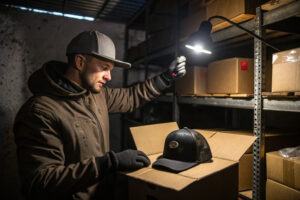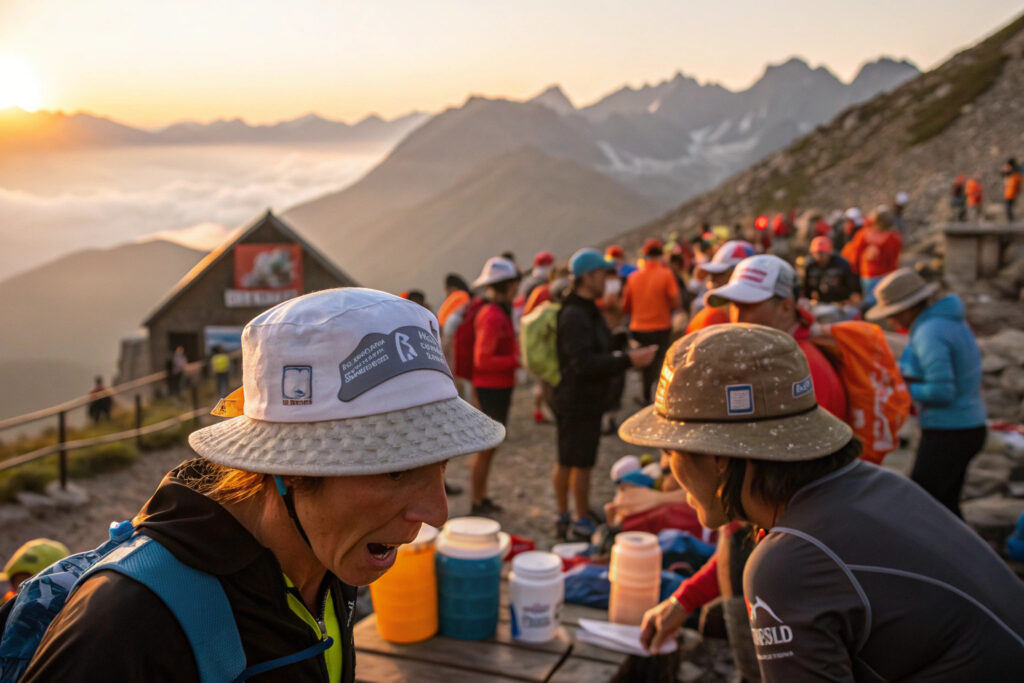
I've been in the hat manufacturing business for over two decades, and while we've outfitted major fashion brands and corporate clients, some of my favorite projects have been for niche, passionate communities. Recently, we've seen a huge uptick in orders from the world of endurance sports. I'm talking about ultra-marathons—races that are 50, 100, even 200 miles long. A buyer like Ron from the U.S., who's sharp and practical, isn't just buying for the runners; he's buying for the unsung heroes: the aid station volunteers. These people are out in the wild for 24, 36, sometimes 48 hours straight, in every imaginable weather condition. They're a lifeline for the runners, but who's looking out for them?
The top hat styles for ultra-marathon aid station volunteers are the wide-brimmed Bucket Hat for maximum sun protection, the lightweight and breathable Baseball Cap for versatile comfort, and the warm, functional Beanie for overnight shifts. These styles are not about fashion; they are essential pieces of gear designed for endurance, visibility, and protection against the elements.
The problem is clear: a volunteer suffering from sunstroke or freezing in a 3 AM downpour can't provide effective aid. Their well-being is critical to the safety and success of the entire race. Providing them with the right headwear isn't just a nice gesture; it's a core logistical necessity. At Shanghai Fumao Clothing, we thrive on creating these kinds of high-performance, purpose-built solutions. Let's break down what makes a hat truly effective when you're miles from civilization.
Why is All-Day Sun Protection Non-Negotiable?
Picture an aid station at mile 50 of a desert ultra. It's 2 PM, the sun is relentless, and there's no shade for miles. Volunteers are on their feet for hours, scanning the horizon for the next runner. Without proper protection, they are at high risk for heatstroke, severe sunburn, and debilitating fatigue. This isn't just a comfort issue; it's a serious health and safety hazard that can shut down an aid station.
All-day sun protection is non-negotiable because volunteer effectiveness and safety are paramount. A wide-brimmed hat is the single most effective tool for shielding the face, ears, and neck from harmful UV radiation over a long, exposed shift. A simple baseball cap just doesn't provide enough coverage when you're static for hours under direct sun.
We worked with a race director for a major 100-miler in California. Their biggest feedback from volunteers was the brutal sun exposure. We designed a custom Bucket Hat for them. We didn't just use a standard fabric; we used a lightweight, recycled nylon with a UPF 50+ rating. We added a dark fabric under the brim to reduce glare, a toggle to keep it secure in the wind, and a moisture-wicking sweatband. It became the most sought-after piece of gear for the entire event, for both volunteers and runners.

What makes the bucket hat the superior choice?
Many people default to a baseball cap, but for the specific job of an aid station volunteer, it's an inferior tool. A baseball cap leaves the ears and the back of the neck completely exposed—two of the most common areas for skin cancer.
The bucket hat, or its cousin the boonie hat, provides 360-degree coverage. This is critical. It creates a personal circle of shade that moves with you. When choosing one, look for a brim that is at least 3 inches wide to provide adequate coverage. Furthermore, the simple, crushable design of a bucket hat means it can be easily stuffed into a pack and deployed when needed. It's the most practical and protective design for long-duration, stationary sun exposure, a fact supported by dermatologists and outdoor professionals alike.
What are the essential features for a sun hat?
Not all bucket hats are created equal. A cheap cotton hat can become a hot, sweaty mess. For an ultra-marathon environment, you need to look for specific technical features that enhance performance and comfort.
- UPF Rating: Look for a Ultraviolet Protection Factor of 50+. This is a certification that the fabric itself blocks at least 98% of UV rays, a standard set by organizations like the Skin Cancer Foundation.
- Ventilation: Mesh panels or metal eyelets are crucial for letting heat escape, preventing your head from overheating.
- Adjustability: An adjustable chin strap is vital for keeping the hat on in windy conditions. An elastic cord around the crown helps customize the fit.
- Moisture Management: A high-performance, moisture-wicking sweatband is essential for keeping sweat from dripping into your eyes.
These features, which we integrate into our performance headwear, transform a simple hat into a critical piece of personal protective equipment (PPE).
How to Handle the Day-to-Night Temperature Swing?
Ultra-marathons don't stop when the sun goes down. As day turns to night in the mountains or desert, temperatures can plummet by 30 or 40 degrees. The volunteer who was battling heat is now shivering, trying to pour hot soup for a runner with numb fingers. Being cold impairs judgment and motor skills, making it difficult to perform even simple tasks.
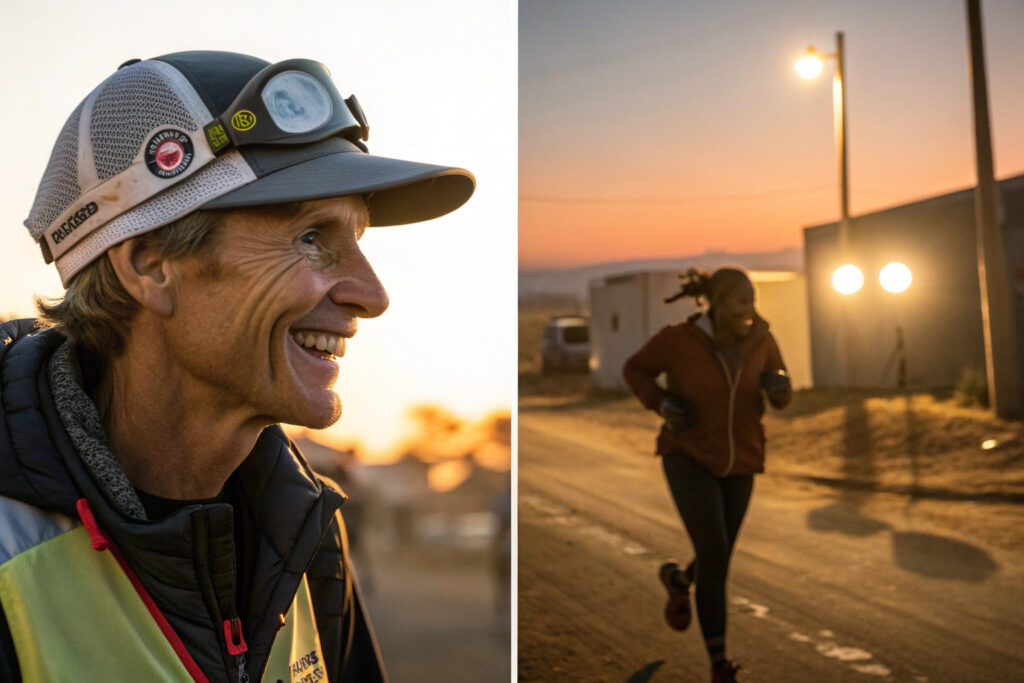
Handling the massive temperature swings requires a layered headwear system: a breathable, moisture-wicking Baseball Cap for the active, temperate parts of the day, and a warm, insulated Beanie for the deep cold of the night. This two-hat system provides the versatility needed to stay comfortable and effective for a full 24-hour cycle.
This is a lesson learned from experience. On my first time volunteering at an ultra, I only brought a baseball cap. When the sun set, I was freezing. The race director came by and handed me a fleece Beanie. The difference was immediate and profound. It probably saved my shift. Now, when we design volunteer kits for races, we always recommend a "day hat" and a "night hat." It's the most practical way to ensure volunteer readiness around the clock.
Why is a baseball cap still useful?
If the bucket hat is best for sun, why bother with a Baseball Cap? Because aid station work isn't always static. During setup, breakdown, or when crewing a runner between stations, you're more active.
In these situations, the baseball cap is often more comfortable. It's less cumbersome, provides excellent forward-facing sun and glare protection, and is the perfect platform for a headlamp once it gets dark. The key is to choose a modern, technical version. We manufacture ours with lightweight, breathable fabrics—often from recycled materials—that wick sweat and dry quickly. It's the perfect "workhorse" hat for the active, transitional periods of a long race day.
What makes a good overnight beanie?
When 3 AM hits and the cold sets in, a good beanie is your best friend. But not just any beanie will do. A cheap acrylic beanie can get sweaty and then feel clammy and cold.
The best beanies for this environment are made from performance materials.
- Merino Wool: This natural fiber is the king of performance. It's incredibly warm for its weight, breathes well, and, most importantly, it continues to insulate even when it gets damp from sweat or mist.
- Technical Fleece: A high-quality gridded fleece (like Polartec® Power Grid™) offers an excellent warmth-to-weight ratio and is extremely breathable, making it ideal for active warmth.
A snug, but not tight, fit is also important. It should be comfortable enough to wear for hours and fit easily under the hood of a rain jacket if the weather turns really sour.
Why is High Visibility a Critical Feature?
An aid station can be a chaotic place. Runners arrive, often disoriented. Crews are rushing around. Vehicles are dropping off supplies. At night, this controlled chaos happens in the dark, illuminated only by headlamps and lanterns. In this environment, being seen is not just helpful; it's a critical safety feature.
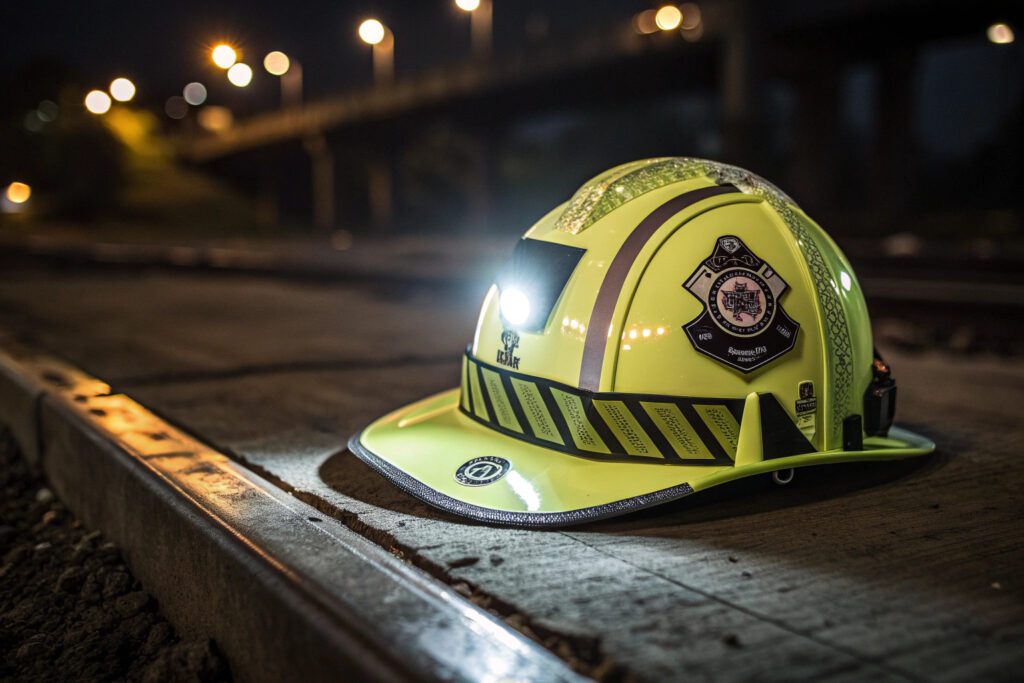
High visibility is critical because it ensures the safety of both volunteers and runners in crowded, low-light conditions, helping to prevent accidents and making it easier for exhausted runners to locate aid and personnel. A brightly colored hat with reflective elements makes a volunteer instantly identifiable.
We had a race director approach us with a specific problem: runners were having trouble identifying official volunteers at night. We created a simple but effective solution: a bright, fluorescent orange beanie. For the brim of their baseball caps, we used a special retro-reflective fabric. The feedback was immediate. Runners could spot the "beacons of hope" from a distance, and it made the aid stations feel safer and more organized. It's a simple application of color theory and material science that has a huge real-world impact.
What are the best colors for visibility?
Your brain is hardwired to notice certain colors. In a natural environment of greens, browns, and grays, artificial, fluorescent colors stand out dramatically.
The most effective high-visibility colors are:
- Fluorescent Yellow/Lime Green
- Fluorescent Orange
- Fluorescent Pink
These colors are especially effective at dawn and dusk, when the ambient light is low. Choosing one of these colors for your volunteer hats makes your team instantly recognizable from a distance, guiding runners in and alerting vehicles to their presence.
How can reflective elements be added?
While bright colors work well in daylight, they are useless in the dark. For nighttime safety, you need retro-reflective materials. These materials bounce light directly back to the source (like a headlamp or a car's headlights) with very little scattering.
We can integrate these materials in several ways:
- Reflective Piping: Sewing reflective piping into the seams of a baseball cap.
- Reflective Logos: Using a special reflective material for a heat-transfer logo or using a reflective thread for embroidery.
- Reflective Patches: Adding a patch of reflective material to the front or back of a beanie.
Even a small amount of reflective material can make a person visible from hundreds of feet away, a potentially life-saving feature in a dark, busy aid station.
How Can Branding Turn Gear into a Community Symbol?
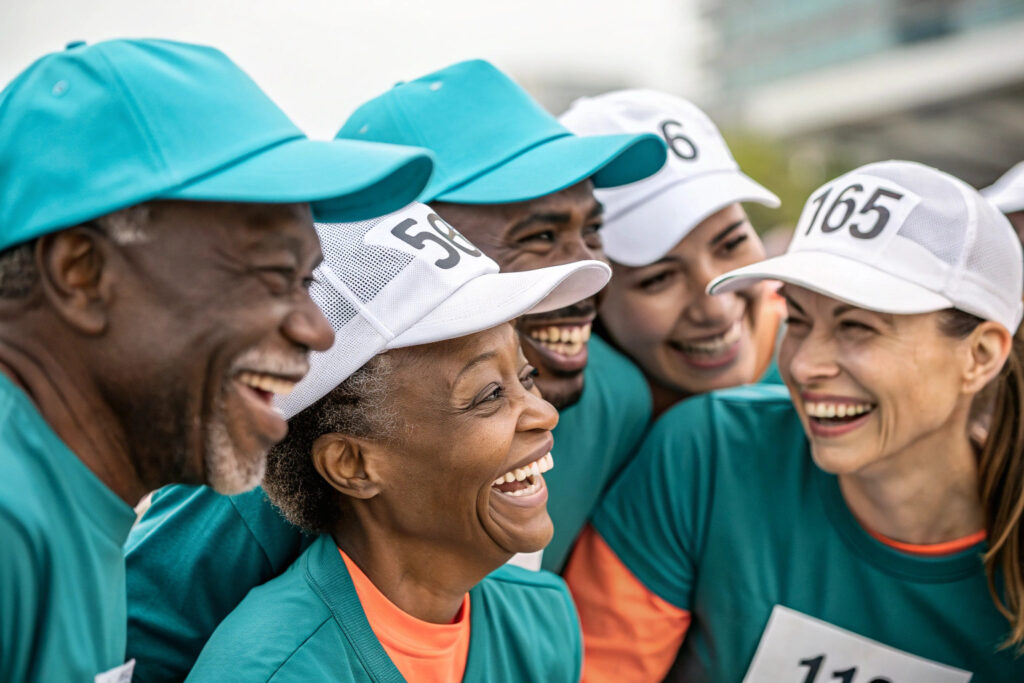
You've created the perfect functional hats for your volunteers. They're safe and comfortable. But there's one more step: branding. You might see it as a simple marketing task, but in the world of ultra-running, a race logo on a piece of gear is something more. It's a badge of honor.
Strategic branding transforms a piece of functional gear into a powerful symbol of community, accomplishment, and belonging, fostering a deeper connection between the event and its participants. For volunteers, a well-branded hat isn't just a uniform; it's a cherished memento of their contribution to an incredible human endeavor.
I've seen this firsthand. At the finish line of an ultra, you'll see volunteers who have been up for 30 hours still proudly wearing their race hat. It's because it represents more than just the event; it represents the shared experience, the camaraderie, and the satisfaction of helping others achieve something extraordinary. When we design hats for these events at shanghai Fumao Clothing, we know we're not just making a product; we're helping to create a symbol of that community.
Why does quality branding matter to volunteers?
A cheap, peeling logo on a flimsy hat sends a message that the volunteer's contribution is undervalued. It feels like an afterthought. In a sport built on grit and excellence, the quality of the gear should reflect the quality of the event.
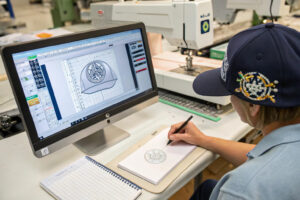
High-quality branding, like clean, durable embroidery or a premium woven patch, shows a level of respect for the volunteers. It demonstrates that the race organization is invested in them and values their time and effort. This small detail fosters a sense of pride and encourages volunteers to return year after year, which is the lifeblood of any successful ultra-marathon.
How can the hat become a coveted item?
The goal is to create a hat that people want to wear, not one they have to wear. How do you make the volunteer hat a piece of coveted swag?
The key is a combination of great design and perceived value.
- Use a Great Design: Work with a designer to create a compelling race logo that looks good on a hat.
- Choose a High-Quality Hat: Use a technical, comfortable hat as the base, not a cheap giveaway item.
- Subtle Branding: Sometimes, less is more. A small, well-placed logo on a high-quality hat is often more desirable than a massive logo on a cheap one.
- "Volunteer" Identifier: Adding the word "Volunteer" or "Crew" can make the hat an exclusive item, distinguishing it from the runners' gear and making it a unique badge of honor within the ultra-running community.
Conclusion
Equipping an ultra-marathon aid station volunteer is about so much more than just giving them a free hat. It's about providing them with a critical piece of performance gear that ensures their safety, comfort, and effectiveness. The ideal solution is a system: a wide-brimmed, UPF-rated bucket hat for the brutal sun; a lightweight, technical baseball cap for active periods; and a warm, performance beanie for the deep cold of the night. By integrating high-visibility colors and reflective elements into these styles, you create a uniform that is not only functional but is a beacon of safety on the trail. Investing in this gear is a direct investment in the health of your volunteers and the success of your event.
If you are a race director or a brand looking to create high-performance, custom headwear for your next event, my team at Global-Caps has the technical expertise and manufacturing capability to build the perfect solution for you. My name is Elaine, Business Director at Shanghai Fumao Clothing, and my email is: elaine@fumaoclothing.com.