Are you sourcing performance headwear for the global stage and need to understand the complex regulations around sports hijabs? Perhaps you're an athlete, a team manager, or a brand looking to supply gear that meets the highest international standards. Navigating the intersection of athletic performance, cultural observance, and diverse regulatory environments can be challenging. The question isn't just about finding a supplier; it's about understanding the approval landscape, sourcing high-performance fabrics, and ensuring the final product is fit for the Olympic arena.
The key to finding Olympic-compliant sports hijabs lies in a two-part strategy: first, understanding that approval is governed by the rules of each sport's International Federation (IF), not by a single "Olympic standard". Second, partnering with specialized manufacturers who prioritize the technical fabrics and secure designs that elite athletes require. As a leading manufacturer, we can help you navigate this process, from fabric selection to ensuring your design aligns with the relevant sporting regulations.
This guide will break down the approval framework, showcase the market leaders in performance hijabs, and provide practical sourcing steps to bring a competitive product to market.
What Are the Official Rules for Wearing a Hijab at the Olympics?
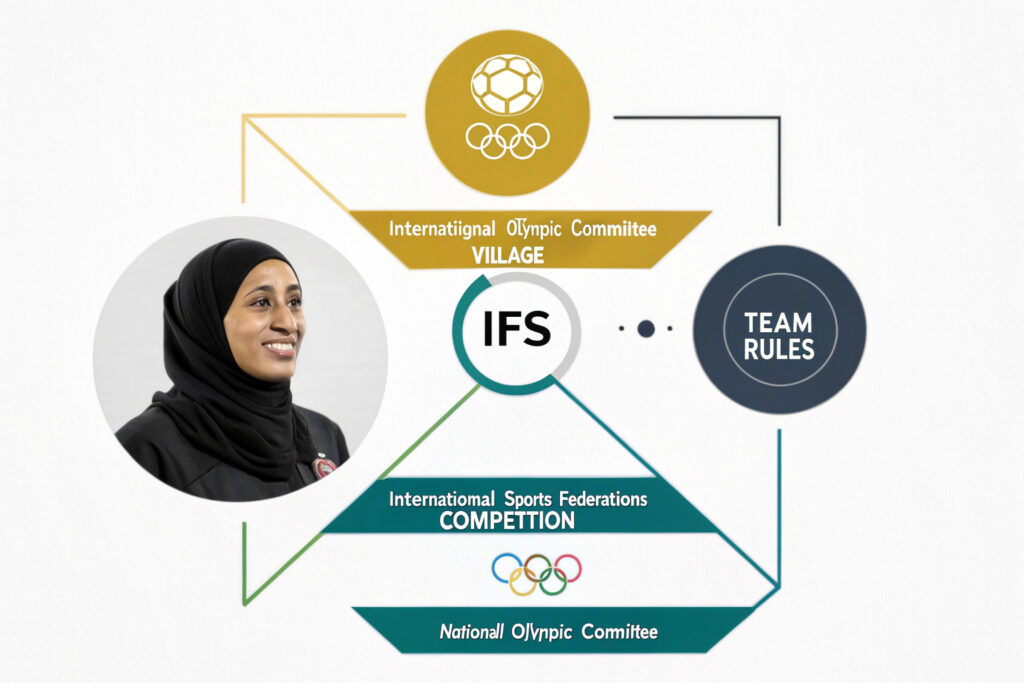
Confusion often arises because there isn't a single "Olympic rule" for hijabs. The authority is decentralized. For competitions, the regulations set by each sport's International Federation (IF) are supreme. This means a hijab approved for fencing may have different requirements than one for football or basketball. The International Olympic Committee (IOC) permits athletes to wear religious attire like hijabs in the Olympic Village without restriction . However, the moment an athlete enters competition, the relevant IF's rulebook takes over.
This landscape is further complicated by national regulations. A prominent example is France, which, citing its secularism (laïcité) laws, prohibited its own athletes from wearing hijabs during the Paris 2024 Games . This rule applied only to French team members as public officials and did not affect athletes from other nations . This highlights a critical point for suppliers: compliance must be checked at both the international federation level and, if applicable, the national level of the team you are supplying.
How Do International Federation Rules Differ?
The technical requirements from IFs can vary significantly. They often focus on safety, non-interference, and uniformity:
- Safety: The hijab must be secure and present no risk of catching or entanglement to the athlete or opponents. This is paramount in sports like football or basketball .
- Non-Interference: It cannot hinder the athlete's performance or obstruct vision, hearing, or movement. This was a key design challenge solved by brands like Nike for fencers .
- Material: While not always explicitly stated, the fabric must often be consistent with the team uniform (e.g., same color, no large logos) and made of a non-abrasive, breathable material.
It is the supplier's and team's responsibility to submit the specific hijab design to the relevant IF for approval before major competitions like the Olympics.
Why Is the French National Rule a Critical Case Study?
The French ban provides a vital lesson in navigating non-sporting regulations. The French Sports Minister stated the rule was to ensure "absolute neutrality in public services". For international suppliers, this underscores that a product's acceptability isn't solely about its technical merits. When dealing with national teams, a deep understanding of that country's legal and cultural context is essential. As a supplier, we at Shanghai Fumao Clothing emphasize the importance of this dual-layer verification—technical compliance with the IF and contextual awareness of the client's national framework—to ensure a smooth path to the podium.
Which Brands and Companies Lead in Performance Sports Hijabs?
The market for high-performance sports hijabs is led by established sportswear giants and innovative niche startups. These leaders have set the standard through athlete collaboration, technical fabric innovation, and a focus on secure, functional design. For bulk sourcing, studying these market leaders provides invaluable insight into the materials, construction, and design features that define an "Olympic-level" product.
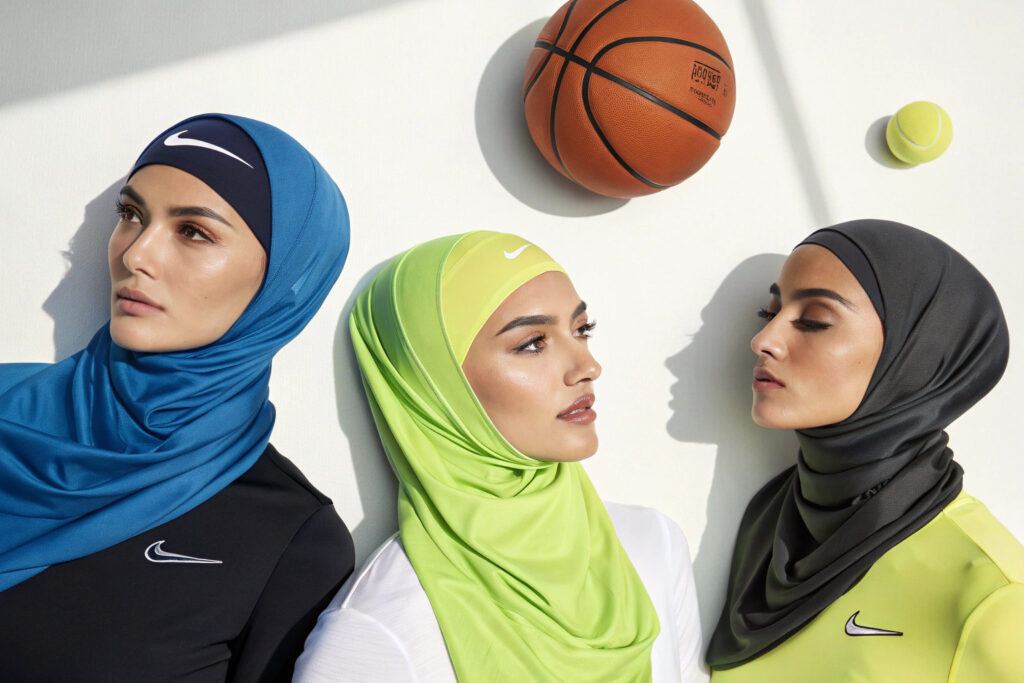
Major brands like Nike entered this space with a clear mission to remove barriers for athletes. Their Nike Pro Hijab line, launched in 2017, was developed directly with elite athletes like Olympic fencer Ibtihaj Muhammad, who needed a solution that wouldn't hinder movement or hearing . This direct athlete feedback is a gold standard for product development that suppliers should emulate. Simultaneously, smaller, mission-driven companies have emerged to serve specific communities, often with equal focus on performance and empowerment.
What Are the Key Design and Fabric Innovations?
Leading products share several high-performance characteristics:
- Technical Fabrics: The use of lightweight, breathable, and moisture-wicking materials is non-negotiable. For example, the UK-based brand Under-Rapt uses a patented blend of Tencel (Lyocell), polyester, and elastane for its hijabs, which are sweat-resistant and offer a close, secure fit . Tencel is known for its sustainable production and soft, hygienic properties .
- Secure Fit: Preventing slippage during intense activity is critical. Designs often incorporate adjustable features, grips, or tailored cuts that stay in place without pins, which can be a safety hazard.
- Athlete-Centric Design: Companies like Asiyah Sport and Kalsoni integrated feedback from young Muslim female athletes directly into their prototyping phases, ensuring the products solved real-world problems . This process often reveals needs beyond fabric, such as modesty-matched tunics or swimwear .
How Can Startups Inform Bulk Manufacturing Strategies?
While startups like Asiyah Sport (USA) or Kalsoni (USA) may not be bulk suppliers, their models are instructive . They demonstrate:
- The Importance of Fit Testing: Rigorous testing with the target athlete demographic is crucial for credibility.
- Community Connection: Their success is often tied to a strong empowerment narrative, which is a valuable marketing angle for bulk brands.
- Premium Positioning: They often command higher price points ($35-$40 per hijab) by focusing on quality, ethical manufacturing (sometimes in the USA), and donation programs .
For a bulk supplier, these insights translate into investing in a robust R&D and wear-testing phase, and developing a clear brand story that resonates with teams and institutions.
How to Source and Manufacture Olympic-Compliant Hijabs?
For businesses looking to enter this specialized market, the sourcing and manufacturing process requires a methodical approach that balances technical specifications with supply chain realism. The goal is to translate the performance standards set by market leaders into a scalable, reliable, and cost-effective production model. This involves everything from initial material sourcing and prototype development to final compliance verification.
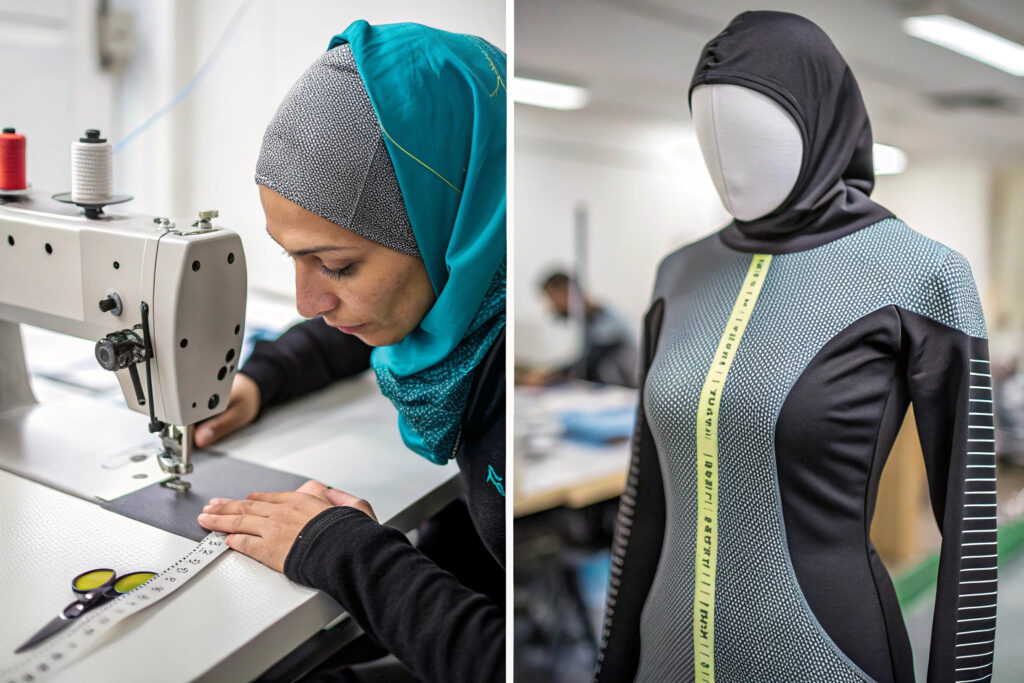
The first step is to move beyond basic commodities. A product listing for a generic "cotton sport hijab" on B2B platforms like Alibaba, while indicating market availability, does not meet the elite performance standard . The journey begins with identifying and sourcing advanced functional fabrics. As a manufacturer with over two decades of experience, we at Shanghai Fumao Clothing start every performance wear project by auditing our global fabric library and engaging our R&D team to source or develop the right material blends for the application.
What Is the Step-by-Step Development Process?
A professional development cycle typically includes:
- Fabric Sourcing & Testing: Procure samples of performance blends (e.g., polyester/spandex, Tencel blends, recycled materials). Test them for weight, four-way stretch, moisture-wicking speed, drying time, and colorfastness in a certified lab.
- Prototype Development: Create multiple fit samples based on a detailed tech pack. This stage should involve fit models performing sport-specific movements (running, jumping, stretching) to test security and comfort.
- Compliance Pre-Check: Before full production, consult the rules of the target sport's International Federation or share samples with the client for their own verification. Document all material compositions and construction details for submission.
- Production & Quality Control: Implement stringent in-line QC checks for stitch consistency, seam strength, and fabric defects. For elite sports, every piece should be inspected.
How Do You Ensure Quality and Compliance at Scale?
| Quality assurance for performance wear is multi-layered: | Stage | Focus Area | Action |
|---|---|---|---|
| Incoming Material | Fabric Performance | Test for shrinkage, pilling, and UV resistance (if needed). | |
| During Production | Construction | Audit stitch density, seam strength, and accurate placement of any grips or fasteners. | |
| Pre-Shipment | Final Product & Compliance | Perform a functional wear test on random units, verify against the approved sample and tech pack, and prepare compliance documentation packs. |
Partnering with a manufacturer experienced in sports apparel and technical garments is crucial. They will understand the need for flatlock seams to prevent chafing, the precision of laser-cut edges, and the importance of consistent tension in elastic components. Our work with complex orders, such as the precision required for official Olympic merchandise, has honed this exacting standard .
What Are the Commercial Applications and Market Considerations?
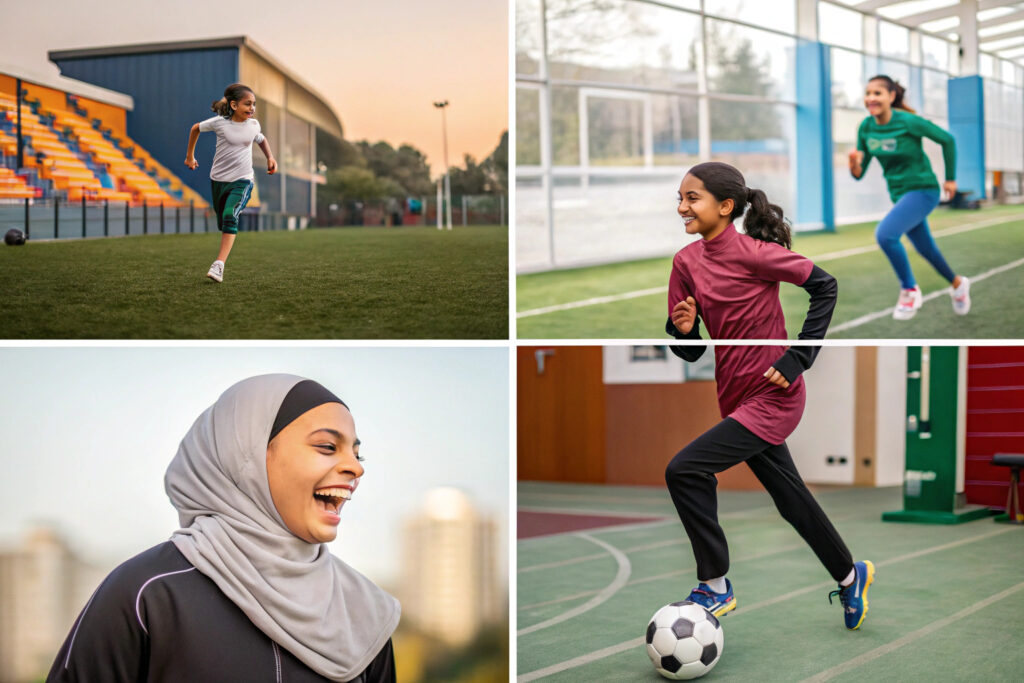
The market for sports hijabs extends far beyond the Olympic podium. It encompasses school athletic programs, university teams, professional leagues, and a vast community of fitness-conscious consumers. Understanding these segments allows for strategic product positioning, from high-performance competition gear to durable, everyday training wear. The commercial appeal is tied to values of inclusion, empowerment, and performance.
The core demand is driven by a global community of Muslim women and girls who are physically active. Studies and initiatives, like those cited by Asiyah Sport, indicate that lack of appropriate attire is a significant barrier to participation . By supplying this gear, you're not just selling a product; you're enabling access to sport. This powerful narrative resonates with institutional buyers like schools, community centers, and national sporting bodies looking to promote diversity and inclusion.
Who Are the Key Customer Segments?
The primary buyer groups are:
- Institutional Buyers: This includes national and regional sports federations, school districts, and university athletic departments. They often issue bulk tenders for team kits and training gear. Compliance with specific regulations (like U.S. high school athletic associations or International Federations) is their top priority.
- Team & Club Procurement: Professional sports teams, semi-pro leagues, and local sports clubs seek reliable, high-quality uniforms. They value durability, consistent supply, and custom branding options.
- B2B Retail & E-commerce: Brands and retailers looking to stock performance hijabs as part of their inclusive activewear lines. They focus on design, brand story, and marketability to the end consumer.
How Should You Position and Price This Product Line?
Positioning should be clear: Technical Athletic Apparel. Avoid marketing it solely as religious wear; emphasize the performance features (breathability, secure fit, moisture management) first. This broadens the appeal to any athlete who values function.
Pricing must reflect the value chain. Competition-grade hijabs using advanced fabrics and precise construction will sit at a premium price point, comparable to other high-end athletic base layers. More affordable lines can be developed for school and recreational use with slightly simpler materials, but never compromising on the core secure-fit functionality. Transparency about the quality and R&D behind the product justifies the price to knowledgeable buyers.
Conclusion
Finding and sourcing Olympic-compliant sports hijabs is a specialized endeavor that requires expertise in three converging fields: the nuanced regulations of international sports federations, the high-performance demands of athletic apparel design, and the sensitivities of cultural and religious observance. Success lies not in finding a generic supplier, but in partnering with a development-focused manufacturer capable of co-creating a product that meets elite athletic standards.
From understanding the decentralized rule-making of the IOC and International Federations to reverse-engineering the fabric innovations of market leaders like Nike and Under-Rapt, the process is detail-oriented. The commercial opportunity is significant and meaningful, serving a growing global demand for inclusive, high-performance sportswear that allows every athlete to compete with confidence and comfort.
If you are looking to develop a line of competition-ready or training sports hijabs, partnering with an experienced manufacturer is the critical first step. Shanghai Fumao Clothing is equipped to be that partner. Our integrated R&D team, expertise in technical fabrics, and experience in producing for the most demanding markets ensure your product is built to perform on the world stage. To discuss your sports hijab project, contact our Business Director, Elaine, at elaine@fumaoclothing.com. Let's create gear that empowers athletes to reach their highest potential.