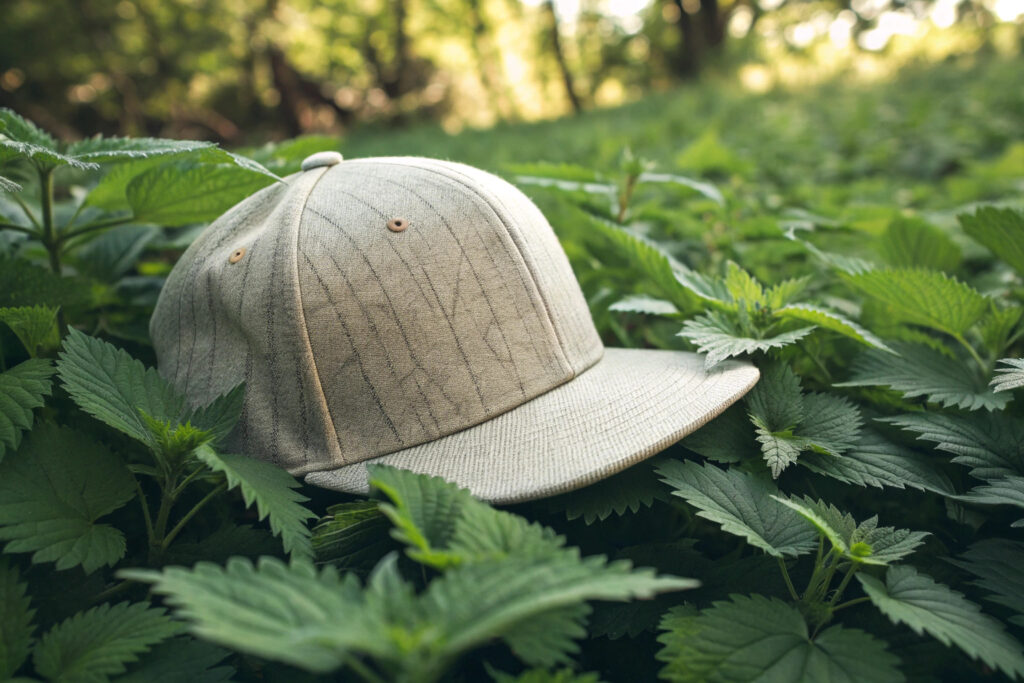
As someone who has been in the hat business for over two decades, and if there’s one thing I’ve learned, it’s that innovation never stops. For years, buyers like Ron in the U.S. have focused on quality and speed. But now, a new question keeps coming up in our meetings: "What's next in sustainability?" Everyone is looking for the next big thing after organic cotton and recycled polyester. They're worried about falling behind the curve, missing out on a material that could define their brand as a true leader in eco-conscious fashion.
Nettle fiber caps are gaining traction because they offer a powerful combination of superior sustainability, unique performance characteristics, and a compelling story that resonates with environmentally aware consumers. This ancient fiber, reimagined for the modern market, is a direct answer to the industry's search for innovative, low-impact materials. At my company, Shanghai Fumao clothing, we are actively exploring these next-generation textiles.
The pressure to be "green" is immense, but it's also a huge opportunity. Your customers are more educated than ever. They want to know where their products come from and what they're made of. Offering a hat made from nettle fiber isn't just a gimmick; it's a statement. It shows you're thinking deeply about the planet. Let's explore why this remarkable fiber is quickly becoming a favorite for forward-thinking brands and how you can leverage it.
What Makes Nettle a Superior Eco-Fiber?
You hear about new "sustainable" fabrics all the time, and it's hard to know what's truly eco-friendly versus what's just greenwashing. You might invest in a new material only to discover it has a hidden environmental cost, like high water consumption or heavy chemical processing. This uncertainty makes it risky to innovate, leaving you stuck with the same old materials.
Nettle stands out as a superior eco-fiber because it is a naturally resilient perennial that requires minimal water, no pesticides, and actively regenerates soil health, making its cultivation inherently regenerative. Unlike many conventional crops, its entire lifecycle, from growth to processing, has a significantly lower environmental footprint, offering a genuinely sustainable alternative.
When our R&D team first presented their findings on nettle, I was skeptical. It sounded too good to be true. But the data was clear. We compared its water usage to conventional cotton and the results were staggering—nettle requires a fraction of the water. It thrives in temperate climates without the need for chemical inputs, which is a huge win for biodiversity. This isn't just a marginal improvement; it's a leap forward. It aligns perfectly with our ¥550M investment in green production and our commitment to the UN Sustainable Development Goals.
How does nettle cultivation benefit the environment?
You want to offer products that are good for the planet, but the story behind "organic" can sometimes feel played out. Your customers are savvy; they want to know how a material is beneficial. Simply stating a product is "eco-friendly" is no longer enough. You need a deeper, more compelling narrative to capture their attention and loyalty.
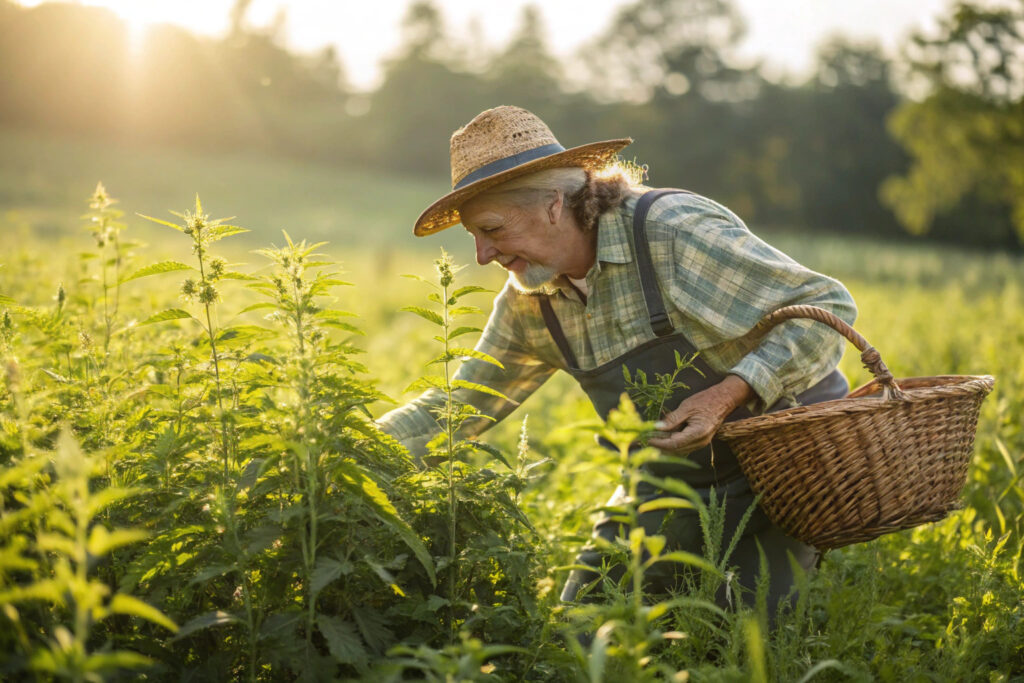
Nettle cultivation is a story of positive impact. As a perennial plant, stinging nettle (Urtica dioica) doesn't need to be replanted every year, which prevents soil erosion and maintains soil structure. Its deep roots help improve soil aeration and water retention. More importantly, it's a powerhouse of biodiversity, providing a habitat for beneficial insects, including pollinators like bees and butterflies. Unlike monoculture crops that can deplete soil nutrients, nettle plants actually enrich the soil as they grow. This "regenerative" aspect is a powerful marketing tool that goes beyond simple sustainability. It’s a story of giving back to the earth, a narrative that deeply resonates with conscious consumers.
Is nettle processing also eco-friendly?
A fiber might be grown sustainably, but if turning it into fabric requires a cocktail of harsh chemicals, its green credentials are questionable. This is a major concern with some fibers, like bamboo viscose, which often involves a chemically intensive process. You're right to be cautious and ask about the entire lifecycle, from plant to textile.
The traditional and increasingly revived method for processing nettle fiber, known as "retting," is remarkably eco-friendly. It uses natural moisture—like dew, ponds, or streams—to break down the plant's woody core and release the soft, pliable fibers within. This biological process avoids the need for the harsh chemical solvents used in other fiber manufacturing. While modern enzymatic retting processes are being developed to speed this up, they are also based on natural principles. This commitment to a low-impact process from start to finish is what makes nettle, often called "the new linen," a truly holistic and sustainable choice for brands that prioritize environmental integrity.
How Does Nettle Fiber Perform in Hats?
You're intrigued by the sustainability story, but you know that performance is non-negotiable. Your customers won't buy a hat, no matter how eco-friendly, if it's uncomfortable, weak, or falls apart after one season. You're worried that this "wonder fiber" might be too good to be true and could fail the most important test: the wearer's experience.
Nettle fiber excels in performance for headwear, offering a unique blend of strength, breathability, and natural technical properties that make it both durable and comfortable. The fiber is hollow, which allows it to trap air for insulation in cooler weather while remaining lightweight and breathable for warm conditions, making it a versatile, all-season material.
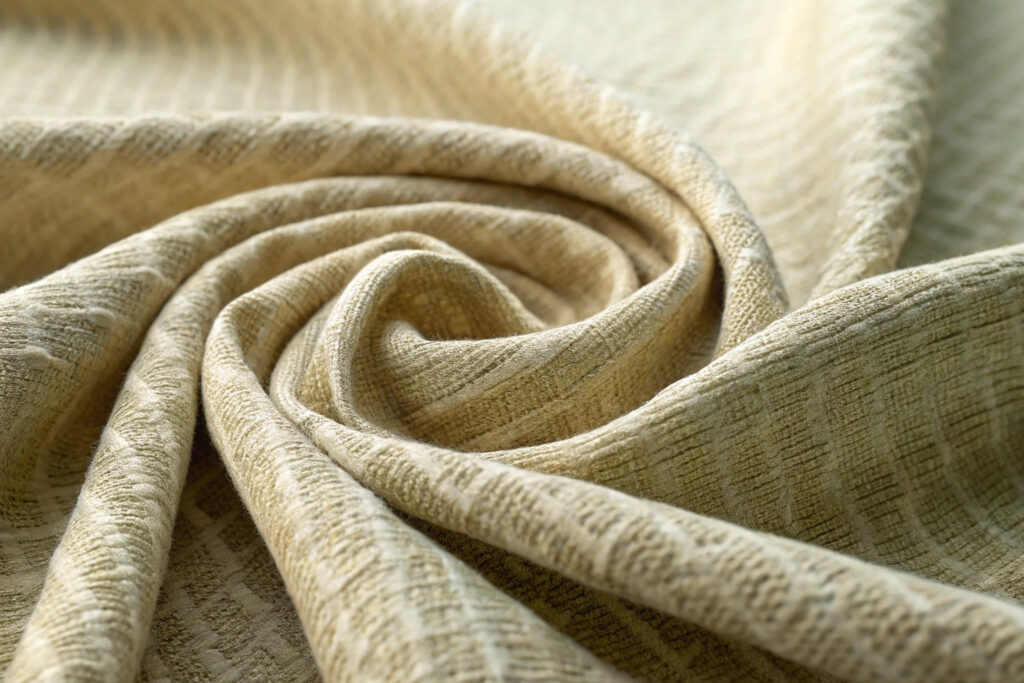
When we created our first prototype, a classic Baseball cap, from a nettle-cotton blend, our team was blown away. The fabric had a beautiful, natural luster and a texture similar to high-quality linen but felt stronger. We put it through the wringer in our CNAS-certified lab—testing for tensile strength, abrasion resistance, and colorfastness. It performed exceptionally well, proving it was more than just a story; it was a high-performance material. This blend of eco-credentials and functional excellence is the holy grail for product developers.
Is nettle fiber durable enough for daily wear?
Your brand's reputation rests on the quality of your products. The last thing you want are returns and complaints about a Bucket hat or Beanie losing its shape or wearing out too quickly. Durability is a cornerstone of sustainability—the longer a product lasts, the better it is for the planet. So, you have to ask: can nettle fiber withstand the rigors of daily use?
Absolutely. Nettle fibers are known for their exceptional length and strength, making them one of the most durable natural plant fibers available, often compared to ramie and linen. This inherent toughness comes from the high cellulose content in the plant's bast fibers. This means hats made from nettle are highly resistant to pilling and abrasion, and they actually get softer and more comfortable with each wash without losing their structural integrity. This longevity is a key selling point, allowing you to market your hats not as disposable fashion but as long-lasting investments, a message that aligns perfectly with the slow fashion movement.
What are the comfort and care requirements?
Even the most durable hat won't sell if it's scratchy or high-maintenance. Comfort is king. You're concerned that a "rustic" fiber like nettle might be uncomfortable against the skin or require complicated, impractical care instructions that will frustrate your customers.
Nettle fiber is surprisingly comfortable. The long, smooth fibers create a fabric that is gentle on the skin and highly breathable, reducing sweat and keeping the wearer cool. Its natural hollow structure gives it excellent moisture-wicking properties, drawing perspiration away from the skin. As for care, it's similar to other natural fibers like linen or hemp. Nettle-blend fabrics can typically be machine washed on a gentle cycle with cold water and either air-dried or tumbled dry on low. This ease of care makes it a practical choice for everyday headwear, from a casual Sun hat to a stylish Fedora.
How Can Brands Market Nettle Fiber Caps?
You've sourced a fantastic nettle fiber hat. The quality is there, the eco-story is solid. But how do you communicate this to your customers in a crowded market? You're competing against thousands of other brands, and simply putting "Made with Nettle" on the tag isn't enough. You need a strategic way to tell this story so it cuts through the noise and drives sales.
Brands can effectively market nettle fiber caps by focusing on "transparent storytelling," highlighting the journey from regenerative plant to premium product and emphasizing three key pillars: eco-innovation, tangible benefits, and ethical luxury. This approach transforms the product from a simple hat into a symbol of conscious consumerism.
We advise our partners to use the QR code system we've developed. A customer can scan the tag on their new Newsboy cap and see a short video of the nettle fields, learn about the water saved during its cultivation, and view the eco-certifications. This isn't just marketing; it's education. It builds a powerful connection between the wearer and the product's origins. This level of transparency has been a game-changer for our clients, especially those targeting millennials and Gen Z, who value authenticity above all else. This is a core part of the value we provide at Shanghai Fumao clothing.

What is the core story to tell customers?
Every product needs a hook, a core narrative that makes it memorable. With so many "green" claims out there, you're struggling to find an angle for nettle that feels fresh and compelling. You need a story that is easy to understand but powerful enough to make a customer choose your hat over a competitor's.
The core story is one of "ancient wisdom meets modern innovation." Frame nettle as a forgotten super-fiber, used for centuries for its strength and versatility, now rediscovered by sustainable science. Talk about its regenerative properties—how it helps heal the soil and supports biodiversity. Use evocative language: "This isn't just a hat; it's a piece of a living ecosystem." This narrative positions the product not just as sustainable, but as part of a positive environmental movement. It’s a story that makes the customer feel good about their purchase on multiple levels, tapping into the growing desire for products with a purpose, a trend well-documented by publications like Vogue Business.
Nettle fiber is currently more expensive than conventional cotton or polyester. You're worried that a higher price tag will scare away customers, even if the product is superior. How do you convince them that a nettle fiber hat is worth the extra investment?
You justify the premium by framing it as a value, not a cost. The price reflects a choice to support a healthier planet and a higher quality product. Use your marketing to break down this value. Explain that the price supports pesticide-free farming, lower water consumption, and ethical production practices. Highlight the fiber's superior durability—this hat will outlast cheaper alternatives, making it a smarter long-term purchase, a key tenet of circular fashion. Position it as an "affordable luxury," an accessible way for customers to invest in high-end, sustainable design. When customers understand the "why" behind the price, they are often willing to pay more for a product that aligns with their values.
What is the Future of Nettle in Fashion?
You've seen the benefits, the performance, and the marketing angle. But as a forward-thinking buyer, you're not just thinking about this season; you're planning for the next five years. Is nettle a fleeting trend, or is it a long-term player in the sustainable materials landscape? You need to know if this is a worthwhile investment for your brand's future.
The future of nettle in fashion is incredibly bright, driven by scalable cultivation projects, advancements in processing technology, and growing consumer demand for truly circular and regenerative materials. Nettle is poised to move from a niche fiber to a mainstream sustainable alternative to conventional fabrics like cotton and linen.
We are already seeing this shift. Major research institutions and textile consortiums are investing in nettle. I recently attended a textile innovation summit where a significant portion of the discussion was dedicated to bast fibers like nettle and hemp. The focus is on scaling up. There are now pilot farms across Europe and North America dedicated to optimizing nettle cultivation for fiber production. This isn't a small-scale experiment anymore; it's the beginning of a new agricultural supply chain for the fashion industry.

Are there challenges to scaling up production?
You're excited about the potential, but you're also a realist. You know that scaling up any new material comes with challenges. You're concerned about potential bottlenecks in the supply chain, price volatility, and whether the quality can remain consistent as production increases.
The primary challenges are agricultural scale and processing efficiency. Nettle harvesting and fiber extraction are still more labor-intensive than for crops like cotton. However, this is rapidly changing. Agricultural technology companies are developing specialized harvesters, and biotech firms are perfecting enzymatic retting processes that can extract fibers faster and more consistently. As these innovations become more widespread, the cost will come down, and the supply will become more stable. It's a similar trajectory to what we saw with organic cotton two decades ago.
What new blends and applications are emerging?
The first step is a nettle-cotton blend, but what comes next? You're always looking for the next innovation, the next unique product to offer your customers. You want to know how this versatile fiber will be used in the future.
The possibilities are endless. Our R&D team is currently developing some exciting new blends. Think nettle and Tencel™ for a silky-smooth, drapey fabric perfect for a stylish Cloche hat. Or nettle and merino wool for a high-performance Trapper hat that is both incredibly warm and naturally breathable. We are also exploring pure 100% nettle fabrics that, once refined, could rival the finest Belgian linen. Beyond hats, the fiber's strength makes it a candidate for durable accessories like bags and even footwear. This versatility ensures that nettle will be a cornerstone of sustainable material libraries for years to come.
Conclusion
The rise of nettle fiber is more than just a fleeting trend; it represents a fundamental shift in the fashion industry toward materials that are not just less bad, but actively good for the planet. For brands looking to innovate and lead, nettle offers a rare opportunity. It delivers on sustainability with its regenerative cultivation and low-impact processing. It performs exceptionally, offering durability and all-season comfort. And it comes with a powerful, authentic story that can captivate a new generation of conscious consumers. By embracing materials like nettle, you are not just selling a hat; you are co-creating a more sustainable and responsible future for fashion.
If you are ready to explore the potential of nettle fiber or other innovative, sustainable materials for your next collection, my team and I are here to help. We have the R&D expertise and supply chain partnerships to turn your vision into a reality. My name is Elaine, Business Director at Shanghai Fumao clothing, and my email is: elaine@fumaoclothing.com.