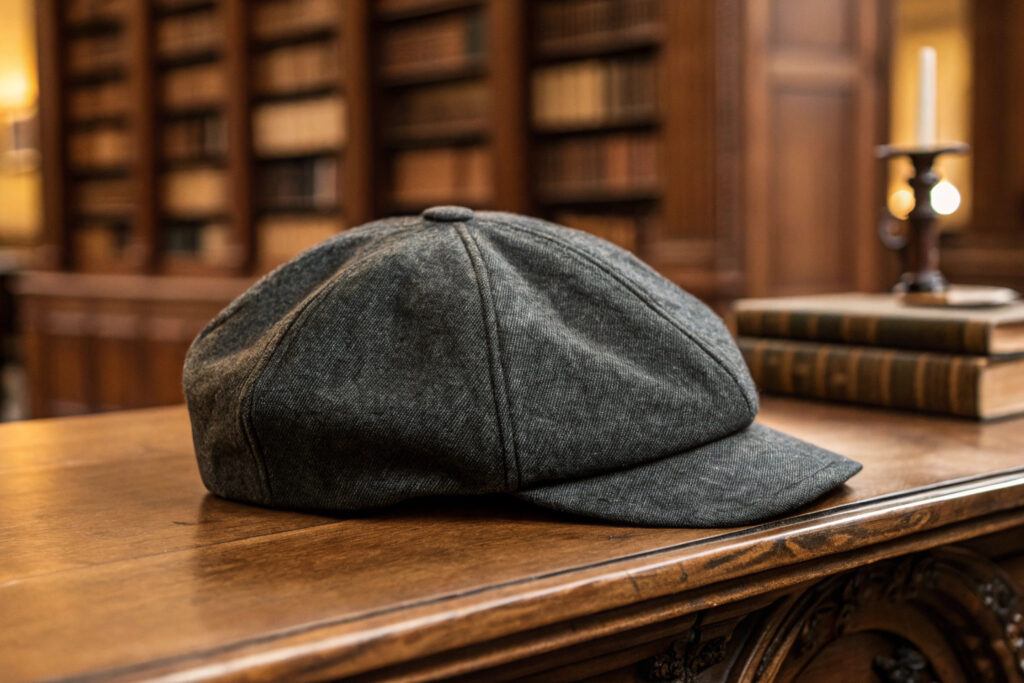
You love the classic, sophisticated look of a newsboy cap. You're drawn to the unparalleled softness and warmth of cashmere. But every time you've tried to wear a wool or even a low-quality cashmere hat, you've been left with an itchy, irritated forehead. It's a frustrating problem: your sense of style desires luxury, but your skin demands comfort. You're left wondering if a hat that is both truly luxurious and genuinely hypoallergenic even exists.
The best place to find a truly hypoallergenic cashmere newsboy cap is not on a retail shelf, but through a specialized manufacturer that sources certified, high-grade, long-staple cashmere and uses advanced dehairing and finishing processes. The key isn't just the material, but the quality and purity of that material, combined with a design that prioritizes skin contact, such as incorporating a soft, non-irritating liner.
As the owner of Shanghai Fumao Clothing, I've spent over 20 years working with the world's finest materials. I've learned that "cashmere" is not a single standard of quality. The difference between a scratchy, mass-market cashmere blend and a truly hypoallergenic, premium cashmere garment is immense. It's a difference you can feel instantly. Let's explore what makes cashmere hypoallergenic and how you can source a cap that delivers pure comfort without compromising on style.
What Makes Some Cashmere Itchy (and Others Not)?
You've been told that cashmere is the softest wool in the world, yet your skin tells a different story. This isn't an allergic reaction in the traditional sense; it's a physical one. The itchiness from wool and low-grade cashmere is caused by coarse, thick fibers pricking your skin.
The secret to hypoallergenic cashmere lies in two factors: fiber diameter (micron count) and purity (dehairing).
- Fiber Diameter: The softness of a wool fiber is measured in microns (a millionth of a meter). The human threshold for itchiness is around 25-30 microns. Any fiber thicker than this will feel prickly. High-quality cashmere has a micron count of 14-19, making it significantly finer than human hair and far too fine to irritate the skin. In contrast, coarse sheep's wool can be over 40 microns thick.
- Purity (Dehairing): Raw cashmere fleece from a goat contains two types of fibers: the incredibly soft, fine underdown (the good stuff) and coarse, thick outer "guard hairs" (the bad stuff). The process of separating these is called dehairing. Low-quality, cheap cashmere contains a higher percentage of these coarse guard hairs, and it's these prickly fibers that cause the itch. Truly hypoallergenic cashmere is 99.9% pure underdown.
When we source cashmere for our clients at Shanghai Fumao Clothing, we don't just order "cashmere." We specify the grade, the micron count, and the purity percentage. We work with suppliers who use advanced, multi-stage dehairing processes to ensure the final yarn is as pure and soft as possible. This meticulous attention to the raw material is the first and most important step in creating a truly hypoallergenic garment and is a key part of our manufacturing process.
Is a cashmere allergy a real thing?
While a true allergy to the cashmere fiber itself is extremely rare, some people can have a reaction to the lanolin (a natural grease found in wool) or the chemicals and dyes used in processing. However, for the vast majority of people, the "allergy" is simply a mechanical irritation from coarse fibers. Reputable sources like the American Academy of Dermatology (AAD) explain that this type of contact dermatitis is very common.
What does "Grade A" cashmere mean?
Cashmere is graded based on its fineness and length. Grade A is the highest quality, with a micron count typically under 19 and long fibers (over 34mm). Longer fibers are more durable and less likely to pill (form little balls), resulting in a garment that is not only softer but also lasts longer. Lower grades (B and C) use thicker, shorter fibers, which results in a less soft and less durable product.
How Are Hypoallergenic Caps Designed and Made?
Creating a truly hypoallergenic newsboy cap is about more than just using the right cashmere. It's about thoughtful design and construction that prioritizes comfort at every point of contact with the skin.
The manufacturing process involves several key considerations:
- Material Sourcing: As discussed, it starts with sourcing certified Grade A, long-staple, fully dehaired cashmere. This is non-negotiable.
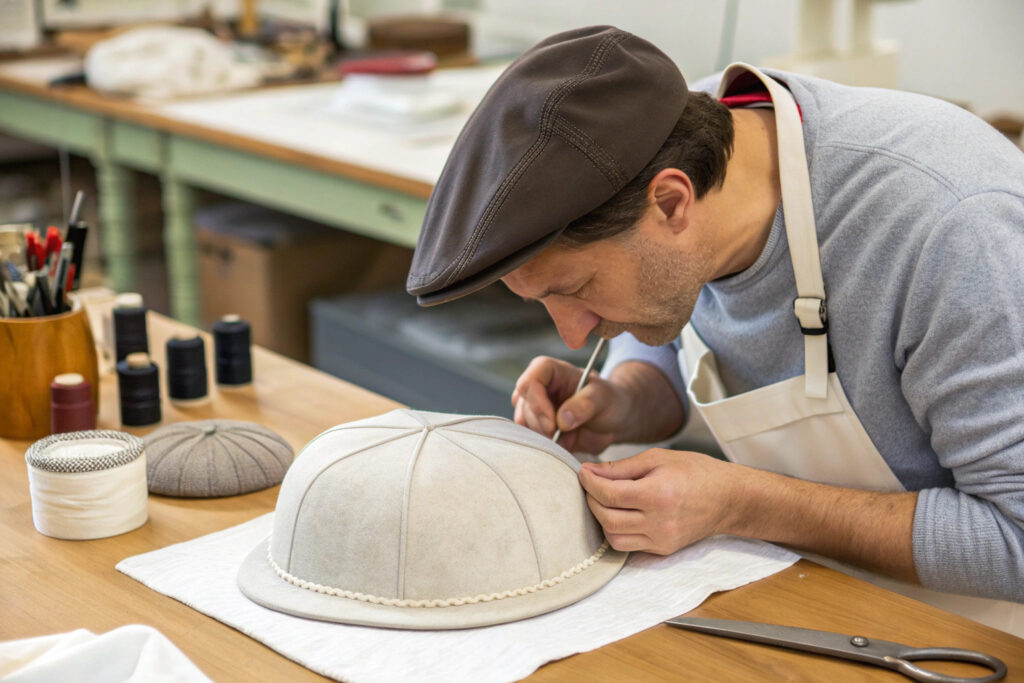
- The Inner Lining: This is the secret weapon. To provide an extra layer of protection and a sensation of pure luxury, a high-end cap will be fully lined with a soft, non-irritating material. The best choices for a lining are:
- Silk or Silk Blends: Incredibly smooth and gentle on the skin.
- Cupro (Bemberg™): A regenerated cellulose fiber derived from cotton linter. It's exceptionally soft, breathable, and anti-static.
- Soft Cotton Jersey: A simple, breathable, and hypoallergenic option.
- The Sweatband: The part of the hat that has the most direct and firm contact with your forehead is the sweatband. In a hypoallergenic cap, this cannot be a standard polyester band. It must be made from the same soft, skin-friendly material as the lining.
- Dyeing and Finishing: The cap should be dyed using high-quality, eco-friendly dyes that are free from harsh chemicals. After construction, a final gentle steam finish relaxes the fibers, enhancing their natural softness.
This level of detail is what separates a true luxury product from a mass-market one. It's a philosophy of "no-compromise comfort." When we manufacture a premium cap for a client, we obsess over these details—the smoothness of the seams, the softness of the lining, the quality of the thread. This is the art of sourcing a truly premium product.
What is Cupro?
Cupro, often known by the brand name Bemberg™, is a high-quality "artificial silk" fabric. It's made by dissolving the linter (the tiny, silky fibers left on a cottonseed after ginning) and then spinning it into a new fiber. As explained by textile resources like The Business of Fashion, it is prized for its silky-smooth feel, breathability, and sustainable origins, making it a popular choice for lining high-end suits and garments.
Do seams make a difference?
Yes, absolutely. Even with a soft lining, a thick, rough seam can cause irritation. In a premium cap, the seams of the lining will be carefully pressed flat or even covered with a soft binding to ensure the entire interior surface is as smooth as possible.
How Can You Source These Caps?
You are unlikely to find a newsboy cap made to this exacting standard in a typical department store. The level of quality and material purity required places it in a niche, luxury category. Your best options are to look for high-end specialty brands or to work directly with a manufacturer.
Here are the primary sourcing channels:
- High-End Luxury Brands: Look for established luxury brands known for their knitwear and accessories. These brands often have the sourcing power and quality standards to produce genuinely high-grade cashmere products. Be prepared for a premium price point that reflects the brand name and material quality.
- Specialty Online Retailers: There are online boutiques that specialize in cashmere or fine accessories. These smaller retailers often focus on curating products from artisanal workshops or smaller, quality-focused factories. Read their product descriptions and "About Us" pages carefully to understand their sourcing philosophy.
- Direct from a Custom Manufacturer: For brands, retailers, or individuals wanting to create their own line, the most effective route is to partner directly with a manufacturer that specializes in premium headwear. This gives you complete control over the materials, design, and quality. You can specify the exact grade of cashmere, choose the lining material, and approve every detail before production.
Working directly with a manufacturer like Shanghai Fumao Clothing demystifies the process. We can provide you with samples of different grades of cashmere and various lining options, allowing you to build a product that perfectly matches your quality standards and brand vision. This is the most reliable way to ensure the final product is truly hypoallergenic and luxurious.
What is a reasonable price for a high-quality cashmere cap?
The price can vary widely, but you should be skeptical of very low prices. Given the high cost of raw Grade A cashmere, a well-made, fully-lined newsboy cap from a reputable brand will likely be a significant investment, often well over $100 or even several hundred dollars. A price that seems too good to be true probably indicates a lower grade of cashmere or a blend.
What is the MOQ for a custom order?
For a custom order using premium materials like Grade A cashmere, the Minimum Order Quantity (MOQ) is typically lower than for standard products but still exists. You can expect an MOQ in the range of 100 to 300 pieces per style. This is because the factory needs to purchase a minimum amount of the specialized yarn and set up the production line for your specific design.
How Do You Verify the Quality of the Cashmere?
Trust, but verify. In the world of luxury materials, claims are easy to make, but proof is what matters. Whether you are a consumer or a buyer, there are ways to check the quality of the cashmere.
Here's what to look for and what to ask for:
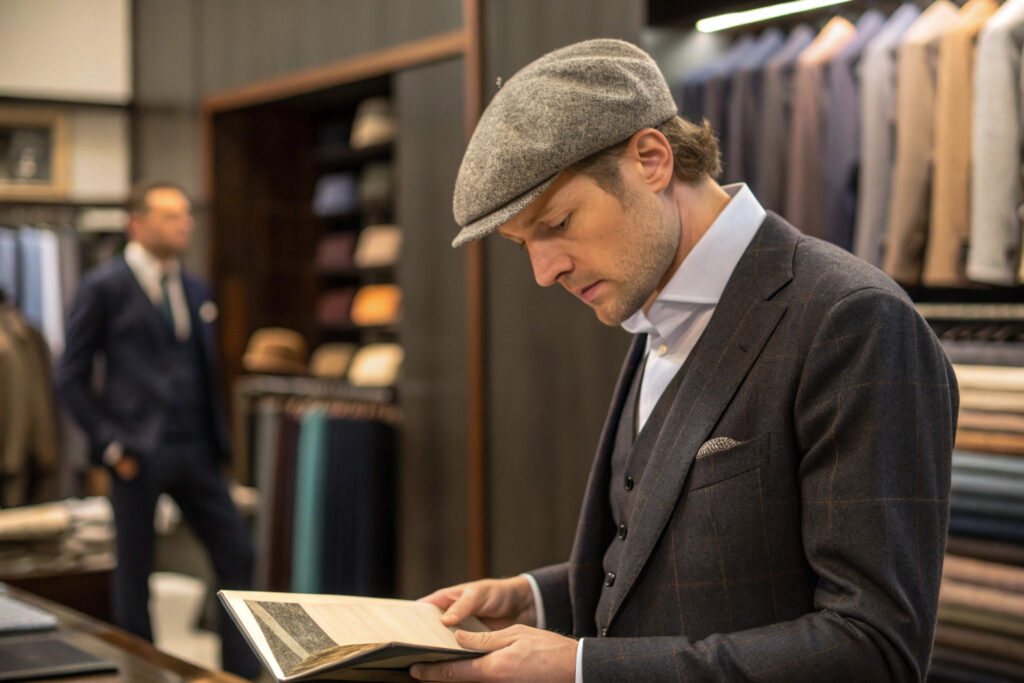
- The "Feel" Test: High-grade cashmere should feel incredibly soft and smooth, not scratchy. Gently rub the fabric on a sensitive part of your skin, like your neck or the inside of your wrist. You should feel no prickle at all.
- The "Pill" Test: Gently rub a small area of the fabric with your thumb. A lower-quality cashmere made from short fibers will immediately start to form little balls (pills). A high-quality cashmere made from long-staple fibers will resist pilling much more effectively.
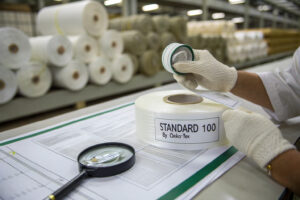
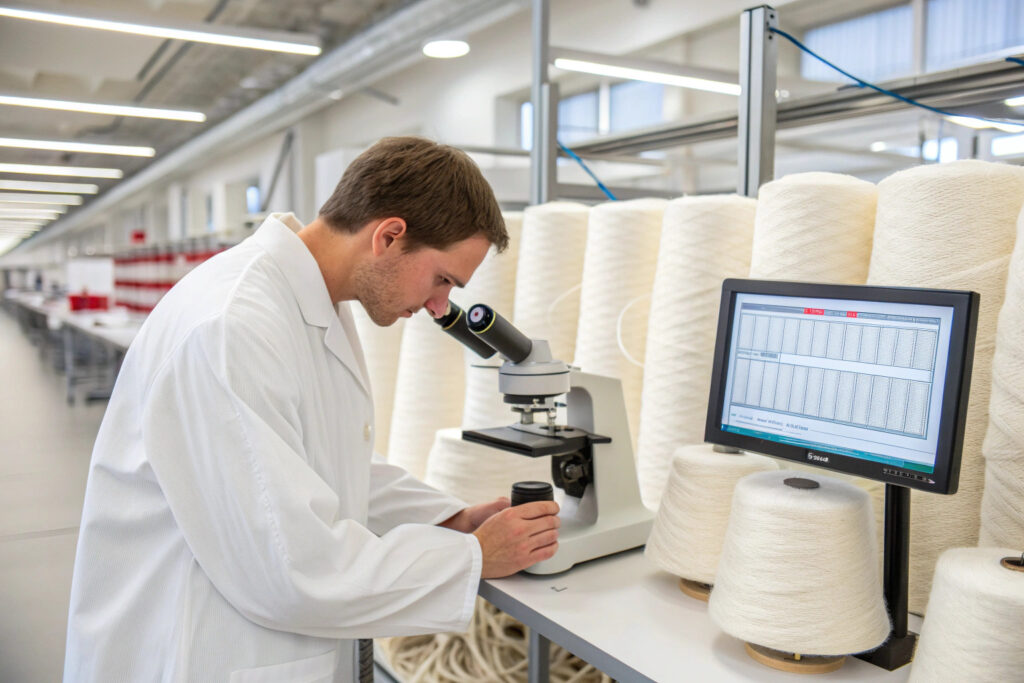
- Ask for a Fiber Composition Report: If you are sourcing in bulk, you can and should ask your manufacturer for a third-party lab test report. This report will scientifically verify the exact fiber composition of the yarn, confirming that it is 100% cashmere and providing data on the average micron count.
- Check the Lining and Construction: Look inside the cap. Is it lined? Is the sweatband soft? Are the seams smooth? The attention to detail on the inside of the hat is often the best indicator of the overall quality of the product.
We encourage this level of scrutiny from our clients. We provide full transparency on our material sourcing and are happy to provide the necessary documentation to prove the quality of our cashmere. Building trust is as important as building a great product.
Are there reliable certifications for cashmere?
While there isn't one single "certified hypoallergenic" label, there are certifications that indicate responsible and high-quality sourcing. The Sustainable Fibre Alliance (SFA) is a non-profit that works to promote sustainability in the cashmere supply chain. Products that adhere to their standards are a good sign of responsible sourcing. Additionally, an OEKO-TEX® certification ensures the product is free from harmful chemicals.
Can you do a "burn test" to check for 100% cashmere?
The burn test is an old method where you burn a small fiber to see how it reacts. Natural animal fibers like cashmere will singe and smell like burning hair, while synthetics will melt and form a hard bead. However, this test is not precise enough to distinguish pure cashmere from other wools and can be destructive. It's not a recommended method for a finished garment. A lab report is far more reliable.
Conclusion
Finding a newsboy cap that embodies the luxurious softness of cashmere without the dreaded itch is entirely possible. The secret lies in moving beyond mass-market offerings and seeking out products made from the highest grade of pure, fully dehaired cashmere. It's about appreciating that true quality is defined not just by the name of the material, but by its purity, fineness, and the thoughtful construction of the garment itself.
By focusing on Grade A cashmere, insisting on a soft, skin-friendly lining, and partnering with a transparent and quality-focused manufacturer, you can finally own or create a cap that satisfies both your sophisticated style and your sensitive skin.
If you are a brand or retailer looking to create a line of truly premium, hypoallergenic headwear, my team at Shanghai Fumao Clothing has the expertise and the passion for quality to be your ideal partner. We understand the nuances of luxury materials and are committed to craftsmanship. Please contact our Business Director, Elaine, at her email: elaine@fumaoclothing.com to begin the conversation.