Entering the European market with faux fur headwear like ushankas is a smart move, driven by strong consumer and regulatory trends. However, success hinges on navigating a landscape where “ethical” means more than just “not real fur.” EU buyers increasingly demand comprehensive sustainability—addressing animal welfare, environmental impact, and supply chain transparency. A simple synthetic alternative may no longer suffice.
The solution is to develop a strategic sourcing and production plan that aligns with EU market dynamics. This means selecting innovative, next-generation materials, understanding stringent regulations, and building a transparent supply chain narrative that resonates with European consumers and retailers. It transforms compliance from a hurdle into a core competitive advantage.
Let’s explore the concrete steps to build this ethical and commercially viable supply chain for your faux fur ushankas.
What Key EU Regulations and Market Trends Must You Follow?
The EU market for faux fur is shaped by a dual force: evolving consumer ethics and a tightening regulatory framework. While faux fur avoids animal welfare bans, it is now scrutinized for its environmental footprint. Ignoring these trends risks non-compliance and missing key selling points.
You must follow regulatory pathways for synthetic materials and proactively address the sustainability expectations that are becoming the new market standard. Brands are moving beyond basic “fake fur” to materials with verifiable eco-credentials, driven by both legislation and a genuine shift in consumer demand, especially among younger demographics.
How Do EU Import Controls and Bans Affect Faux Fur?
Faux fur (falling under HS Chapter 43 alongside real fur) is subject to official controls at EU Border Control Posts. While not banned, its classification means shipments must be meticulously documented to prove the material is synthetic and avoid being mistaken for, or mixed with, regulated animal products. This is critical, as the EU is moving towards stricter prohibitions on cruelly produced animal fur. Switzerland (which aligns with many EU trade policies) has drafted ordinances to ban such imports, requiring certificates of humane production or origin from approved countries. The clear trend is heightened scrutiny of the entire “fur” category, making your documentation and material traceability paramount.
What Are the Pressures from Mislabeling and Sustainability?
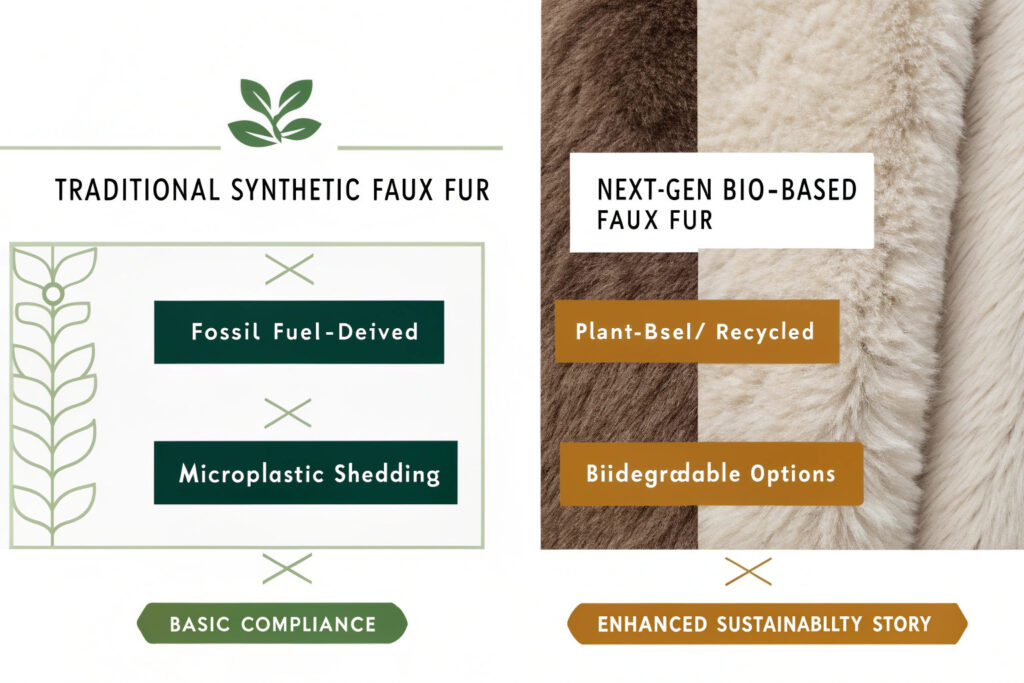
A major commercial and legal risk is mislabeling. There have been significant incidents where real fur was mis-sold as faux fur, damaging brand reputations and violating consumer protection laws. Your supply chain must have rigorous verification to guarantee 100% synthetic content. Beyond this, the sustainability debate is central. Critics of traditional faux fur highlight its reliance on fossil fuels and contribution to microplastic pollution. The market is responding with materials like Sorona® (partially plant-based) and fibers from recycled plastic bottles, which reduce microplastic shedding and the carbon footprint. For Shanghai Fumao Clothing, offering ushankas made with these advanced materials directly meets the market's demand for credible, ethical alternatives.
Which Innovative and Ethical Faux Fur Materials Should You Source?
The definition of “ethical” faux fur has expanded. It’s no longer just about avoiding animal skin; it’s about choosing materials that minimize environmental harm throughout their lifecycle. The most forward-thinking brands are sourcing next-generation textiles that offer a compelling story without sacrificing quality or luxury.
You should source materials that balance performance with proven eco-credentials. Leading options include plant-based bio-fabrics, recycled synthetic fibers, and high-quality modacrylic blends designed for durability and reduced environmental impact. These materials future-proof your products against both regulatory changes and shifting consumer preferences.

What Are the Leading Next-Generation Faux Fur Fabrics?
Innovation in this sector is rapid, with several companies at the forefront:
- Plant-Based Innovations: Companies like Biofluff are creating fully plant-based, customizable faux fur from agricultural by-products, targeting the luxury market.
- Recycled & Bio-Engineered Fibers: Ecopel, a major faux fur producer, has developed Koba® (with Sorona®) and Gacha, a compostable polyester fur, utilizing waterless dyeing technologies.
- Certified Recycled Materials: Fabrics incorporating GreenCircle Certified recycled fibers (e.g., from plastic bottles) provide independent verification of circular economy claims.
For a manufacturer, partnering with or sourcing from such innovators allows you to offer brands like Stella McCartney, Prada, or Gucci—all of whom have adopted faux fur—a product that aligns with their public sustainability commitments.
How Do You Evaluate Material Sustainability and Performance?
Choosing the right material requires a balanced scorecard. Use the table below to compare key criteria:
| Evaluation Criteria | Traditional Faux Fur (Acrylic/Polyester) | Next-Gen Ethical Faux Fur (e.g., Recycled/Bio-based) | Why It Matters for EU Market |
|---|---|---|---|
| Core Composition | Virgin fossil-fuel polymers | Recycled polymers (e.g., PET), plant-based content (e.g., Sorona®) | Reduces carbon footprint & reliance on fossil fuels. |
| End-of-Life | Non-biodegradable; contributes to microplastics | Options for biodegradability/compostability; mechanically recyclable | Addresses EU focus on circular economy & waste. |
| Durability & Shedding | Prone to shedding microfibers | Fibers engineered for reduced shedding (e.g., UV-resistant Sorona®) | Extends product life, reduces environmental pollution. |
| Certifications | Often lacking | GreenCircle, Global Recycled Standard (GRS), OEKO-TEX® | Provides third-party, verifiable proof of claims for buyers. |
| Consumer Narrative | “Animal-free” | “Climate-conscious,” “circular,” “innovative bio-material” | Aligns with deeper, contemporary consumer values. |
Ultimately, the goal for Shanghai Fumao Clothing is to source materials that are not just compliant, but market-leading, allowing you to offer true value-added manufacturing to discerning European clients.
How to Build a Transparent and Compliant Supply Chain?
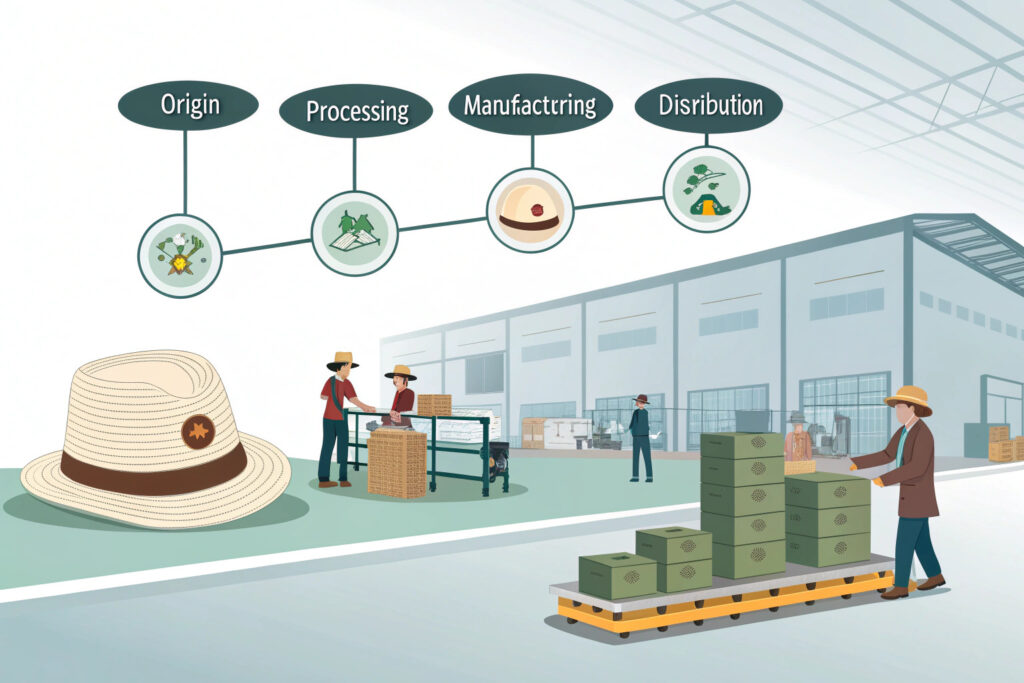
Sourcing the right material is only half the battle. Ensuring its ethical and sustainable provenance from origin to finished hat is what builds trust and ensures compliance. A opaque supply chain is a liability in today’s market.
You build it by implementing verifiable traceability systems, securing relevant certifications, and establishing clear, documented agreements with all partners. This transforms your supply chain from a cost center into a key selling point for brands that need to answer to their own customers and regulators.
Why is Documentation and Traceability Non-Negotiable?
Given the regulatory risks of misclassification, you must have bulletproof documentation. This includes:
- Supplier Material Composition Certificates: Guaranteeing 100% synthetic content.
- Transaction Documents: Clearly using the correct HS codes (e.g., 4304 for artificial fur).
- Batch Tracing: Ability to link finished ushankas back to specific fabric rolls and their origin.
This level of detail prevents costly delays at customs and protects against accusations of “fake faux fur.” It also enables you to provide the species, country of origin, and method of production details that market analysts recommend for clear labeling.
Which Certifications and Partnerships Add Credibility?
Strategic partnerships and certifications provide objective validation:
- Certifications: Prioritize suppliers with OEKO-TEX® Standard 100 (safe chemicals), GRS (recycled content), or GreenCircle (environmental claims). These are recognized by EU brands.
- Supplier Partnerships: Consider engaging with established European textile manufacturers. For example, Peltex Industrie in Belgium/France is an active exporter of knitted fake fur fabrics. Sourcing from within or partnering with EU-based fabric producers can simplify logistics and enhance your “local for Europe” narrative.
- Brand Alliances: Observe who leading sustainable brands like Stella McCartney partner with (e.g., Biofluff, Ecopel). Aligning with their suppliers positions you in the premium ethical tier.
The final step involves bringing all the pieces together to ensure a smooth landing for your products in the EU. This stage combines rigorous pre-shipment checks with strategic market positioning to turn compliance into commercial success.
You must manage meticulous documentation, final product testing, and savvy marketing that highlights your ethical credentials in a way that resonates with European distributors, retailers, and consumers.
What Does the Pre-Shipment Compliance Checklist Include?
Before shipping, complete this essential checklist:
- Product Safety File: Assemble all documents, including REACH test reports, flammability certifications (for sleepwear categories if applicable), and supplier declarations
. - Accurate Labeling
: Ensure all physical labels on the product and packaging are correct, including fiber content (in EU languages), care instructions, and manufacturer details. - Correct Customs Documentation: Work with your freight forwarder to ensure the Commercial Invoice, Packing List, and Bill of Lading accurately describe the goods (e.g., "100% synthetic faux fur ushanka hats") and use the correct HS Code (4304.00.00 for artificial fur)
. - Final Pre-Shipment Audit
: Conduct a final quality control check that includes a review of the product against the ethical and quality specifications agreed upon with your buyer.
How to Position Your Ethical Ushankas for EU Market Success?
Compliance gets you in the door; a strong value proposition makes you a preferred partner.
- Develop a Compelling Story: Craft a narrative around your ushankas that goes beyond the product. Highlight the innovative material (e.g., "made from 30 recycled plastic bottles"), the transparent journey, and the social responsibility
of your production. - Target the Right Partners
: Focus on buyers who value ethics—sustainable fashion brands, eco-conscious retailers, and corporate gift suppliers looking for premium, story-driven products. - Leverage Your Manufacturing Expertise: As a specialist like Shanghai Fumao Clothing
, emphasize your ability to seamlessly integrate complex ethical materials into high-quality, bulk production, offering clients a reliable, one-stop solution from prototype to delivery.
Conclusion
Successfully sourcing ethical faux fur for the EU market is a strategic process that integrates material innovation, regulatory diligence, and supply chain transparency. It moves from simply avoiding animal fur to proactively embracing next-generation materials that address environmental concerns, backed by a verifiable and compliant production journey.
This approach does more than minimize risk; it creates a powerful market advantage. It allows you to offer European buyers—from large retailers to conscious fashion brands—a product that is truly aligned with their values and regulatory landscape.
If you are ready to develop a line of ethically sourced, compliant, and stylish faux fur ushankas for the European market, let's collaborate. Our expertise in integrated manufacturing and sourcing can help bring your vision to life with the quality and integrity the market demands. For a detailed discussion, please contact our Business Director, Elaine, at Shanghai Fumao Clothing. You can reach her at: elaine@fumaoclothing.com.