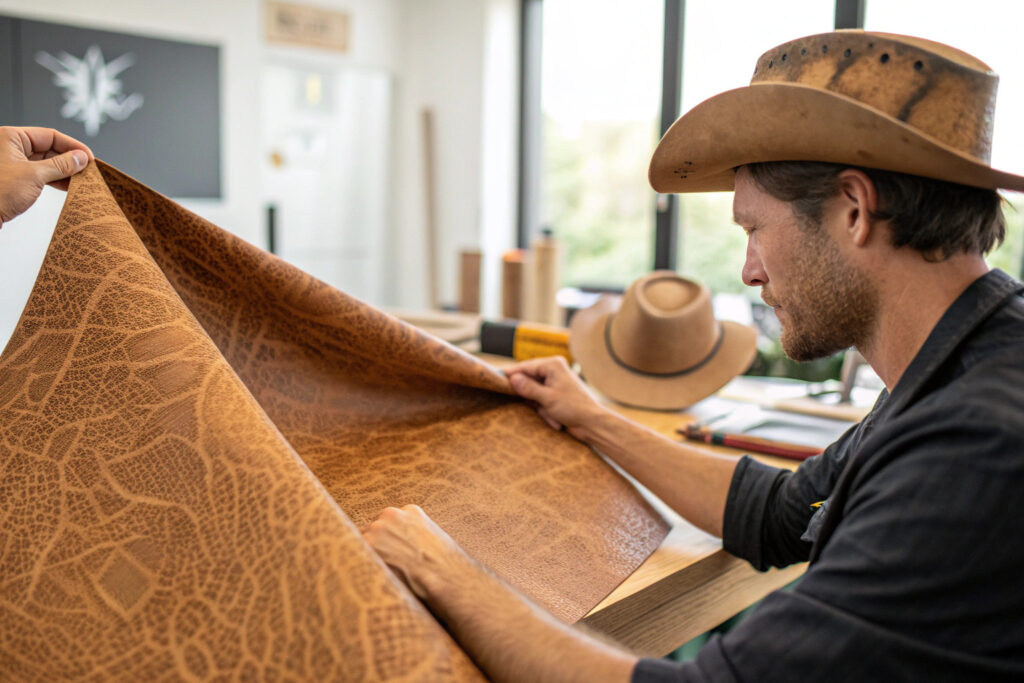
If you're sourcing the next trend in headwear, you know that today's consumers want more than just style. They demand ethics and sustainability without compromising on quality. This shift is reshaping the accessories market, pushing brands to find innovative materials that tell a better story. Vegan cowboy hats are at the forefront of this change, moving beyond traditional leather alternatives to embrace the next generation of bio-based materials.
The compelling choice is mycelium leather, a material grown from the root structure of mushrooms. For a wholesale buyer or brand, it represents a unique value proposition: a product that is authentically sustainable, performs exceptionally, and satisfies the growing market for premium vegan fashion. It’s not just an alternative; it's an upgrade that aligns with future-forward values.
Let's explore the concrete benefits this innovative material brings to your product line and supply chain.
What Makes Mycelium Leather a Superior Sustainable Material?
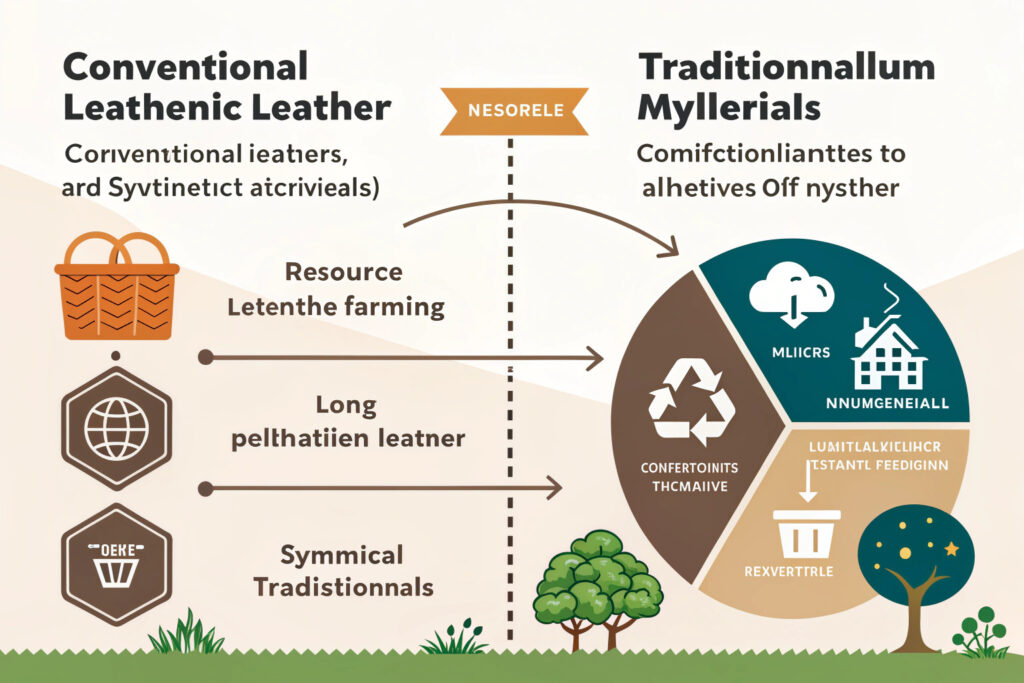
The environmental impact of traditional materials is a growing concern for brands and consumers alike. Conventional leather and synthetic alternatives often involve significant ecological trade-offs, from resource-intensive farming to chemical pollution and long-term waste. Mycelium leather presents a fundamentally different model that turns sustainability into a core feature, not just a marketing claim.
It is superior because it is grown, not manufactured in the traditional sense. Derived from the vegetative root network of fungi, this material transforms agricultural waste into a high-value product within days. This process drastically reduces the carbon, water, and land footprint associated with your products, offering a compelling story for your environmentally-conscious customers.
How Does Its Production Benefit the Environment?
The environmental advantages are quantifiable and impactful at every stage. First, it upcycles waste streams. Companies like MYCL in Indonesia use agricultural by-products such as sugarcane bagasse and palm oil residue as food for the mycelium, giving new life to materials that would otherwise decompose and release greenhouse gases. Second, it is incredibly resource-efficient. Growing a sheet of mycelium leather takes less than two weeks, compared to the years required to raise livestock for hide. This speed translates into a fraction of the water and land use.
Most impressively, MYCL reports that its production saves approximately 15 million liters of water and prevents thousands of tonnes of CO₂ emissions compared to conventional leather manufacturing. While the finishing process does require energy (a point highlighted in life-cycle assessments), the foundational growth phase is a net-positive model. For brands, this means you can confidently market products with a genuinely reduced ecological footprint, backed by verifiable data.
Is It Truly Circular and Low-Impact?
True sustainability considers the entire lifecycle, from cradle to grave. Mycelium leather excels here as well. Unlike most synthetic leathers which are plastic-based and contribute to microplastic pollution, high-quality mycelium leather is biodegradable and compostable. At the end of its long life, a hat made from this material can safely return to the earth, completing a natural cycle.
Furthermore, its production aligns with a waste-free ethos. The leftover substrate from the growth process is not trash; it can be sold to farmers as a nutrient-rich soil amendment. This creates a closed-loop system that benefits multiple industries. For a manufacturer like Shanghai Fumao Clothing, integrating such a material means building a more resilient and future-proof supply chain that appeals to global brands with stringent sustainability mandates.
Can Mycelium Leather Meet the Quality Demands for Durable Hats?
When sourcing materials for fashion, especially for structured items like cowboy hats, durability and performance are non-negotiable. The fear that "eco-friendly" means "less durable" is a major barrier for buyers. Mycelium leather directly challenges this notion by offering a suite of inherent properties that match, and in some cases exceed, traditional materials.
Yes, it can meet and even exceed quality demands. The material is not a fragile substitute; it is a robust, functional textile in its own right. Innovators have engineered it to possess high strength, flexibility, and breathability. It can be processed and tanned to achieve the desired hand-feel—from soft and supple to firm and structured—making it perfectly adaptable for different hat styles.
What Are Its Functional and Performance Properties?
The functional benefits are rooted in its biological structure. Mycelium leather is naturally:
- Strong and Durable: The interwoven fungal fibers create a tear-resistant material suitable for daily wear.
- Water-Resistant: It offers a degree of inherent protection against the elements, a practical feature for outerwear.
- Breathable: Unlike many synthetic leathers, it allows for air circulation, enhancing comfort.
- Antimicrobial: The material naturally inhibits the growth of odor-causing bacteria, a valuable trait for wearable goods.
Beyond these, the potential is even more exciting. Emerging research has demonstrated prototypes with self-healing capabilities, where small tears can be repaired by reactivating the fungus's growth. While this technology is still in development, it underscores the dynamic and high-performance future of bio-materials. For your product line, this means offering hats that are not only sustainable but also technologically advanced and built to last.
How Customizable Is It for Fashion Design?
Customization is where mycelium leather truly shines for brands. It is not a one-size-fits-all sheet material. During growth, it can be directly formed into 3D shapes. Imagine cultivating a material that already has the basic form of a cowboy hat crown, significantly reducing cutting waste—by up to 30% according to some producers.
You can also tailor its thickness, density, and texture by controlling the growing conditions. Whether you need a lightweight felt-like body for a summer hat or a thick, rigid leather for a traditional western style, it can be engineered to specification. This level of control, from the molecular level up, allows for unprecedented design freedom and efficient manufacturing, reducing waste and cost in your production process with partners like Shanghai Fumao Clothing.
Why Is It a Smart Business Decision for Future-Proofing Your Brand?
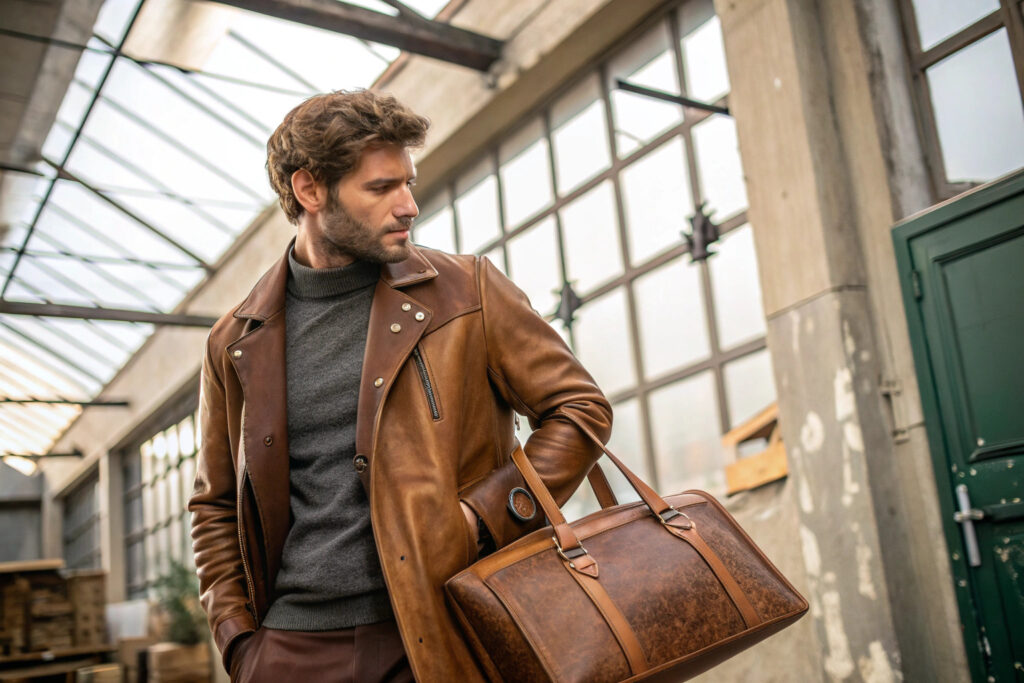
Adopting a new material is a strategic business decision, not just a design choice. In a market where consumer values are rapidly evolving, early adoption of transformative technologies can secure a competitive edge. Mycelium leather is more than a niche vegan product; it's a material positioned at the intersection of major trends: sustainability, technological innovation, and ethical luxury.
It is a smart decision because it future-proofs your brand against regulatory shifts, aligns with rising consumer expectations, and taps into a high-growth market segment. Major fashion conglomerates like Kering and brands including Stella McCartney, adidas, and lululemon have already invested in and launched products using mycelium materials, validating its commercial viability and premium positioning.
How Does It Align with Market Trends and Consumer Values?
The market data is clear. Consumers, particularly in key export regions like the EU and North America, are actively seeking sustainable alternatives. A telling statistic from the Australian market, known for its trend sensitivity, shows that 61% of adults prefer vegan products. This isn't a fleeting trend but a fundamental shift in purchasing logic.
Furthermore, mycelium leather allows you to move beyond the "less bad" narrative (e.g., "reduced impact") to a "net positive" story. You can market a hat that is grown from waste, saves millions of liters of water, and is fully compostable. This powerful, authentic narrative builds brand loyalty and allows for premium pricing. It meets the demand for transparency and ethical production that modern consumers, and the retailers that serve them, now require.
What Does the Supply Chain and Cost Trajectory Look Like?
A legitimate concern is cost and scale. Currently, premium mycelium leather may carry a higher price point, similar to high-grade animal leather. However, the cost trajectory is decisively downward. Producers are scaling rapidly, with one Indonesian company now producing 5,000 square feet monthly, and others building large-scale automated facilities.
Industry projections are optimistic. Pioneers like MycoWorks have stated that with mass production, prices are expected to fall to levels competitive with all forms of leather within a few years. For a forward-thinking buyer, engaging with this material now establishes a relationship with pioneering suppliers and positions your brand as a leader. You gain early experience in working with the material, refining your designs, and building your sustainable story ahead of the mainstream curve.
Is Mycelium Leather the Future of Ethical, Durable Western Wear?
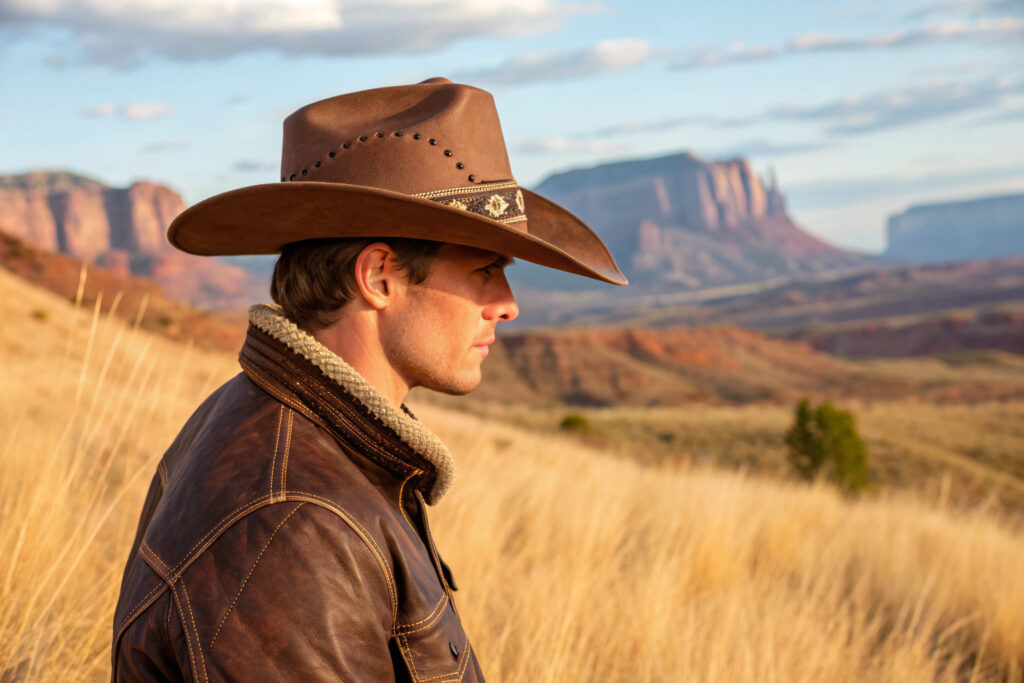
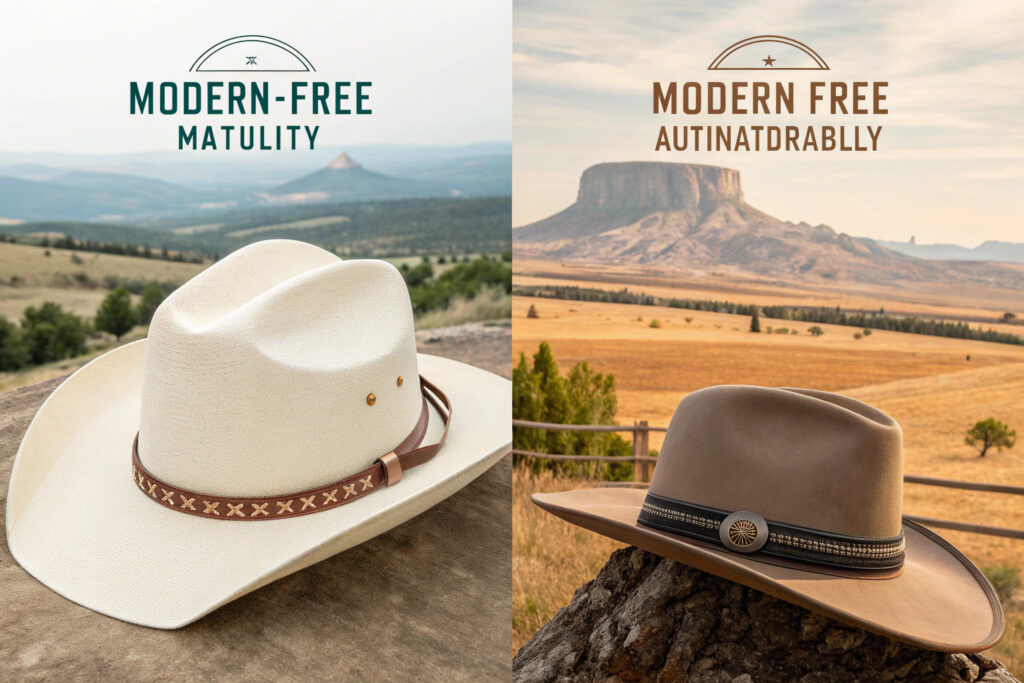
When it comes to iconic fashion like cowboy hats, tradition often clashes with modern values—especially for those seeking cruelty-free, sustainable alternatives. The classic cowboy hat, with its wide brim and structured crown, has long been a symbol of Western heritage, embodying rugged individualism and a connection to the open range.
Traditionally crafted from materials like felt made from animal hair, such as rabbit fur or beaver pelts, these hats carry a legacy that, while steeped in cultural significance, raises ethical concerns in today's world. Modern consumers, increasingly conscious of animal welfare and environmental impact, are drawn to the idea of preserving the timeless style of a cowboy hat without compromising their values.
Does It “Feel” Western?
Here’s the emotional hurdle: Western wear is steeped in legacy, a tapestry woven from generations of ranch hands, cowboys, and pioneers who carved their lives into the rugged landscapes of the American West.
A well-worn leather boot tells a story—one of dusty trails at dawn, where the sole bears the indentations of countless miles walked over gravel and mud, each groove a testament to the crunch of pebbles beneath and the squelch of damp earth that clung to the soles, leaving faint, silty streaks that catch the first golden light of morning.
Tough Enough for the Trail?
Skepticism around alternative leathers often centers on performance, with concerns ranging from durability under rigorous use to resistance against wear and tear that traditional leather has long been celebrated for. Many question whether these synthetic or plant-based alternatives can withstand the same level of stress, such as repeated bending, exposure to moisture, or friction from daily handling, without showing signs of cracking, peeling, or losing their structural integrity over time.
Conclusion
Choosing mycelium leather for your vegan cowboy hat line is a decision that resonates on multiple levels. It is a direct answer to the demand for genuine sustainability, offering a material that is ethical, low-impact, and circular. It satisfies quality requirements with its inherent durability, comfort, and exciting customizable properties. Most importantly, it represents a strategic business move to align your brand with the future of fashion—a future defined by innovation, responsibility, and intelligent design.
This is not just about keeping up with trends; it's about defining them. By incorporating this advanced biomaterial into your collections, you offer more than a hat—you offer a vision of what modern fashion can be.
If you are ready to explore how mycelium leather can transform your headwear line and captivate your market, let's collaborate to create something extraordinary. For a detailed discussion on developing and producing premium vegan cowboy hats with innovative materials, please contact our Business Director, Elaine. She and her team at Shanghai Fumao Clothing are ready to partner with you. You can reach her at: elaine@fumaoclothing.com.