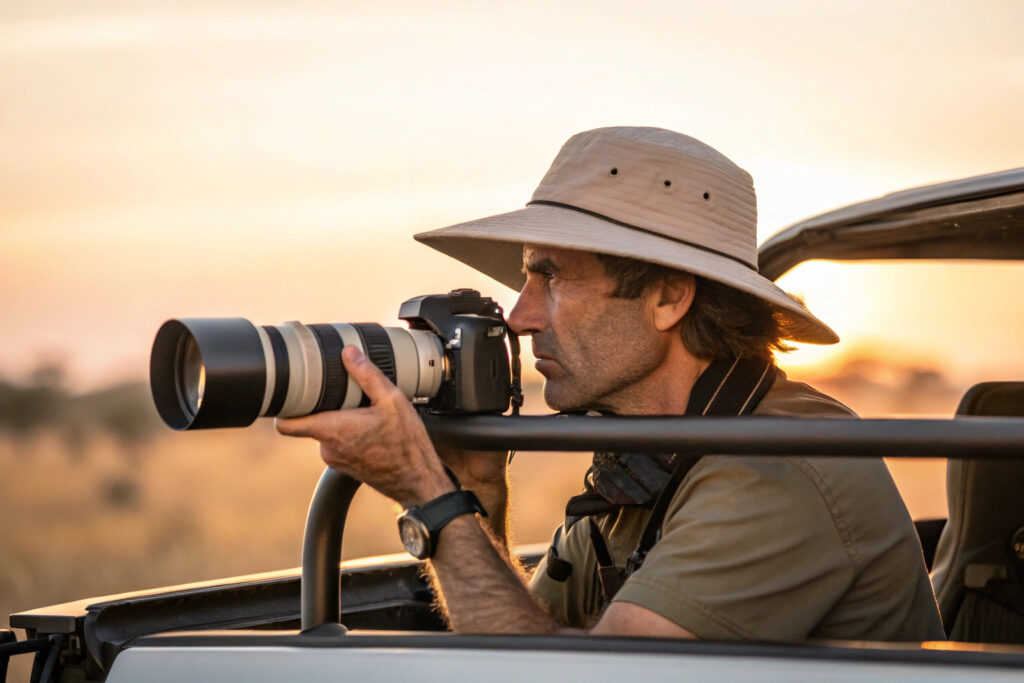
Struggling to find a hat that protects you from the intense safari sun but doesn't get crushed in your camera bag? I've been in the hat business for over 20 years, and I've seen countless photographers face this exact problem. They need serious sun protection, but their gear bag is already overflowing with lenses and equipment. A bulky hat is just not an option.
The best packable sun hats for safari photographers are those made from crushable yet durable materials like waxed cotton, recycled polyester, or tightly woven Panama straw. These hats offer a high UPF rating (50+ is ideal), a wide brim for maximum shade on your face and neck, a moisture-wicking sweatband, and a chin strap to secure it during windy conditions or while riding in an open-top vehicle. They must be able to be folded or rolled without losing their shape.
As the owner of Shanghai Fumao Clothing, I've spent two decades helping brands create the perfect headwear for every niche imaginable. From the bustling markets of Keqiao to the plains of the Serengeti, a good hat is non-negotiable. For a safari photographer, it's as essential as a telephoto lens. Let's dive into what makes a hat truly "safari-ready" and explore the best options that blend function, durability, and packability.
Why is UPF Rating Crucial for Safari?
Imagine spending hours under the African sun, waiting for that perfect shot of a lioness. Without proper protection, you're not just risking a painful sunburn; you're exposing yourself to serious long-term skin damage. This is where the Ultraviolet Protection Factor, or UPF, becomes your most important gear spec after your camera's megapixel count. It’s a critical detail that many people overlook.
A hat's UPF rating tells you how much UV radiation (both UVA and UVB) it blocks from reaching your skin. For the intense, direct sun you'll encounter on a safari, a hat with a UPF 50+ rating is the gold standard. This means it blocks at least 98% of the sun's harmful rays, providing a reliable shield for your scalp, face, and neck. This level of protection is a must-have, not a nice-to-have.
When we develop hats at Shanghai Fumao Clothing, material science is at the core of our process. The UPF rating isn't just a label; it's a result of specific choices in fabric construction. The color, weave, and material type all play a significant role. Darker colors often absorb more UV rays, and a tighter weave leaves less space for sunlight to penetrate. This is why you can't just grab any old baseball cap and expect it to do the job. For a safari, you need a hat engineered for sun defense. And remember, the right material also impacts how you should choose your hat material.
What does UPF 50+ actually mean for your skin?
A UPF 50+ rating is the highest certification available for sun-protective fabrics. It indicates that the material will allow only 1/50th (or about 2%) of available UV radiation to pass through it. This significantly reduces your exposure and risk of sun damage. When you're focused on capturing stunning wildlife images, the last thing you want to worry about is your skin. This is why organizations like the Skin Cancer Foundation recommend clothing and hats with a UPF of 30 or higher for effective sun protection. Investing in a high-UPF hat is a simple and effective way to ensure your health and comfort during long days outdoors.
How is a hat's UPF rating tested and certified?
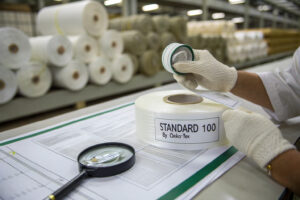
The UPF rating of a fabric is determined through rigorous testing in a laboratory setting. According to standards like the AATCC 183, which is a method developed by the American Association of Textile Chemists and Colorists, a fabric sample is exposed to a simulated source of solar ultraviolet radiation. A special instrument called a spectrophotometer measures how much of the UV radiation is transmitted through the fabric. The process is repeated on multiple samples to ensure consistency. Only after passing these stringent tests can a hat be labeled with a certified UPF rating, giving you confidence that the protection it offers is scientifically verified.
What Are the Best Materials for Packable Hats?
The magic of a great packable hat lies in its material. You need something that can be squashed into a corner of your luggage or camera bag and emerge looking ready for action. The material must be resilient, lightweight, and functional. Price is always a factor in our industry, but for a product like this, durability and performance are what create real value for customers like Ron.
The best materials for packable safari hats are a blend of tradition and technology. Waxed cotton is a classic choice, offering excellent water resistance and a rugged look that only gets better with age. Modern technical fabrics, like recycled polyester and nylon blends, provide high UPF ratings, are incredibly lightweight, and dry quickly. For a touch of classic style, a tightly woven Panama hat is surprisingly durable and breathable, though it requires a bit more care when packing.
At our facility, we work with a huge range of textiles, from high-performance synthetics to natural fibers. We've found that for packable hats, the key is the weave and finish. A "crushable" design isn't an accident; it's engineered. We use special treatments and construction techniques to ensure a hat can be rolled or folded without developing permanent creases. This focus on R&D allows us to create hats that meet the demanding needs of travelers and photographers who can't afford to be let down by their gear.
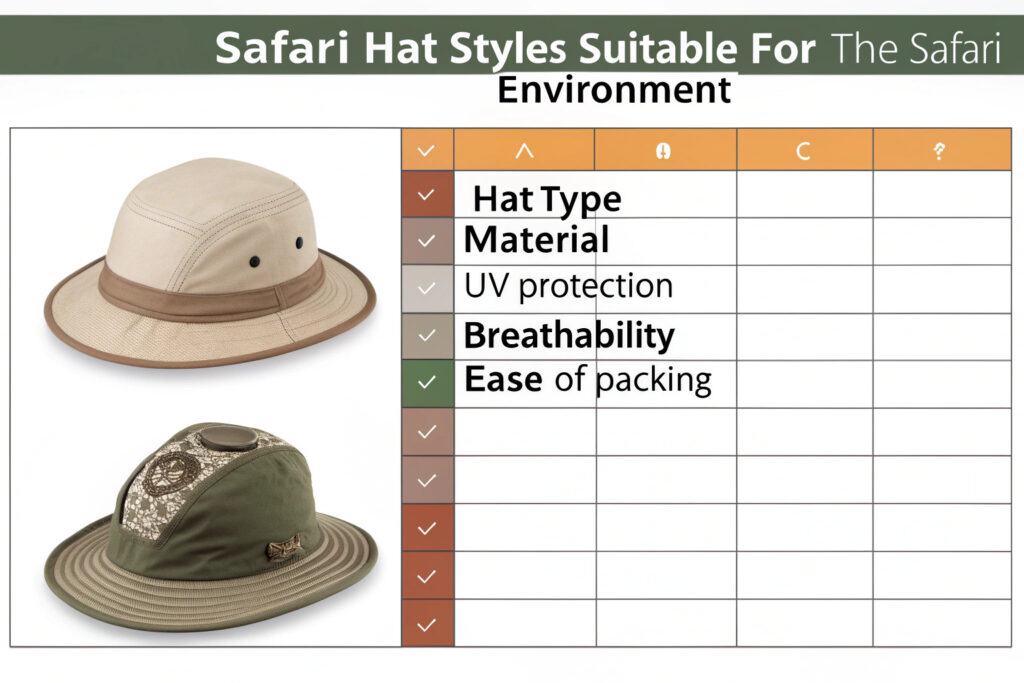
Is waxed cotton a good choice for hot climates?
Waxed cotton is an excellent material, but its suitability for hot climates depends on the specific construction. While it's known for being durable and water-resistant, it can be less breathable than other fabrics. However, many modern waxed cotton hats incorporate ventilation grommets or mesh panels to improve airflow, making them much more comfortable in the heat. It's a trade-off: you get incredible durability and a classic aesthetic. For more information on fabric performance, you can explore resources from textile trade publications like Textile World, which often cover innovations in performance apparel fabrics.
What are the benefits of recycled polyester?
Recycled polyester is a fantastic choice for a packable safari hat, both for performance and sustainability. It offers many of the same benefits as virgin polyester—it's lightweight, durable, quick-drying, and resistant to wrinkles and shrinking. The key advantage is its environmental footprint. By using recycled materials, we reduce our reliance on petroleum and divert plastic bottles from landfills. Brands like Patagonia have been pioneers in using recycled polyester, demonstrating that high-performance gear can also be eco-conscious. This aligns with our commitment at Shanghai Fumao Clothing to sustainable manufacturing.
Which Features Should Photographers Look For?
Beyond the basic material and UPF rating, several specific features can elevate a sun hat from good to indispensable for a safari photographer. These are the small details that make a big difference when you're in the field for 10 hours a day. Think of your hat as a piece of technical equipment, just like your camera.
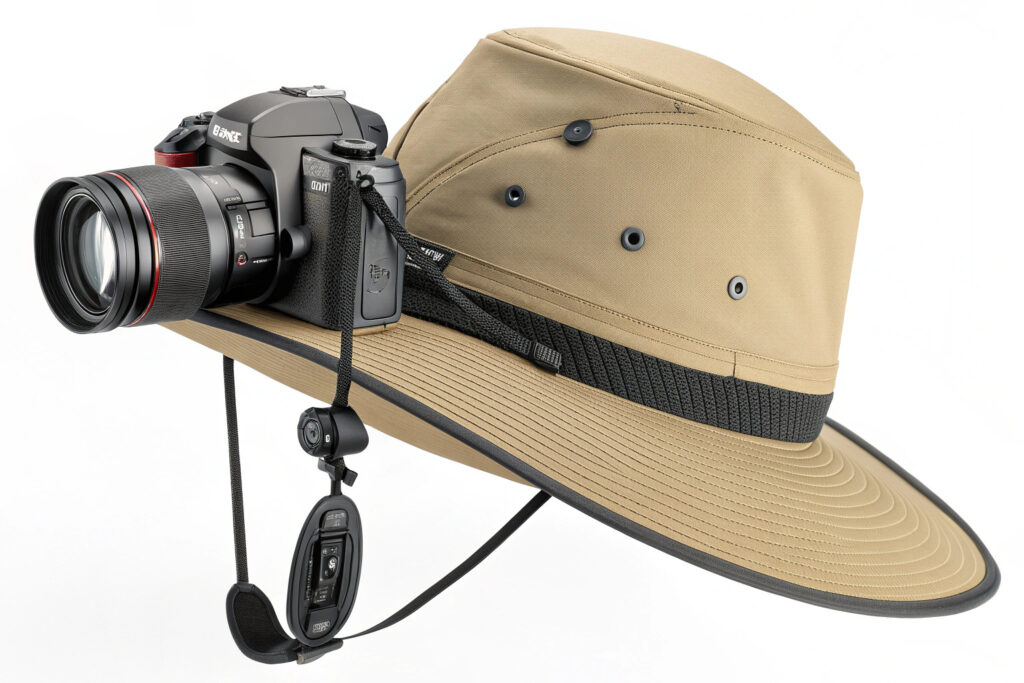
First and foremost is the brim width. A brim of at least 3 inches (7.5 cm) all around is recommended to provide adequate shade for your face, ears, and the back of your neck. A dark-colored underbrim is another pro feature; it helps reduce glare reflected from surfaces like water or sand, which can be a lifesaver for your eyes. Next, a moisture-wicking sweatband is non-negotiable. It keeps sweat from dripping into your eyes while you're trying to frame a shot. Finally, a chin strap—either removable or tuck-away—is essential for windy days or when riding in an open safari vehicle.
When we design hats for clients, we call this "user-centric design." We think about the exact situations the hat will be used in. For a photographer, that means stability, comfort, and non-interference. The hat needs to stay put without being distracting. It shouldn't be so bulky that it gets in the way of the camera's viewfinder. These practical considerations are what separate a generic sun hat from a specialized piece of photographic gear.
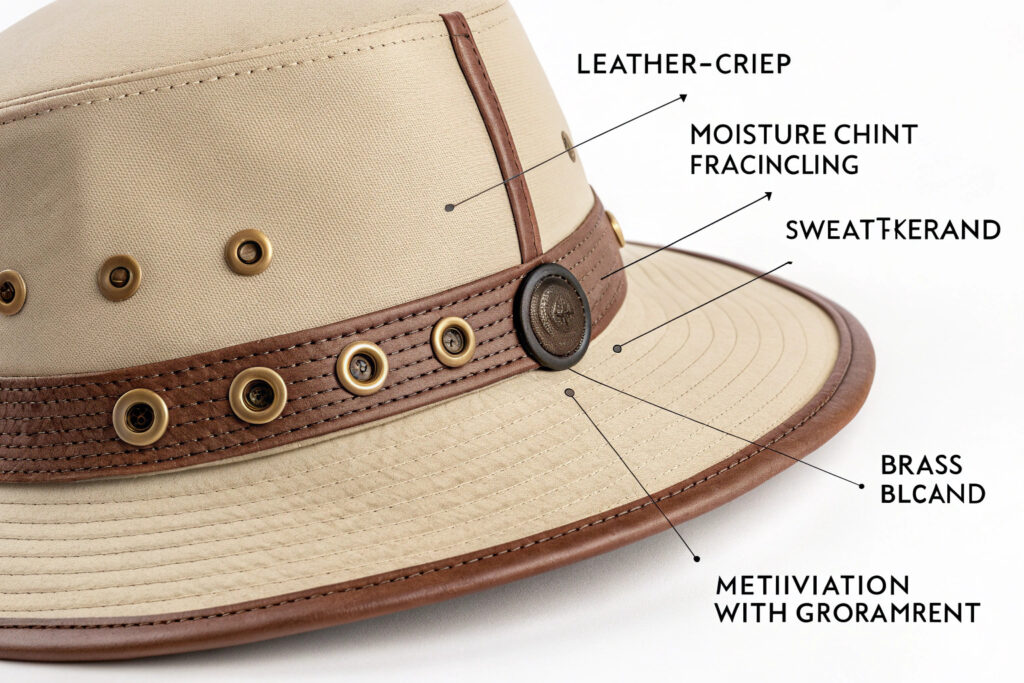
Why is a dark underbrim so important?
A dark underbrim, typically black or dark gray, works by absorbing light instead of reflecting it. When you're in a bright environment, light bounces off surfaces all around you, including the underside of your hat's brim. If the underbrim is a light color, it will reflect this glare directly into your eyes, causing you to squint and experience eye strain. As any vision expert from a resource like the American Academy of Ophthalmology will tell you, reducing glare is crucial for both visual comfort and long-term eye health. This simple feature can make a huge difference in your ability to see clearly and comfortably through your viewfinder.
What kind of chin strap is best?
The best chin strap is one that is both secure and comfortable. Look for an adjustable strap with a toggle or cinch that allows you to tighten it easily with one hand. A soft, non-abrasive material like leather or a smooth cord will prevent chafing against your skin. Some of the most versatile designs feature a removable chin strap, allowing you to take it off when it's not needed. For an example of high-quality outdoor gear components, you can look at the hardware used by companies like Fidlock, which specializes in innovative, easy-to-use fasteners that are often found on premium outdoor equipment.
How Do You Care for a Packable Hat?
You've invested in the perfect packable safari hat. Now, how do you make sure it lasts for many adventures to come? Proper care is essential, especially for a hat that's designed to be folded and packed. Mishandling can compromise its shape and sun-protective qualities over time.
The first rule is to follow the manufacturer's care label. Generally, most fabric hats like those made from cotton or polyester can be hand-washed in cool water with a mild detergent. Avoid harsh chemicals or bleach, as they can break down the fabric's fibers and degrade the UPF treatment. After washing, gently reshape the hat and let it air dry completely away from direct sunlight, as intense heat can cause some materials to shrink or warp.
When it comes to packing, "packable" doesn't mean indestructible. For most fabric hats, the best method is to fold the brim up on two sides, then gently roll the hat from one side to the other. For a Panama hat, you should never crease it; roll it loosely from the back to the front. Storing it properly at home is just as important. Don't leave it crushed at the bottom of a bag. Let it rest in its natural shape on a shelf or a hat stand to maintain its form. This is a key piece of advice we share with all our clients at Shanghai Fumao Clothing.
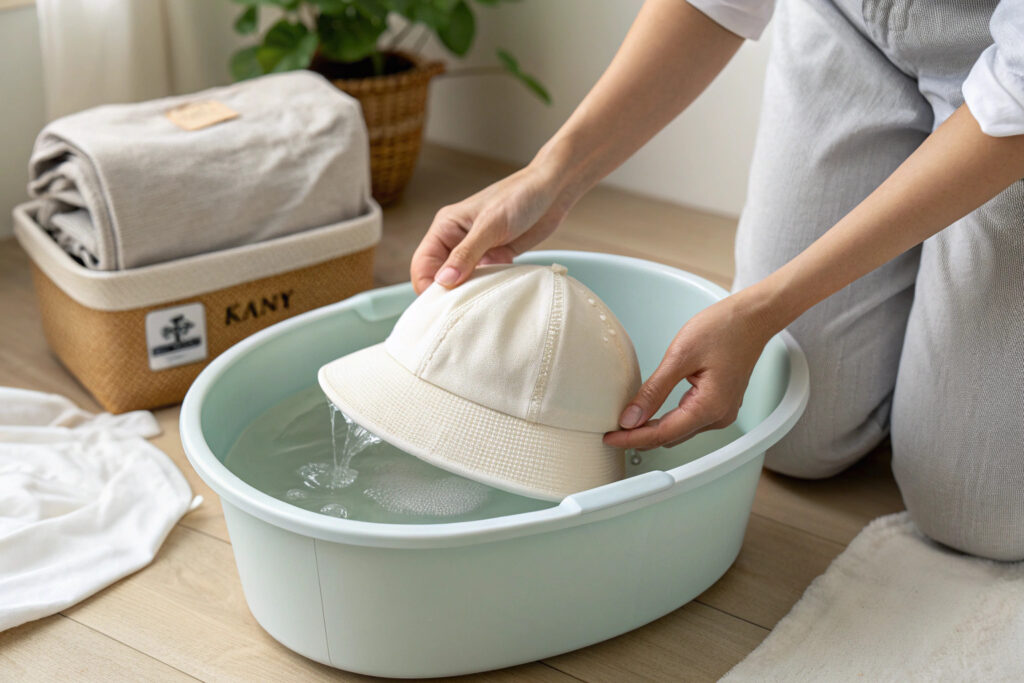
Can you put a packable hat in the dryer?
It is strongly recommended to never put a packable sun hat in a machine dryer. The high heat can permanently damage the hat in several ways. It can shrink the fabric, especially natural fibers like cotton, and can warp or melt the internal structure that gives the brim its shape. Furthermore, the heat can degrade the UPF finish, reducing the hat's protective capabilities. The best and safest method is always to air dry. For more general laundry and fabric care tips, you can consult trusted sources like the Good Housekeeping Institute, which provides expert advice on caring for all types of garments.
How do you remove sweat stains from a hat?
Sweat stains are common, but they can be managed. For fresh stains, a simple hand wash is often enough. For more stubborn, set-in stains, you can create a paste of baking soda and water. Gently rub the paste onto the stained area of the sweatband and let it sit for about an hour before washing the hat as usual. Another option is to use a solution of equal parts white vinegar and water. Always spot-test any cleaning solution on an inconspicuous area first to ensure it doesn't discolor the fabric. Cleaning experts at sites like The Spruce offer detailed guides for stain removal on various materials, which can be a great resource for keeping your gear in top condition.
Conclusion
Choosing the right packable sun hat is a critical decision for any safari photographer. It's not just an accessory; it's an essential piece of gear that protects your health, improves your comfort, and ultimately allows you to focus on what you do best: capturing incredible images. By prioritizing a high UPF rating, selecting a durable and crushable material like waxed cotton or recycled polyester, and looking for key features like a wide brim and a secure chin strap, you can find a hat that will be a trusted companion on all your adventures.
If you are a brand owner, a buyer, or an entrepreneur like Ron looking to develop your own line of high-quality, custom-designed hats, my team and I are here to help. At Shanghai Fumao Clothing, we combine two decades of manufacturing expertise with a passion for innovation to bring your vision to life. We handle everything from material sourcing and design to production and global logistics. Let's create something great together. You can reach out to our Business Director, Elaine, at her email: elaine@fumaoclothing.com.