Finding a reliable supplier for a niche product like Apple Leather Panama Hats can feel like searching for a needle in a haystack. Many buyers get lost between B2B platforms and vague manufacturer claims, only to face issues with minimum order quantities, material authenticity, or inconsistent quality.
The most reliable ways to find Apple Leather Panama Hat suppliers are through targeted searches on major B2B platforms, leveraging global trade data to identify active manufacturers, and connecting with specialized millinery suppliers. Success depends on verifying the supplier's actual material use and production capabilities rather than just their listed product range.
This guide will cut through the confusion. We will explore practical sourcing channels and provide a clear framework for evaluating suppliers to ensure you partner with a manufacturer that can truly deliver on the unique combination of classic Panama straw and premium apple leather.
What Are the Best B2B Platforms to Source Apple Leather Panama Hats?
For buyers starting their search, online B2B marketplaces are the most accessible first step. However, not all platforms are equally effective for such a specific product. The key is to use precise search strategies and understand the limitations of platform listings.
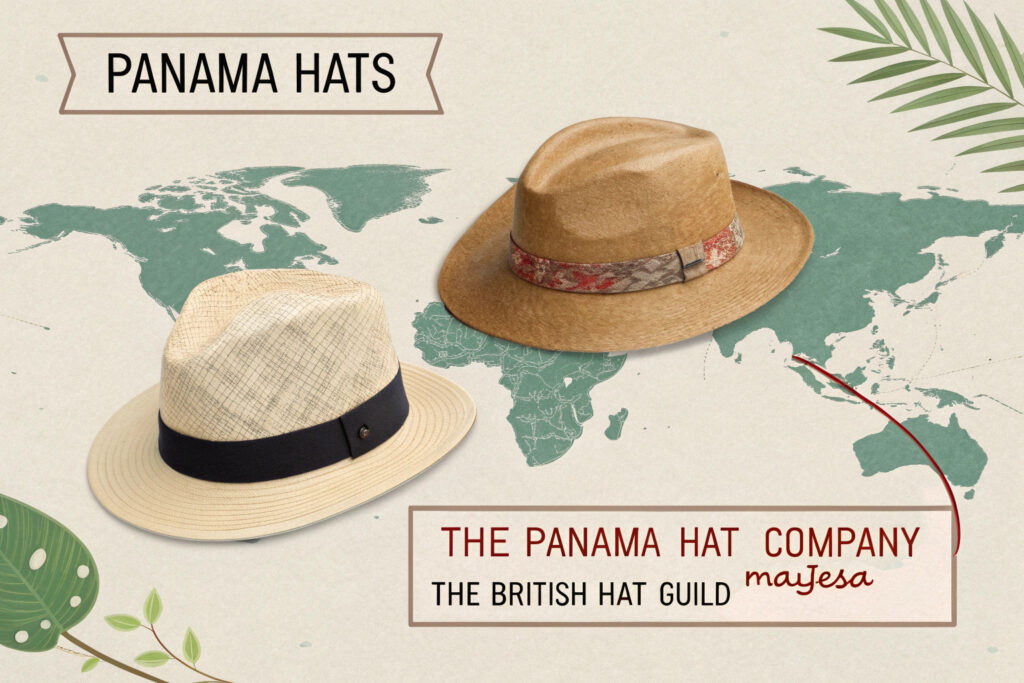
A major challenge is that many suppliers list "Panama Hats" broadly but may not work with apple leather, a relatively new and sustainable material. For example, some manufacturers in Asia and Eastern Europe list Panama hats among their wide range of headwear products. Similarly, a company like The Panama Hat Company / Majesa, recognized by The British Hat Guild, emphasizes traditional Ecuadorian straw weaving but does not mention apple leather specifically. This highlights the need for immediate and detailed inquiry to confirm material capabilities.
How Can You Use Search Filters Effectively?
To improve your results, go beyond the simple keyword "Panama hat supplier." Use specific long-tail search terms. Try combinations like "eco-leather Panama hat," "apple leather accessory manufacturer," or "sustainable hat materials." On platforms like Alibaba.com or Global Sources, use the filter options to narrow down suppliers by their "Main Products." Look for those specializing in "leather hats," "eco-friendly accessories," or "custom millinery." Always check if the supplier has a dedicated "R&D" or "OEM/ODM" service listed, as this is a good indicator they can handle custom material requests like incorporating apple leather into a classic hat design.
Why Is Direct Verification Non-Negotiable?
Never assume a supplier's capability from their product listing alone. The critical second step is direct contact. Your first message should include specific questions: "Do you currently work with apple leather or similar fruit-based eco-leathers?" and "Can you provide material swatches and a lab test report for the apple leather?" Also, ask for real photos or videos of their workshop. Many reputable manufacturers, like our partners at Shanghai Fumao Clothing, are accustomed to such detailed requests and are prepared to provide transparent verification, which builds immediate trust.
How Can Trade Data Reveal Active Apple Leather Hat Manufacturers?
If B2B platforms yield vague results, trade data is a powerful tool to identify truly active players in the global market. This method moves you from browsing catalogs to analyzing real shipping records, revealing who is actually manufacturing and exporting hats.
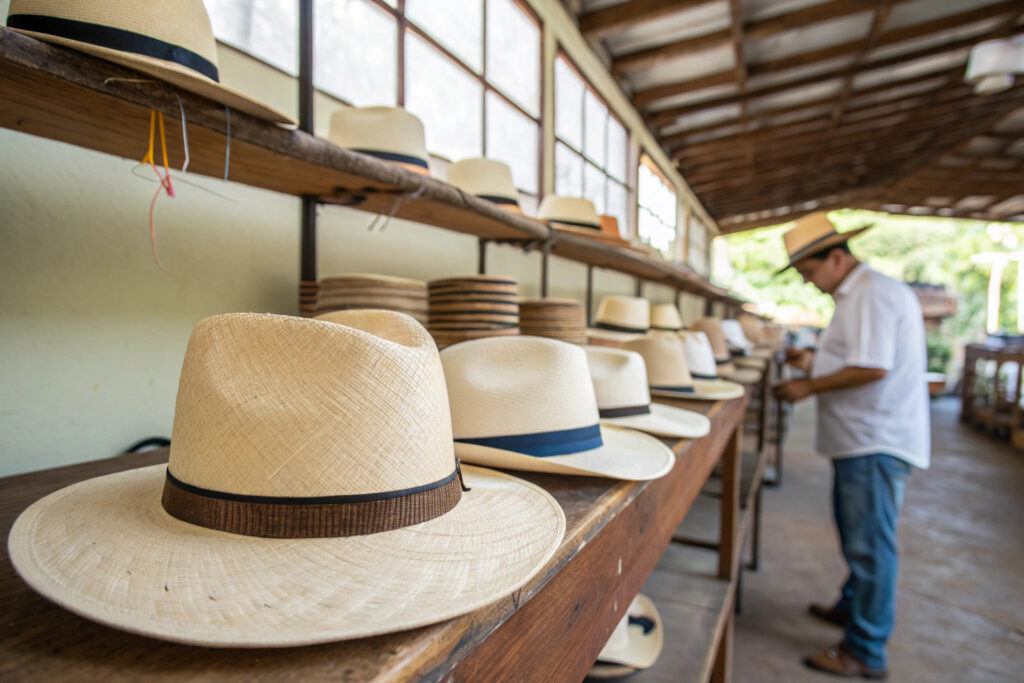
Public trade databases show specific transactions. For instance, U.S.-based companies like genuine panama hats stores llc and artesano creations llc have recent, frequent import records of "SOMBREROS DE PAJA TOQUILLA" (Panama hats) from suppliers in Ecuador. One notable detail from these records is the import of hat bands labeled "BANDA DE CUERO" (leather band), showing an existing supply chain for leather-accented Panama hats. While the data doesn't specify "apple leather," it proves a pathway for customized leather components that can be adapted for sustainable materials.
What Key Information Does a Trade Record Show?
Analyzing these records gives you concrete facts to work with. You can identify:
- The Exporter: The actual manufacturing company in the exporting country (e.g., "creando estilos s.a." in Ecuador).
- The Product Description: Detailed descriptions that sometimes specify materials, colors, and styles.
- Trade Volume: The frequency and quantity of shipments, indicating the supplier's scale and reliability.
- HS Codes: Standardized codes like 6504000011 for hats and 5807100000 for woven labels/bands. You can use these codes to search for other suppliers specializing in these components.
How Do You Approach Suppliers Found Through Trade Data?
Finding a supplier through data is just the start. Your outreach must be informed. You could contact "creando estilos s.a." or similar exporters found in the data with a knowledgeable proposal: "We noted your exports of Panama hats with leather bands to North America. We are interested in a similar product but using certified apple leather for the band. Can you source this specific material or work with it if we provide it?" This demonstrates serious intent and industry knowledge, setting you apart from casual inquiries. For reliable execution of such specialized, cross-border supply chain requests, partnering with an experienced intermediary like Shanghai Fumao Clothing can streamline communication and quality control.
What Should You Look for in a Specialized Panama Hat Supplier?
Finding a supplier who lists the product is one thing; finding one with deep expertise in Panama hat construction and material innovation is another. For a hybrid product, you need a partner skilled in both traditional millinery and modern material integration.
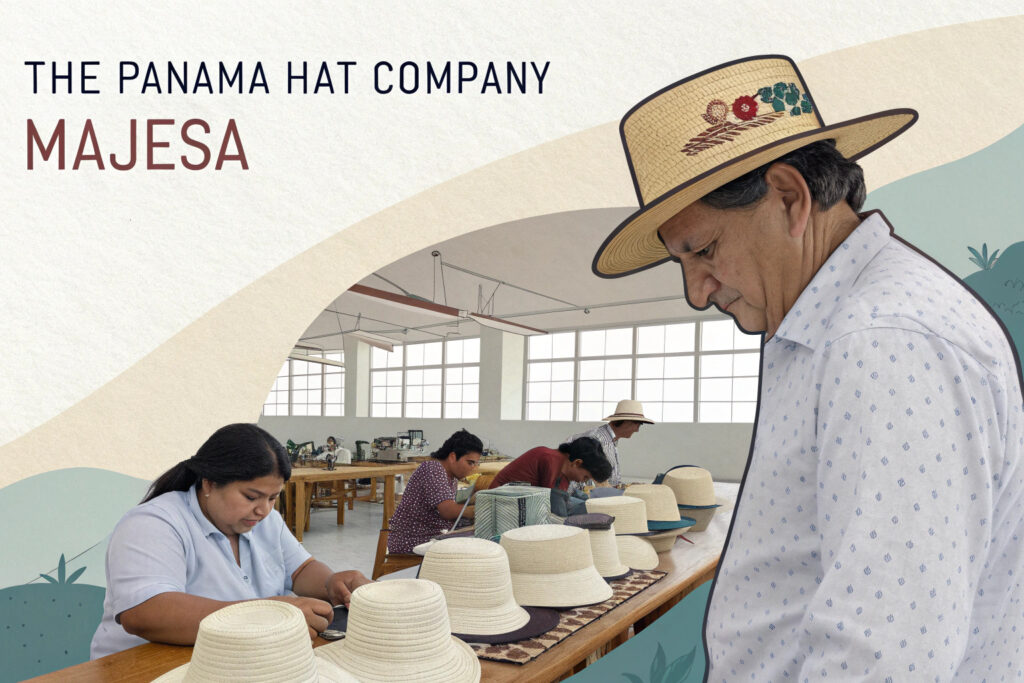
True specialization is often found with companies dedicated to the craft. The Panama Hat Company / Majesa, for example, highlights deep specialization: their founder is from Ecuador, they source hoods woven by over 500 artisans there, and they finish hats in a dedicated hat factory. This level of vertical integration ensures control over quality but may also mean they are purists focused on traditional materials. High-end retailers like La Casa Del Artesano also source directly from historic factories in Ecuador for authenticity. The lesson here is that the best traditional makers may not be the first to adopt new materials like apple leather unless they see a market demand.
Why Is Material Sourcing Capability Crucial?
The core question for your supplier is about their material sourcing and innovation chain. You must assess:
- Material Access: Do they have existing relationships with tanneries or distributors that supply innovative eco-leathers? Can they obtain certified apple leather?
- Prototyping Skill: Do they have a sample-making team that can experiment with how apple leather performs when cut, shaped, and stitched onto a straw hat? Can they advise on material thickness and finishing?
- Testing Protocols: Do they have in-house or partnered lab facilities to test the color fastness, durability, and compatibility of the apple leather band with the straw body? This is non-negotiable for quality assurance.
How Do You Evaluate a Supplier's True Expertise?
Move the conversation from "can you make this?" to "how will you make this successfully?" Request a capability audit. Ask them to walk you through their process for integrating a new material. A competent supplier should explain their steps for material testing, prototype development, and quality checkpoints. They should ask you detailed questions about the leather specification, intended use, and compliance standards. This dialogue separates order-takers from true partners. For buyers who value this level of structured development and risk mitigation, working with a established manufacturer like Shanghai Fumao Clothing provides a built-in framework for this entire process, from material sourcing to final inspection.
How to Verify Supplier Credentials for Premium Materials?
Your final due diligence is what protects your investment. When working with a novel material like apple leather, verifying credentials goes beyond checking business licenses. You need evidence of their capability to deliver on your specific vision.
The search results underscore the variety in the supply base, from large wholesalers to small manufacturers and brand-oriented importers. Each has different strengths. Your verification process must be tailored to ensure they can handle the technical and qualitative demands of a premium composite product.
What Certifications and Samples Are Required?
Always request and verify the following:
- Material Certificates: For apple leather, ask for certificates from the material producer verifying its composition (e.g., percentage of apple pulp, polyurethane), its environmental claims (biodegradability, organic content), and compliance with Reach or OEKO-TEX® standards for safety.
- Physical Swatches: Before bulk order, insist on receiving physical swatches of the exact apple leather to be used. Assess its hand feel, color consistency, and thickness.
- Factory Audit Reports: If possible, review recent audit reports from third-party agencies (like SGS, Bureau Veritas) that assess the factory's social compliance and production quality systems.
What Are the Red Flags and Green Flags?
As you evaluate, watch for clear signals:
- Red Flags: A supplier that cannot provide a direct answer on material sourcing. One that is unwilling to produce a pre-production sample with the correct materials. One that cannot explain how they will solve potential challenges like gluing or stitching leather to straw.
- Green Flags: A supplier that proactively asks about your target price point and quality benchmarks for apple leather. One that suggests a small pilot run to test the production process before the full order. One that provides references from past clients who ordered customized or material-innovative products.
Conclusion
Finding the right Apple Leather Panama Hat supplier requires a shift from simple sourcing to strategic partnership. The journey involves leveraging B2B platforms with smart filters, digging into real trade data to find active manufacturers, and rigorously evaluating suppliers for deep material and craftsmanship expertise. The goal is to move beyond a vendor who simply assembles a hat to a collaborator who understands the value of integrating sustainable innovation with traditional style.
If you are looking for a reliable partner to navigate this process and bring your vision for sustainable, high-quality headwear to life, we can help. Contact our Business Director, Elaine, at elaine@fumaoclothing.com to discuss how we can collaborate on your next hat collection.