Struggling with the complexities of international shipping for your hat business? You're not alone. Many importers, especially those targeting the Australian market, find themselves tangled in a web of logistics, customs, and hidden costs. The fear of unpredictable expenses and delivery delays can stall even the most promising ventures, leaving you wondering if there's a smoother way to get your products from the factory to your customers.
The key to unlocking a streamlined import process lies in mastering your shipping terms, specifically Delivered-at-Place (DAP). Understanding and effectively negotiating DAP terms means your supplier, like us at Shanghai Fumao Clothing, manages the entire journey of your hats to a specified destination in Australia. We handle the main carriage and assume the risks until the goods are ready for unloading. This arrangement simplifies your logistics, provides cost clarity upfront, and lets you focus on what you do best: growing your brand.
Navigating international trade can feel overwhelming, but it doesn't have to be. As someone who has been in the hat manufacturing business for over 20 years, I've guided countless partners through this process. Let's break down exactly how you can leverage DAP terms to your advantage, ensuring your hat shipments to Australia are both cost-effective and secure. We'll cover everything from the fundamentals to advanced negotiation tactics.
What Are the Core Responsibilities Under DAP?
Are you worried about who pays for what when your hats are in transit? It's a common headache for importers. You see a great product, agree on a price, but then the shipping process becomes a black box of potential fees and responsibilities. This uncertainty can make it impossible to calculate your final landed cost, creating significant financial risk before your products even reach Australia.
Under Delivered-at-Place (DAP) Incoterms, the responsibilities are clearly divided to give you peace of mind. As the seller, we are responsible for arranging and paying for transportation to your chosen destination in Australia. We cover all costs and risks associated with the journey up to that point, including export clearance from China. Your responsibility begins once the goods arrive at the destination and are ready for unloading. This means you handle the import customs clearance, duties, and taxes in Australia.
This clear separation of duties is a game-changer. It allows you to partner with local Australian experts for customs while your supplier manages the complex international leg of the journey. Let's dive deeper into what this means for both you and us.
What costs does the seller cover?
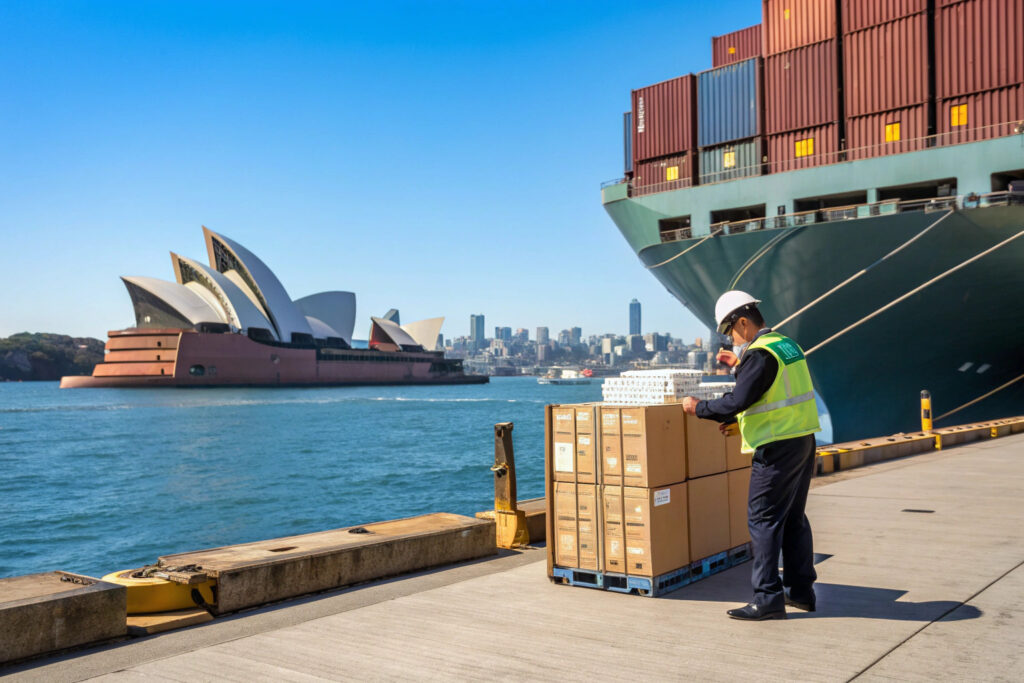
As your manufacturing partner, when we agree to DAP terms, we take on a significant portion of the logistical burden. Our primary job is to get your hats from our factory floor in Keqiao to your designated spot in Australia. This includes the cost of packaging your order securely for a long journey. We then handle the inland transport to the port in China, manage all the export documentation and fees, and pay for the main international freight, whether it's by sea or air. We also cover the insurance to protect the goods until they reach the destination port or terminal. This comprehensive service is designed to simplify your supply chain, as we leverage our established relationships with freight forwarders and shipping lines to ensure a smooth process. Our goal is to deliver your order to the agreed-upon point, ready for you to take over for the final import steps. This structure is a core part of the Incoterms 2020 rules, which govern international trade.
What are the buyer's key obligations?
Once the shipment arrives at the named destination in Australia—for example, a specific warehouse in Sydney—the responsibility shifts to you. Your main task is to manage the import process. This starts with arranging and paying for the import customs clearance. You'll need to work with a customs broker in Australia to ensure all paperwork is filed correctly and efficiently. Following clearance, you are responsible for paying any applicable import duties, Goods and Services Tax (GST), and other local taxes. Finally, you will arrange and pay for the unloading of the hats from the delivery vehicle and any subsequent transport to your final warehouse or retail locations. While this might sound like a lot, it gives you direct control over the local costs and allows you to use your preferred local logistics partners, which can often be more cost-effective. This clear division of tasks is why understanding your role is crucial for successful importing.
Ready to simplify your shipping? Let's explore how to choose the right shipping terms.
How Do I Choose the Right Shipping Terms?
Choosing between shipping terms like DAP, FOB, and CIF can feel like a high-stakes decision. If you pick the wrong one, you could end up with surprise fees, customs headaches, or major delivery delays. Many importers, especially those new to the Australian market, feel overwhelmed by these acronyms and stick with what they know, even if it's not the most efficient or cost-effective option for their business.
The best shipping term depends entirely on your business's needs, your experience with logistics, and your desire for control versus convenience. For instance, FOB (Free On Board) gives you full control over the international freight, which is great if you have a trusted freight forwarder. However, DAP (Delivered-at-Place) is often ideal for buyers who want to minimize their logistical workload. With DAP, we, your supplier, handle the main transport, delivering the goods to your doorstep in Australia before you take over for customs. This simplifies the process immensely.
There is no single "best" Incoterm; the right choice is a strategic one. It requires you to assess your comfort level with logistics management against the convenience of having your supplier handle it. Let's break down the pros and cons to help you decide.
When is FOB a better option?
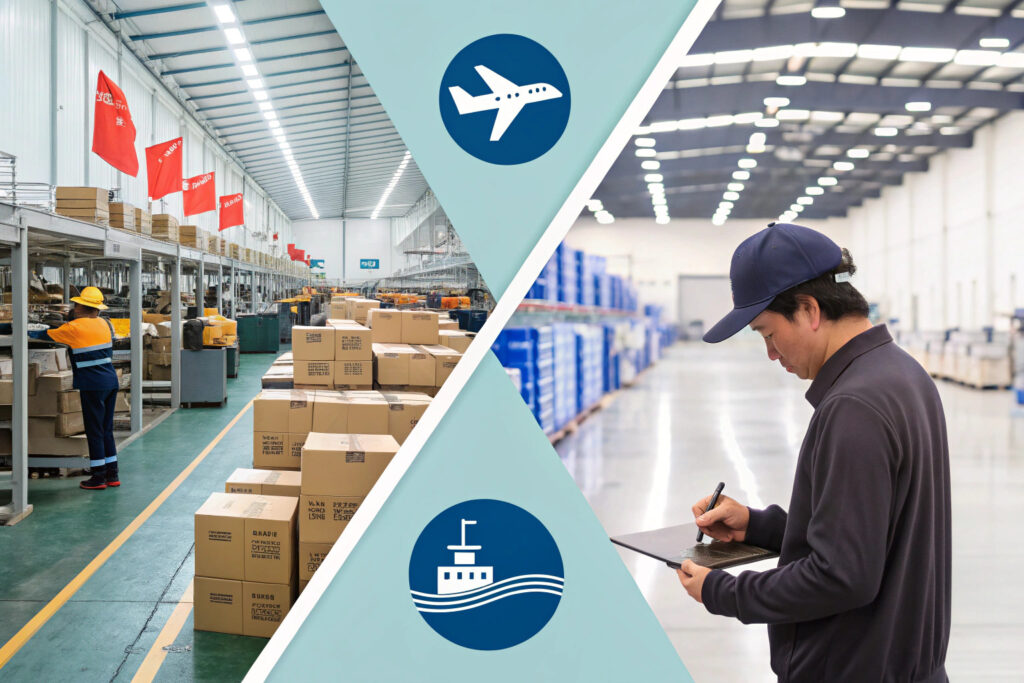
FOB (Free On Board) is a great choice if you have strong relationships with freight forwarders or want maximum control over your shipping costs and schedule. Under FOB terms, our responsibility as the seller ends once we deliver the hats to the designated port in China and they are loaded onto the vessel you've nominated. From that point on, you control everything. This allows you to negotiate freight rates directly with carriers, which can sometimes lead to cost savings, especially if you ship large volumes. You also have full visibility and control over the vessel's schedule and routing. This is particularly useful for businesses that have a sophisticated supply chain management system in place. However, this control comes with the added responsibility of managing the entire international shipping process, including insurance and tracking, which can be time-consuming. It's a trade-off between control and convenience, and many experienced importers prefer the hands-on approach that FOB provides. You can learn more about these specifics from the International Chamber of Commerce.
Why might DAP be ideal for your business?
DAP is perfect for entrepreneurs and businesses that want to focus on marketing and sales rather than logistics. If you're importing to Australia and prefer a more hands-off approach, DAP is your best friend. We, Shanghai Fumao Clothing, manage the entire complex journey from our factory to your chosen Australian location. This means you don't have to worry about negotiating with shipping lines, dealing with transit logistics, or tracking the vessel across the ocean. Your landed cost is also more predictable, as the main freight cost is bundled into our price. This is a huge advantage for budgeting and financial planning. For many of our partners, especially those running e-commerce stores or startups, this convenience is invaluable. It allows them to avoid the steep learning curve of international freight management and instead rely on our 20+ years of expertise. The process aligns well with modern just-in-time inventory strategies, as it provides a more predictable arrival window for you to manage the final import steps.
Now that you know the options, let's look at the specific negotiation points for DAP.
What Are the Key Negotiation Points for DAP Terms?
You've decided on DAP, but now comes the critical part: negotiation. Simply agreeing to "DAP Sydney" isn't enough and can leave you exposed to unexpected costs and delays. Many importers make the mistake of not defining the terms precisely, only to find out later that the "place" of delivery is a port terminal miles away from their warehouse, leading to surprise inland transportation fees.
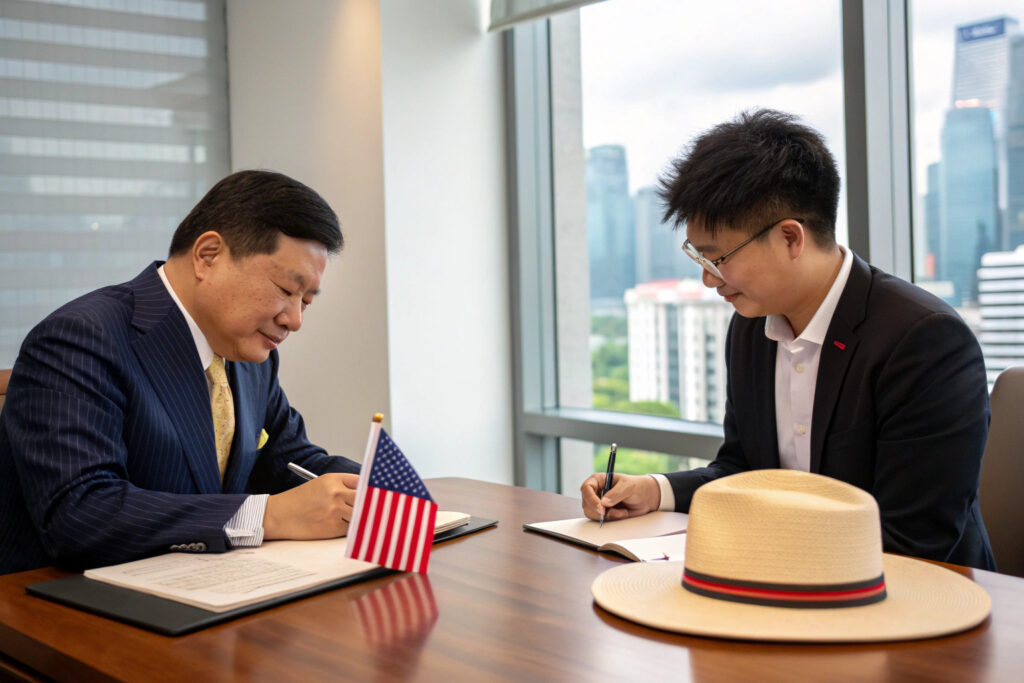
A successful DAP negotiation is all about precision. You need to clearly define the "named place of destination." Is it the Port of Melbourne, or is it your specific warehouse address at 123 Main Street, Sydney? This detail is crucial because it determines where our responsibility and costs end, and yours begin. You should also discuss the mode of transport (air vs. sea), the expected transit time, and the carrier we plan to use. A well-defined agreement protects both parties and ensures there are no surprises.
As your partner, we believe in transparency. We want to work with you to define these terms clearly so that your budget remains intact and your delivery schedule is met. Let's look at the specific points you should always bring to the negotiation table.
How to define the "named place of destination"?
This is the single most important point to negotiate in a DAP agreement. The term "place" can be ambiguous, so you must be specific. For example, instead of "DAP Sydney," your contract should state "DAP, 123 Global Street, Sydney, NSW 2000, Australia." This precision ensures that we, the seller, are responsible for all transportation costs to that exact address. If you only specify the port, you will be responsible for the costs of moving the container from the port to your warehouse, which can be substantial. Be sure to consult a logistics map of the destination city to understand the final leg of the journey. Clearly defining the address in the sales contract eliminates any grey areas and protects you from unexpected terminal handling and inland freight charges.
How to clarify transit times and carriers?
While DAP terms make us responsible for the main transport, you should still have a say in how it's managed. During negotiations, ask about the estimated transit time. A reliable supplier should be able to provide a realistic delivery window based on their experience with Australian routes. You should also inquire about the shipping line or airline they intend to use. Reputable carriers often provide better service and more reliable tracking. This is especially important if your hats are for a seasonal collection or a specific launch date where delays are not an option. Discussing these details upfront allows you to align your marketing and sales timelines accordingly. You can even check the performance of different carriers on platforms like the Freightos Baltic Index to have an informed discussion. This collaborative approach ensures that the logistics plan meets your business's commercial needs.
With these points clarified, you'll also want to know how to handle potential risks.
How Do You Handle Customs and Risks in Australia?
Even with the perfect DAP agreement, the final hurdle remains: Australian customs. Many importers get anxious at this stage, worried about their shipment getting stuck due to incorrect paperwork or facing unexpected quarantine inspections. A delay at the border can disrupt your entire supply chain, leading to stockouts and lost sales, turning a profitable order into a logistical nightmare.
The solution is to be proactive and prepared. Under DAP terms, import clearance is your responsibility, but that doesn't mean you're on your own. The key is to engage a reliable Australian customs broker well before your shipment arrives. A good broker will review your commercial invoice, packing list, and bill of lading to ensure everything complies with Australian Border Force regulations. They will classify your hats correctly to determine the right duty rates and manage all communications with customs officials on your behalf.
Having a local expert on your side transforms customs from a point of stress into a smooth, predictable process. They are your eyes and ears on the ground, ensuring your goods are cleared efficiently. Let's explore how to find the right partner and what to prepare for.
How to find a reliable customs broker?
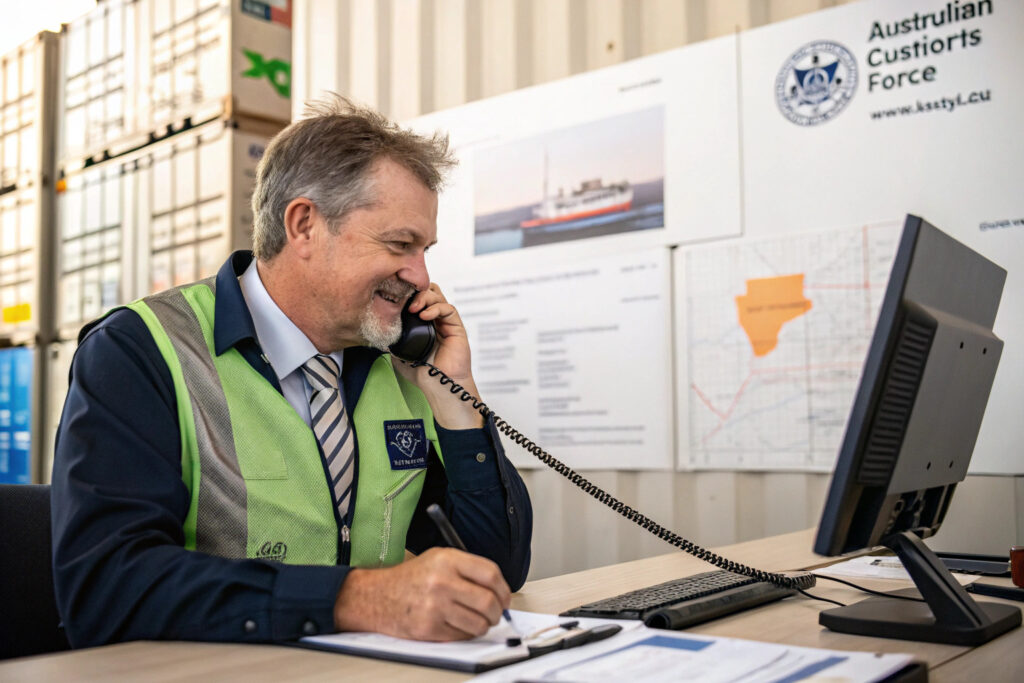
Finding the right customs broker in Australia is critical for a smooth import experience. You need a partner who is not only licensed but also has specific experience with apparel and accessories, as they will be familiar with the specific tariffs and regulations for products like hats. A great place to start your search is through the International Federation of Customs Brokers Associations (IFCBA), which lists accredited professionals. You can also ask for recommendations from other importers or industry networks. When vetting a broker, ask about their fee structure, their experience with the Australian Border Force (ABF), and what documentation they will need from you. A proactive broker will guide you through the process, helping you prepare all necessary paperwork, such as the commercial invoice, long before the shipment lands. This preparation is key to avoiding costly delays.
What about duties and quarantine inspections?
Australia has strict biosecurity laws, and your hats could be subject to inspection by the Department of Agriculture, Fisheries and Forestry. This is especially true for hats made from natural materials like straw or leather. During your negotiations with us at Shanghai Fumao Clothing, you should inquire about the materials used and ask for any relevant treatment certificates. Providing these to your customs broker upfront can help streamline the quarantine process. Your broker will also calculate the import duties and Goods and Services Tax (GST) payable on your shipment. The duty rate for hats can vary, so accurate classification is essential. By working closely with your broker and providing complete documentation, you can ensure that all potential risks are managed effectively, allowing your products to move swiftly from the port to your customers. You can get an estimate of duties on the Australian Border Force website.
Conclusion
Navigating the world of international shipping doesn't have to be a source of stress. By understanding and strategically negotiating Delivered-at-Place (DAP) terms, you can create a predictable, secure, and efficient supply chain for your hat imports into Australia. The key is precision in your agreements, proactive communication with your supplier, and partnership with local experts like customs brokers. This approach allows you to leverage our logistical expertise for the main journey while you maintain control over the final, local steps. It’s about building a smart and transparent partnership that minimizes your risks and lets you focus on growing your brand.
If you're looking for a manufacturing partner who understands the nuances of international logistics and is committed to your success, we're here to help. At Shanghai Fumao Clothing, we don't just make hats; we build lasting relationships. For a transparent discussion about your next hat collection and how we can make shipping seamless for you, please reach out to our Business Director, Elaine, at elaine@fumaoclothing.com. Let's create something great together.