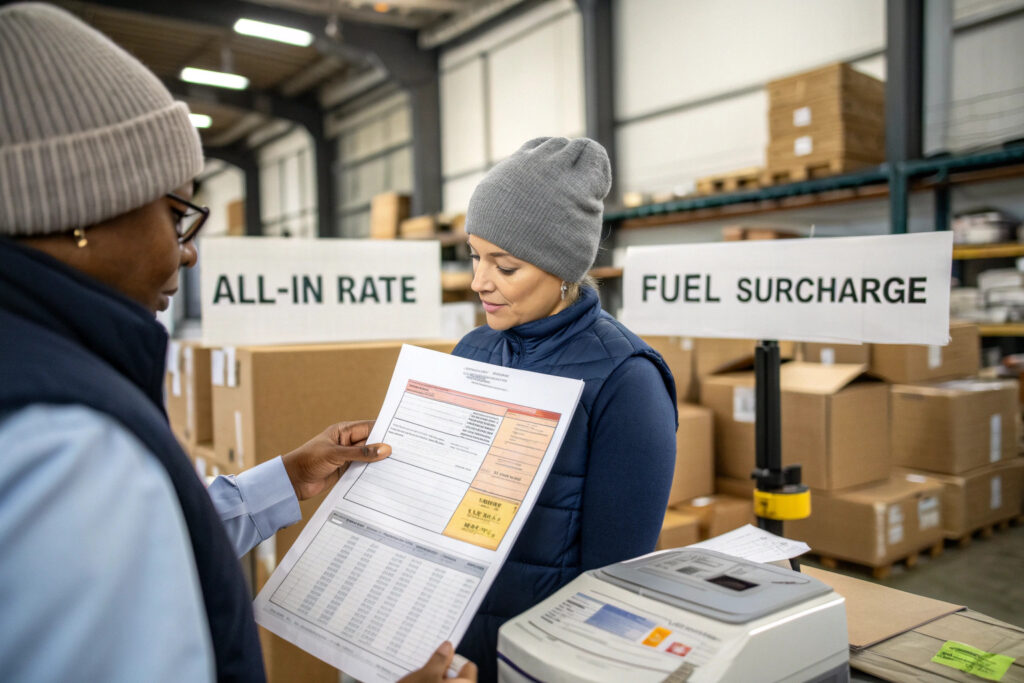
For manufacturers and wholesalers shipping beanies internationally, navigating air freight costs can be frustrating. The initial quote you get often isn't the final bill, with surprise charges like fluctuating fuel surcharges being a common and costly pitfall. These hidden fees erode your margins and make pricing for your overseas clients unpredictable. Fortunately, by understanding how carriers structure their fees and choosing the right shipping strategy, you can achieve cost-effective, transparent air shipping for your beanie orders.
To air ship beanies without hidden fuel surcharges, your primary strategy is to proactively use shipping channels that explicitly advertise "no fuel surcharge," such as certain specialized cross-border small parcel lines. When using standard air freight or express services, the key is to secure a firm "all-in" rate that includes all foreseeable charges before committing, and to meticulously manage documentation and logistics to avoid other common hidden fees like storage or re-inspection costs. This approach shifts your focus from reacting to fees to preventing them through informed planning and partner selection.
Let's explore the specific logistics products, negotiation tactics, and operational best practices that will bring transparency and cost control to your international beanie shipments.
What Logistics Services Explicitly Exclude Fuel Surcharges?
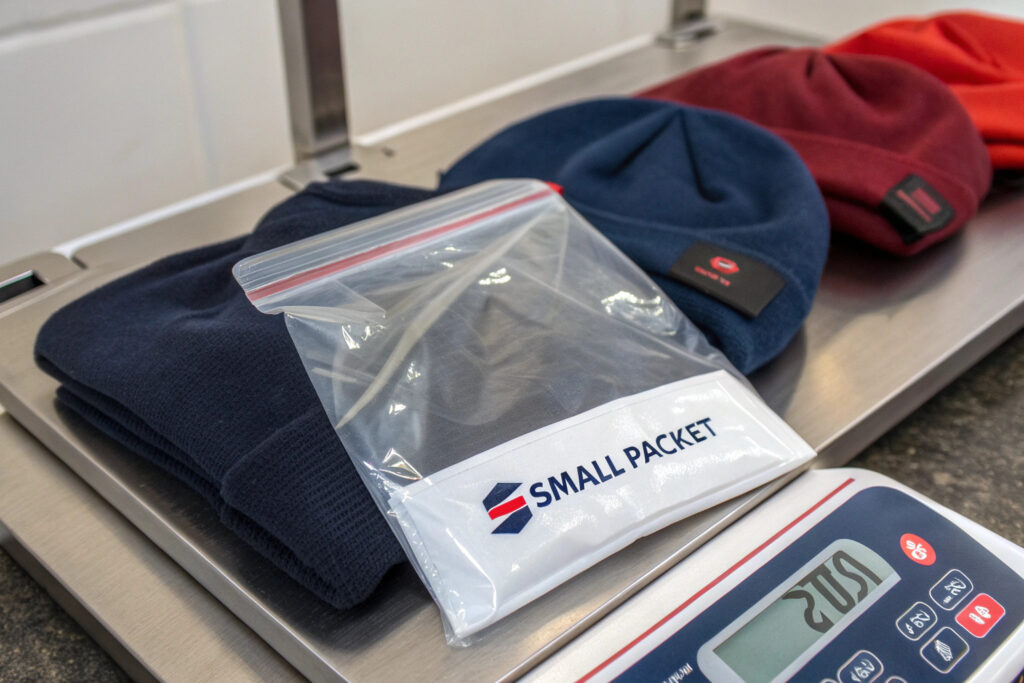
The most straightforward way to avoid fuel surcharges is to select a shipping service that does not levy them at all. For lightweight, high-volume items like beanies, specialized "cross-border small parcel" or "e-packet" lines offered by logistics aggregators can provide this benefit. These services are designed for e-commerce and B2C shipments, often integrating with platforms you may already use.
A concrete example is the "Amazon Yanwen Air Easy Send Small Packet - General Cargo" service, which prominently advertises "No Fuel Surcharge" as a key feature of its price structure. This service is priced in RMB and billed by the gram, with a minimum chargeable weight of 50g for the USA. For beanies, which are typically light, this can be a very cost-effective model. It's crucial to note that such services have specific requirements: they typically only accept common apparel like hats, require bag packaging (no boxes), and do not deliver to commercial warehouse addresses like Amazon FBA centers[citation:1]. For wholesalers shipping to distributors or retailers directly, this can be an ideal, transparent solution.
How do International "Small Packet" services compare?
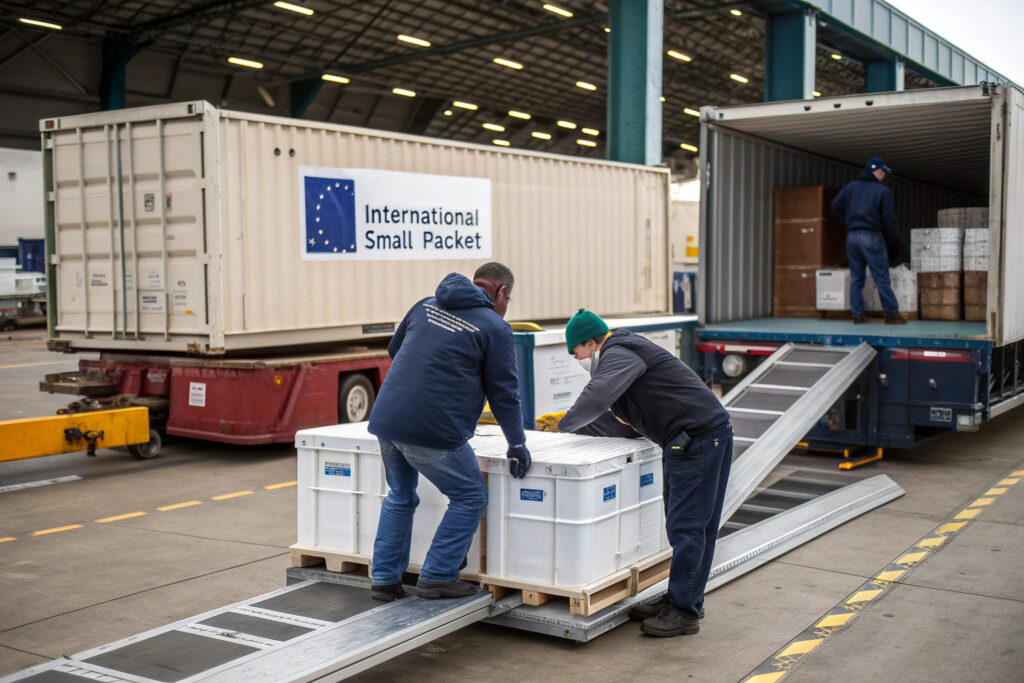
International Small Packet services, often operated through postal networks, are another alternative that typically does not involve separate fuel surcharges. Their cost is bundled into a simple per-kilogram rate. For shipments under 2kg, they offer broad global coverage and are a budget-friendly option. However, it's vital to understand the trade-offs: while cost-transparent, these services may have longer and more variable delivery times (from 7 to 30 days), and non-registered packets offer no tracking. For non-urgent replenishment orders or shipments to remote areas, they are excellent; for time-sensitive wholesale orders, a tracked, faster small parcel line like the Yanwen service mentioned above may be more reliable.
What are the limitations of these "no surcharge" services?
While eliminating fuel fees, these services come with clear operational constraints you must follow to avoid other penalties. The Yanwen service, for instance, has strict packaging rules: only plastic bag packaging is accepted, with no boxes, bubble wrap, or air cushions allowed. There are also size and weight limits (e.g., max 30kg for USA, with specific dimensional limits). Crucially, accurate commercial invoicing is mandatory. Vague descriptions like "accessories" are rejected; you must provide the specific product name, material, and use. For a company like Shanghai Fumao Clothing, maintaining a database of precise product descriptions and HS codes for each beanie style is essential to leverage these services smoothly.
How to Secure a Transparent "All-In" Air Freight Quote?
For larger shipments, consolidated air freight, or when using major express carriers, fuel surcharges are often a standard, variable cost component. In these cases, the goal is not to eliminate the fee but to have its cost and calculation method fully locked down in advance, transforming it from a "hidden" variable into a known, fixed part of your total cost.
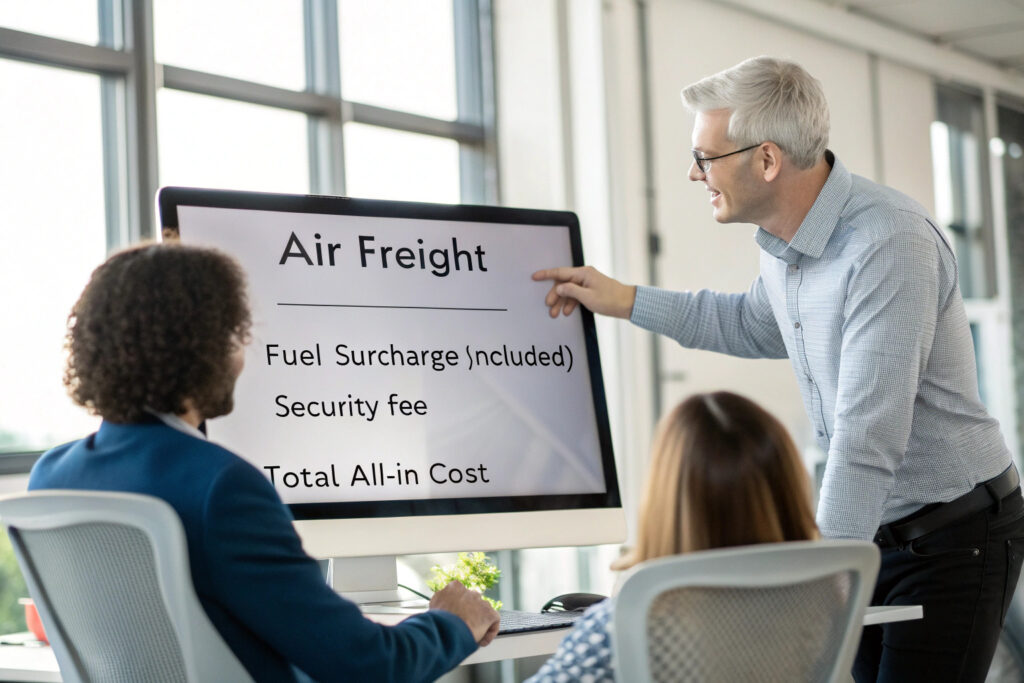
The essential practice is to insist on a comprehensive "All-In" or "Door-to-Door" rate from your freight forwarder or carrier, and to obtain a detailed breakdown of all cost components before booking. This breakdown should explicitly list the air freight cost, fuel surcharge (FAF/FSC), security screening fees, terminal handling charges, and any destination fees. You must ask directly: "Does this quoted price include all origin and destination charges, including current fuel surcharges, handling, and customs clearance fees?" Getting this confirmation in writing via email or a formal quotation is your key contractual defense against later surprises.
What specific questions should I ask my forwarder?
To ensure true transparency, structure your inquiry around these key points:
- Fuel Surcharge Basis: "Is the current fuel surcharge included in this quote? How is it calculated (e.g., a percentage or fixed fee), and on what date will the applicable rate be locked in?" This prevents mid-shipment rate hikes.
- Destination Cost Clarity: "Does this 'all-in' quote cover all destination port charges, import customs clearance fees, and final delivery? Are there any potential 'remote area' surcharges for the delivery zip code?" Destination fees are the most common hidden cost.
- Storage & Delay Triggers: "What is the free storage period at both the origin airport and destination airport? What are the daily charges after that period, and under what circumstances would I be responsible for them?" Knowing this helps you plan around cut-off times and prepare customs documents promptly to avoid demurrage fees.
Can I negotiate to fix the fuel surcharge?
Yes, especially with established forwarders for high-volume shippers. While you may not eliminate it, you can negotiate to fix the fuel surcharge rate for a set period or for a specific shipment as part of your "all-in" quote. Another strategy is to seek a "cost-cap" agreement, where the forwarder absorbs any fuel surcharge increase beyond a certain threshold. These terms are achievable through long-term partnerships and should be formalized in your service contract. Presenting your consistent shipping volume, such as regular beanie shipments to key markets, strengthens your negotiating position.
What Other Hidden Costs Should I Prevent Besides Fuel?
Fuel is just one piece of the puzzle. Inefficient operations and incomplete documentation can trigger a host of other fees that inflate your shipping cost. A proactive approach to logistics management is necessary to keep these under control.
Beyond fuel, the major hidden cost areas are storage/demurrage fees at airports and additional handling or inspection fees caused by non-compliant packaging or inaccurate paperwork. These are often within your direct control to prevent. For example, delivering goods to the origin airport warehouse too far in advance of the flight can incur "early storage" fees, while delays in customs clearance at destination can quickly rack up expensive daily demurrage charges.
How can proper packaging and documentation save money?
Correct packaging and paperwork are not just administrative tasks—they are direct cost-control measures.
- Packaging for Compliance: Use standard, sturdy cartons. For air freight, ensure packaging can withstand pressure and prevent contents from shifting. This avoids repackaging fees or rejection at security screening, which can lead to costly delays and re-inspection charges.
- Precise Documentation: The commercial invoice is critical. Use exact product descriptions (e.g., "100% Acrylic Knitted Beanie, Adult Size") rather than generic terms. Declare the accurate value and ensure the Harmonized System (HS) code is correct for the destination country. Inaccurate declarations are a leading cause of customs holds, which result in storage fees and potential fines. Providing this data accurately also streamlines the work for your partners like Shanghai Fumao Clothing.
The most significant and unpredictable destination cost is often Duty and Tax. While not a "hidden fee" from your carrier, it can be a surprise for your consignee if not communicated. To prevent shipment refusal or delays (which then cause storage fees), you must clarify the incoterms with your customer. If you are selling on a DDP (Delivered Duty Paid) basis, your "all-in" quote from the forwarder must include an estimate for these taxes. If selling on DAP (Delivered at Place) or similar terms, you must clearly inform your overseas customer that they are responsible for paying import duties and taxes upon arrival. Providing them with a copy of the commercial invoice in advance facilitates their local clearance.
Is Air Shipping Always the Best Choice for Beanies?
While air shipping is fast, its cost structure makes it vital to evaluate if it's the most economical choice for every order. For lightweight, non-urgent, or high-volume shipments, combining sea and air freight or using specialized surface mail can offer better value without sacrificing reliability for the end-client.
A strategic approach often involves using sea freight for bulk inventory replenishment and air services for time-critical orders or best-selling items, a method known as "hybrid logistics." Given that beanies are lightweight and compressible, they are excellent candidates for International Small Packet surface or economical air services for direct-to-consumer or small B2B orders. For large wholesale orders, the cost savings of sea freight can be substantial, even with longer lead times. The key is to align the shipping method with the commercial urgency and the sales channel's requirements.
When does it make sense to consider sea freight?
Sea freight should be your default for large, planned production runs where lead time is not critical. For example, shipping a container of beanies for a seasonal fall/winter collection. The cost per unit is drastically lower than air. The "hidden" challenge with sea freight is the less predictable transit time and potential port congestion, which requires more advanced inventory planning. For a stable, high-volume product line, this is a manageable trade-off for significant cost savings.
How can I use logistics to be more competitive?
Transparent and cost-effective logistics is a competitive advantage. By mastering these techniques, you can offer your international customers more attractive and reliable delivery terms. You can quote landed costs (product cost + shipping + estimated duty) with confidence, building trust. Furthermore, by avoiding hidden fees, you protect your own profit margins. Presenting this logistics expertise can be a key part of your value proposition when dealing with large, savvy buyers like major retail chains or international distributors.
Conclusion
Eliminating hidden fuel surcharges and controlling air freight costs for beanie shipments is a multi-faceted strategy. It starts with selecting the right service—opting for transparent small parcel lines that exclude fuel fees or securing fixed "all-in" rates from forwarders. It is sustained through meticulous attention to packaging standards, precise documentation, and clear communication with customers about destination responsibilities. By viewing logistics not as a simple cost center but as a strategic function, you can turn reliable, predictable shipping into a tangible asset for your global hat business.
Mastering these logistics details is a hallmark of a sophisticated supplier.Like Shanghai Fumao Clothing, if you are looking for a manufacturing partner that not only produces high-quality beanies but also provides expert guidance on cost-effective, transparent global shipping strategies, our team is here to help. For a detailed consultation on optimizing your supply chain for maximum efficiency and cost clarity, please contact our Business Director, Elaine. She can provide tailored solutions for your brand. Reach her at elaine@fumaoclothing.com.