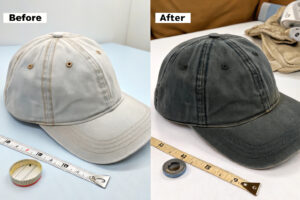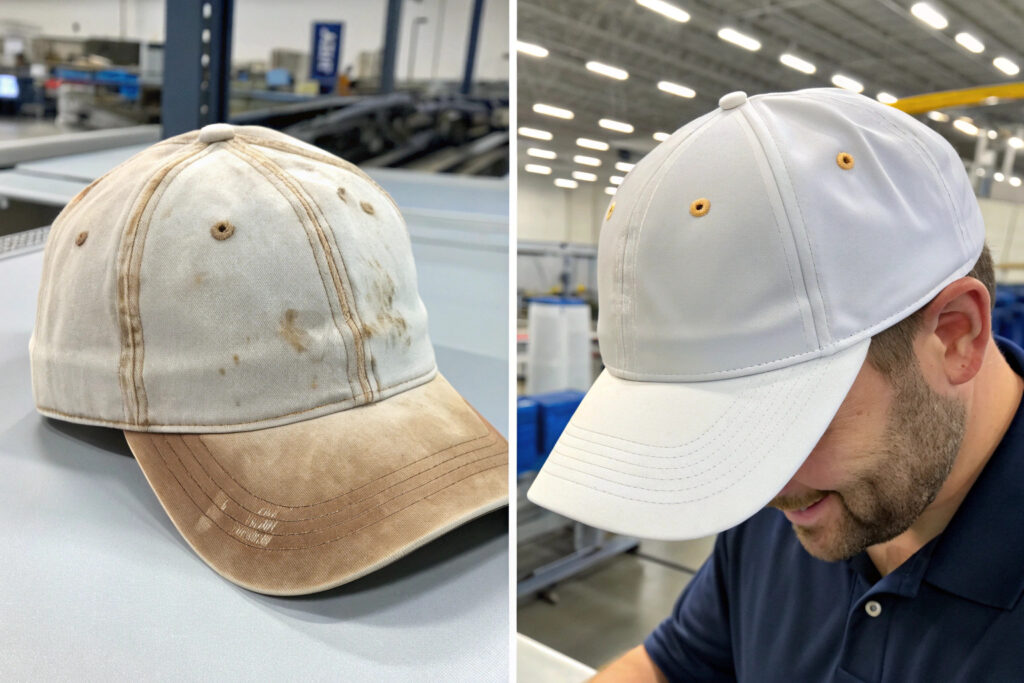
Every hat manufacturer or buyer has faced the dreaded "sweat ring." It's that discolored band that forms along the inner brim, a frustrating combination of salt, oils, and dirt that mars the appearance and shortens the life of custom baseball caps. For your clients, this means a product that looks worn out too soon, damaging brand reputation. For you as a producer, it translates into potential quality complaints and compromises the premium feel of custom orders. But sweat rings are not an inevitability; they are a design and material challenge with clear, actionable solutions.
To eliminate sweat rings on custom baseball caps, you must implement a two-pronged strategy: first, integrate preventative technologies into the cap's construction during manufacturing, and second, educate your end-users on proper aftercare and cleaning techniques. The most effective approach combines advanced sweatband design—using moisture-blocking barriers and high-absorption materials—with clear care instructions to maintain the cap's condition over time. This proactive methodology moves beyond cleaning stains to preventing their formation in the first place.
Let's dive into the specific materials, construction methods, and care protocols that will allow you to offer caps that stay cleaner, look newer for longer, and provide superior value to your customers.
What Preventative Technologies Block Sweat at the Source?
The battle against sweat rings is won on the drawing board. Integrating preventative features during the manufacturing phase is far more effective than trying to clean stains later. Modern innovations focus on creating a physical or chemical barrier that stops sweat from migrating through the hat's layers to the outer fabric where it becomes visible.
The most effective preventative technologies are impermeable moisture barriers integrated into the sweatband and advanced fabrics with high absorption and antimicrobial properties. These solutions directly address the core problem: sweat wicking from the inner band to the crown fabric. Innovative designs where a thin, flexible plastic or polyurethane layer is placed between the sweatband and the crown, forming an impervious shield, have proven effective. This barrier prevents sweat, oils, and salts from ever reaching the exterior material, thereby eliminating the possibility of a visible stain.
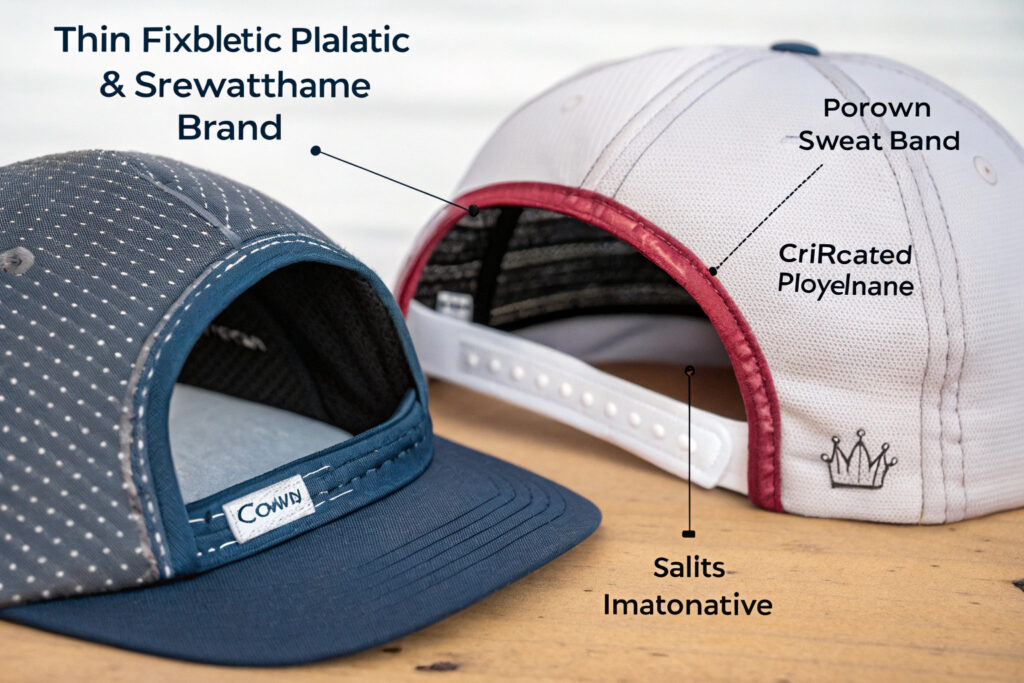
How do moisture-barrier sweatbands work?
The principle is straightforward but highly effective. A traditional cloth sweatband absorbs moisture, but eventually, that moisture can saturate the fabric and transfer to the hat's body. An advanced sweatband incorporates a thin, flexible barrier—often made from a polymer like polyurethane or a synthetic resin—positioned on the side facing the hat's crown. This design allows the soft, absorbent outer layer to comfort the wearer's forehead while the inner coating acts as a definitive block, preventing any liquid from passing through to the crown fabric and causing an unsightly ring. This is a key feature we prioritize in the development of high-performance caps for our partners.
Can fabric technology itself prevent stains?
Absolutely. Beyond barriers, the choice of primary fabric is crucial. Moving beyond standard cotton, you can offer caps made from high-performance textiles with inherent benefits. Fabrics with built-in moisture-wicking properties actively pull sweat away from the skin to the fabric's outer surface where it can evaporate more quickly, reducing accumulation. Furthermore, integrating antibacterial agents into the fabric or during the dyeing process can inhibit the growth of odor- and stain-causing bacteria. For the eco-conscious market, organic cotton or recycled polyester blends can also be engineered with these functionalities. Presenting these as options allows your clients to choose a cap that aligns with their brand's performance or sustainability values.
What Are the Best Cleaning Methods for Different Cap Materials?
Even with preventative features, proper cleaning is essential for maintenance. The key is using the right method for the specific material to avoid damage like shrinking, color bleeding, or loss of shape. Providing clear care instructions can become a valuable part of your service, enhancing client trust.
The best cleaning method is always dictated by the cap's material: hand-washing in cold water with mild detergent is safest for most fabrics, while specialized cleaners are required for delicate materials like wool, leather, or suede. A universal rule is to never use a clothes dryer, as the heat can warp the cap's structure and cause irreversible shrinkage. For structured caps, air-drying while maintaining their form is critical.
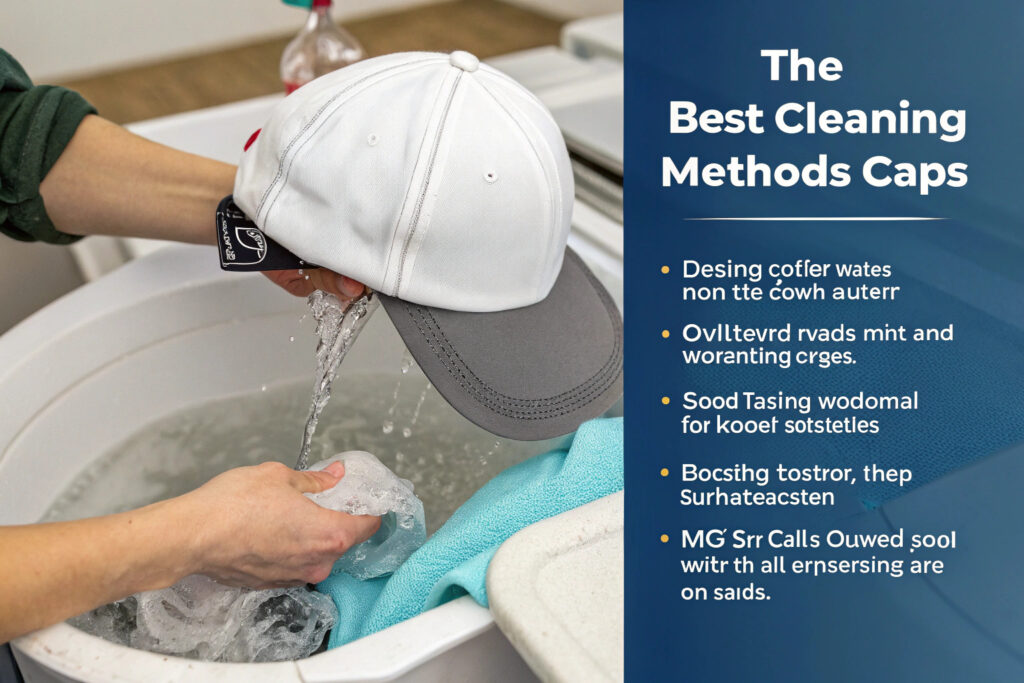
What is the step-by-step process for washing a standard cotton or polyester cap?
For the most common materials (cotton, polyester, blends), a careful hand-wash is recommended over machine washing, which can be harsh. Here is a reliable four-step process:
- Pre-treat & Soak: Fill a clean basin or sink with cold or lukewarm water and add a small amount of mild laundry detergent or dish soap. Submerge the cap and let it soak for 30 minutes to loosen dirt and oils.
- Gently Scrub: Use a soft-bristled brush (like a toothbrush) to gently scrub the soiled sweatband area and any other spots. Focus on the inner brim where sweat accumulates.
- Rinse & Remove Water: Rinse the cap thoroughly under cold running water until all soap is gone. Gently press—do not wring or twist—to remove excess water. You can then roll the cap in a clean, absorbent towel to soak up more moisture.
- Air-Dry Properly: Reshape the cap. To help it retain its form as it dries, stuff the crown with a towel or use a cap form. Let it air-dry at room temperature, away from direct sunlight or heat sources.
How should clients clean caps made from wool or other delicate materials?
Delicate materials demand extra caution. For wool or felt caps, use a detergent specifically designed for wool and always use cold water. Agitate gently and never scrub forcefully. Leather or suede sweatbands should not be fully immersed. Instead, use a leather cleaner and a damp cloth for spot cleaning. In many cases, for valuable or complex caps, recommending professional dry cleaning is the safest advice you can give. As the manufacturer, you can strengthen your partnership with clients by providing these tailored care guidelines with your shipments.
How Can End-Users Maintain Caps and Prevent Future Stains?
Prevention doesn't stop at the factory. Educating the end-user on simple maintenance habits can drastically extend the pristine life of a cap. These practices reduce the frequency of deep cleans needed, preserving the fabric and structure over time.
Effective maintenance revolves around moisture management, rotation, and proper storage. Key habits include using absorbent accessory strips, allowing caps to fully air out after wear, and storing them in a way that maintains their shape and promotes airflow. This turns a reactive cleaning cycle into a proactive care routine.
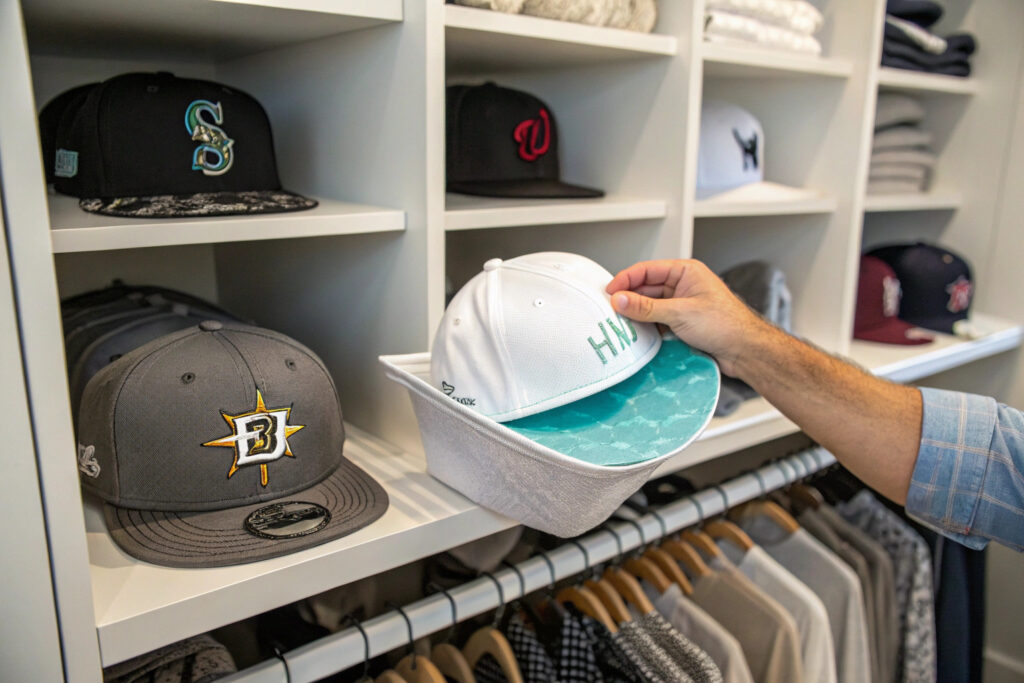
Are disposable sweatbands or liners a good solution?
Yes, and they are a highly practical recommendation. Disposable or washable absorbent sweatbands or cap liners are a simple, low-cost intervention. These are typically made from soft, absorbent materials like felt or terry cloth and can be stuck or tucked inside the cap's sweatband. They act as a first line of defense, absorbing the majority of perspiration. Once soiled, they can be discarded or washed, leaving the cap's primary sweatband clean. When suggesting these, advise users to look for options with good breathability to avoid trapping heat and to ensure they are changed or washed regularly to prevent bacterial growth.
What are the best practices for daily cap care?
A few simple routines make a big difference:
- Rotate Your Caps: Encourage users not to wear the same cap on consecutive days. This gives each cap 24-48 hours to fully air out and dry any residual moisture.
- Spot Clean & Freshen: For minor dirt, immediate spot cleaning with a damp cloth can prevent a set-in stain. Using a fabric freshener or antibacterial spray designed for garments on the inner band can help control odors between washes.
- Store with Care: Caps should be stored in a cool, dry place. Using a cap rack or stacking them with adequate space is better than crumpling them into a drawer, which can trap moisture and deform the crown. For your major clients, such as large distributors or brands, consider including a printed care card with these tips as an added-value service.
What Construction Details Minimize Sweat Transfer?
Beyond add-ons and fabrics, the physical construction of the cap plays a fundamental role. Attention to detail in how the sweatband is attached and finished can seal potential pathways for moisture.
Critical construction details include using a non-porous tape to cover the sweatband's lower stitching and ensuring the sweatband itself is fully secured and finished in a way that doesn't create wicks for moisture. Stitching holes and unfinished edges are common leakage points that allow sweat to bypass even a good sweatband.
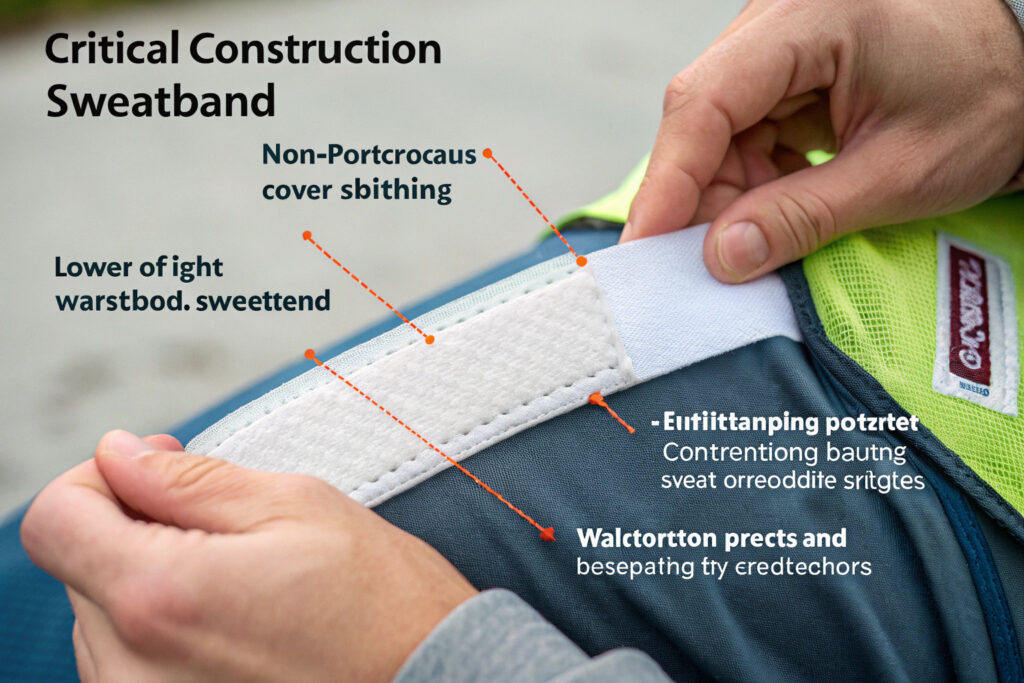
Why is the finishing tape on the sweatband so important?
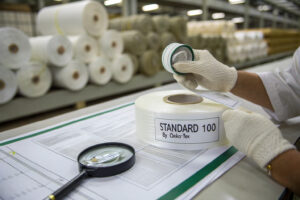
The sweatband finishing tape (the fabric tape that covers the lower edge of the sweatband where it meets the cap's crown) is often a vulnerability. If this tape is made of a porous material or is stitched through with perforations, it can act like a wick, drawing moisture from the sweatband directly into the crown fabric. The solution is to use a moisture-blocking tape or, in higher-end construction, to mold or seal the lower edge of the sweatband in a way that eliminates this stitch line entirely. As a manufacturer, specifying a waterproof or polymer-coated tape for this component is a minor cost with a major impact on final product quality.
How does a two-segment sweatband improve function?
An intelligent design is the two-segment sweatband. This design recognizes that the area of the cap directly behind the stiff brim (the "peak") does not need to stretch. Therefore, the sweatband in this section can be made from a non-stretchable, less absorbent, or more barrier-focused material, while the rest of the band uses comfortable, absorbent fabric. This not only optimizes cost and comfort but also allows for targeted application of moisture-blocking materials exactly where sweat primarily drips (at the front), providing a more efficient and potentially more comfortable solution than a full, heavy barrier throughout. Learn more Shanghai Fumao Clothing details page.
Conclusion
Eliminating sweat rings on custom baseball caps is a multi-faceted challenge that requires solutions at every stage of the product's lifecycle, from initial design to end-user care. The most effective strategy combines innovative manufacturing—such as integrating moisture-barrier sweatbands, selecting advanced performance fabrics, and implementing smart construction details—with clear, practical guidance on cleaning and maintenance for the customer. By adopting this holistic approach, you transform the cap from a simple accessory into a durable, high-quality product that maintains its appearance and integrity, directly enhancing your clients' brand value and customer satisfaction.
Mastering these details is what sets a premium supplier apart. If you are looking for a manufacturing partner that understands and implements these advanced solutions to deliver superior, long-lasting custom baseball caps, our expertise is at your disposal. For a detailed consultation on how we can integrate these sweat-ring prevention technologies into your next order, please contact our Business Director, Elaine. She can provide tailored solutions for your brand. Reach her at elaine@fumaoclothing.com.