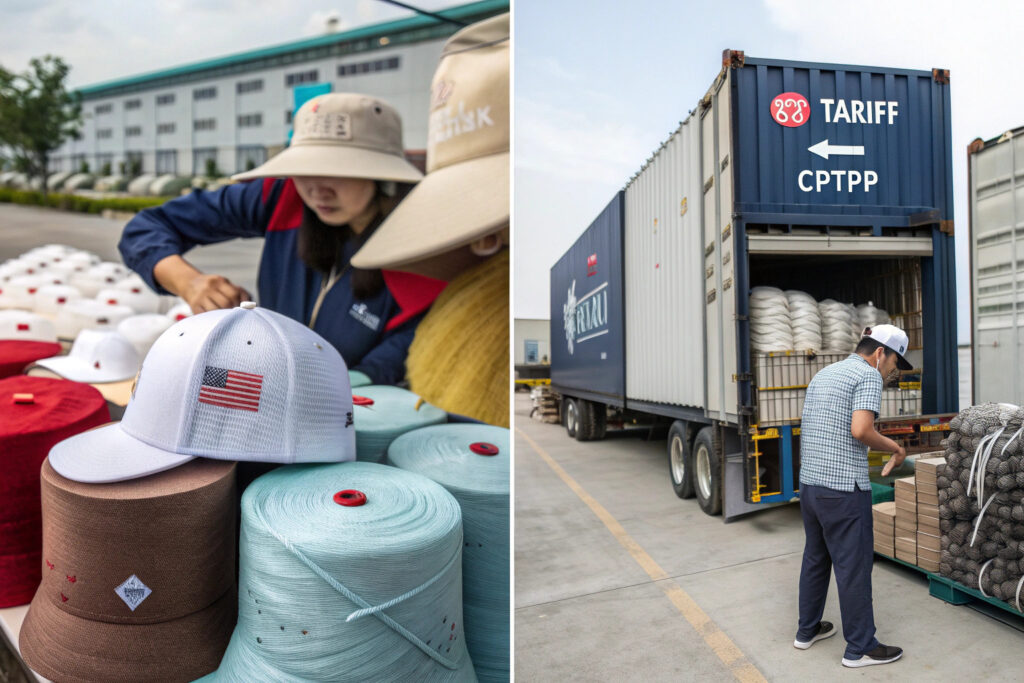
For Chinese hat manufacturers looking to the Canadian market, navigating tariffs can be a major hurdle. However, there is a strategic path that can lead to zero tariffs, even if the hats are produced in China. The secret lies not in exporting directly, but in leveraging the Comprehensive and Progressive Agreement for Trans-Pacific Partnership (CPTPP) through smart supply chain design. For businesses used to direct exports, this may seem complex, but it can be a game-changer for cost competitiveness.
To achieve tariff-free hat exports to Canada under CPTPP, you must produce your hats within a CPTPP member country (like Vietnam) to meet the agreement's strict rules of origin, and then ensure direct shipment to Canada with a valid certification of origin. This allows your goods to be treated as originating from that CPTPP country, qualifying for the CPTPP tariff which is zero for most industrial goods, including headwear. This method legally circumvents the tariffs that would apply to goods of Chinese origin.
The process hinges on three core pillars: understanding and meeting the product-specific rules of origin, navigating the logistics of "direct shipment," and correctly preparing the origin documentation. Let's break down how you can implement this strategy. Learn more Shanghai Fumao Clothing details page.
What Are the CPTPP Rules of Origin for Hats?
The fundamental requirement for any tariff preference is proving your product "originates" in a CPTPP country. This is not about where it was shipped from, but where it was made. The CPTPP has specific, detailed rules for every product, found in its annexes. For hats, which fall under Chapters 61 to 63 of the Harmonized System (HS Code for headwear is typically 6505, but materials matter), the rules are particularly focused on the transformation of textiles.
For textile and apparel goods like hats, the core rule is usually a "yarn-forward" principle or a specific "cut and sew" rule. This means that to qualify as originating, the yarn used to make the fabric must be produced or sourced within a CPTPP member country, and the cutting and sewing of the hat must also occur there. Simply sewing a hat in Vietnam from Chinese fabric will not qualify. The entire production process, starting from the yarn stage, must be rooted within the CPTPP region.
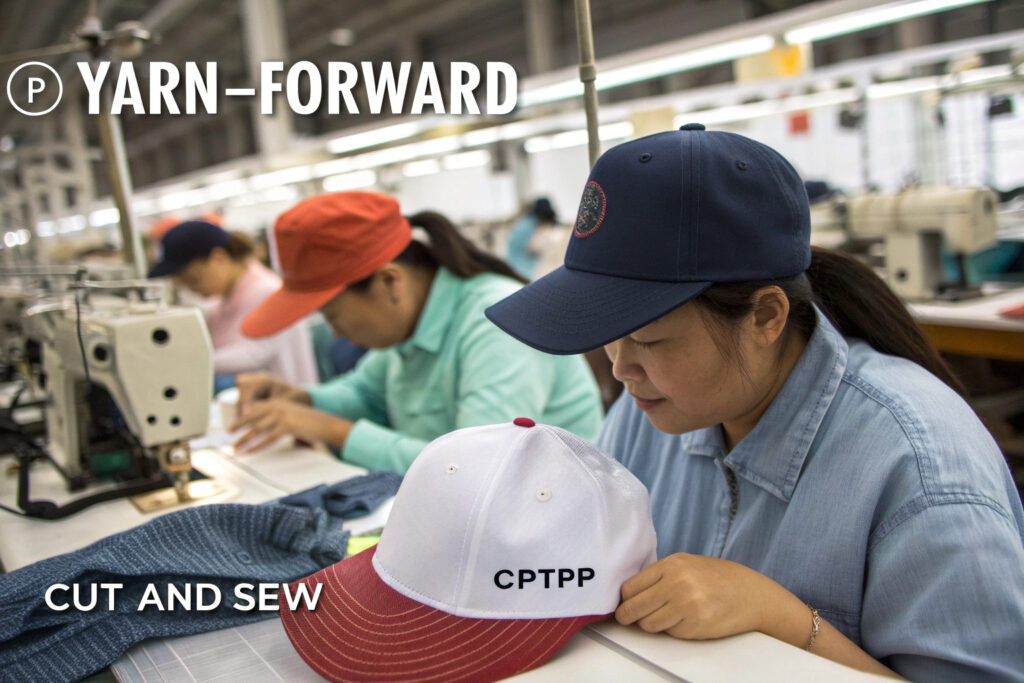
How does the "Yarn-Forward" rule apply to a baseball cap?
Let's take a common product like a baseball cap. To meet CPTPP origin rules:
- The Yarn: The polyester or cotton yarn used to knit or weave the cap's fabric must be extruded or spun in a CPTPP country (e.g., Vietnam, Malaysia).
- The Fabric: The yarn must then be knitted or woven into fabric in a CPTPP country.
- The Components: Other elements like the buckram, sweatband, and even the sewing thread often must also be originating.
- The Assembly: Finally, the fabric must be cut and sewn into the finished cap in a CPTPP country.
Only if this entire process is satisfied can the hat be certified as a CPTPP-originating good. This rule makes partnerships with vertically integrated factories in CPTPP members essential. As a comprehensive solutions provider like Shanghai Fumao Clothing, we can manage this by coordinating production through our trusted partner networks in Vietnam, ensuring every stage complies.
What if I use some non-originating materials? Is there any flexibility?
The rules do allow for some flexibility. A key concept is "accumulation." This means that materials or processing from any CPTPP member country can be counted as if they originated in the country where the final production happens. For example, if you use Malaysian yarn, Vietnamese fabric, and do the sewing in Vietnam, they all "accumulate" to make a Vietnamese-originating product.
There is also a de minimis rule (typically 10% for textiles). This allows a small percentage of the total weight of the product to be made from non-originating materials that do not meet the specific rule, as long as those materials themselves don't have their own origin requirements. However, this is a complex area, and professional guidance is crucial to ensure compliance.
How Must Hats Be Shipped to Canada Under CPTPP?
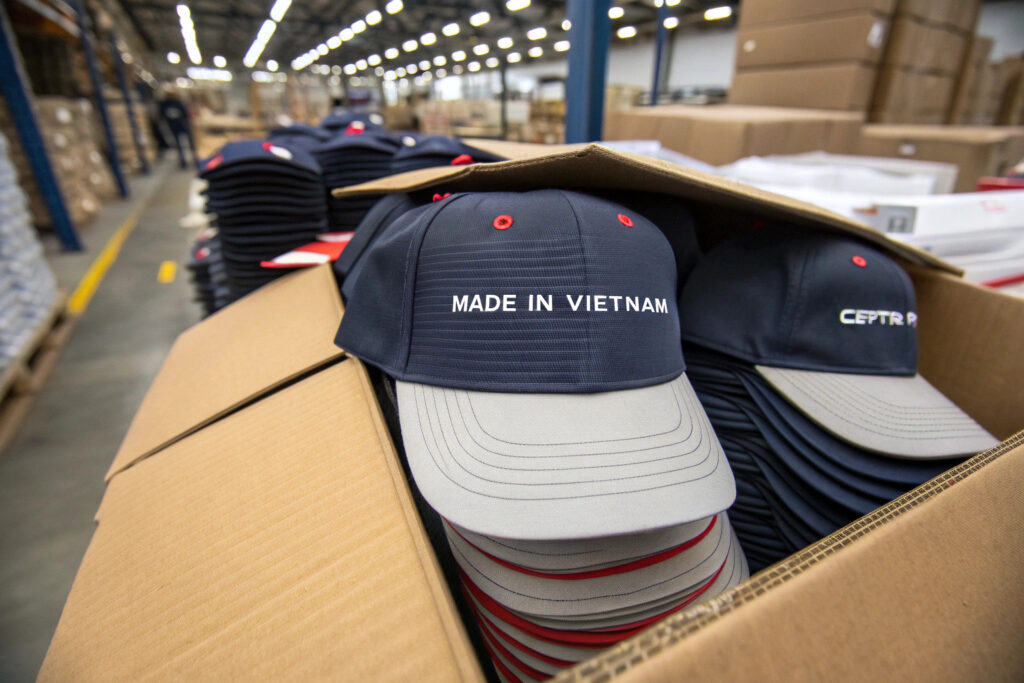
Meeting the production rules is only half the battle. The CPTPP has strict "direct shipment" requirements to ensure goods are not manipulated in non-member countries. Canadian regulations are clear: to be entitled to the CPTPP tariff, goods must be shipped directly from a CPTPP country to Canada.
Your hats must be shipped from the CPTPP production country (e.g., Vietnam) to Canada either on a through bill of lading, or with documented evidence of the direct route if transshipped through a non-member country while under customs control. This prevents goods from being substantially altered or entering the commerce of a third country en route.
What are the documented shipping requirements?
You have two main options for compliant logistics:
- Through Bill of Lading: The simplest method. This is a single shipping document that covers the transport from the factory in Vietnam all the way to the final port in Canada, even if multiple carriers are involved.
- Shipment Through a Non-Party Country: If direct service isn't available and goods must transit through a port in a non-CPTPP country (e.g., Singapore or South Korea), you must be prepared to provide Canadian customs with:
- Documentary evidence of the shipping route and all points of transshipment.
- Copies of customs control documents proving the goods never entered the local market and remained under customs supervision while in that third country.
Failure to maintain this chain of custody can result in the loss of the tariff preference. Using a freight forwarder experienced with CPTPP and FTA compliance is highly recommended.
What are the specific details required on a CPTPP Certificate of Origin?
Based on the agreement's requirements, your certificate must include at a minimum:
- Certifier Details: Name, address, and contact info of the exporter, producer, or importer certifying the origin.
- Exporter, Producer, and Importer details.
- Goods Description: A clear description and the correct HS tariff classification (e.g., 6505.90 for hats).
- Origin Criterion: The specific rule of origin under which the good qualifies (e.g., "Chapter 65, Product-Specific Rule").
- Blanket Period: If covering multiple shipments, the period (up to 12 months).
- Authorized Signature and Date: With a statement of certification.
While you can create this document yourself, it carries legal weight. Many companies choose to have these certified through organizations like the China Council for the Promotion of International Trade (CCPIT), which has streamlined online systems for issuing and even autonomous printing of certificates of origin. As your manufacturing partner, we can support this process by providing all necessary production records and factory information to complete the certification accurately.
What Are the Direct Shipment and Record-Keeping Rules?
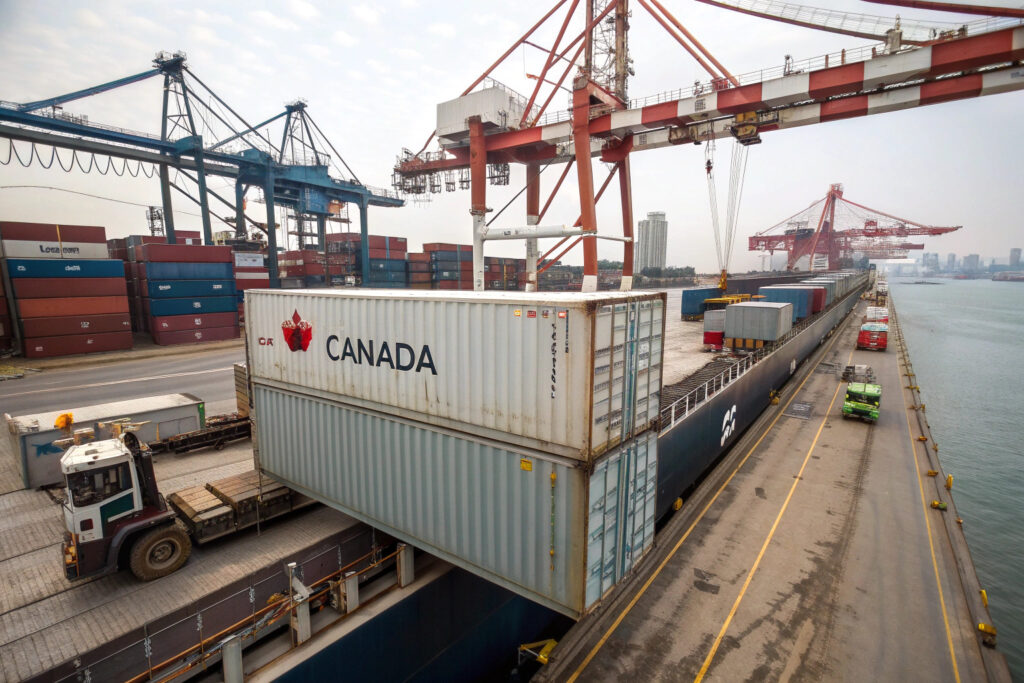
Meeting the rules of origin is not enough. Your goods must also be shipped to Canada without undergoing further processing in a non-CPTPP country. This "direct shipment" rule is designed to prevent simple transshipment fraud, where goods from a non-member are re-routed through a member country without substantial transformation. Furthermore, you must be prepared to prove your claim for up to five years after importation.
Under CPTPP regulations, goods must be shipped to Canada directly from a CPTPP country, or if shipped through a non-member, they must remain under customs transit control and not enter the commerce of that third country. You or your Canadian importer must also maintain all records supporting the origin claim—including the certificate, production cost statements, bills of material, and supplier declarations—for a minimum of five years.
What evidence is needed for indirect shipment?
If your hats must transit through a port in a non-CPTPP country (e.g., for logistical reasons), you need to maintain documentary evidence of the continuous journey. This can include:
- A through bill of lading showing Canada as the final destination.
- If no through bill exists, you must be able to provide documents like commercial invoices, carrier certificates, or customs paperwork from the transit country proving the goods remained under customs control and were not released for local sale or processing.
How long must I keep production records?
The record-keeping obligation is significant. The party that issues the Certification of Origin (exporter or producer) must maintain all records necessary to demonstrate that the good is originating for at least five years from the date the certificate was signed. The Canadian importer must also keep a copy of the certificate and relevant import documents for the same period. Authorities can conduct verification audits, and failure to provide records can result in retroactive duty assessments and loss of preferential status for future shipments.
How Does CPTPP Compare to Canada's Other Tariff Programs?
The CPTPP is not the only path to reduced tariffs in Canada. The country also operates unilateral preference programs for developing countries, like the General Preferential Tariff (GPT). However, these programs have critical limitations, especially for textiles and apparel. Relying on the wrong program can lead to unexpected duties.
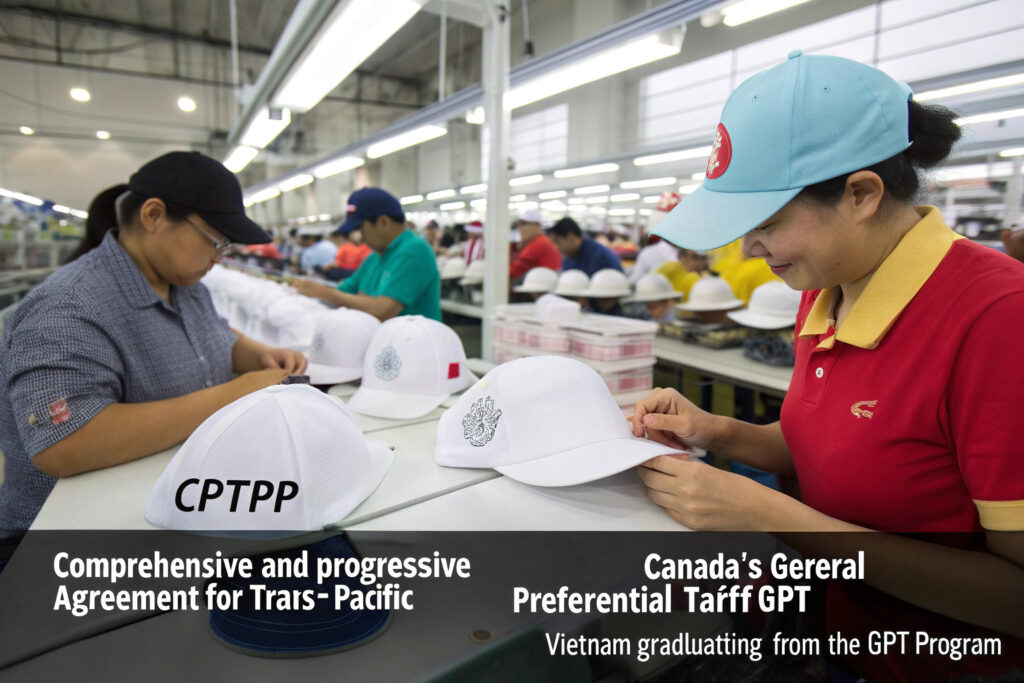
Unlike the CPTPP, which is a reciprocal agreement with broad product coverage, Canada's General Preferential Tariff (GPT) program excludes most apparel and textile products from its duty-free benefits. Furthermore, countries can "graduate" from the GPT as their economies develop, as Vietnam did in 2025, making the CPTPP a more stable and comprehensive long-term option for hat exporters in member nations.
Why was Vietnam removed from the GPT program?
Vietnam, a key CPTPP member and manufacturing hub, was graduated from Canada's GPT program effective January 1, 2025. This was based on Canada's development criteria, which graduate countries that achieve upper-middle-income status or command a 1% share of global exports for two consecutive years. This change makes the CPTPP even more critical for Vietnamese hat exporters. Under GPT, most hats would have been excluded anyway; under CPTPP, hats that meet the rules of origin can enter Canada duty-free, providing a decisive competitive advantage.
What is the key advantage of CPTPP over other programs?
The key advantage is certainty and coverage. The CPTPP is a binding international treaty, not a unilateral privilege that can be easily withdrawn for specific product categories. It provides duty-free access for virtually all industrial goods, including hats, for qualifying members. For a business, this means you can build a long-term supply chain strategy with confidence. The agreement also simplifies customs procedures and offers a single set of modern trade rules, reducing hidden administrative costs and delays.
Conclusion
Achieving tariff-free access for hats to the Canadian market via the CPTPP is a powerful strategy that transforms a supply chain challenge into a competitive advantage. The path requires a deliberate shift from direct China-Canada exports to a coordinated, CPTPP-centric production model focused on meeting strict rules of origin, maintaining direct shipment logistics, and preparing precise origin documentation.
While the process demands careful planning and compliance, the reward is significant: the ability to offer competitively priced, high-quality hats in the Canadian market, free from tariff barriers. This strategic approach not only protects your profit margins but also future-proofs your business against evolving trade dynamics.
If you are ready to explore how to restructure your hat production to qualify for CPTPP benefits and unlock the Canadian market, our team can guide you through every step. We have the expertise and partner network to manage compliant production in CPTPP member countries, ensuring a seamless and profitable export process. To begin a consultation on implementing this strategy for your next order, please contact our Business Director, Elaine, at elaine@fumaoclothing.com.