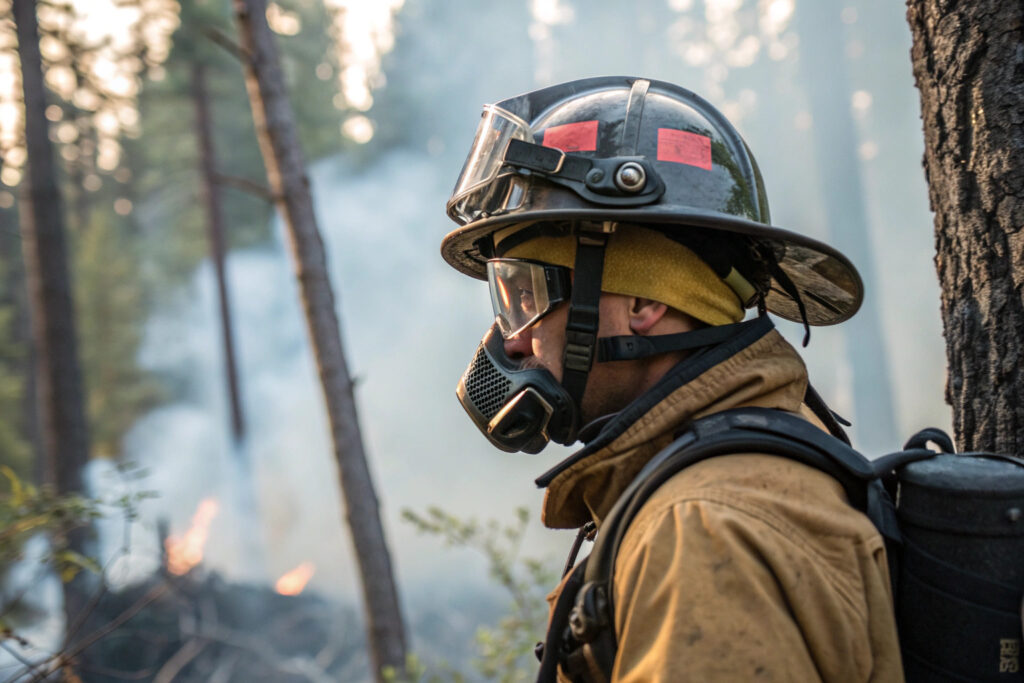
For wildland firefighters, battling blazes over long durations in rugged terrain, every piece of gear is a critical tool for survival and performance. The choice of head protection is not about style but about life-saving function. It must shield against falling debris, radiant heat, and sun, while also being lightweight and breathable enough for grueling, multi-day operations. The stakes are simply too high for anything less than optimal equipment.
The top and predominant "hat" style for wildland firefighters is, in fact, a specialized helmet, not a traditional fabric hat. Specifically, multipurpose wildland/rescue helmets designed to meet stringent safety standards like NFPA 1977 are the industry standard. These helmets are engineered to be lightweight and well-ventilated, a critical distinction from the heavier, fully enclosed helmets used in structural firefighting.
At Shanghai Fumao Clothing, while our expertise lies in broad headwear manufacturing, we deeply respect the specialized engineering required for life-protecting equipment. The design of wildland helmets is a fascinating case study in balancing maximum protection with minimum physiological burden. Let's examine why this specific helmet style is indispensable and what features define the best in class.
Why are Lightweight, Multipurpose Helmets the Standard?
The nature of wildland firefighting dictates the gear. Firefighters may work for 12-16 hour shifts, often in extreme heat, hiking over miles of difficult terrain. The key design principle is to provide essential protection without contributing to heat stress or exhaustion.
The fundamental choice is a lightweight, multipurpose helmet over a traditional fabric hat or a heavy structural helmet. Official regulations, such as those from Washington State, explicitly list a "hardhat/helmet" as a required component of the protective ensemble. These helmets are specifically engineered for the wildland environment, providing impact protection from falling branches and debris, as well as a brim to shield the neck and face from radiant heat and sun. Their multipurpose nature means they are also rated and used for technical rescue operations, making them a versatile piece of equipment.
What's Wrong with Traditional Firefighting Helmets for Wildland?
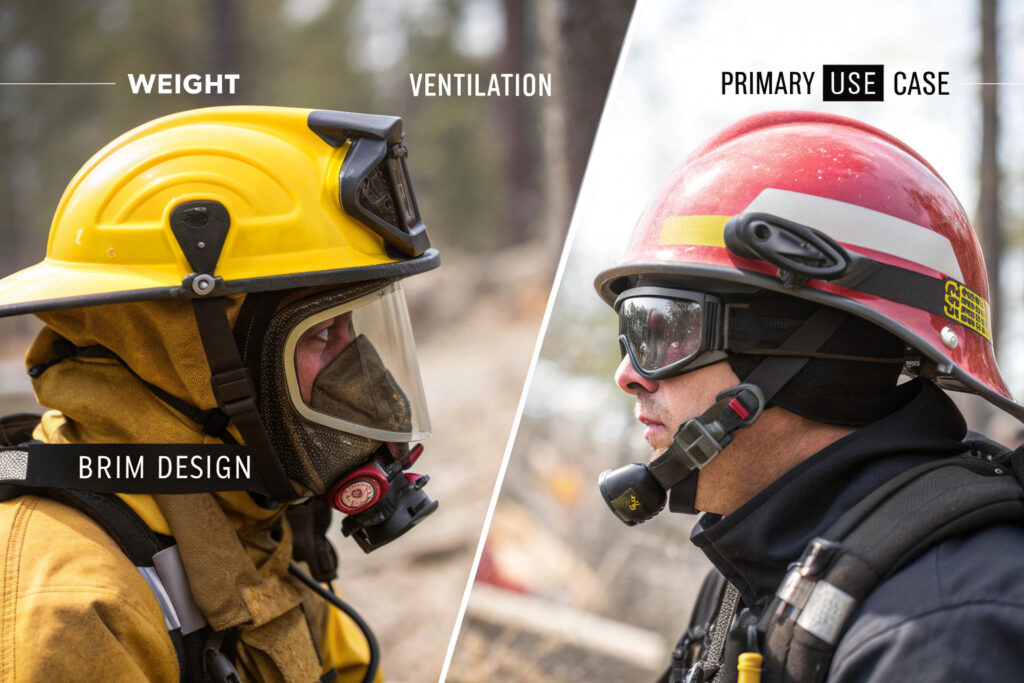
Structural firefighting helmets (often called "turnout helmets") are designed for short, intense exposures to direct flame and extreme heat in enclosed spaces. They are heavier, have less ventilation, and can trap body heat. As noted in a recent South Australian equipment upgrade, using a single structural helmet for all incidents is being replaced by a tailored approach, where firefighters choose a dedicated wildland/rescue helmet for outdoor fires because it offers "greater functionality and flexibility". Wearing heavy structural gear for prolonged wildland work can dangerously increase core body temperature and heart rate, leading to heat-related illness in under an hour.
How Do Standards Like NFPA 1977 Define the Helmet?
The NFPA 1977 standard is the definitive guideline for wildland protective clothing and equipment. For helmets, it mandates requirements for impact protection, penetration resistance, and thermal resistance to radiant heat. Helmets compliant with this standard are rigorously tested to ensure they provide a reliable last line of defense for the head and neck in a wildfire environment.
What Features Define a Top-Tier Wildland Fire Helmet?
Beyond basic compliance, the leading helmets on the market integrate a suite of features that enhance safety, comfort, and operational effectiveness during long deployments.
The best helmets are defined by ergonomic design for long-term wear, integrated accessory systems, and advanced materials that manage weight, heat, and contamination risk.
| Key Feature | Description | Why It Matters for Wildland Firefighters |
|---|---|---|
| Lightweight & Balanced Design | Use of advanced composites (like polycarbonate) to reduce weight, with a center of gravity optimized for neck strain. | Reduces fatigue during 12+ hour shifts, allowing firefighters to maintain awareness and performance. |
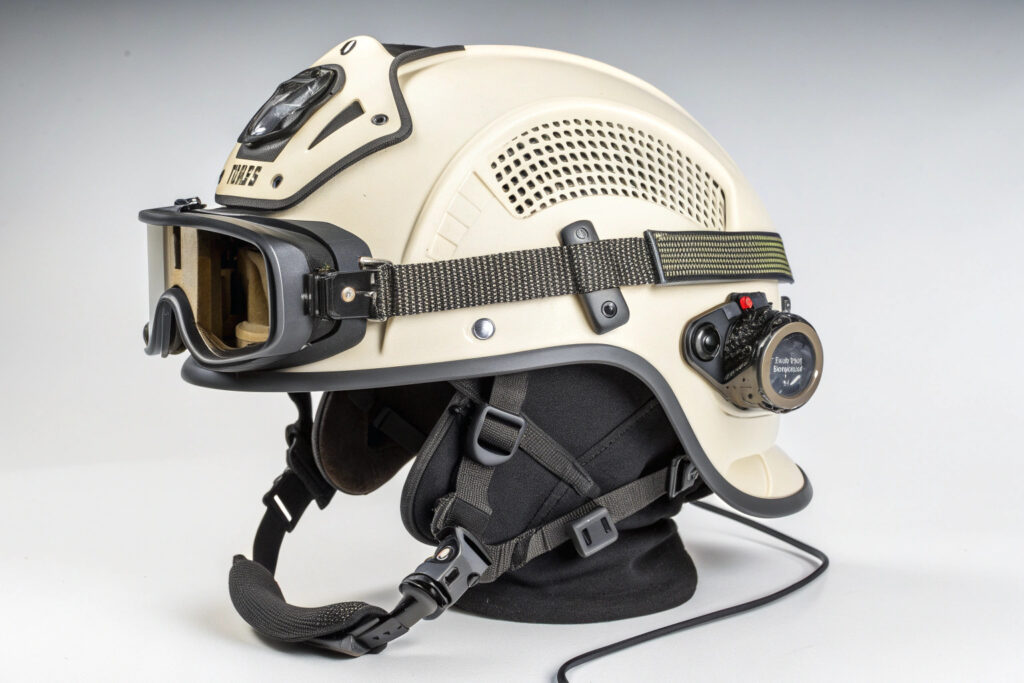
| Advanced Ventilation | Strategically placed vents that allow heat to escape while blocking embers and debris. | Critical for thermoregulation, preventing overheating in high-ambient temperatures. |
| Integrated Eye Protection | Compatible goggles or faceshields that can be easily deployed and resist fogging. | Protects eyes from smoke, flying embers, and branches without requiring a separate, easily lost item. |
| Modular Attachment System | Rails or mounts for headlamps, face/neck shrouds, and communication devices. | Allows customization for night ops, ash-filled air, or team coordination. The MSA F2XR helmet highlights this modularity. |
| Easy-Clean Harness | An inner suspension system that can be easily removed for decontamination and laundering. | Helps remove carcinogenic soot and toxins, a major long-term health concern for firefighters. |
Why is Decontamination Capability Now a Critical Feature?
Modern firefighting philosophy intensely focuses on reducing exposure to carcinogens. Helmets, like all PPE, absorb toxic smoke residues. A helmet with a harness that can be easily removed and laundered is no longer a luxury—it's a vital health safeguard. As stated by a Chief Officer during a helmet rollout, selecting helmets with this feature directly addresses "the longer-term threat from carcinogens". This design consideration is a direct response to the evolving understanding of occupational health risks.
How Does a "Multipurpose" Design Benefit Fire Agencies?
A single helmet platform certified for both wildland fire and technical rescue (like vehicle extrication, rope rescue) provides significant logistical and financial advantages for fire departments. It simplifies training, inventory, and ensures firefighters are proficient with one primary system. The trend, as seen in South Australia's procurement, is toward providing separate, purpose-built helmets for structural and wildland/rescue functions, moving away from a "one-helmet-fits-all-incidents" model.
What About Other Headwear in a Firefighter's Kit?
While the hard helmet is the primary protective item, other specialized headwear plays a supporting role in the ensemble, each with a distinct purpose.
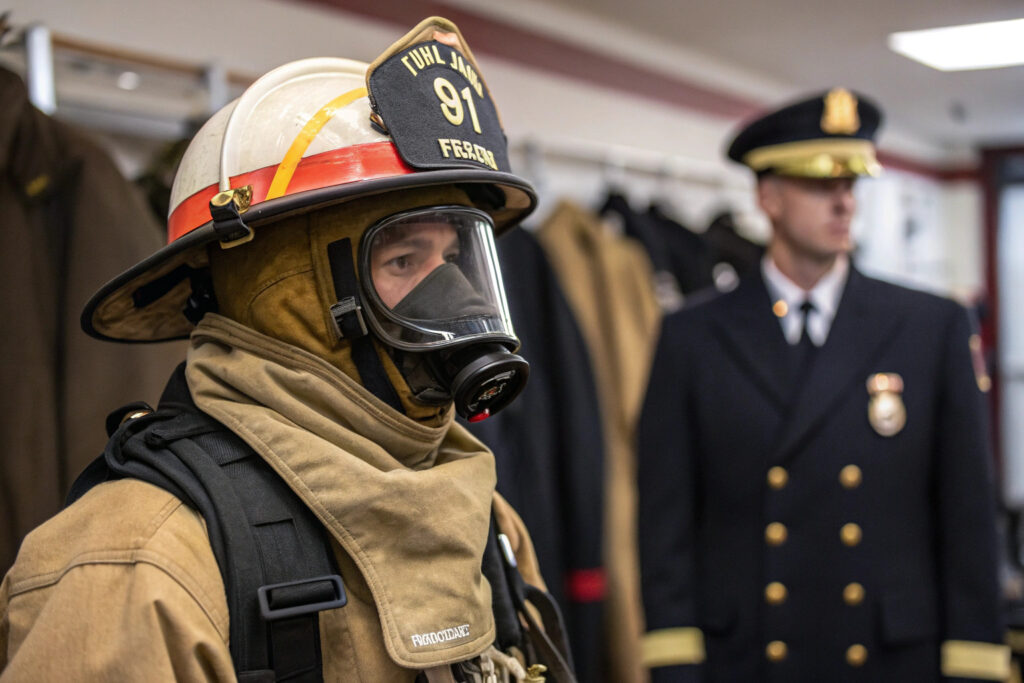
Beneath the helmet, firefighters wear a flash hood (or wildland shroud). This is a fire-resistant balaclava made from materials like Nomex, PBI, or similar blends. It protects the neck, ears, and the skin around the helmet's edges from heat and embers. For formal or station-based duties, firefighters may have a dress uniform cap, but this is strictly for non-tactical, administrative settings and is never worn on the fireline.
What is the Role of the Flash Hood?
The flash hood is an essential companion to the helmet. It is designed to be breathable and wicking while providing thermal protection. It ensures there are no gaps in protection between the helmet, jacket collar, and the firefighter's skin. Standards like NFPA 1977 also cover these hoods, ensuring they meet flame and heat resistance requirements.
How Does It Differ from Carbon Fiber Baseball Caps?
Carbon fiber baseball caps lack the structural rigidity, impact absorption, and heat shielding required for firefighting. They are not certified for NFPA standards and would fail to protect against falling debris or extreme heat—making them unsuitable for active fireground operations.
What Makes a Wildland Firefighter Hat Different From Standard Hats?
Before diving into specific styles, it’s important to understand the non-negotiable requirements for wildland fire hats. Unlike casual hats or even some industrial headgear, wildland hats must meet strict safety standards and functional needs.
What Are the Most Popular Wildland Firefighter Hat Styles?
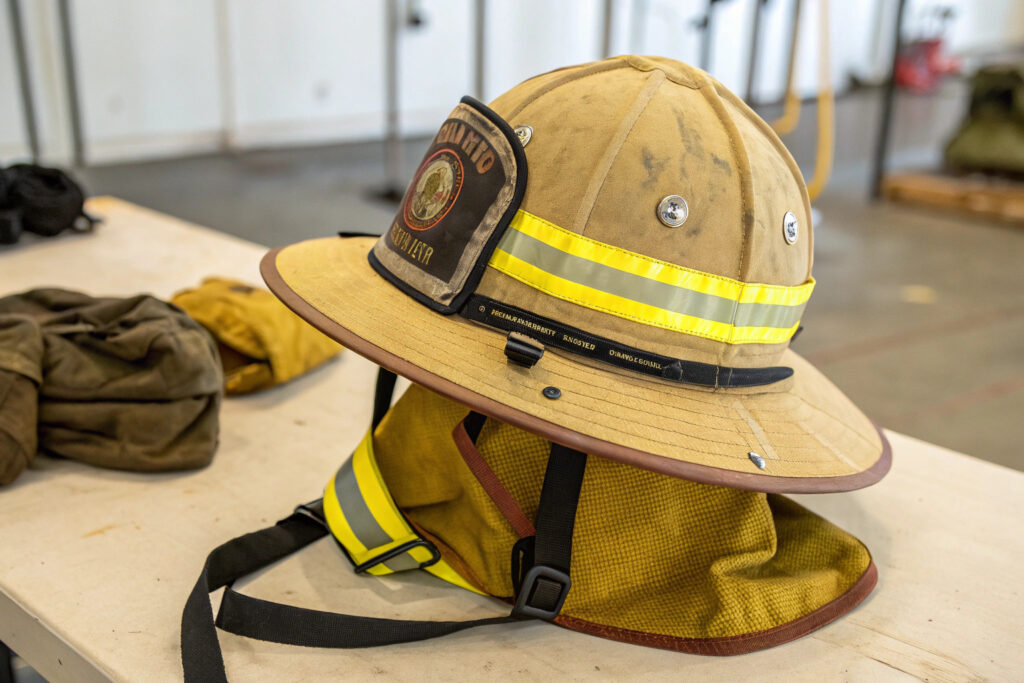
Wildland fire hats are not one-size-fits-all—different styles cater to varying terrain, fire intensity, and personal preference. From the rugged, brimmed hard hats designed for steep, rocky slopes where branches and debris can fly, to lightweight mesh caps suited for open grasslands with lower-intensity ground fires, each style is engineered to meet specific challenges.
How to Choose the Right Wildland Fire Hat Style?
When selecting a wildland fire hat, several key factors come into play to ensure optimal protection, comfort, and functionality in the demanding environment of wildfire suppression. First, consider the primary material—premium options like Nomex, which is flame-resistant and self-extinguishing, or Kevlar blends that offer enhanced durability and heat resistance, are industry standards.
Conclusion
For wildland firefighters, the "top hat style" is unequivocally a purpose-engineered, lightweight, multipurpose safety helmet compliant with NFPA 1977. Its design is a direct response to the operational realities of extended outdoor firefighting: managing heat stress, providing impact protection, and allowing for the integration of essential tools like eye protection and lighting. The evolution of these helmets towards easier decontamination and modularity reflects the industry's growing focus on long-term firefighter health and operational versatility.
This specialized equipment sits at the intersection of advanced material science, ergonomic design, and life-safety engineering—a field far removed from conventional headwear manufacturing but one that defines the absolute pinnacle of functional head protection.
While Shanghai Fumao Clothing does not manufacture this caliber of life-safety equipment, we hold the utmost respect for the producers who do. Our expertise in agile manufacturing and high-volume production is channeled into other specialized headwear markets. If your project involves developing technically advanced, non-life-safety headwear that requires sophisticated supply chain management and quality execution, we invite you to contact our Business Director, Elaine, at elaine@fumaoclothing.com to explore a partnership.