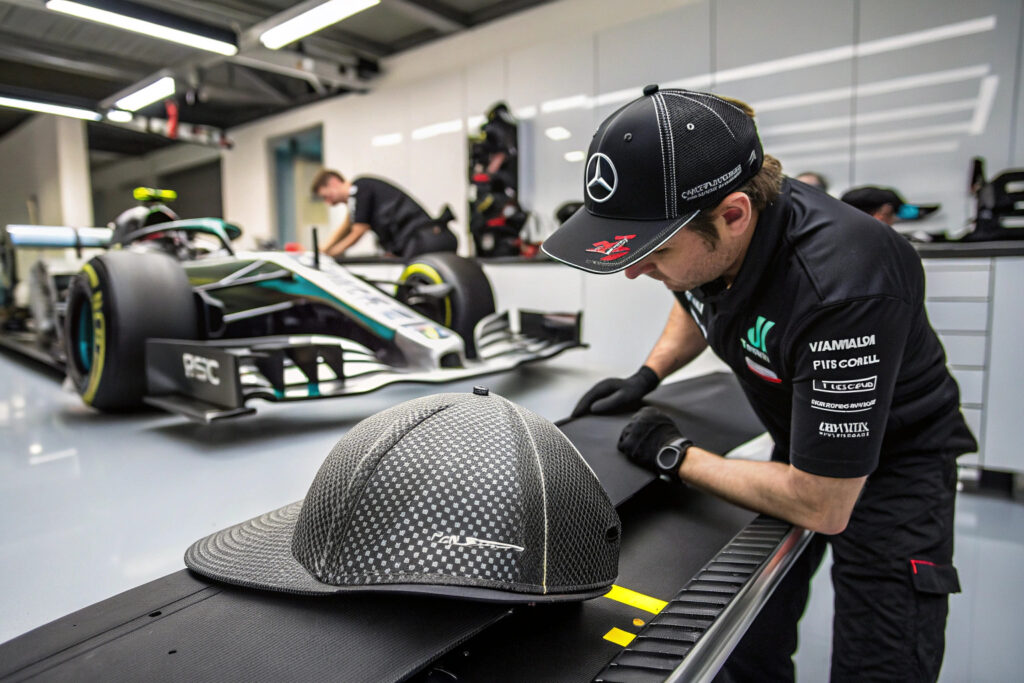
In the high-stakes world of motorsports, where every fraction of a second and every piece of gear is scrutinized for performance, a surprising trend is emerging in the pits and paddock: carbon fiber baseball caps. This might seem like a stylistic choice at first glance, but for the discerning eye, it represents a perfect synergy of material science and motorsport culture. Beyond aesthetics, these caps offer tangible advantages that align with the sport's core values.
Carbon fiber baseball caps are ideal for motorsports because they deliver an unparalleled combination of extreme lightweight durability, a distinct high-tech aesthetic that mirrors racing engineering, and practical performance benefits such as UV protection and heat dissipation. They are more than fan merchandise; they are functional gear that speaks the language of the sport.
As a manufacturer at Shanghai Fumao Clothing, we see this trend as a fascinating case study in how material innovation meets niche market demands. For teams, drivers, and premium sponsors, these caps offer a unique way to extend brand identity into apparel with purpose. Let's break down the key factors driving their adoption.
What Performance Advantages Does Carbon Fiber Offer?
The primary appeal of carbon fiber in any racing context is its exceptional strength-to-weight ratio. When translated to headwear, this fundamental property unlocks several key benefits that standard cotton or polyester caps cannot match.
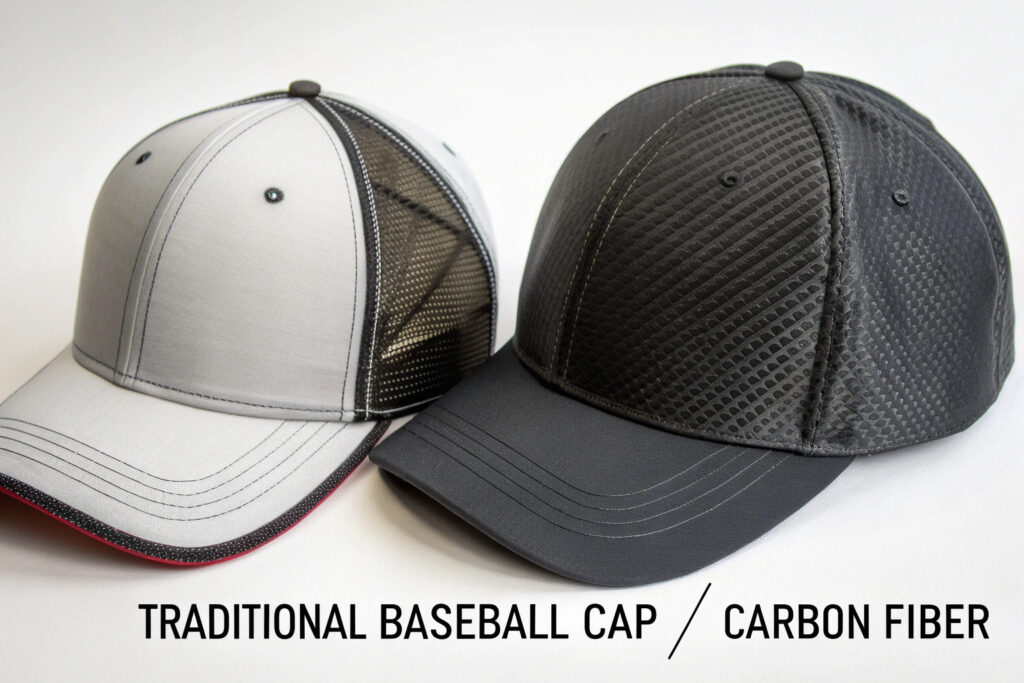
The most immediate advantage is extreme lightness without sacrificing structure. A traditional structured baseball cap uses multiple layers of fabric, stiff buckram in the front panels, and a plastic mesh back to hold its shape. A carbon fiber cap, often made from a composite laminate or a carbon fiber-infused fabric, achieves a rigid, structured form with far less material mass. This results in a cap that feels almost weightless on the head, reducing fatigue during long days at the track—a significant consideration for drivers, pit crew, and team staff who are constantly on the move under pressure.
How Does Durability Translate to the Paddock Environment?
Motorsport environments are harsh: exposure to intense sun, potential fuel or oil splashes, constant handling, and packing into gear bags. Carbon fiber composites are inherently UV resistant and do not degrade or fade in sunlight like many organic fabrics. They are also highly resistant to moisture, many chemicals, and abrasion. A carbon fiber cap won't lose its shape in the heat, get stained by a minor grease spot as easily, or develop a worn-out look after a single season. This durability aligns with the "tool-like" quality expected of professional gear, making it a long-lasting piece of team kit rather than disposable merchandise.
Is There a Genuine Heat Management Benefit?
While carbon fiber itself is a conductor, the design of these caps often incorporates strategic ventilation. The nature of molding or forming the material allows for integrated, large-volume vent holes that are part of the structure itself, unlike stitched-in mesh panels. This can promote better airflow over the head. Furthermore, the material's low thermal expansion means it doesn't absorb and radiate heat as much as a dark-colored traditional cap might when sitting under the pit lane sun, contributing to a cooler wearing experience.
How Does the Aesthetic Align with Motorsport Branding?
In a sport where image, technology, and sponsorship are paramount, every visible item is a branding opportunity. The carbon fiber cap excels in this arena on a symbolic level.
The visual signature of the carbon fiber weave is instantly recognizable as a symbol of high technology, expense, and performance. It's the same material used in monocoque chassis, aerodynamic wings, and steering wheels. By wearing a carbon fiber cap, a team member or sponsor aligns themselves directly with that engineering excellence. For premium brands sponsoring teams (like watchmakers, financial institutions, or luxury automotive marques), placing their logo on this substrate elevates their association beyond simple clothing to a high-value accessory. It signals a commitment to the highest standards, mirroring the precision of the product development process in F1 or WEC.
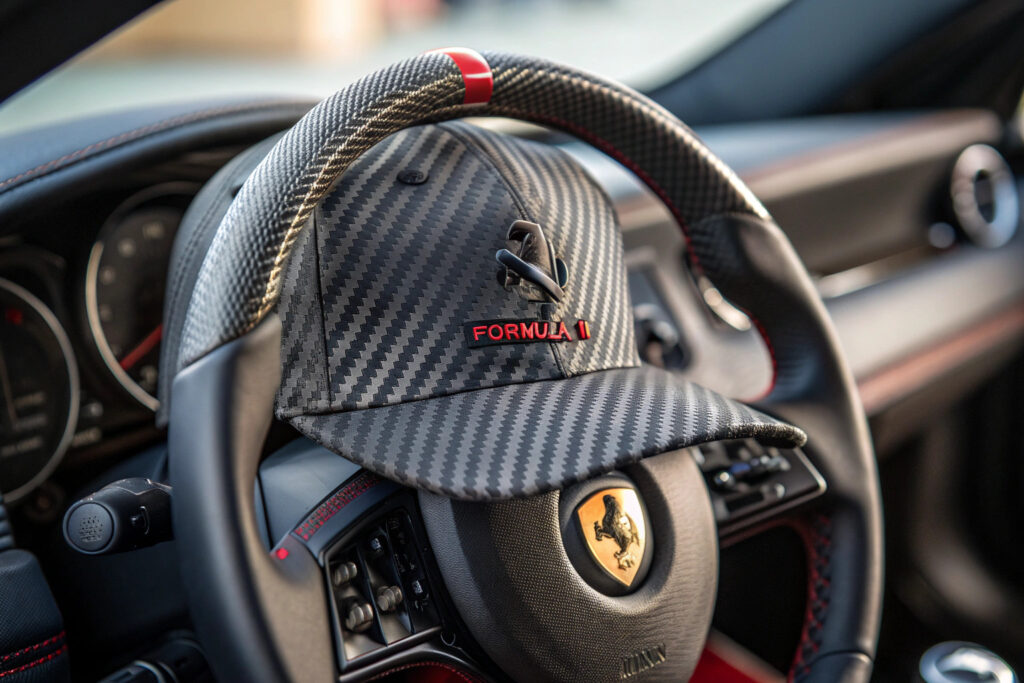
What is the "Technical Uniform" Effect?
For pit crew and team personnel, uniforms are functional. A carbon fiber cap completes a technical ensemble that looks coordinated and professional. It moves beyond the casual look of a standard team cap into the realm of technical apparel. This subtle distinction reinforces team identity and cohesion, projecting an image of a unified, technologically advanced unit. It's a detail that fans and photographers notice, adding to the team's overall brand aura.
Can Carbon Fiber Withstand Motorsport’s Harsh Environments?
Motorsports expose gear to extreme heat, debris, impacts, and UV radiation. The relentless roar of engines generates intense thermal energy, subjecting components like tires, brake pads, and engine casings to temperatures that can soar well above 300 degrees Fahrenheit, causing materials to expand, degrade, or even melt under sustained stress.
What Are the Sourcing and Manufacturing Considerations?
For a brand or team looking to produce these caps, the process differs significantly from standard headwear manufacturing. Understanding these differences is key to a successful product.
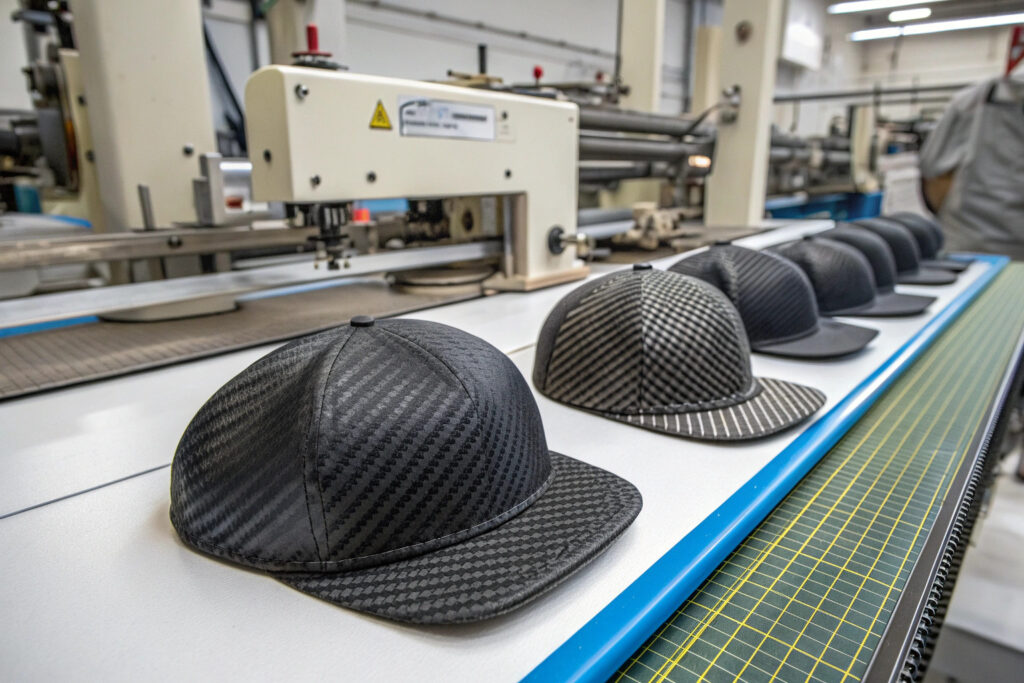
Sourcing carbon fiber caps involves working with specialists in composite materials or advanced technical apparel, not traditional textile mills. The caps are typically not sewn from woven fabric but are often molded, formed from laminated sheets, or 3D knitted using composite yarns. This requires different machinery, expertise, and supply chain partners.
| Consideration | Traditional Baseball Cap | Carbon Fiber Composite Cap | Implication for Buyer/Team |
|---|---|---|---|
| Primary Material | Cotton, polyester, wool fabrics. | Carbon fiber fabric, prepreg, or composite-infused textiles. | Higher material cost, specialized supplier network required. |
| Construction Method | Cutting & sewing fabric panels. | Molding, thermoforming, or advanced knitting. | Higher initial tooling/setup cost, less flexibility for last-minute design changes. |
| Customization | Easy embroidery, patch application, varied color dyes. | Limited to surface treatments, laser etching, or in-mold graphics. Logos may need to be integrated into the mold. | Branding must be planned from the earliest design stage. |
| MOQ & Lead Time | Relatively low MOQs, faster sampling with fabric. | Higher MOQs due to mold costs, longer lead times for tooling and production. | Requires larger commitment and advanced planning. |
| Weight & Feel | Soft, flexible, traditional feel. | Light, rigid, distinct technical "shell" feel. | Distinct user experience that may not appeal to all consumers. |
How Does This Affect Branding and Customization?
The branding approach shifts. Instead of embroidery, which can add weight and puncture the composite, techniques like precision laser etching, in-mold labeling, or applying thin, durable decals are preferred. This can actually result in a cleaner, more integrated look where the logo appears to be part of the material itself. For teams that update sponsor lineups frequently, this poses a challenge, making these caps better suited for core team identity or long-term principal partner branding.
How Do Carbon Fiber Caps Enhance Aerodynamics on the Track?
Aerodynamics is critical in motorsports, and even headgear can affect speed and stability. In the high-speed world of racing, where fractions of a second determine victory or defeat, every component of a vehicle and its driver must be optimized for aerodynamic efficiency. Headgear, often overlooked beyond its protective function, plays a subtle yet significant role in this dynamic.
What Makes Carbon Fiber a Superior Material for Motorsport Headgear?
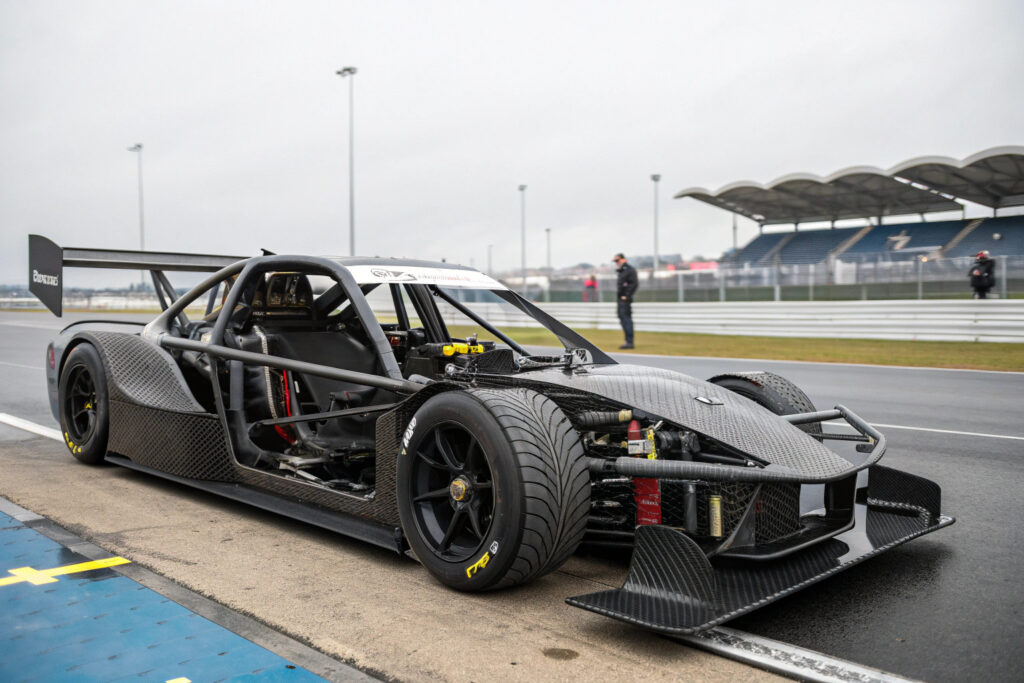
Carbon fiber is renowned in motorsports for its use in car chassis, body panels, and safety equipment—and for good reason. Its exceptional strength-to-weight ratio makes it a game-changer on the track, where every ounce saved translates to faster acceleration, sharper handling, and improved fuel efficiency. The lightweight yet incredibly rigid nature of carbon fiber allows engineers to design aerodynamic body panels that slice through air with minimal resistance, reducing drag and boosting top speeds.
How Does Carbon Fiber’s Strength-to-Weight Ratio Benefit Motorsport Users?
Carbon fiber is up to 5x stronger than steel but weighs a fraction of the material (about 1/3 the weight of aluminum). This remarkable strength-to-weight ratio stems from its unique composition, where carbon atoms are bonded together in strong, rigid crystalline structures aligned along the fiber's length, creating a material that can withstand immense tensile forces without adding significant bulk. When compared to steel, which is dense and heavy, carbon fiber offers unparalleled durability while drastically reducing overall weight—making it ideal for applications where performance and efficiency are critical, such as in high-performance sports cars, aerospace components, and advanced athletic equipment.
Is Carbon Fiber Resistant to Motorsport’s Harsh Conditions?
Motorsports expose gear to extreme elements—searing heat that can reach hundreds of degrees Fahrenheit from engine exhaust and friction, relentless wind that howls at speeds exceeding 200 miles per hour, sending small debris like gravel, dirt, and even fragments of other vehicles flying at high velocity, and occasional impacts from collisions, curbs, or track barriers that jolt equipment with sudden, forceful blows.
Conclusion
Carbon fiber baseball caps have found their ideal niche in motorsports by delivering a compelling fusion of genuine performance attributes and powerful symbolic value. They offer tangible benefits in weight, durability, and environmental resistance that resonate in the demanding paddock environment. More importantly, they serve as a wearable emblem of the sport's technological heart, elevating team and sponsor branding to align with the cutting-edge image of modern racing.
For manufacturers and brands, they represent an opportunity to engage with a high-value market segment that appreciates innovation and is willing to invest in premium, purpose-built gear. It's a testament to how material innovation can redefine even the most classic product categories.
If your motorsport team, brand, or organization is interested in exploring the development of high-performance, technically advanced headwear like carbon fiber caps, Shanghai Fumao Clothing can facilitate this through our network of specialists in advanced materials and manufacturing processes. We can help bridge the gap between your vision and a producible, high-quality reality. To discuss the possibilities, please contact our Business Director, Elaine, at elaine@fumaoclothing.com.