For restaurant owners and uniform buyers, the heat of a professional kitchen is a major operational challenge. It leads to chef discomfort, fatigue, and can even impact safety and food quality. Traditional chef hats, often made from non-breathable materials, are part of the problem. Today, innovative temperature-regulating technologies offer a solution, turning the chef's hat into a tool for well-being and performance. Sourcing these advanced products, however, requires navigating a new landscape of smart fabrics and integrated electronics. This guide provides a clear roadmap for procurement professionals and business owners looking to make this smart upgrade.
Successfully sourcing a temperature-regulating chef hat hinges on understanding the two core technological paths: passive cooling through advanced materials and design, and active cooling via integrated electronic systems. The choice between them dictates your manufacturing partner, cost structure, and the end-user experience. Beyond the technology, practical considerations for kitchen durability, hygiene, and ease of use are paramount and must be designed into the product from the start.
What Are the Core Technologies for Temperature Regulation?
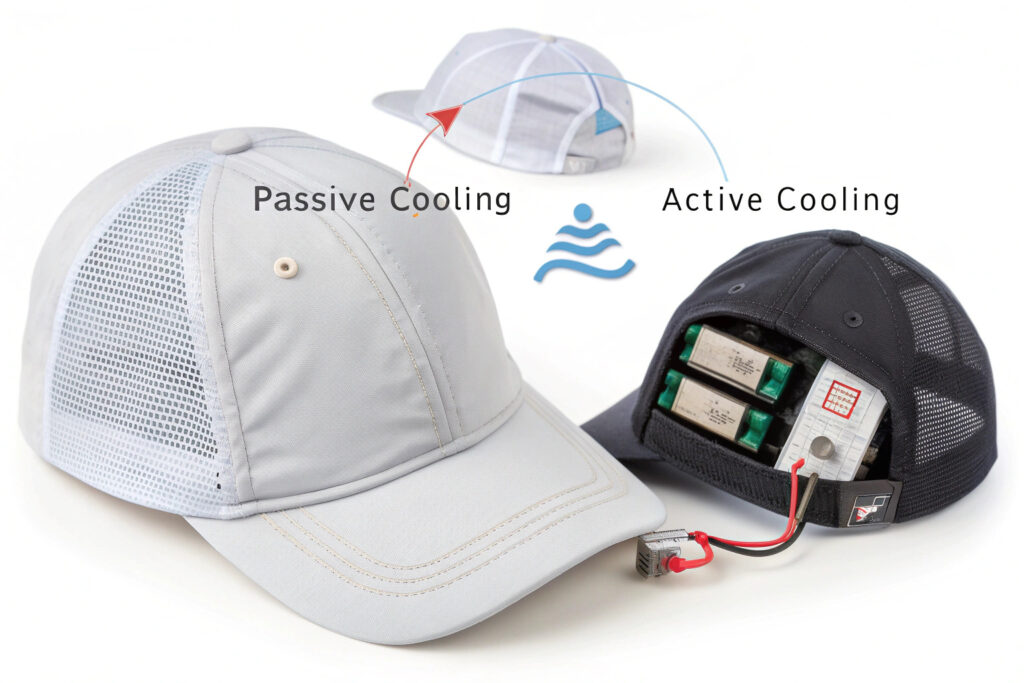
The first decision in your sourcing journey is choosing between passive and active temperature management. This choice defines everything from product capability to price point and target market.
How Do Passive Cooling Systems Function?
Passive systems require no power source. They manage temperature through intelligent material science and physical design, making them reliable and lower-maintenance options.
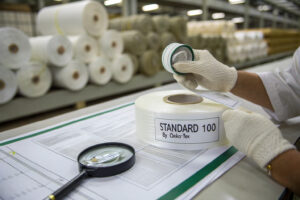
The foundation is high-performance fabric engineering. Materials like moisture-wicking polyester or natural Tencel™ lyocell are engineered to pull perspiration away from the skin to the fabric's outer surface, where it evaporates. This evaporation process creates a significant cooling effect. For kitchen safety, verifying Oeko-Tex Standard 100 certification for these fabrics is essential to ensure they are free from harmful substances.
Physical design amplifies this effect. Strategic mesh panel inserts at the temples or crown, perforated fabrics, and structured crown designs that create an air gap promote critical airflow. This ventilation allows body heat to escape, preventing it from being trapped. Some advanced materials even incorporate phase-change material (PCM) microcapsules, which absorb and release heat to maintain a stable temperature range.
What Constitutes an Active Cooling System?
Active systems use integrated electronics to provide on-demand cooling, offering a higher degree of personal climate control. They represent a more complex but powerful sourcing category.
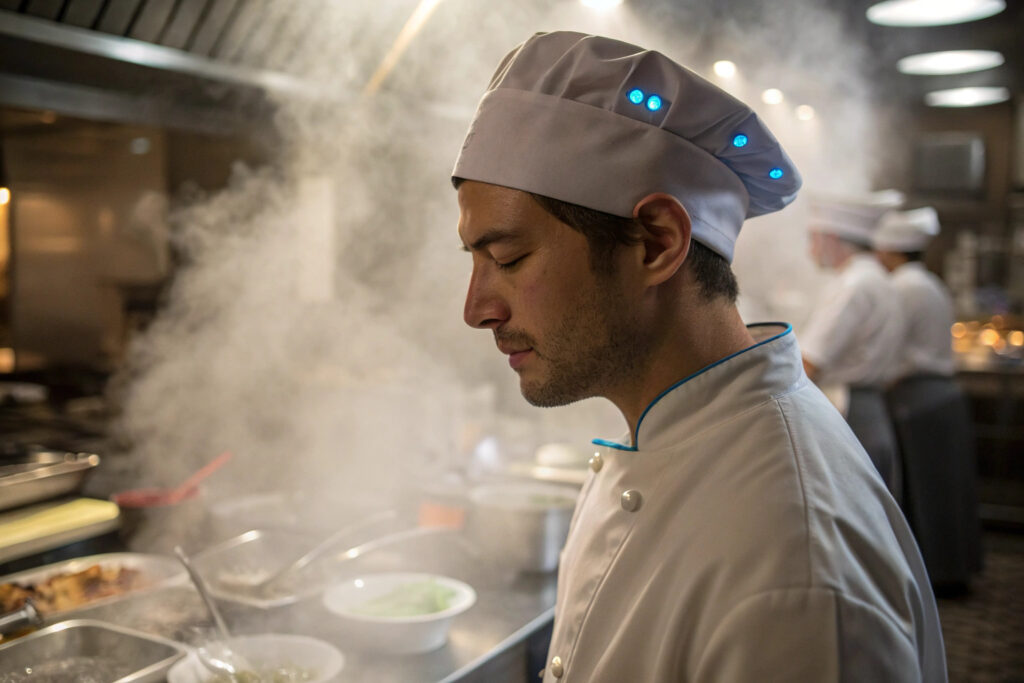
A typical active system comprises several key components: a flexible thermoelectric cooling module, a rechargeable battery pack, a temperature sensor, and a control unit (often with adjustable settings). The cutting edge of this technology involves ultrathin, flexible materials like MXene films that can efficiently convert electricity into cooling. Development in this field is rapid, with research from institutions like the University of Missouri pushing the boundaries of wearable cooling tech.
Sourcing active systems introduces critical considerations: battery life and safety, water resistance of components, and compliance with electronics safety standards (e.g., FCC, CE). Furthermore, the design must allow for the removable electronics so the hat shell can be laundered. These factors make active hats a premium product suited for high-stress kitchen environments or as a standout brand differentiator.
How to Identify and Evaluate a Qualified Supplier?
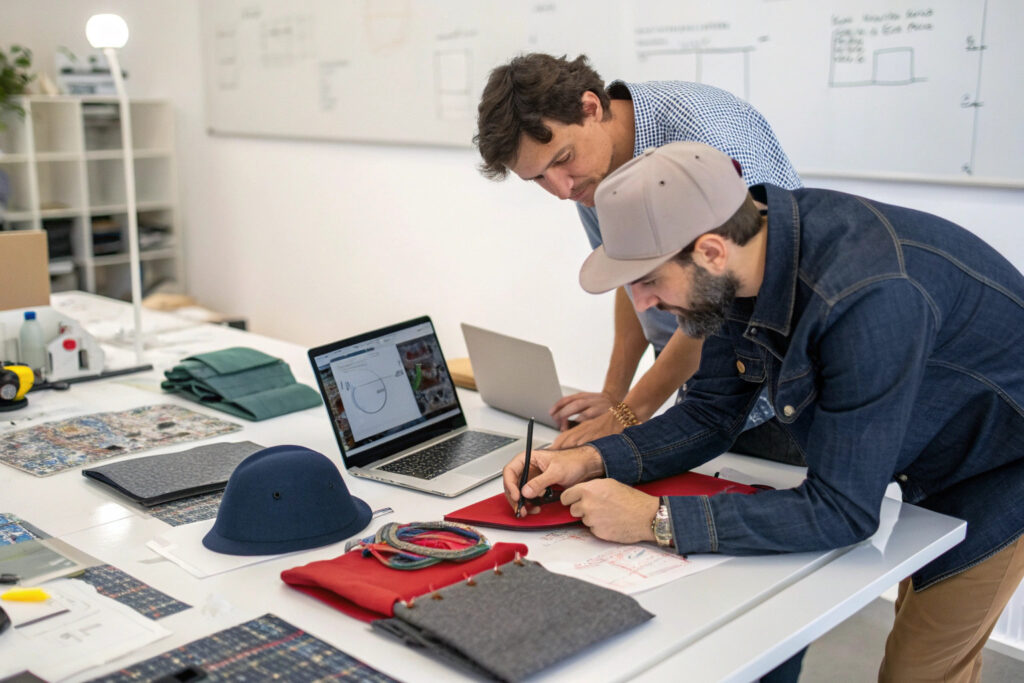
Manufacturing a technologically enhanced chef hat is a hybrid discipline. Finding a partner with the right blend of apparel manufacturing and technical integration skills is crucial for success.
What Specialized Expertise Should the Factory Possess?
A standard cut-and-sew hat factory is unlikely to have the required capabilities. You need a supplier versed in functional apparel.
Prioritize manufacturers with a proven track record in technical performance wear, such as athletic gear, safety workwear, or medical apparel. These factories understand functional patterning, seam sealing, and the handling of technical fabrics. Suppliers who already produce items like heated jackets or wearable tech garments demonstrate relevant experience in electronics integration.
For active cooling systems, deep electrical engineering integration is non-negotiable. The factory must demonstrate competency in safely embedding flexible circuits, managing low-voltage power systems, and creating user-friendly interfaces. It is common for the best structure to be a close partnership between an advanced apparel manufacturer and a specialized flexible electronics assembler, often sourced from hubs like Shenzhen.
What Quality and Compliance Benchmarks Are Essential?
Rigorous testing and verifiable certifications are your primary tools for mitigating risk and ensuring a market-ready product.
Begin with material and safety certifications. For all fabrics, insist on Oeko-Tex Standard 100. For active systems, the electronic modules and final product must have relevant electrical safety certifications (CE, FCC, RoHS). Do not accept vague assurances; request certified test reports.
The supplier’s quality control process must be exemplary. For passive hats, this includes standardized tests for moisture-wicking efficacy, drying rate, and air permeability. For active hats, the protocol must cover thermal performance testing, battery cycle life testing, washability validation (with electronics removed), and durability testing for wires and connections. A factory with an in-house CNAS-accredited laboratory, like the one at Shanghai Fumao Clothing, provides a significant advantage in reliability and development speed.
What Are the Critical Design Factors for Kitchen Adoption?
The most sophisticated technology will fail if it does not meet the practical, harsh demands of a professional kitchen. Design for the real-world environment is not an afterthought; it is a core requirement.
How Do You Ensure Hygiene and Practical Maintenance?
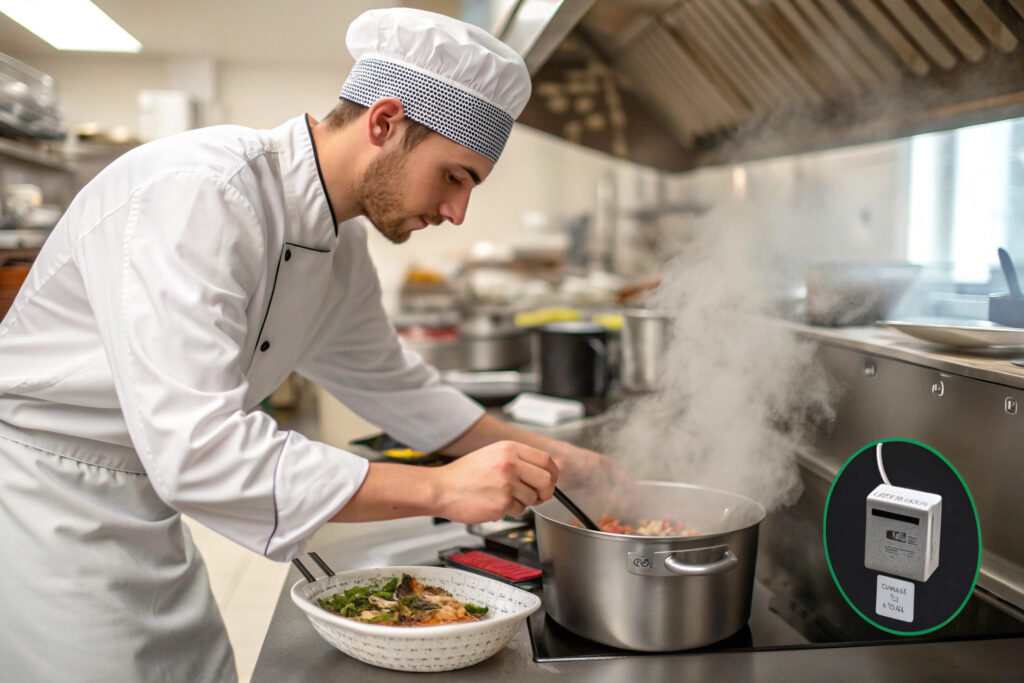
In a kitchen, cleanliness is paramount. The hat's design must facilitate impeccable hygiene without being a burden.
For any chef hat, but especially passive ones, fabrics must withstand high-temperature commercial laundering (minimum 60°C/140°F) without degradation. Antibacterial and odor-neutralizing treatments are highly valuable features that extend garment life and freshness.
For active cooling hats, modular design is the golden rule. The electronic core must be housed in a easily detachable, waterproof pod. Chefs should be able to separate the tech module from the fabric shell in seconds, enabling the shell to be washed normally and the module to be wiped clean or charged separately. A design that requires complex disassembly or cannot get wet will be rejected by kitchen staff.
Does the Hat Prioritize Chef Comfort and Operational Durability?
Technology should be felt in its benefit, not in its presence. Comfort and robustness are key to user acceptance.
The integrated system must be lightweight and unobtrusive. Battery packs should be slim and ergonomically placed to avoid pressure points. The overall weight distribution must not strain the neck during a 12-hour shift. The primary sensation for the wearer should be cooling comfort, not the weight of the device.
The construction must be kitchen-tough. This means reinforced stitching, abrasion-resistant fabrics in high-wear areas, and electronics that are completely insulated from moisture and grease. All active systems must include fail-safe mechanisms like automatic overheating protection and water damage alerts to ensure safety.
How to Calculate Cost and Validate Market Demand?
Before finalizing a sourcing decision, a clear financial and commercial analysis is essential. This ensures the product is viable and aligns with your target market's willingness to pay.

What is the True Cost Breakdown for Smart Chef Hats?
Understanding cost drivers is key to setting a profitable price point and managing your budget.
For passive cooling hats, the major cost drivers are the premium technical fabrics (e.g., PCM-treated, high-grade moisture-wicking) and any specialized construction needed for ventilation features. While more expensive than standard cotton, the cost increment is often manageable for most hospitality buyers.
For active cooling hats, the cost structure shifts dramatically. The thermoelectric cooling modules, custom battery packs, and embedded sensors/controls become the primary cost centers, often exceeding the cost of the apparel components themselves. Additionally, factor in costs for safety certification testing, enhanced packaging, and potentially a longer, more complex assembly process. A detailed quote should itemize these elements.
Is There Real Demand for High-Tech Chef Uniforms?
Investing in development requires confidence in the market. Validating demand involves looking at current trends and articulating a strong value proposition.
The market is segmenting. There is established, growing demand for high-performance passive cooling hats in mid-to-upscale restaurants where chef comfort is a priority. Active cooling hats cater to the early adopter and premium segment—think luxury hotels, high-profile celebrity chef restaurants, or kitchens in extremely hot climates. The value proposition must be clear: investing in chef comfort leads to improved focus, reduced turnover, and enhanced professional image. Presenting this business case is crucial for convincing restaurant clients of the return on investment.
Conclusion
Sourcing temperature-regulating chef hats is a strategic move that elevates kitchen uniforms from standard apparel to a performance-enhancing asset. It requires a clear understanding of the technological options, a diligent search for a manufacturer with hybrid expertise, and an unwavering focus on the practical needs of the end-user—the professional chef. By carefully balancing innovation with durability, hygiene, and comfort, you can source a product that delivers tangible value in terms of staff well-being, performance, and retention.
This niche represents a significant opportunity to lead in the food service supply market with a forward-thinking, high-value product.
If you are ready to develop a customized line of intelligent chef hats that blend advanced technology with practical kitchen needs, we are equipped to be your partner from concept to delivery. For a detailed consultation on prototyping, manufacturing, and supply chain management, please reach out to our Business Director, Elaine.Contact Elaine at: elaine\@fumaoclothing.com.