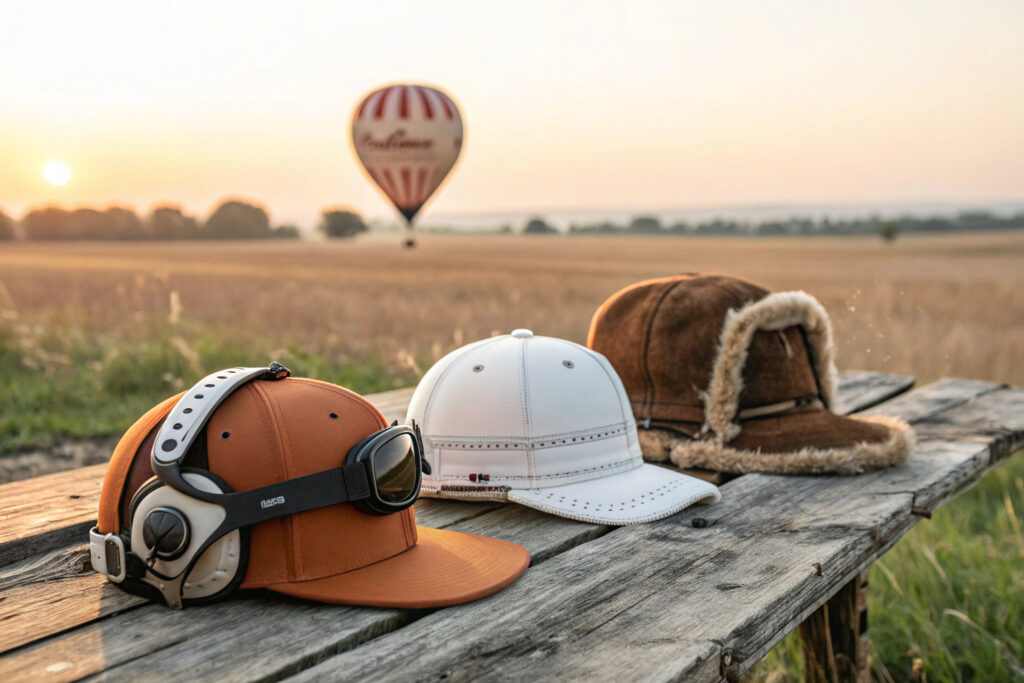
Choosing the right headwear for hot air ballooning is not just about tradition or comfort; it's a crucial decision that balances functionality, comfort, and safety. The unique environment—exposure to sun, wind, temperature shifts, and the inherent risks during takeoff and landing—demands careful consideration. So, what truly works best?
The best hat styles for hot air balloon pilots effectively combine sun protection, visibility, and situational appropriateness. While the classic cotton baseball cap is a traditional and popular choice for its light weight and breathability, modern safety standards strongly advocate for a certified safety helmet during critical flight phases. For extreme cold, insulated hats with ear protection become essential. The optimal choice often involves using different styles for different parts of the flight.
What are the classic and functional everyday choices?
For many pilots during calm, level flight, comfort and sun protection are the top priorities. This is where classic styles shine, offering practical benefits rooted in aviation history.
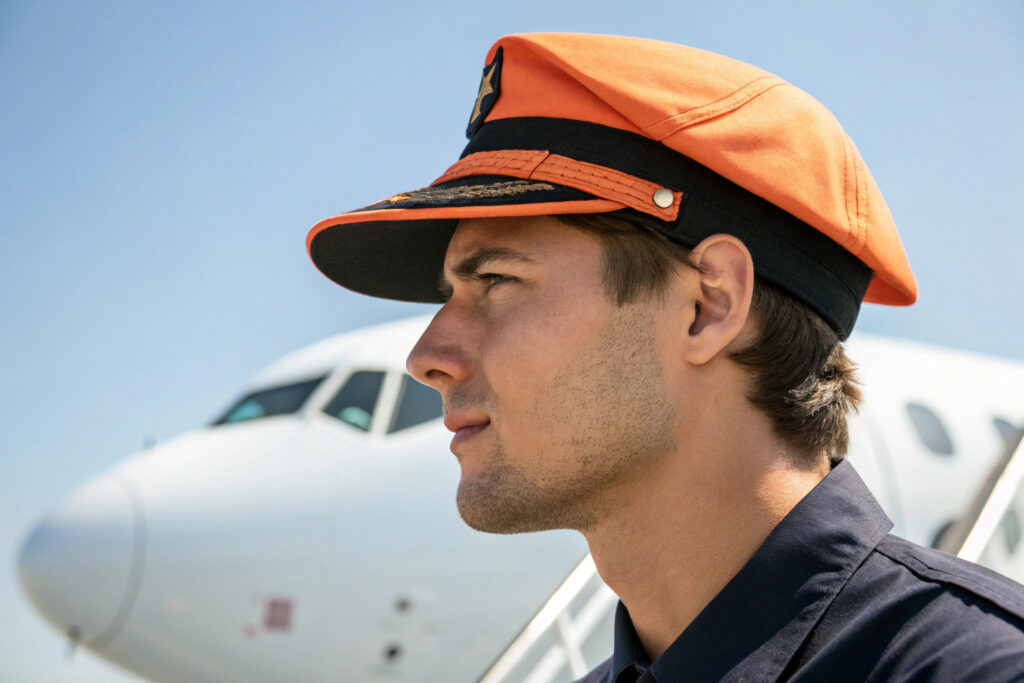
The cotton baseball cap is arguably the most iconic and widely recognized hat associated with ballooning. Its popularity stems from its lightweight and breathable nature, which prevents overheating during long flights under the sun. Historically, these caps were often chosen in high-visibility colors like bright orange to aid in spotting and communication, a practice that continues today with many caps featuring reflective strips for added safety. It provides adequate shade for the eyes and face without being bulky or interfering with peripheral vision, making it a comfortable default for fair-weather cruising.
Beyond the baseball cap, other functional styles include:
- Wide-Brimmed Hats: For maximum sun protection on the neck and face, a wide-brimmed hat (like a bucket hat or a straw sun hat) is excellent. The key is to choose one with a chin strap to secure it against unexpected gusts of wind.
- Visors: A visor offers unimpeded upward vision, which is crucial for monitoring the balloon's envelope, while still protecting the face from the sun. Like other loose hats, it must be securely fastened.
These everyday choices prioritize comfort and sun management but offer minimal protection in the event of a bumpy landing or an unexpected impact.
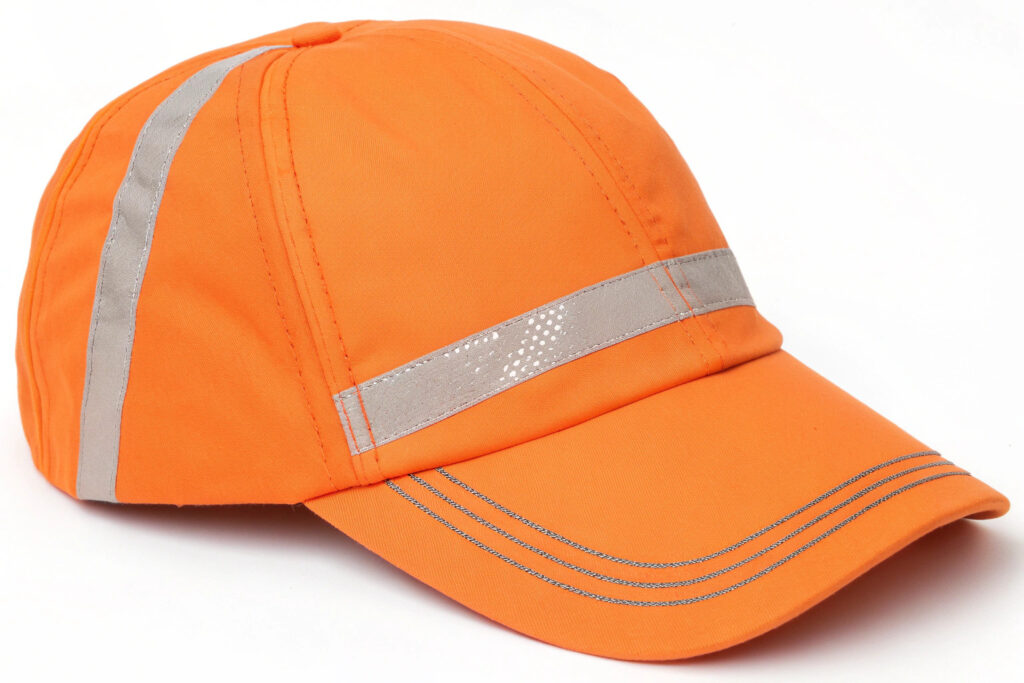
Why is a simple baseball cap still so popular?
Its enduring appeal lies in its perfect balance of function and tradition. It's inexpensive, easy to pack, and effectively shields the eyes from glare—a constant challenge when looking up at the balloon. The curved brim doesn't obstruct the upward view like some wider brims might. For many pilots, it represents a lightweight, low-profile option that gets the job done without fuss, connecting them to the sport's long-standing aesthetic.
What are the key features to look for in a sun-protection hat?
When selecting a hat primarily for sun protection, focus on these elements:
- Material: Choose breathable, quick-drying fabrics like cotton, polyester blends, or performance moisture-wicking materials.
- Brim: Ensure the brim is wide enough to shade the face and neck but not so wide it blocks your upward field of vision when looking into the basket.
- Secure Fit: A adjustable strap, snapback closure, or chin cord is non-negotiable. A hat lost overboard is a distraction and a safety hazard.
- Color: Light colors reflect heat, while high-visibility hues (orange, yellow) enhance safety. Many modern caps incorporate reflective logos or piping for low-light conditions.
Why is a safety helmet the most critical piece of gear?
While traditional hats serve a purpose, a professional safety helmet is the single most important piece of headgear a serious pilot can own, especially during takeoff and landing—the phases with the highest risk of incident.
The primary function is impact protection. During a hard landing or if the basket tips, your head is vulnerable. A helmet designed to meet safety standards (like ANSI/ISEA or EN certifications) can mitigate the risk of serious head injury. Beyond basic protection, modern aviation helmets are designed with functionality in mind: they often include integrated ventilation systems to prevent overheating and universal accessory slots for easily attaching goggles, face shields, or communication headsets. Furthermore, they are almost always available in high-visibility colors with reflective elements, ensuring the pilot is easily seen by chase crews and other aircraft.
Think of it like this: you wouldn't ride a motorcycle without a helmet. The same principle applies to hot air ballooning during its most dynamic phases. It's a fundamental piece of professional risk management.
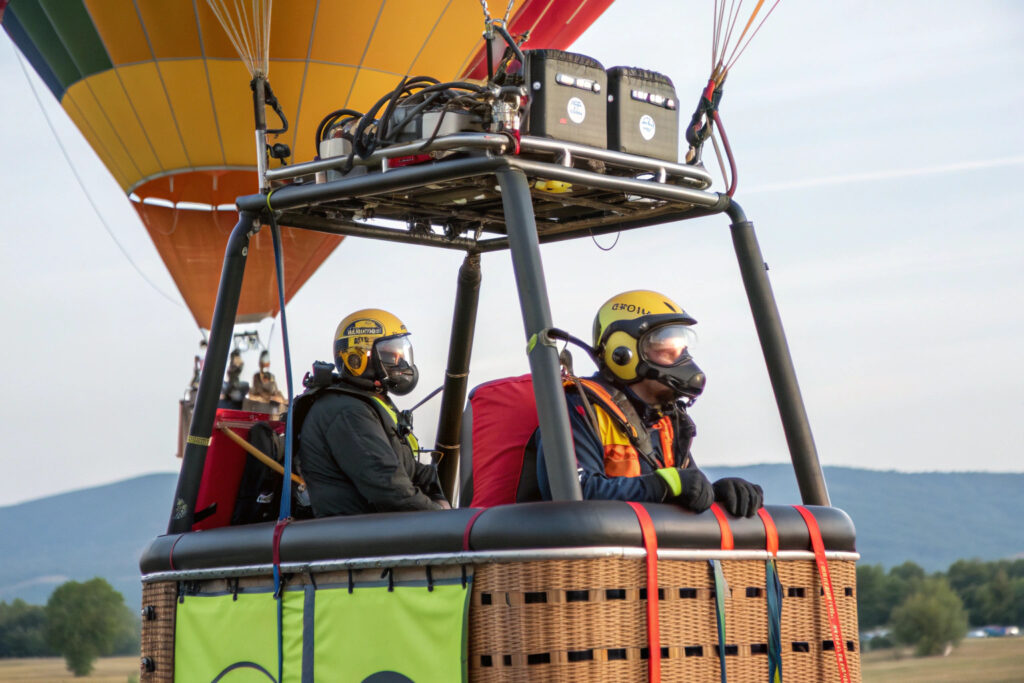
What certifications should I look for in a safety helmet?
Look for helmets that explicitly state they meet recognized impact protection standards. Common relevant certifications include:
- ANSI/ISEA Z89.1: An American national standard for industrial head protection.
- EN 12492: A European standard for helmets for mountaineers.
- CE Marking: Indicates conformity with health, safety, and environmental protection standards for products sold in the European Economic Area.
A helmet with one or more of these certifications provides assurance that it has been tested for shock absorption and penetration resistance.
Can a helmet be comfortable for long-duration flights?
Absolutely. Modern safety helmets are a far cry from the heavy, cumbersome gear of the past. Key comfort features to seek out include:
- Adjustable Suspension System: An inner harness that can be dialed in for a custom, secure fit.
- Ventilation Channels: Strategic vents that allow active airflow over the head.
- Lightweight Materials: Construction from advanced composites like fiberglass or ABS plastic that reduces overall weight.
- Padded Interior: Soft, moisture-wicking padding that cushions the head and improves comfort during long wear.
How do I choose gear for extreme weather conditions?
Hot air ballooning doesn't stop when the temperature drops. Flying in cold weather requires specialized headgear that prioritizes heat retention and wind protection above all else.
For extreme cold, the insulated aviator hat (or "bomber hat") with fur or faux-fur-lined ear flaps is the gold standard. Often made of leather or heavy-duty nylon, these hats provide an exceptional wind barrier and trap body heat efficiently. Many designs come with integrated or attachable goggles to protect the eyes from freezing wind. In the coldest scenarios, pilots may even wear a thin thermal balaclava or beanie underneath a safety helmet to combine warmth with impact protection. The key is to ensure that any layered headgear does not compromise the proper fit and function of a safety helmet if one is being worn.
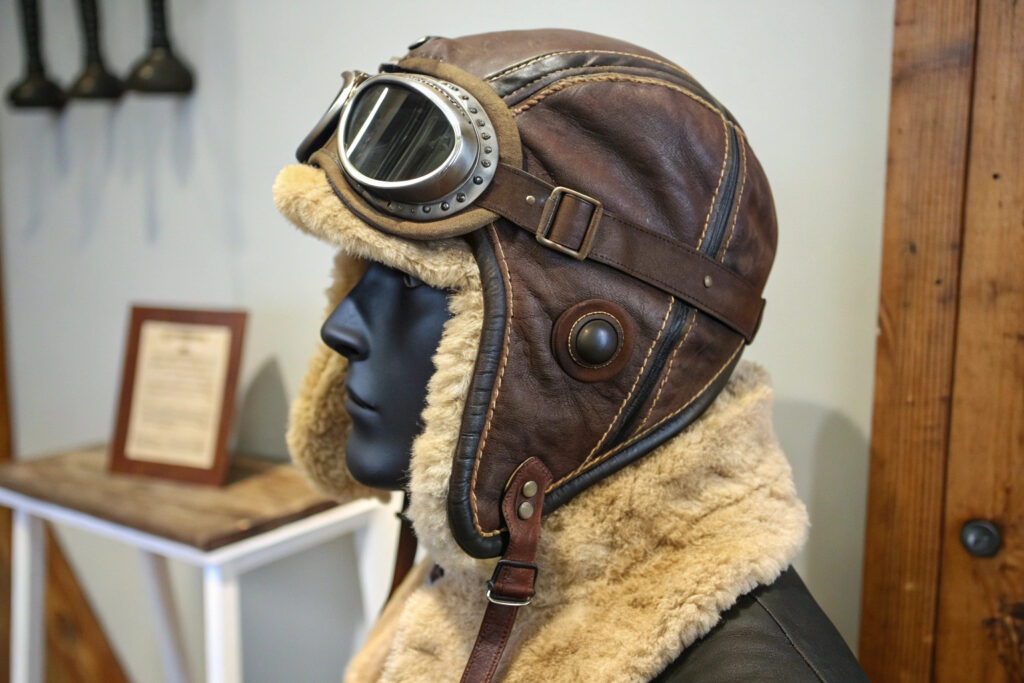
What is the best material for cold-weather flying hats?
The best materials combine wind resistance, insulation, and durability:
- Outer Shell: Genuine leather or heavy-duty, windproof nylon (like Cordura) are top choices for blocking wind.
- Insulation: Natural shearling, faux shearling, or synthetic thermal fills like Thinsulate™ provide excellent warmth without excessive bulk.
- Lining: A soft, moisture-wicking fabric (like fleece or microfiber) next to the skin adds comfort and helps manage perspiration.
How should I layer headgear in freezing temperatures?
Layering is the most effective strategy for variable conditions. A practical system might look like this:
- Base Layer: A thin, moisture-wicking balaclava or skull cap.
- Mid/Outer Layer: Your primary insulated aviator hat or, if safety is a concern, your safety helmet.
- Accessories: Goggles and a neck gaiter to seal out gaps. Always ensure your final headgear setup allows for full, unimpeded hearing to maintain situational awareness.
Is the Classic Baseball Cap Still a Viable Choice?
The cotton baseball cap is an enduring symbol of ballooning, and for good reason. It serves a practical purpose in mild, calm flying conditions.
Its advantages are its lightweight and breathable nature, making it comfortable for long durations. The brim provides essential shade for the eyes without significantly obstructing the upward view needed to monitor the envelope. Historically and today, these caps are often chosen in high-visibility colors like "carrot" orange to make the pilot easily identifiable, enhancing safety. For these reasons, it remains a perfectly suitable and traditional choice for the cruise portion of a flight in fair weather.
What features make a good flight cap?
If you opt for a baseball cap, ensure it has:
- A Secure Fit: An adjustable strap or snapback closure is mandatory to prevent it from being lost in a gust of wind.
- Performance Fabric: While traditional cotton is fine, moisture-wicking polyester blends can offer better comfort if you tend to perspire.
- Safety Enhancements: Reflective piping or logos can greatly increase your visibility during pre-dawn setup or late finishes.
What Other Essential Gear Complements the Hat?
A pilot's protection extends beyond their head. Two other items are non-negotiable for comfort and safety.
High-Quality Goggles or Sunglasses: If your helmet or hat does not include an integrated face shield, protective eyewear is essential. They shield your eyes from wind, dust, debris, and harmful UV radiation at altitude. For helmet wearers, look for glasses with thin, flexible temple arms designed to fit comfortably under the helmet's padding.
Appropriate Gloves and Footwear: In cold weather, insulated, grippy gloves are vital for handling lines and equipment safely. Sturdy, ankle-supporting, waterproof boots will keep you safe and comfortable on often damp and uneven launch/landing fields.
Conclusion
The informed hot air balloon pilot doesn't rely on a single piece of gear, but instead meticulously integrates a comprehensive suite of tools and instruments to ensure safe and precise flight operations. This includes a primary altimeter with dual displays—one for the pilot and one for passengers—to continuously monitor altitude changes, crucial for navigating varying atmospheric conditions.Learn more Shanghai Fumao Clothing details page.
The pilot also carries By understanding the specific strengths and purposes of each style, you can ensure you're prepared, comfortable, and safe from the moment you lay out the envelope to the final pack-up. please contact our Business Director, Elaine. You can reach her at: elaine@fumaoclothing.com.