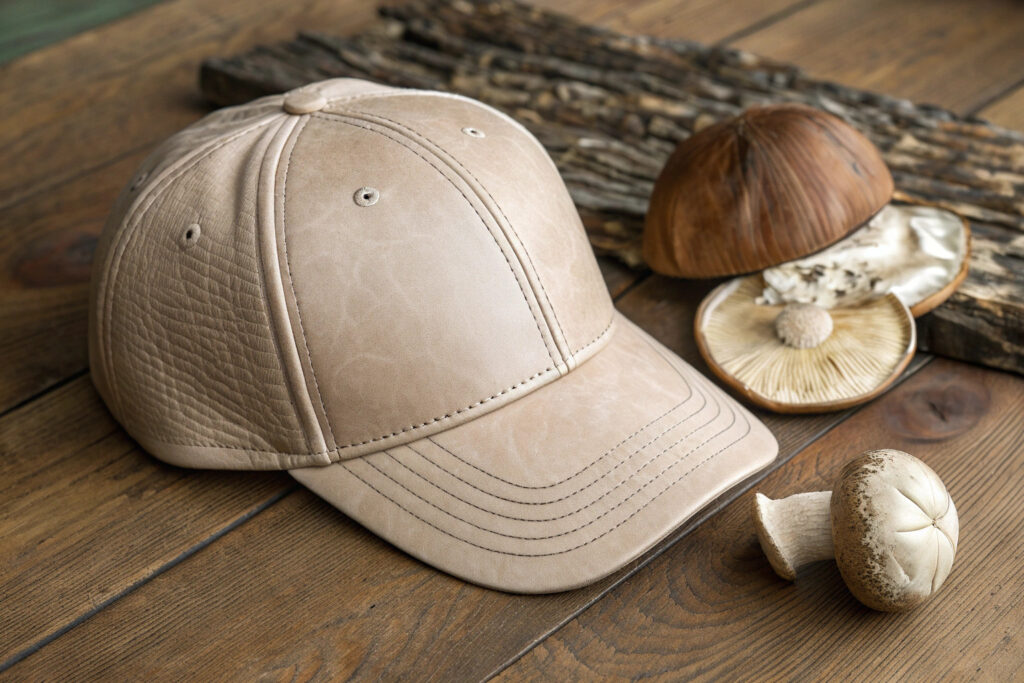
The fashion industry is at a crossroads. While demand for vegan and sustainable products is higher than ever, many existing alternatives come with significant compromises. Plant-based leathers often rely on plastic coatings, compromising their eco-credentials, while other natural options may lack the durability or luxurious feel consumers expect. This leaves brands and buyers searching for a material that is truly ethical, environmentally sound, and commercially viable without sacrificing quality.
Mushroom leather, derived from mycelium, emerges as the definitive solution. It is the future of vegan fashion because it fundamentally rethinks material creation, moving from extraction to cultivation. Unlike animal leather, its production uses minimal water, creates no methane, and can be fully biodegradable. Compared to synthetic alternatives, it avoids fossil fuels and microplastics. For forward-thinking brands, it offers an unrivaled story: high-end, sustainable fashion grown from nature, aligning perfectly with the values of modern consumers and stringent corporate sustainability goals. Adopting this material allows brands to lead, not just follow, in the conscious fashion revolution.
How does mushroom leather solve key environmental and ethical issues?
The search for sustainable materials often reveals a frustrating trade-off. Animal leather has a heavy environmental burden, linked to deforestation, significant greenhouse gas emissions from livestock, and polluting tanning processes. On the other hand, many synthetic vegan leathers are petroleum-based plastics (like PU or PVC), which contribute to fossil fuel dependency and create persistent, non-biodegradable waste. This creates a dilemma for brands that want to do better.
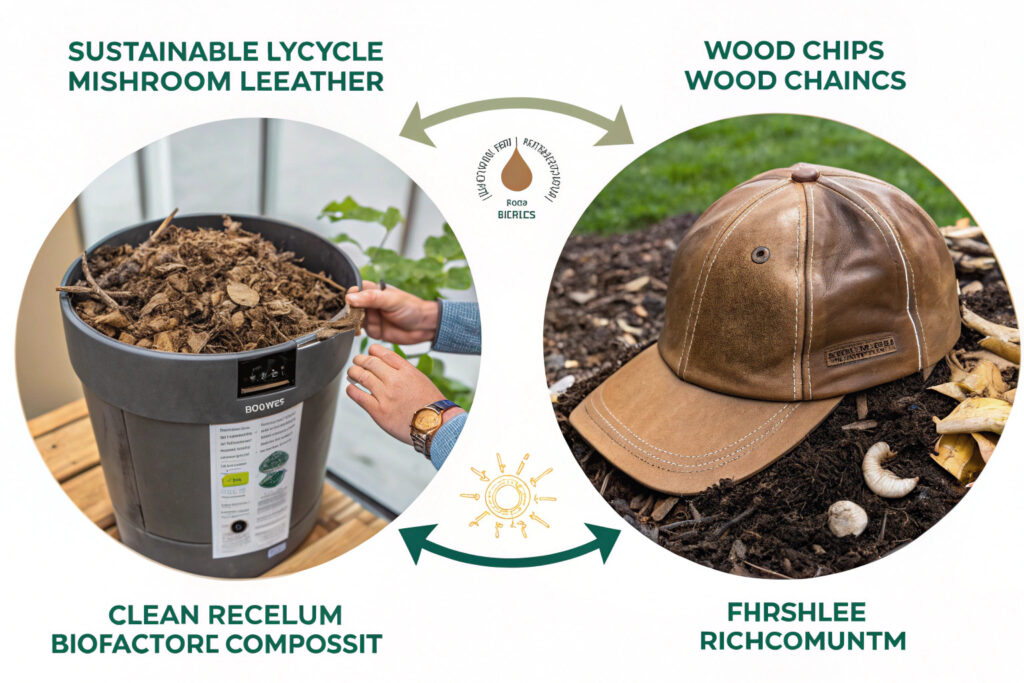
Mushroom leather presents a breakthrough by addressing the root causes of these problems. Its production is inherently low-impact and circular. First, it upcycles agricultural waste. Mycelium is grown on substrates like sawdust or straw, transforming low-value byproducts into a valuable resource. Second, the growth process is incredibly efficient. It requires only a fraction of the water and land used for raising livestock and happens in a matter of weeks in controlled environments, drastically reducing its carbon footprint. Finally, and critically, well-designed mushroom leather can be home-compostable, safely returning to the earth at the end of its life and creating no permanent waste. This completes a true circular loop, something neither traditional leather nor plastic-based alternatives can claim.
The shift in consumer values is clear. Demand for authentic, sustainable products is driving the market, and mushroom leather sits at the premium intersection of ethics and performance. For a manufacturer, integrating such a material is a powerful way to future-proof a brand and meet the evolving demands of both retail partners and end consumers. It transforms a basic product into a statement of innovation and responsibility.
What are the specific environmental benefits compared to animal leather?
The environmental advantages are substantial and measurable. The most significant is the dramatic reduction in carbon footprint and land use. Cattle farming is a major driver of deforestation and methane emissions. In contrast, mycelium cultivation happens vertically in facilities, using minimal land and generating negligible greenhouse gases. Furthermore, the processing is cleaner. Traditional chrome tanning produces toxic wastewater, while mycelium leather can be tanned using more benign, sometimes even natural, methods, greatly reducing water pollution. By choosing mushroom leather, brands directly reduce their environmental impact across these key metrics, which is increasingly important for compliance, investment, and consumer trust.
How does it address the ethical concerns of vegan consumers?
For the growing vegan and animal-conscious market, mushroom leather is the ideal material because it is inherently cruelty-free, with no animal involvement in its production. It goes beyond simply avoiding harm by representing a positive ethical choice. It utilizes waste streams, conserves resources, and offers a biodegradable end-of-life. This holistic approach to ethics—considering environmental welfare alongside animal welfare—resonates deeply with conscious consumers. It allows them to enjoy the aesthetics and feel of leather without ethical compromise, building strong loyalty for brands that offer such authentic options.
What makes the material quality and performance of mushroom leather superior?
A sustainable material will fail if it doesn't meet high standards of quality and performance. Early alternatives often felt cheap or lacked durability. Mushroom leather shatters this perception by offering a combination of aesthetic and functional properties that rival, and in some aspects surpass, traditional materials.
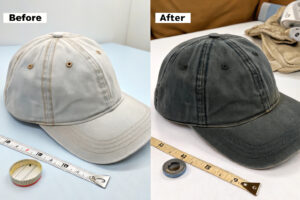
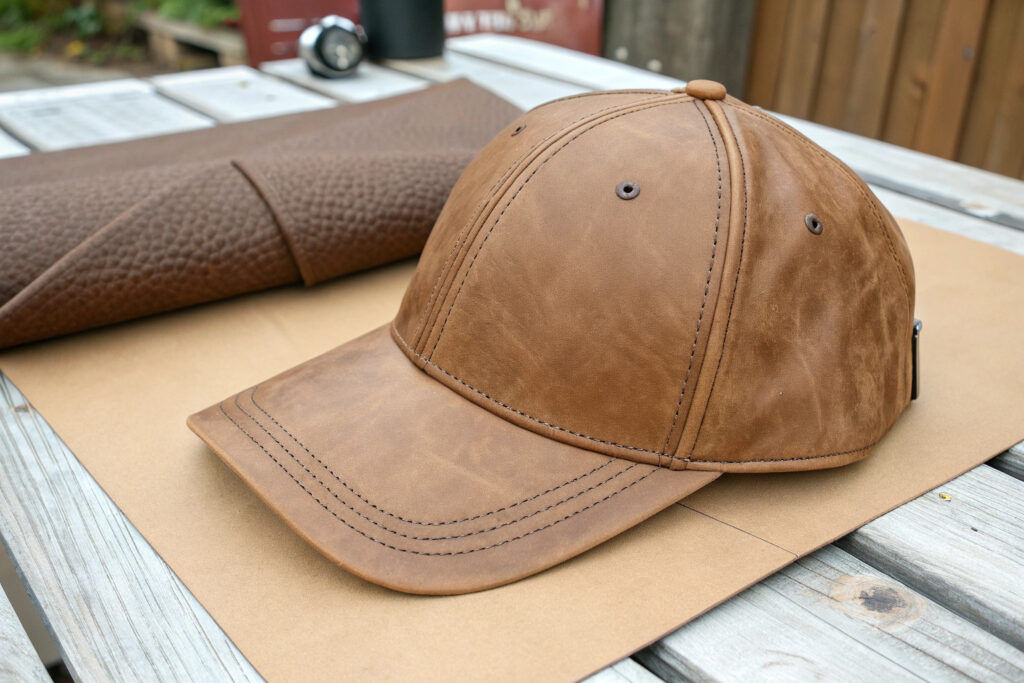
The secret is in the biology. Mycelium grows as a dense, interwoven network of fibers, creating a strong, flexible, and lightweight mat. This structure can be "programmed" during growth to achieve specific qualities like softness or rigidity. The resulting material has a luxurious, suede-like handfeel that is soft, breathable, and visually rich. It can be dyed, embossed, and finished to achieve a wide range of colors and textures, offering designers true creative freedom.
| Property | Mushroom Leather Advantage | Relevance for Caps & Fashion |
|---|---|---|
| Texture & Aesthetics | Natural, suede-like feel; can mimic high-end leather finishes. | Delivers a premium, tactile experience that justifies a higher price point. |
| Breathability | Naturally porous fibrous structure. | Crucial for headwear comfort, preventing heat and moisture buildup. |
| Durability & Strength | Naturally tear-resistant; strength can be tuned during growth. | Ensures product longevity, essential for structured caps and daily wear. |
| Weight | Inherently lightweight. | Enhances wearer comfort significantly, a key factor for hats. |
Additionally, mushroom leather offers unique wellness benefits. It is naturally antibacterial and hypoallergenic. For items like caps that sit close to the skin, this inherent resistance to microbes and mold is a major functional advantage, promoting better hygiene and material longevity.
How does it compare to other plant-based leathers like pineapple or cactus?
While other plant-based leathers like Piñatex (pineapple leaf) or cactus leather are important innovations, mushroom leather often holds a distinct advantage. The difference is foundational: pineapple and cactus leathers are made from extracted plant fibers that need to be combined with a binding agent (often plastic-based) to form a sheet. Mushroom leather, however, is grown as a unified, three-dimensional sheet from the start. This can result in a more consistent material with better performance throughout its thickness, offering superior durability and a more authentic leather-like structure without relying on heavy plastic lamination. This makes it exceptionally suitable for structured items like caps that need to hold their shape while remaining flexible.
Is the performance consistent and reliable for commercial production?
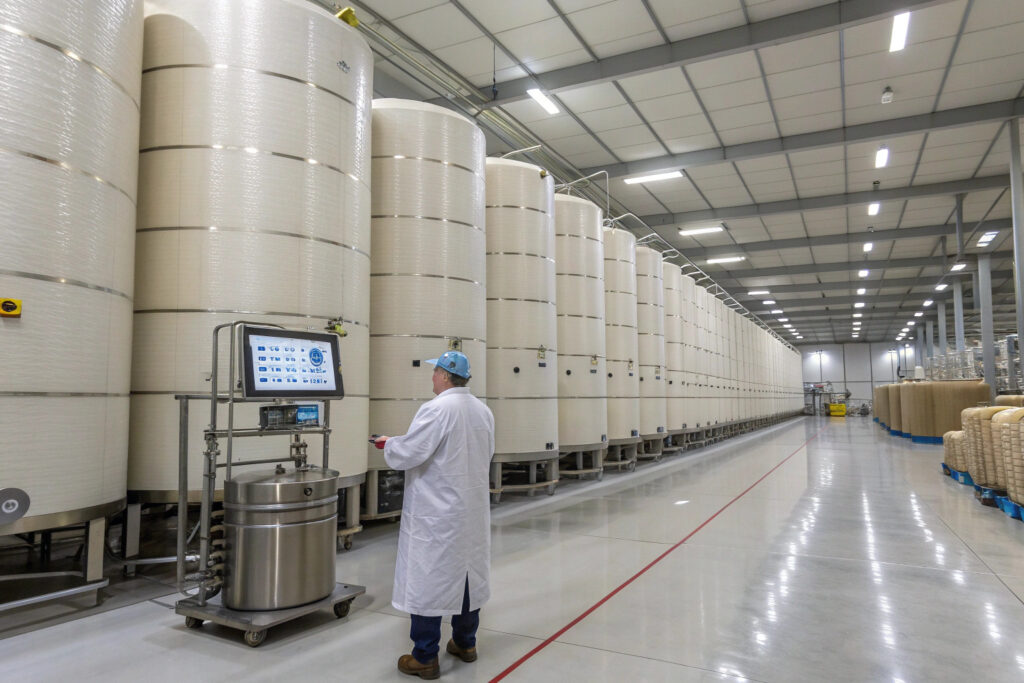
This was a critical challenge that is now being solved. Early prototypes were limited in size and shape. Today, advancements in biotechnology and precision fermentation have enabled true scalability. Companies now use large-scale bioreactors and have developed 3D molding techniques to grow mycelium into specific forms. This has led to repeatable, quality-controlled industrial processes that ensure consistent material properties batch after batch. The commitment from luxury fashion houses to use mushroom leather in high-profile products is the strongest possible signal of its commercial reliability and performance readiness.
How scalable and commercially viable is mushroom leather production?
For a new material to define the future, it must move from concept to commodity. The mushroom leather industry is in the midst of this rapid scaling phase, fueled by significant investment and high-profile partnerships. The commercial potential is vast, as the global market for sustainable and vegan materials continues to expand aggressively.
Evidence of scalability is now visible. Specialized companies around the world have opened dedicated, large-scale production facilities. In manufacturing hubs like China, significant investments are being made to build complete industrial ecosystems for mycelium materials, focusing on increasing yield and driving down costs through innovation. The goal is to achieve price competitiveness with conventional leathers, making it accessible to a broader range of brands.
This scaling is paralleled by continuous performance innovation. Research is focused on using advanced cultivation techniques to enhance the material's natural properties, such as water resistance and strength, with the aim of creating a material that is 100% biological. This dual track of scaling production and improving quality ensures that mushroom leather will become both more available and more advanced in the coming years.
What is the current cost position, and how is it expected to change?
Currently, premium mushroom leather is positioned at a higher price point than standard bovine leather, similar to exotic or top-tier calfskin. This reflects the early-stage production scales and ongoing R&D. However, the cost curve is pointing decisively downward. As fermentation technology matures and production reaches full industrial scale, significant cost reductions are expected. Industry leaders are working towards making mushroom leather cost-competitive in the near future. For brands, early adoption is an investment in innovation and market leadership, building valuable expertise and brand equity ahead of the curve.
How are major brands driving adoption and proving viability?
Leading fashion houses are not waiting; they are actively pulling this technology into the mainstream through landmark product launches. Collaborations between luxury brands and mycelium material companies have resulted in high-profile accessories and garments. These partnerships are vital: they provide the initial commercial validation and scale for material innovators, fund further research, and, most importantly, educate the global market about the material's luxury potential. For manufacturers and brands, this top-down endorsement significantly de-risks the decision to explore and integrate mushroom leather into their own collections.
What are the practical steps for a headwear brand to adopt mushroom leather?
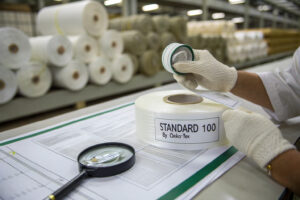
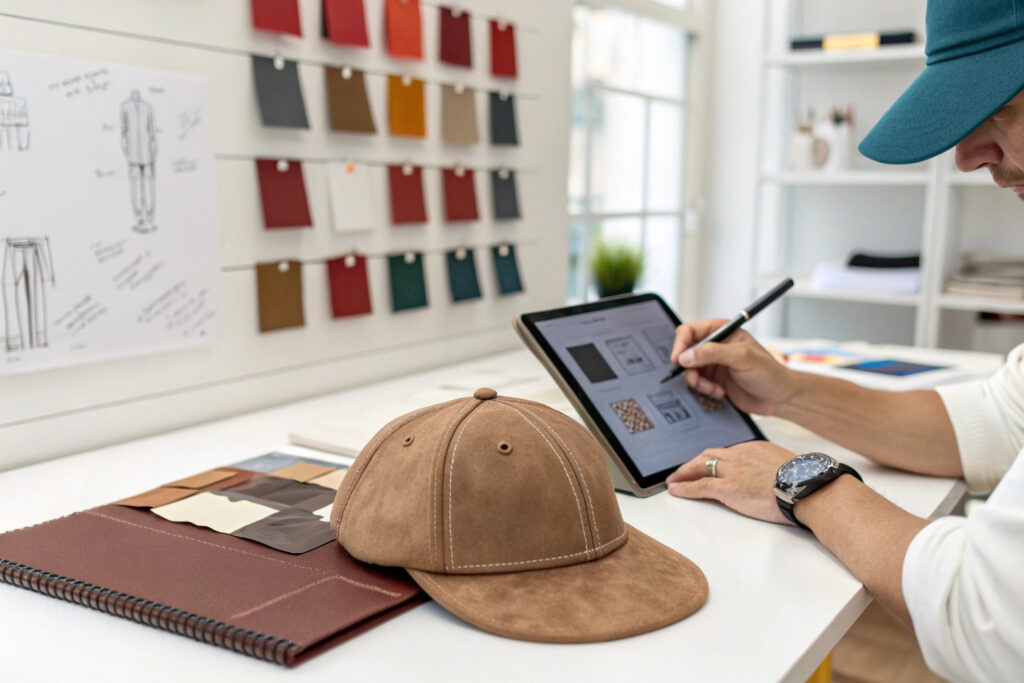
Integrating a pioneering material like mushroom leather into a product line is a strategic process that is becoming more straightforward as the supply chain matures. For a headwear brand, the journey begins with education and sourcing. The first step is to identify and connect with established material producers or specialized distributors. Requesting physical samples and technical specifications is crucial to evaluate the material's handfeel, drape, and suitability for cap patterns and constructions.
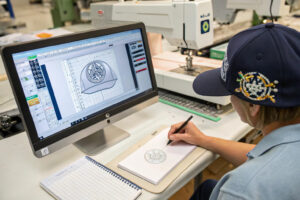
The next phase is collaborative design and prototyping. Work closely with your material supplier and manufacturer to understand the optimal techniques for cutting, sewing, and finishing mushroom leather. It may require specific needles, thread, or construction methods to achieve the best results. Partnering with a manufacturer experienced in new material integration, like Shanghai Fumao Clothing, can streamline this process, turning technical challenges into successful product executions.
Finally, build a compelling product narrative. The value of mushroom leather extends into its story. Authentic communication about its origins—vegan, low-carbon, grown from waste—is a powerful marketing tool. This narrative connects with consumers on an emotional level, transforming a cap from a simple accessory into a symbol of innovation and values.
What are the key supply chain and minimum order quantity (MOQ) considerations?
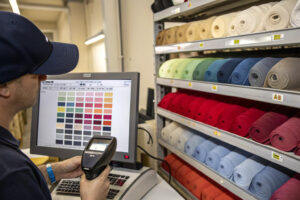
The supply chain for innovative biomaterials is evolving quickly. While large brands may engage directly with material scientists, most brands will access mushroom leather through specialized fabric suppliers or forward-thinking manufacturers who have already incorporated it into their material library. MOQs can vary, but the establishment of large-scale production is specifically aimed at creating a stable and accessible supply chain. Partnering with a manufacturer that has existing relationships with material innovators can provide a smoother entry point, offering access to these materials with more flexible and commercially sensible terms for initial production runs.
How should brands communicate this innovation to consumers?
Clarity and specificity are essential. Move beyond generic "eco-friendly" labels. Use precise, truthful language: "Grown from mushroom mycelium," "Animal-free," "Made from upcycled agricultural waste," "Designed to be compostable." Visually, leverage the material's unique story—showcase its natural origin and sophisticated finish. Educating consumers about why this material is different builds trust and establishes your brand as a knowledgeable leader in the sustainable fashion space, fostering deep loyalty.
Conclusion
Mushroom leather is not just another alternative; it is a transformative material for vegan fashion. It successfully bridges the gap between uncompromising sustainability and high-quality performance, offering a solution that is ethical from start to finish. Its rapid commercial scaling and adoption by luxury brands confirm its viability and desirability. For headwear brands, embracing mushroom leather is a proactive step towards defining the future of fashion. It is an opportunity to lead with innovation, captivate a values-driven audience, and build a resilient, forward-looking brand.
Partner with a manufacturer that understands both the potential of innovative materials and the practicalities of bringing them to market. Let's explore how mushroom leather can define your next collection.
Let's create the future of fashion together. To discuss developing a cutting-edge line of mushroom leather caps, contact our Business Director, Elaine. You can reach her at: elaine@fumaoclothing.com.