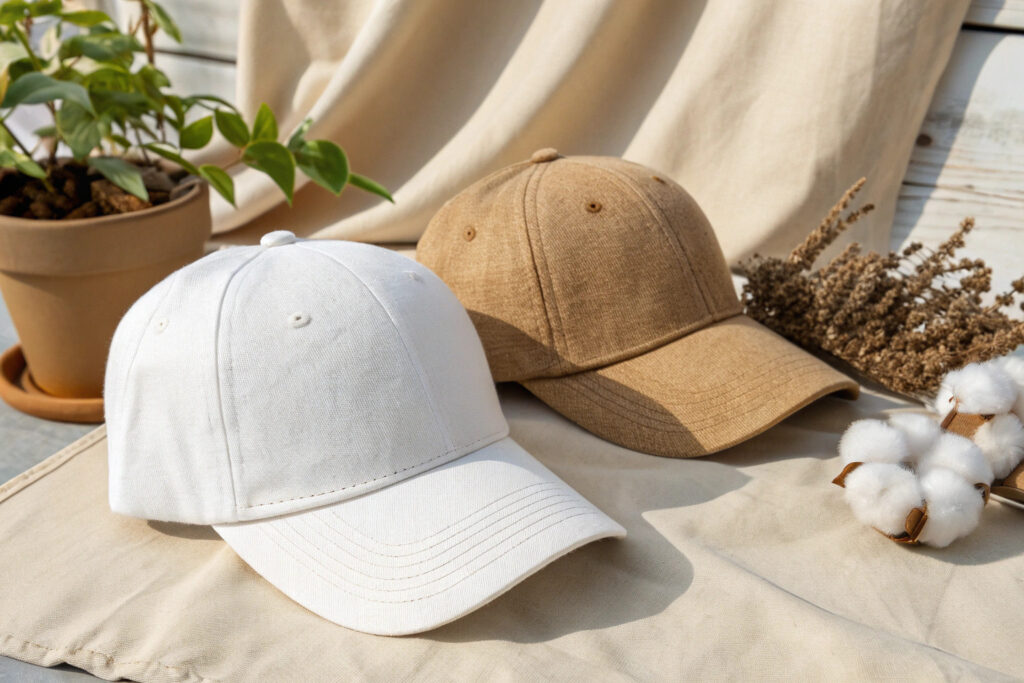
If you're browsing the latest headwear collections, you've likely noticed more caps made from hemp-cotton blends. This isn't just a passing trend; it's a calculated shift in how the industry approaches sustainability. For buyers and brands, understanding this move is key to staying ahead. From our factory floor in Keqiao, the global hub for headwear, we see this blend not as a niche material but as the new standard for forward-thinking, durable, and truly sustainable fashion.
Hemp-cotton blend caps are gaining popularity because they uniquely solve the core dilemma of eco-fashion: how to be genuinely sustainable without sacrificing quality, comfort, or style. They combine the low environmental footprint of hemp with the familiar softness of cotton, creating a product that appeals to both eco-conscious consumers and pragmatists looking for long-lasting value. This material directly responds to market demands for natural fibers, reduced water usage, and durable goods, all while offering a distinctive aesthetic that stands out.
As a manufacturer embedded in the world's largest hat-making cluster, we've tracked the evolution of sustainable materials for years. The rise of hemp-cotton is distinct. It’s driven by hard data, consumer demand, and a mature supply chain. Let's break down the four key reasons why this blend is moving from the margins to the mainstream of cap manufacturing.
What Makes Hemp-Cotton Blends a True Environmental Upgrade?
For brands, "sustainability" is now a requirement, not a buzzword. But not all eco-claims are equal. Conventional cotton, while natural, has a heavy environmental cost. Hemp-cotton blends offer a verifiable, significant reduction in ecological impact right from the source, providing a clear and marketable advantage.
The true environmental upgrade lies in hemp's radically efficient cultivation. Compared to conventional cotton, hemp requires approximately 60-70% less water to grow. It also produces more fiber per acre and enriches the soil through phytoremediation, unlike cotton which can deplete it. Crucially, hemp is naturally pest-resistant, drastically reducing or eliminating the need for chemical pesticides and herbicides. This creates a cleaner, more regenerative supply chain from the ground up.

How Does Hemp's Water Efficiency Translate to Real Impact?
The numbers are stark. Producing one kilogram of cotton fiber can use over 10,000 liters of water. Hemp can use as little as 2,000-3,000 liters for the same yield. For a brand producing thousands of caps, specifying a hemp blend can save millions of liters of water annually. This is a powerful, quantifiable story for sustainability reports and consumer messaging. It directly addresses the resource concerns of modern buyers and aligns with the environmental stewardship goals of companies like Shanghai Fumao Clothing.
Why is Chemical-Free Cultivation a Supply Chain Advantage?
Hemp's natural resilience means farmers rely less on synthetic inputs. This creates a cleaner raw material with fewer chemical residues. For manufacturers, this simplifies processing and ensures compliance with strict international standards like OEKO-TEX®. It also protects farming communities and local ecosystems. By choosing hemp blends, you support a transparent and ethical supply chain, reducing environmental liability and building a brand story rooted in genuine responsibility.
How Do These Blends Create a Higher-Performing Cap?
Sustainability alone doesn't sell if the product fails. Today's consumers expect eco-friendly items to match or exceed the quality of conventional ones. Hemp-cotton blends excel here, merging environmental credentials with superior functional benefits that customers can feel.
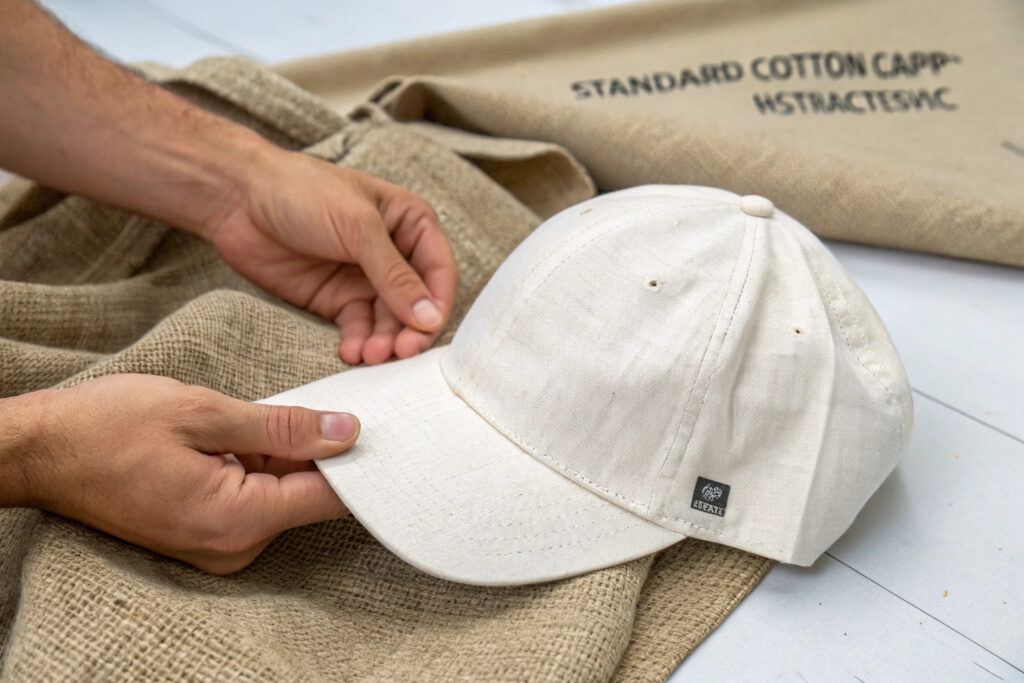
These blends create a higher-performing cap by leveraging hemp's innate strength and functional properties. Hemp fibers are significantly stronger and more durable than cotton, resulting in caps that resist pilling, tearing, and losing their shape. Furthermore, hemp is naturally breathable, moisture-wicking, and UV-resistant. This means caps made from this blend are more comfortable in varied climates, offer sun protection, and maintain a fresh feel longer than many pure cotton or synthetic alternatives.
Why is Durability the Ultimate Form of Sustainability?
The most sustainable product is one that lasts. Hemp's superior tensile strength means a hemp-cotton cap won't thin at the brim or develop holes quickly. It withstands frequent washing and wear without degrading. This extended product lifespan reduces waste and offers customers better value, moving the purchase from "fast fashion" to a long-term accessory. For your brand, this means higher customer satisfaction, fewer returns, and a reputation for quality that supports premium pricing.
How Does the Blend Enhance Day-to-Day Comfort?
Comfort is non-negotiable. While pure hemp softens over time, blending it with cotton provides immediate, comfortable wear. The hemp component actively pulls moisture away from the skin and dries quickly, preventing that "sweaty" feeling. Its thermoregulating properties keep the head cooler in heat. Over time, the fabric becomes incredibly soft while retaining its structure. This perfect balance of initial comfort and evolving softness is a key driver of consumer loyalty and repeat purchases.
What Market Forces Are Propelling Hemp Blends into the Mainstream?
Adopting a new material is a business decision. The surge in hemp-cotton isn't driven by manufacturers alone; it's a response to powerful, aligned forces in the consumer market and the broader fashion industry.
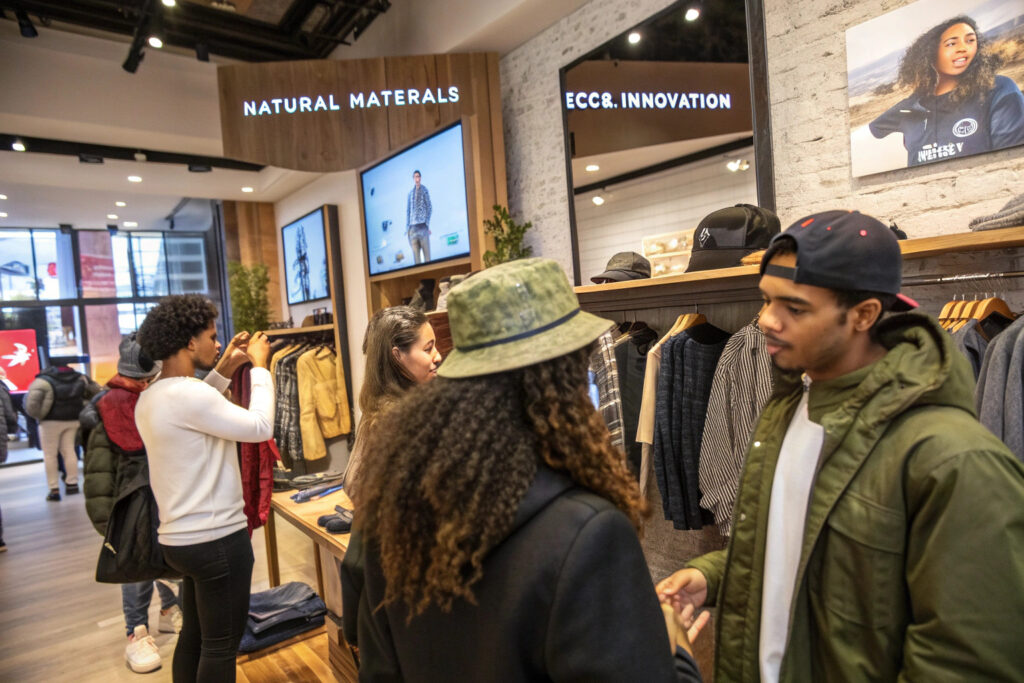
Market adoption is propelled by a powerful convergence: informed consumers demand authentic sustainability, and major brands are leveraging hemp to meet corporate environmental, social, and governance (ESG) goals. Consumers, especially Millennials and Gen Z, actively research materials and prefer natural, biodegradable fibers. Simultaneously, endorsements from respected brands like Patagonia and Levi's have legitimized hemp, shifting its image from "hippie" to "high-performance and responsible," making it a safe and fashionable choice for all market segments.
How Have Leading Brands Changed the Perception of Hemp?
When outdoor industry leaders like Patagonia use hemp for its durability and eco-profile, and when luxury European brands feature hemp blends in high-end collections, the material's narrative transforms. It is no longer defined by its past but by its future potential as a premium, sustainable textile. This "trickle-down" validation gives smaller brands and buyers the confidence to adopt hemp, knowing it carries a pre-approved cachet of quality and responsibility.
What Core Consumer Values Does This Material Address?
Modern purchasing is value-driven. Hemp directly speaks to the desire for transparency, natural origins, and circularity. Its distinct, textured look visually communicates its eco-credentials. In an era of concern over microplastic pollution from synthetics, plant-based blends offer a clean alternative. By choosing hemp-cotton, you allow your customer to make a values-aligned purchase that satisfies their desire for style, quality, and positive environmental impact.
Is the Hemp Supply Chain Ready for Reliable, Large-Scale Production?
A material can be perfect on paper, but if it can't be sourced and produced reliably at scale, it remains a concept, not a product. This has been hemp's historical hurdle. Today, however, the landscape has changed dramatically.
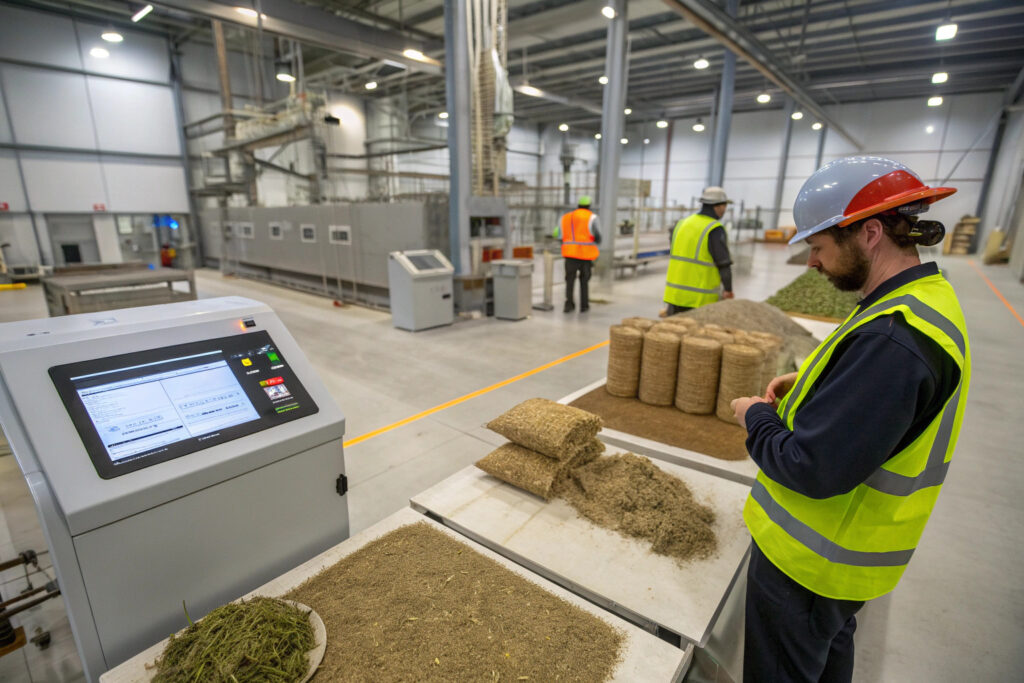
Yes, the hemp supply chain is now robust and ready for large-scale production. Legislative changes like the 2018 U.S. Farm Bill have unlocked industrial hemp agriculture in key markets. Investments in modern decortication and processing facilities have solved historical issues with fiber consistency and quality. As a result, supply is stable, prices are becoming competitive with organic cotton, and the fiber can be seamlessly integrated into existing textile mills and garment production lines, including specialized hat manufacturing.
How Has Modern Farming and Processing Improved Quality?
Gone are the days of coarse, inconsistent hemp fiber. Selective breeding for textile-grade hemp and advanced processing techniques now produce fibers that are fine, soft, and spin-ready. This allows mills to create high-count, smooth yarns ideal for blending with cotton for apparel and caps. For us as manufacturers, this means we can source consistent, high-quality hemp-cotton fabrics that meet our strict standards for dyeing, sewing, and embroidery, ensuring a flawless final product.
Is Sourcing Hemp Blends Cost-Effective for Bulk Orders?
The economics have shifted. While premium hemp blends may carry a slight cost premium over conventional cotton, they are now highly competitive with organic cotton. More importantly, the total cost equation changes when you factor in the added value: the ability to command a higher retail price, the marketing power of a genuine sustainability story, and the reduced risk of environmental scrutiny. For bulk orders, efficiencies of scale apply, and partnering with a manufacturer experienced in sustainable materials, like Shanghai Fumao Clothing, ensures you navigate sourcing and cost effectively.
Conclusion
The ascent of hemp-cotton blend caps is a definitive signal of where responsible fashion is headed. It successfully bridges the gap between ecological imperative and commercial reality, offering a material that is better for the planet, superior in performance, and increasingly demanded by the market. For brands and buyers, it represents a strategic opportunity to lead rather than follow.
Adopting this material is a forward-thinking decision that builds resilience. It future-proofs your product line against tightening environmental regulations, deepens engagement with a growing base of conscious consumers, and establishes a clear point of differentiation based on authentic quality and innovation.
If you are ready to explore how hemp-cotton blends can elevate your cap line, we are here to help. We specialize in guiding brands through the entire process, from sourcing the perfect sustainable fabric to producing a final product that excels in quality and design. To start a conversation about developing your own line of leading-edge, eco-friendly caps, please contact our Business Director, Elaine. She will connect you with our material experts and development team. Reach out to Elaine at: elaine@fumaoclothing.com.