Sourcing modern Sikh turban caps (or "Patkas") that integrate quick-dry technology involves a strategic blend of cultural understanding and technical fabric sourcing. The key lies in adapting the traditional Patka—a square-shaped head covering worn by many Sikhs, especially children and athletes—with performance materials that offer moisture management without compromising religious requirements or comfort.
To source quick-dry Sikh turban caps, you must first understand the specific dimensions and cultural context of the Patka, then identify and partner with specialized fabric suppliers capable of providing innovative, performance-driven materials, and finally locate manufacturers who can respect and execute the design with cultural sensitivity.
A successful product requires sourcing fabric from specialized textile innovators and partnering with manufacturers skilled in sensitive apparel production.
What Are the Core Product Specifications for a Sikh Patka?
The foundational step is to define the product accurately. For many Sikhs, particularly younger individuals and athletes, the Patka serves as a practical and religiously appropriate head covering.
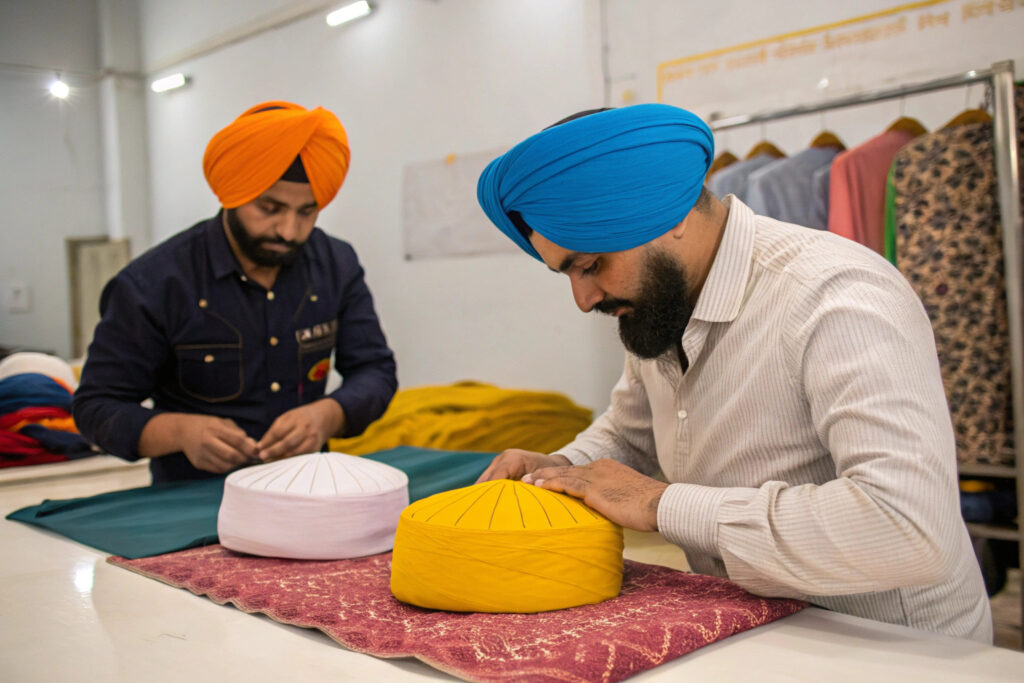
A Patka is a square of cloth that is tied to cover the hair and is often worn under a larger turban or on its own. The standard sizing for Patkas typically follows a square format: Small (21" x 21"), Medium (24" x 24"), and Large (27" x 27"). This standardized sizing provides a clear manufacturing template. The primary functional need for a "quick-dry" version is to manage sweat and moisture effectively, which is crucial during physical activity or in warm climates. Material choices are key, moving beyond traditional cotton to incorporate performance fabrics.
How do traditional practices inform modern design?
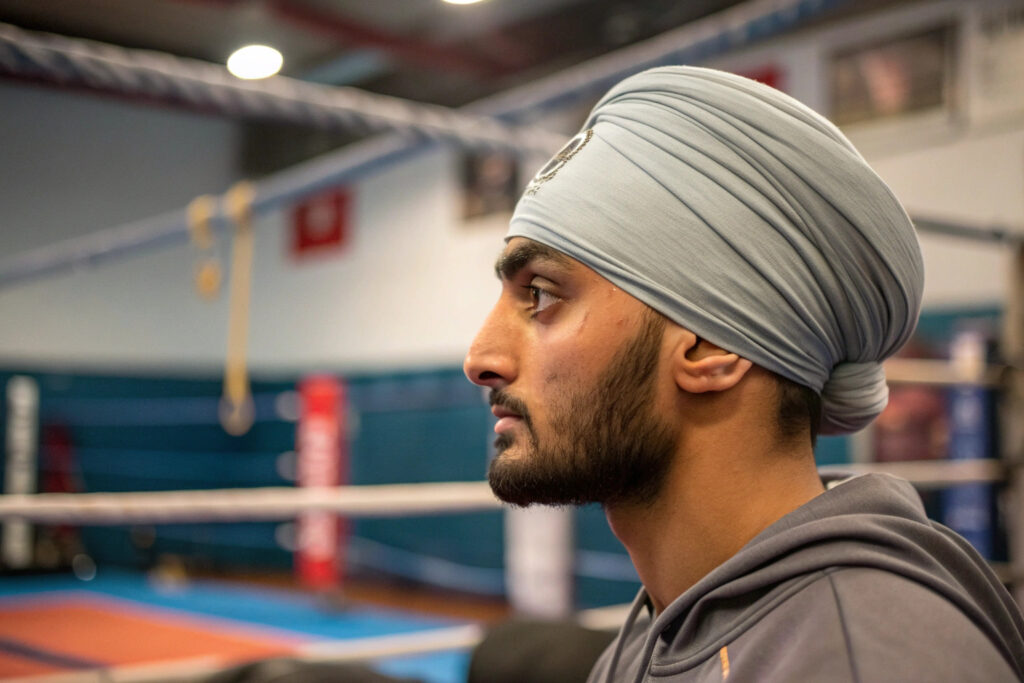
Traditionally, Sikh turbans are made from cotton, valued for its breathability and role as a "good non-conductor" of heat. The modern quick-dry Patka builds on this by enhancing cotton or using synthetic blends to improve moisture-wicking and rapid evaporation. The goal is to maintain the fabric's light and manageable feel while adding technical performance, ensuring it remains easy to tie and comfortable for all-day wear.
How do traditional needs inform modern material choices?
Traditional Sikh turbans often use cotton for its breathability. A modern quick-dry Patka innovates within this framework by enhancing cotton with treatments or utilizing high-performance synthetic blends that improve moisture-wicking and rapid evaporation. The goal is to maintain the fabric's light, manageable feel—essential for proper tying—while adding a layer of technical performance for sustained comfort.
Where to Source the Key Quick-Dry Fabrics and Technologies?
The heart of the product is the fabric. You need to partner with advanced material suppliers who specialize in the technologies that enable quick-drying, breathable performance.
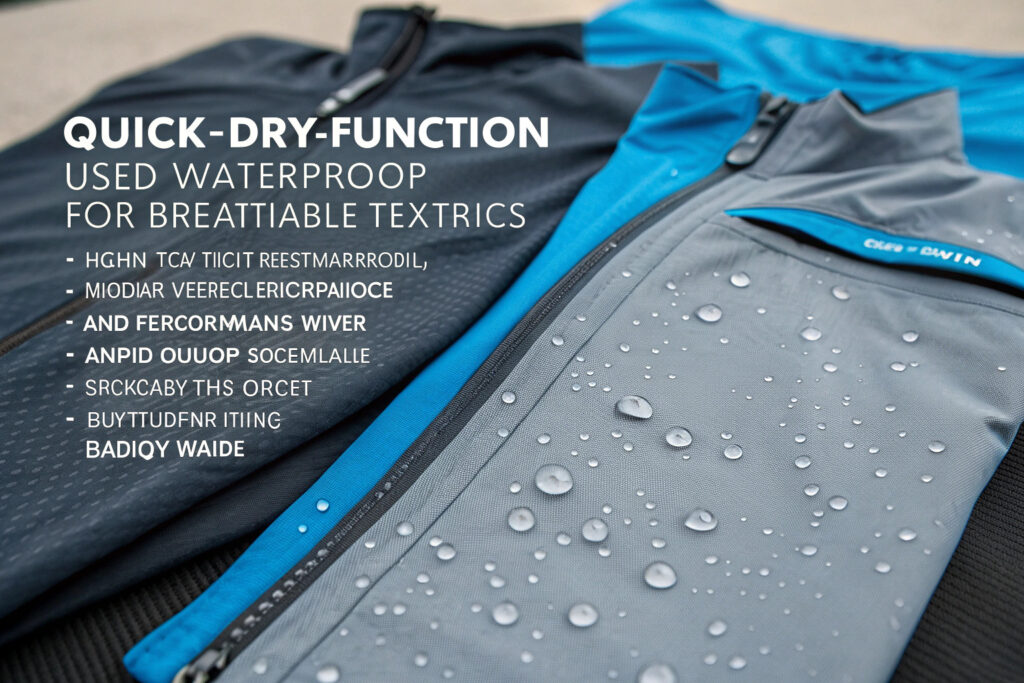
The quick-dry function is achieved through specialized fabric treatments and constructions, primarily sourced from companies producing waterproof/breathable membranes and high-tech performance textiles. These materials work by allowing water vapor (sweat) to escape while resisting liquid water from the outside, facilitating rapid drying.
What are the leading material technologies for this application?
Several companies and technologies are relevant:
- Microporous Membrane Laminates: Companies specialize in composite fabrics using waterproof and breathable membranes (like TPU/PU). These are laminated to base fabrics to create materials that are water-resistant, windproof, and highly breathable.
- Innovative Film Technologies: Eco-friendly waterproof and breathable films featuring billions of nano-pores per square inch are available. These pores are smaller than water droplets but larger than water vapor molecules, effectively blocking external moisture while allowing internal sweat vapor to escape quickly, leading to a dry and comfortable feel.
- Advanced Functional Finishes: Other companies develop new fabrics with integrated functionalities such as waterproofing, moisture permeability, and breathability through specialized fiber technology and finishes.
These suppliers typically provide fabrics to manufacturers rather than finished garments. Your role is to source these technical textiles and then provide them to a manufacturing partner for cutting and sewing.
Material Selection Aligned with Cultural & Functional Needs?
Prioritize Natural-Based Functional Fibers: Opt for marine bio-based or bamboo-blended quick-dry fabrics to respect Sikh preferences for natural materials while delivering rapid moisture evaporation. Avoid synthetic coatings that may cause discomfort during long hours of wear.
How to Find and Vet a Suitable Manufacturing Partner?
Finding the right factory is crucial, as it must handle both the technical aspects of sewing performance fabric and the cultural sensitivity required for a religious garment.
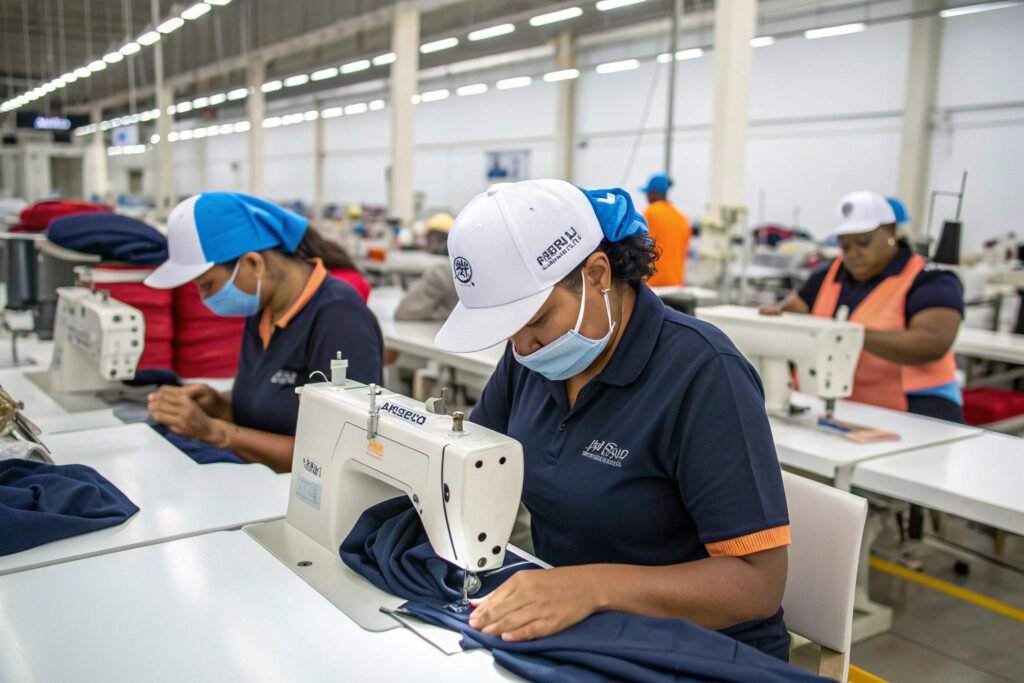
A suitable manufacturing partner should have proven experience in sewing headwear or performance apparel, the capability to work with technical fabrics, and a demonstrated respect for culturally significant products. This is more specialized than sourcing standard caps.
What experience should the manufacturer have?
Look for manufacturers with a portfolio that includes:
- Performance or Athletic Apparel: Experience with sportswear, outdoor gear, or activewear indicates familiarity with moisture-wicking fabrics and technical construction.
- Headwear Production: Specific experience in making caps, hats, or head coverings ensures they understand the patterns, stitching, and fit required for headwear.
- Ethical and Niche Production: A manufacturer that has produced items for specific cultural, religious, or community groups may be more attuned to the importance of respectful and precise execution.
Why is cultural sensitivity in manufacturing non-negotiable?
The Patka is not just a piece of clothing; it is an article of faith for Sikhs. Any manufacturer must understand this context to avoid errors that could be disrespectful. This includes precise adherence to specified dimensions, clean and respectful handling of the products, and openness to feedback from the community during the sampling phase. As a manufacturer committed to precision and understanding client needs, Shanghai Fumao Clothing approaches such specialized projects with the requisite attention to detail and cultural respect.
What Does the Development and Validation Process Look Like?
Bringing a culturally sensitive, technically advanced product to market requires a careful, iterative process that includes the end-user community from the start.
The development process should follow a cycle of prototyping, testing, and refinement, with direct feedback from Sikh community representatives being an integral part of each stage. This ensures both functional performance and cultural appropriateness.

How can I ensure the product meets real user needs?
After initial samples are produced with your sourced fabric and manufacturer, establish a feedback loop with members of the Sikh community. This can involve providing samples for practical testing during activities like sports or exercise. Key questions to address include: Does the fabric dry quickly enough? Is it comfortable against the skin for extended periods? Does it hold its shape and tie securely like a traditional Patka? This community-based testing is invaluable for refinement.
Are there innovative design models to consider?
For inspiration on merging tradition with high-tech functionality, consider projects like the "Tough Turban" developed in collaboration with the Sikh community. While focused on impact resistance for motorcyclists, it demonstrates a successful methodology: working with Sikh consultants, using layered advanced materials (like non-Newtonian foams and high-strength fabrics), and maintaining the form and function of a traditional turban. This model of co-creation is highly applicable to developing a quick-dry Patka.
Conclusion
Sourcing Sikh turban caps with quick-dry technology is a specialized endeavor that sits at the intersection of cultural heritage and modern textile innovation. The path involves clearly defining the Patka's specifications, sourcing advanced quick-dry and breathable fabrics from technical suppliers, and partnering with a manufacturer skilled in both performance apparel and culturally aware production.
Success hinges on a respectful, collaborative approach that includes the Sikh community in the design validation process. By following this roadmap, you can develop a product that honors tradition while meeting the practical needs of an active lifestyle.
If you are looking to develop a line of technically advanced, culturally sensitive headwear like quick-dry Patkas, Shanghai Fumao Clothing can be your expert manufacturing partner. We have the expertise to navigate complex fabrications and a commitment to precise, respectful production. To discuss how we can help bring this specialized product to market, please contact our Business Director, Elaine. Contact: Elaine, Business Director. Email: elaine@fumaoclothing.com.