Imagine you're a police officer, soldier, or industrial worker. Your helmet is essential for protection, but it's bulky, lacks stability, and makes communication difficult. A standard snapback cap can't offer the ballistic protection or accessory integration you need. This creates a gap between comfort and mission-critical safety.
A "helmet-integrated snapback system" typically refers to specialized high-performance helmets designed for tactical and industrial use. These are not regular caps but rather protective helmets that incorporate a low-profile, secure, and highly functional mounting platform—akin to a snapback's concept—for attaching advanced accessories like communication systems, night vision devices, and protective visors. The question, therefore, is less about finding a manufacturer for a simple hat and more about sourcing from OEMs who design and produce sophisticated, modular helmet platforms.
Let's explore the key product categories, technical specifications, and a strategic roadmap for identifying and vetting the specialized manufacturers behind these complex systems.
What Exactly Are Modern Helmet-Integrated Systems?
Based on your previous inquiries regarding safety caps and photoluminescent mining gear, you are likely looking for protective solutions beyond standard headwear. The term "snapback" in this context is best understood as a modular, attachment-ready platform.
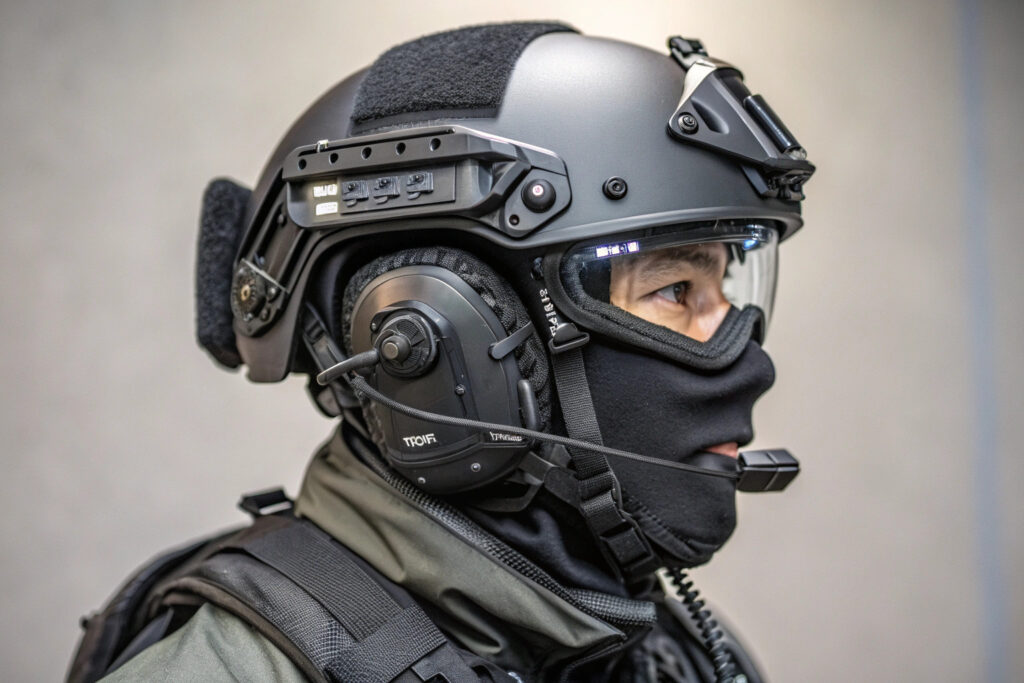
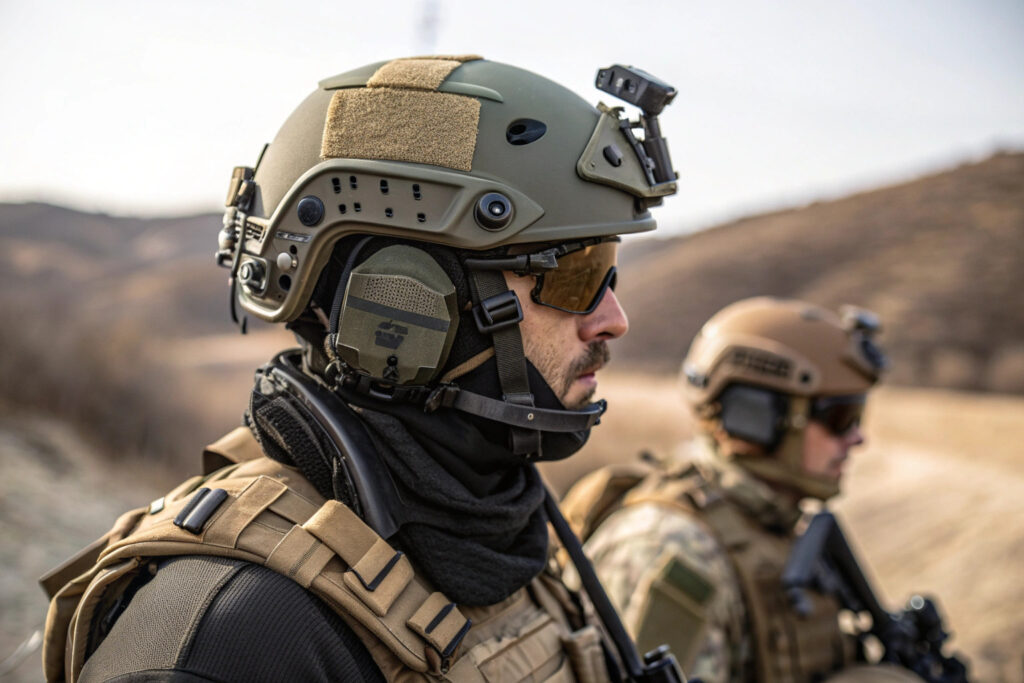
These modern helmet systems are sophisticated protective devices engineered from ballistic materials like Kevlar® or advanced polymers, featuring integrated Picatinny or NATO accessory rails. They are designed to securely "snap on" a wide array of electronic, optical, and protective add-ons. The integration is seamless and engineered to withstand shock and maintain function in extreme environments. This is a distinct category from the common fashion "snapback cap" shown in many supplier listings on platforms like Alibaba.
Tactical & Ballistic Helmet Platforms?
This is the most advanced category, designed for military, law enforcement, and specialized security applications.
- How They Work: These helmets start with a ballistic shell that meets strict protection standards (e.g., NIJ Level IIIA). The shell is molded or fitted with proprietary rail systems, such as the Ops-Core ARC Rails or similar NATO-standard designs. These rails are the "snapback" foundation, allowing for the one-click attachment of night vision goggle (NVG) mounts, communication headsets, helmet lights, and camera systems.
- Key Features to Seek: Ballistic certification is paramount. The weight distribution and center of gravity are critical when adding heavy accessories like NVGs. Look for advanced suspension systems (e.g., 4-point or 6-point) for stability, ventilation for prolonged wear, and compatibility with a wide ecosystem of third-party accessories.
- Best For: Government contracts, defense suppliers, and high-end security firms requiring certified protective equipment with full accessory integration.
Industrial & Safety Helmet Systems?
These are designed for hazardous work environments, often integrating respiratory protection, hearing protection, and lighting.
- How They Work: These systems often start with a high-impact safety helmet (meeting standards like EN 397) and integrate with a bracket or mounting interface for specific tools. A prime example is Helmet Integrated Systems Ltd., a company acquired by Gentex Europe, which specializes in designing and manufacturing world-leading air, land, and industrial safety helmets. Their systems may combine hard hats with powered air-purifying respirators (PAPRs) or communication gear, creating an all-in-one safety solution for chemical, fire, or industrial settings.
- Key Features to Seek: Compatibility with industry-specific PPE (respirators, face shields, ear muffs). Intrinsic safety certifications for explosive atmospheres (ATEX) may be required. Durability, ease of decontamination, and comfort for long shifts are crucial.
- Best For: Mining (as in your previous query), oil & gas, chemical manufacturing, firefighting, and heavy industry where multiple forms of protection are needed simultaneously.
What Standards and Certifications Are Non-Negotiable?
For these mission-critical products, certifications are not optional; they are the legal and functional benchmarks that define the product's purpose and acceptable risk.
The core certifications fall into two tracks: ballistic/protective standards for tactical use, and industrial safety/equipment standards for occupational use. Ignoring these makes a product commercially and legally unsellable in its target market.
Why are ballistic and accessory mount standards fundamental?
For tactical helmets, protection is quantified. In the United States, the National Institute of Justice (NIJ) Standard 0106.01 for ballistic helmets is key. In Europe, VPAM or STANAG standards apply. Beyond the shell, the mounting system itself must have a standard. The Picatinny Rail (MIL-STD-1913) and the NATO Accessory Rail (STANAG 4694) are the dominant specifications that ensure interoperability between helmets and the vast market of accessories (lights, cameras, etc.). A manufacturer must design and test their rail system to these standards to be considered credible by professional users.
How do industrial safety and system integration standards apply?
Industrial systems prioritize impact protection and integration safety. The base helmet must comply with regional safety standards: ANSI/ISEA Z89.1 in North America, EN 397 in Europe, and GB 2811 in China. For integrated systems, the entire assembly—helmet, bracket, and attached device (e.g., a respirator)—must be tested and certified as a unit to ensure the added weight and leverage do not compromise the helmet's protective function. Furthermore, if electronics are integrated, they may need Intrinsic Safety (IS) or Ingress Protection (IP) ratings for use in hazardous locations. A company like Gentex Europe, through its Helmet Integrated Systems division, exemplifies a manufacturer that navigates this complex web of certifications for global markets.
How to Find and Vet Specialized Manufacturers?
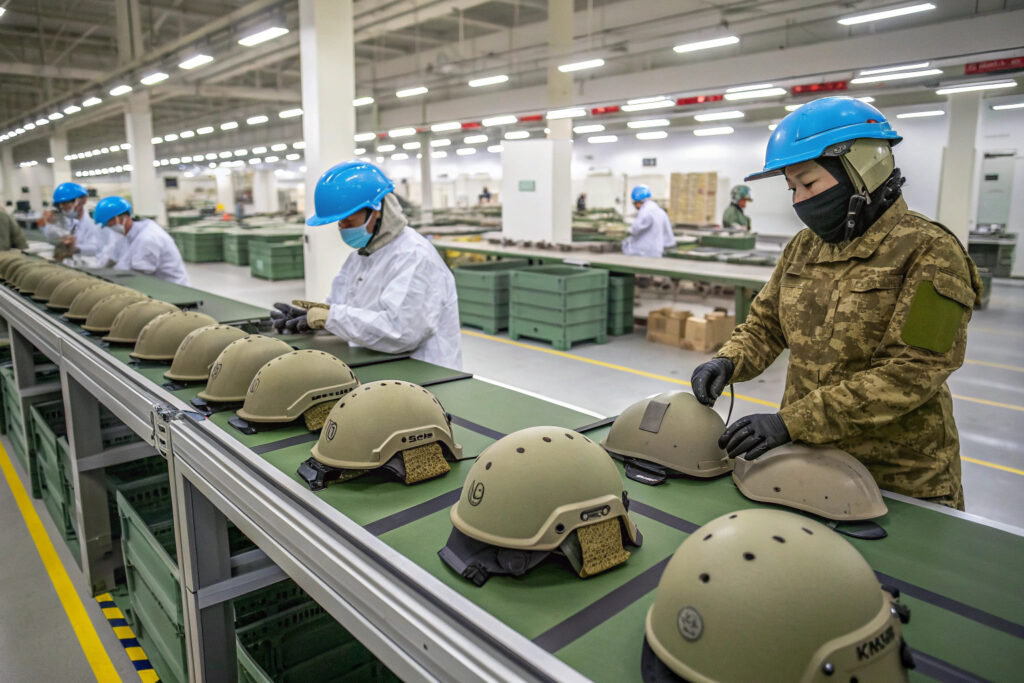
Finding a factory that makes tactical or integrated industrial helmets is fundamentally different from sourcing fashion caps. The supply chain is more restricted, technical, and relationship-driven.
To locate these specialized manufacturers, you must leverage defense industry directories, attend professional trade shows, and engage with established OEMs known for systems integration, followed by a rigorous technical and compliance audit process.
Where are the best places to start the search?
Forget generic B2B platforms for this category. Begin with defense and security industry publications and their associated supplier directories. Companies that supply NATO forces or major law enforcement agencies will be listed here. Industrial safety trade shows (like A+A in Germany or NSC in the USA) are where integrated system manufacturers showcase their latest platforms. Finally, targeted online searches for key terms like "ballistic helmet OEM," "tactical helmet rails manufacturer," or "integrated industrial safety helmet system" will yield more relevant technical companies than general searches. The search results from this query highlight the common pitfall—most results point to standard snapback cap factories, which are not relevant to this niche.
What is a thorough supplier vetting process for this niche?
Due diligence here is exceptionally deep:
- Certification Audit: Request full, verifiable test reports for all claimed standards (NIJ, VPAM, EN, ATEX, etc.) from an accredited laboratory. For OEMs, this is standard practice.
- Technical Capability Review: Assess their in-house R&D and engineering strength. Can they customize rail geometry or shell shape? Do they have ballistic testing facilities or partnerships with testing labs? Inquire about their materials science expertise (e.g., aramid fibers, composite molding).
- Sample Evaluation and Testing: Order evaluation samples. The testing goes beyond fit and finish to include accessory mounting/dismounting cycles, stability under load, and compatibility with standard accessories. The sample should demonstrate flawless integration.
- Supply Chain and Compliance Audit: For serious contracts, an audit is essential. You must verify their controlled material sourcing (especially for ballistic fibers), quality control at every production stage, and ITAR/EAR compliance if the technology is subject to export controls. Engaging with a partner like Shanghai Fumao Clothing for such a complex project would involve leveraging our network to identify and manage relationships with these highly technical subcontractors, ensuring the final assembled product meets all specifications.
Conclusion
Sourcing "helmet-integrated snapback systems" requires a fundamental shift in perspective—from apparel to advanced personal protective equipment (PPE) and tactical gear. The key is to identify and partner with OEMs specializing in ballistic protection or industrial safety systems, not conventional cap manufacturers.
Success hinges on a deep understanding of the relevant ballistic, rail, and safety standards, and the ability to vet manufacturers on their technical engineering capabilities and certification credentials. This is a long-lead, high-trust procurement process focused on performance and reliability above all else.
If your project involves developing or sourcing integrated headwear systems that require advanced material science, engineering, and strict certification management, Shanghai Fumao Clothing can act as your strategic project manager and liaison. We can help navigate this specialized supply chain to connect you with qualified technical partners. For a discussion on how we can support your specific advanced headgear requirements, please contact our Business Director, Elaine. Contact: Elaine, Business Director. Email: elaine@fumaoclothing.com.