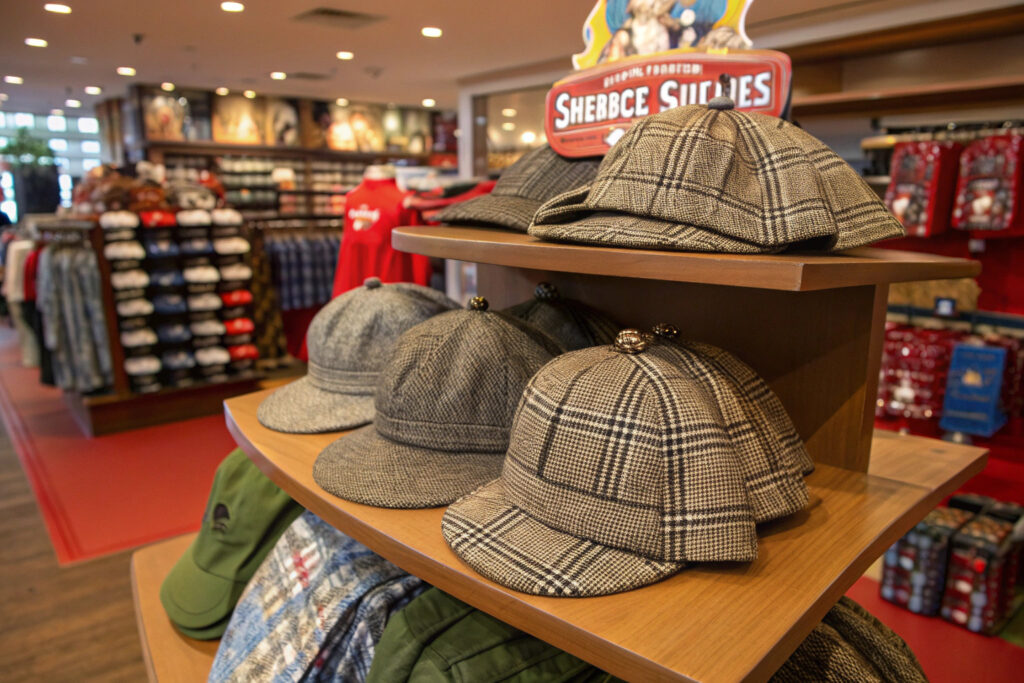
For theme park operators and buyers, sourcing the iconic Sherlock Holmes deerstalker cap is a unique procurement challenge. You need more than a simple costume piece; you require a product that is authentic enough to delight guests, durable enough to withstand daily park operations, and scalable for either costume departments or retail shelves. Finding a supplier who understands these intersecting demands is key to a successful purchase.
The most reliable method is to engage with specialized suppliers from the themed entertainment industry, including professional costume prop makers, licensed merchandise manufacturers, and companies with proven experience in creating durable, character-based accessories for high-traffic environments.These suppliers grasp the balance between visual fidelity for immersive experiences and the practical necessities of theme park durability, guest safety, and volume production. They can also provide crucial guidance on design licensing for commercial use in a public venue.
This guide will walk you through the specific types of suppliers to target, how to evaluate them for quality and reliability, the critical steps in the customization process, and the key considerations for integrating the product into your park's operations.
What Types of Suppliers Specialize in Themed Park Props and Merchandise?
The first step is identifying the right category of supplier. The themed entertainment industry relies on a network of specialists, each serving different needs from custom fabrication to bulk retail production. Partnering with the correct type of vendor from the outset ensures your project requirements are fully understood.
Specialized suppliers are typically segmented into three core groups: custom prop and costume fabricators, licensed merchandise manufacturers, and full-service themed retail product developers. For a single, highly detailed prop for a character performer or static display, a custom fabricator is ideal. For producing thousands of uniform caps for park-wide retail, a licensed merchandise manufacturer with soft goods expertise is essential. For developing an entire line of coordinated souvenirs for a Sherlock Holmes-themed area, a full-service retail developer is the strategic partner you need.

How do custom prop and costume houses operate?
These are the artisans of the industry, focusing on bespoke, detail-oriented creation for film, theater, and high-end attractions.
- Prop Fabrication Studios: They excel at one-off or limited-run items, working from reference materials to achieve screen-accurate details in materials, color, and construction. They are perfect for creating the "hero" prop used for photo opportunities or by a featured character.
- Costume Production Companies: These firms specialize in creating multiples—such as identical caps for a group of performers or size-graded sets. They understand movement, durability for performance, and can advise on material substitutions (e.g., a durable wool blend instead of pure, delicate tweed) that maintain authenticity under stage lighting and frequent use.
What is the role of a licensed merchandise manufacturer?
When the goal is stocking gift shops, the supplier's focus must shift to consumer products, scalability, and retail logistics.
- Apparel and Accessory Manufacturers: These partners manage volume production from material sourcing to final packaging. They will find cost-effective, durable fabrics that evoke the right look, establish consistent sizing, and ensure the product meets retail safety and labeling standards for your target markets.
- Themed Retail Specialists: Some companies operate specifically within the visitor attractions space, designing products that act as tangible extensions of the park experience. They understand souvenir price points, packaging that tells a story, and how an item like a deerstalker fits into a broader narrative-driven merchandise collection.
How to Thoroughly Vet a Supplier for Quality and Reliability?
Once you have a list of potential suppliers, a rigorous vetting process is essential to ensure they can deliver a product that meets your park's operational and quality standards. This due diligence protects your investment and brand reputation.
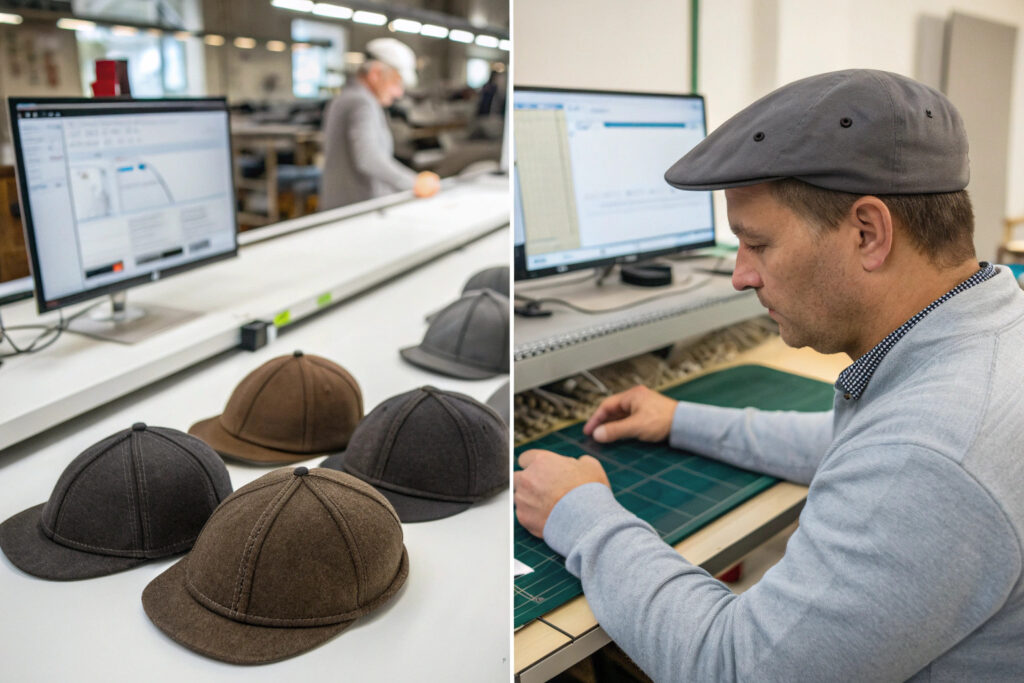
Effective vetting is a multi-stage process involving portfolio review, sample evaluation, in-depth questioning about processes and materials, and verification of references from similar clients. The goal is to move beyond marketing claims and assess their tangible experience with projects of comparable scope and complexity within the themed entertainment or high-volume retail sector.
What key questions should I ask during the evaluation?
Prepare a detailed questionnaire to standardize responses from different vendors.
- "Can you provide specific examples of historical or character-based headwear you've produced for public-facing venues?" This probes for direct, relevant experience beyond generic manufacturing.
- "What is your approach to ensuring durability for a product that will be handled hundreds of times per day?" This reveals their understanding of theme park operational realities and material science.
- "What are your standard minimum order quantities (MOQs), and how do you manage quality and color consistency across a large production run?" This assesses their scalability and production control capabilities.
Why is ordering a physical sample a non-negotiable step?
A sample provides tangible evidence of quality that a portfolio picture cannot.
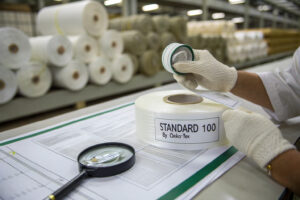
- Hands-On Assessment: You can evaluate the stitching strength, material weight and texture, shape retention, and overall finish. Test it—flex the brim, check the lining, see how it withstands minor handling stress.
- Fit and Authenticity Check: The sample allows you to verify if the proportions and details feel authentically "Sherlock Holmes" and meet your creative vision before committing to a full production run.
What Does the Customization and Production Workflow Involve?
After selecting a qualified supplier, the project enters the production phase. A clear, structured workflow from design to delivery is critical for managing timelines, costs, and quality expectations. Understanding this process helps you be an effective partner.
A professional customization workflow follows a logical sequence: concept finalization and tech pack creation, prototyping and sample approval, bulk production with staged quality checks, and finally, logistics and delivery planning. Each stage is a checkpoint to ensure the project remains on track and aligned with your specifications.
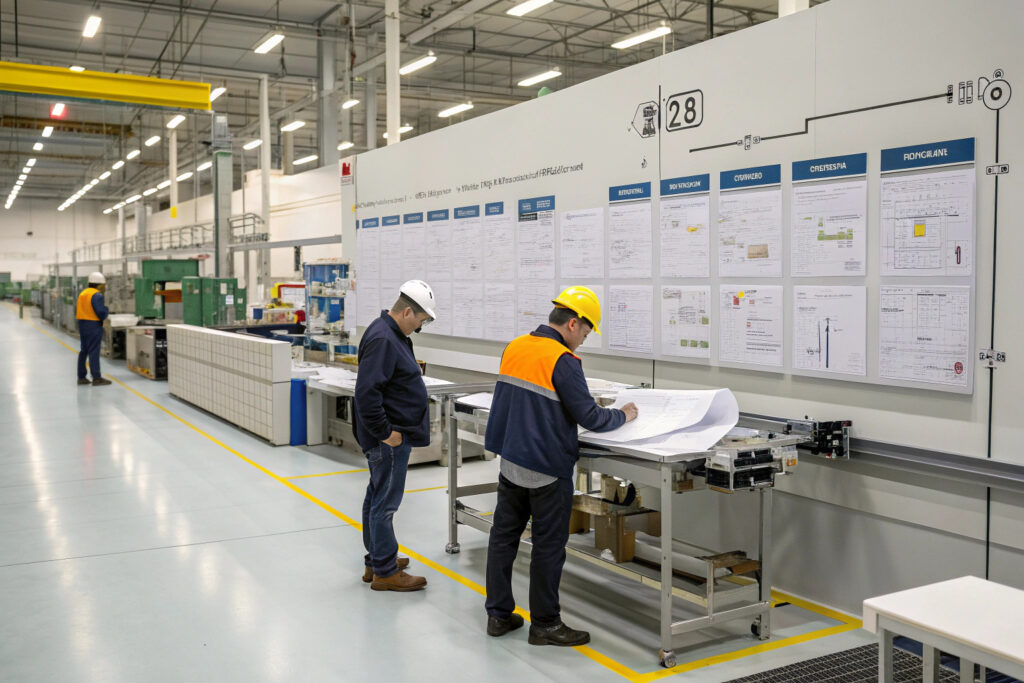
What is a tech pack and why is it crucial?
The tech pack is the foundational blueprint for your entire order.
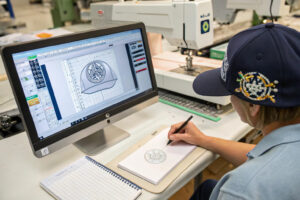
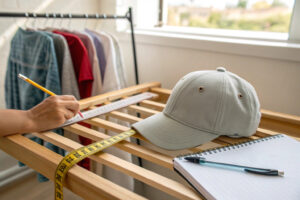
- The Blueprint: It includes detailed technical drawings from multiple angles, precise material specifications (fabric composition, color codes, trim details), accurate size charts with measurements, and artwork for any labels or logos. The more precise this document, the fewer errors and revisions during sampling.
- Mutual Reference: It serves as a single source of truth for both you and the manufacturer, minimizing misunderstandings about the expected final product.
What happens during the bulk production and QC phase?
This is where your order is manufactured at scale, requiring robust quality control.
- In-Process Quality Checks (IPQC): Reputable manufacturers will conduct inspections during the cutting, sewing, and assembly stages to catch issues early, rather than only inspecting finished goods.
- Pre-Shipment Inspection: Before packing, a statistically significant sample of the finished batch (e.g., following an AQL standard) should be inspected against the approved sample and tech pack. You should receive a report detailing the findings before the goods are shipped.
What Are the Key Considerations for Park Integration?
The final, often overlooked, stage involves planning for the cap's life within the park. Successful integration impacts operations, guest satisfaction, and the item's lifecycle. Proactive planning with your supplier in these areas can prevent future headaches.
Key integration considerations encompass durability planning for the park environment, inventory and supply chain management for retail items, and clear guidelines for use and maintenance if the item is part of a costume department. These factors determine whether the product is a short-lived novelty or a long-term asset.
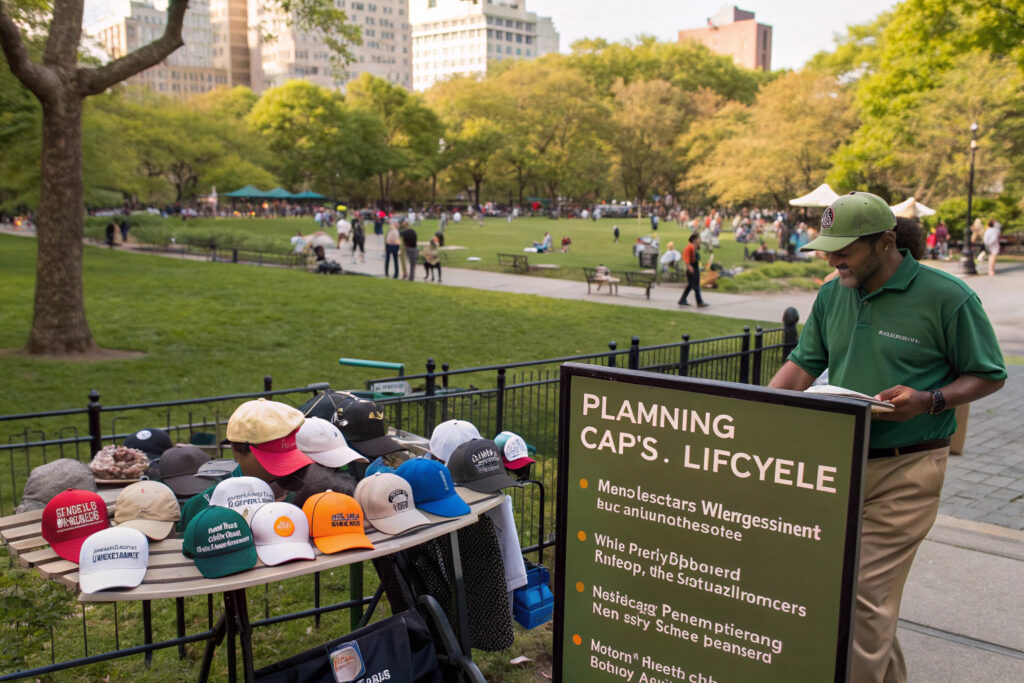
How do I plan for durability in a park environment?
The cap must be designed for its real-world use case.
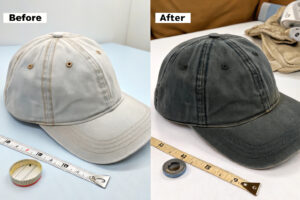
- Material Selection: Discuss environmental factors with your supplier. Will caps be worn outdoors in sun and rain? A solution-dyed polyester might offer superior UV and colorfastness compared to natural wool. Will they be frequently tried on by guests? The interior lining and stitching need to be extra robust.
- Design for Maintenance: If for costumes, how will they be cleaned? Can the materials withstand industrial laundering? Your supplier should recommend fabrics and construction methods that simplify maintenance for your operations team.
How should I manage inventory and supply chain for retail?
Treating the deerstalker as a retail SKU requires commercial planning.
- Lead Time and Reordering: Work with your supplier to understand full production lead times, including shipping. Establish a reordering schedule to avoid stock-outs during peak seasons.
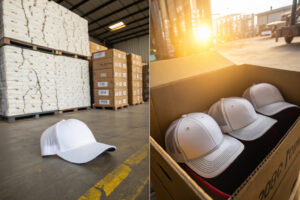
- Packaging and Display: The unboxing experience matters. Collaborate on packaging that is attractive, protects the product during storage and shipping, and is easy for retail staff to manage. Consider display options like hat stands or hooks that showcase the cap effectively in-store.
Conclusion
Sourcing the perfect Sherlock Holmes deerstalker for a theme park is a multifaceted process that blends creative sourcing with practical operations management. Success depends on targeting the right specialized suppliers, conducting meticulous vetting, managing a clear production workflow, and planning for the product's integration into the park ecosystem from the start.
By following a structured approach—defining your need, evaluating partners on quality and experience, and collaborating closely through design and production—you can secure an iconic piece that delights guests, stands up to the rigors of park life, and contributes positively to your operational and retail goals.
If you are looking to develop high-quality, durable themed headwear or character merchandise, Shanghai Fumao Clothing can be your manufacturing partner. With extensive experience in headwear production and a full-service approach from design to delivery, we can help you create products that are both authentic and built to last. For a detailed discussion on your deerstalker cap project or other themed accessory needs, please contact our Business Director, Elaine. Contact: Elaine, Business Director. Email: elaine@fumaoclothing.com.