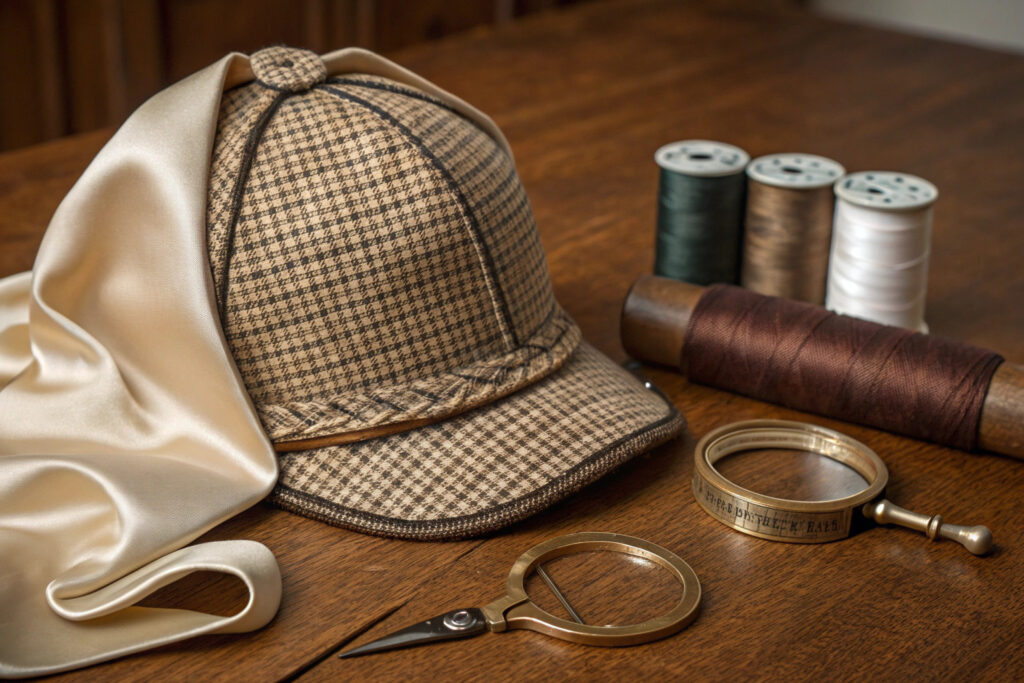
For customers with sensitive skin, finding a stylish hat that doesn't cause irritation can be a frustrating quest. The problem doubles when you're seeking a unique, heritage style like the Sherlock Holmes-inspired deerstalker, known for its distinct dual brim and foldable ear flaps. This classic cap, traditionally made from rugged fabrics for hunting, needs a thoughtful redesign to become a gentle, everyday accessory. As a manufacturer who values both classic design and modern comfort, I understand that the solution lies not in mass-market stores, but in targeted sourcing and custom creation.
There are two main paths to find a hypoallergenic silk-lined deerstalker: commissioning a custom order from a specialized milliner or partnering with a manufacturer, like us, to develop a dedicated production run. Currently, no major retailers or wholesalers stock this specific, niche product combination as a ready-to-wear item. The journey involves careful material selection, expert pattern-making, and a clear understanding of hypoallergenic needs.
While the classic deerstalker symbolizes detective fiction, today's wearers deserve modern comfort. Let's explore how to source or create a version that protects sensitive skin as well as Sherlock Holmes protected his clients.
What Makes a Hat Truly Hypoallergenic?
Before sourcing, it's crucial to define "hypoallergenic" in the context of hats. It means minimizing the risk of allergic reactions, which are often triggered by specific materials, chemical residues, or physical irritation from rough seams.
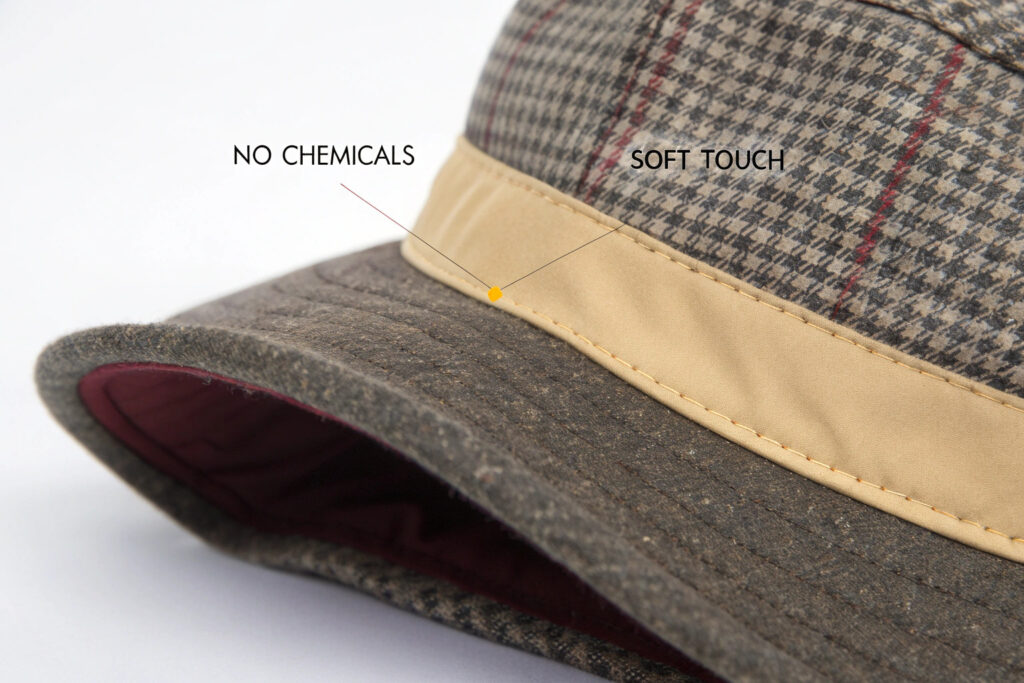
True hypoallergenic headwear centers on material purity and construction. The gold standard for lining is 100% mulberry silk, known for its smooth, non-abrasive fibers that contain no common allergens like lanolin (found in wool). The silk must be undyed or dyed with low-impact, certified non-toxic pigments. Beyond the lining, every component matters: the outer fabric (e.g., organic cotton or superfine merino), the thread, and even the stabilizing interfacings should be free from formaldehyde and other irritants. Construction is equally vital; all seams must be flat-locked or covered to prevent them from rubbing against the skin, a common source of discomfort.
Why is Silk the Ideal Lining for Sensitive Skin?
Silk's protein-based fiber structure is inherently smooth and round, creating less friction than other natural fibers. It is also naturally temperature-regulating and moisture-wicking, helping to keep the scalp dry and at a stable temperature—conditions that can exacerbate irritation. Unlike some synthetic "silky" linings, pure silk is free from chemical treatments that can leach onto the skin. For a deerstalker, which can be warm due to its coverage, this breathable lining is essential for all-day comfort. This focus on skin-friendly materials is at the heart of our approach to specialized custom manufacturing at Shanghai Fumao Clothing.
What Are Common "Hidden" Allergens in Hats?
Many off-the-shelf hats contain unnoticed irritants. These can include:
- Chemical Finishes: Water repellents, fire retardants, or anti-wrinkle treatments.
- Adhesives: Used in cap brims or fused interfacings.
- Metal Components: Nickel in buckle clasps or decorative grommets is a very common contact allergen.
- Dyes and Fixatives: Low-quality dyes can bleed with sweat.
A genuinely hypoallergenic hat requires full transparency and control over this entire material supply chain.
Why Aren't Ready-Made Hypoallergenic Deerstalkers Available?
The deerstalker is a niche style with specific structural needs, and adding a hypoallergenic silk lining creates a product that is, currently, too specialized for mass retail.
The traditional deerstalker is defined by its structured design: a double brim (front and back) and two side flaps that can be tied up over the crown. This requires more complex patterning and interfacing than a standard cap. Mainstream retailers focus on high-volume styles like baseball caps or beanies. Investing in the tooling and niche marketing for a silk-lined deerstalker carries a high financial risk for them. Searches for ready-to-wear options typically yield only standard wool or acrylic versions. These mass-produced items often prioritize cost over material purity.
What Do Current Market Options Typically Offer?
Most available deerstalker-style hats compromise on one or both of your key requirements. You will generally find:
- Traditional Tweed/Cotton Blends: These maintain the classic look but have rough, unlined interiors or synthetic linings that can irritate skin.
- Modern Acrylic/Wool Blends: These are more affordable and easier to find wholesale but are entirely made from synthetic or mixed materials, which are not suitable for sensitive skin.
This gap in the market is precisely where custom manufacturing and specialized sourcing partnerships add the most value.
How Does the Classic Design Complicate Lining?
Lining a standard beanie is straightforward, but a deerstalker's flaps and brims present a challenge. The silk lining must be expertly patterned to fit the complex three-dimensional structure without adding bulk or restricting the movement of the ear flaps. It requires a skilled hat-maker who understands how to draft a separate lining pattern that mirrors the outer shell's precise shape—a service not offered by standard apparel factories.
What Are Your Sourcing and Manufacturing Options?
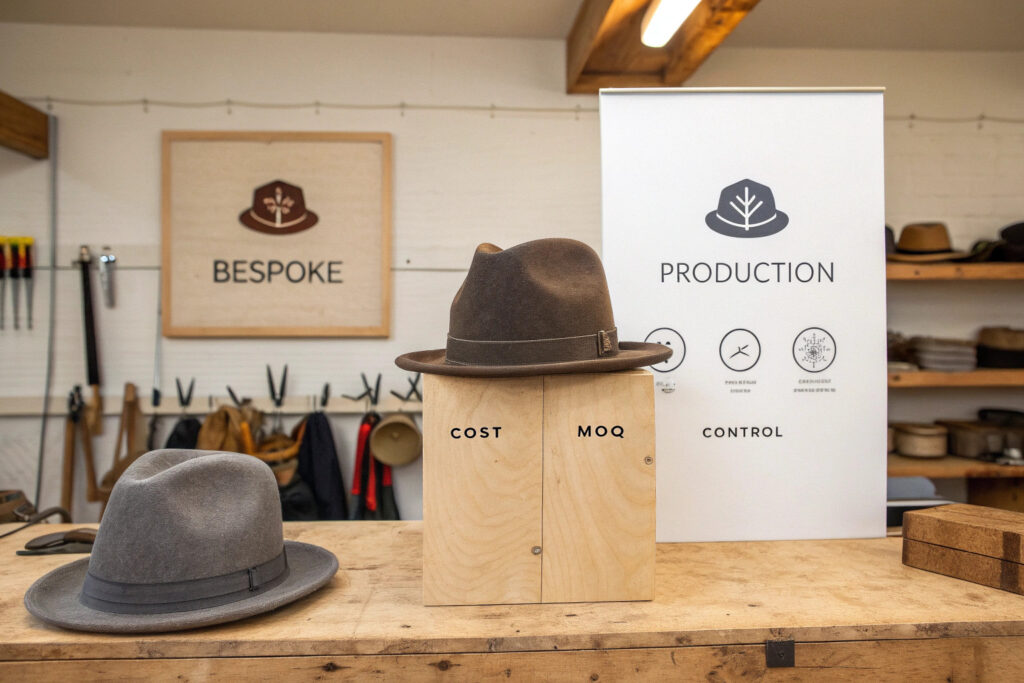
Given the lack of off-the-shelf products, you have two primary avenues, each with different considerations for cost, minimum order quantities (MOQ), and control.
Your first option is to commission from a bespoke milliner. This is ideal for a single, perfect hat or a very small batch. You'll work directly with an artisan who can source the hypoallergenic materials and handcraft the hat to your exact measurements. The second, and more scalable option for businesses, is to partner with a manufacturer for custom development. This involves collaborating with a factory (like ours) to create a sample based on your specifications, then proceeding with a production run. This path offers control over materials, design, and the ability to brand the product, but comes with established MOQs.
What is the Typical Process for Custom Manufacturing?
If you choose the manufacturing route, the process generally follows these stages:
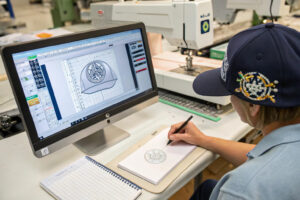
- Design & Spec: You provide or co-create a technical design sketch, specifying outer fabric, 100% silk lining requirement, and any style tweaks.
- Material Sourcing: The manufacturer sources certified, hypoallergenic material swatches for your approval. We leverage our position in Keqiao's textile hub to find specialized, skin-safe fabrics.
- Prototyping: A first sample is made. This stage is critical for fitting the complex lining and ensuring comfort.
- Revisions & Approval: You review the sample, request adjustments, and finally approve it for production.
- Production & QC: The factory runs your order, with stringent quality checks on seams, lining integrity, and material consistency.
What Are Realistic Minimum Order Quantities and Costs?
Costs and MOQs vary significantly. A bespoke milliner's hat can cost several hundred dollars per piece, with no MOQ. For factory production, MOQs might start at 100-300 pieces per style/color, with the unit cost decreasing with volume. The premium materials and complex construction will make these hats more expensive than a standard acrylic deerstalker, but they will command a much higher retail price in the niche market for hypoallergenic and heritage apparel.
How Do You Verify and Market the Hypoallergenic Claim?
Simply lining a hat with silk isn't enough; you need a verifiable story and clear communication to build trust with your sensitive-skinned audience.
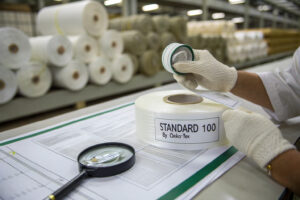
To back your claim, request Material Safety Data Sheets (MSDS) or OEKO-TEX® Standard 100 certification from your fabric suppliers. This independent certification tests for harmful substances. For marketing, transparency is key. Detail the specific materials used (e.g., "Lined with 100% Grade 6A Mulberry Silk") and the construction benefits ("Flat-locked Seams for Zero Chafing"). Educate your customer on why these features matter. This transforms a material specification into a compelling brand promise centered on care and well-being.
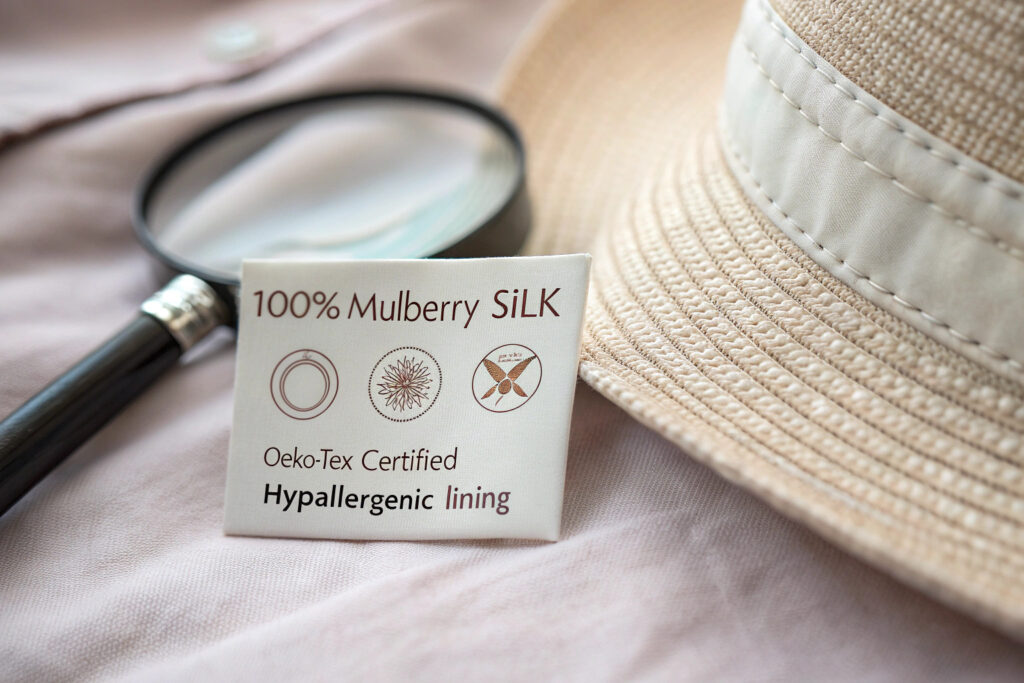
Why is Certification More Valuable Than a Generic Label?
A generic "hypoallergenic" label is a marketing term, not a guarantee. In contrast, a certification like OEKO-TEX® provides an independent, scientifically backed verification that the product is free from a defined list of harmful substances. This is a powerful tool for building consumer trust, especially when selling online where customers cannot touch the product. It shows a tangible investment in safety and quality that discerning buyers look for.
How Does This Niche Product Align with Broader Market Trends?
The demand for specialized, health-conscious apparel is growing. This product intersects several trends: heritage revival, skin-health awareness, and transparent sourcing. By addressing a specific, underserved need—allergic or sensitive individuals who also appreciate classic style—you can build a loyal customer base. This aligns with the broader movement in fashion toward personalized and sustainable solutions.
Conclusion
Finding a hypoallergenic silk-lined deerstalker is currently a journey of custom creation, not simple purchase. It requires partnering with skilled artisans or manufacturers who can navigate the complexities of heritage patterning and sensitive material sourcing. The result, however, is a unique product that fills a clear gap in the market: a classic, stylish hat re-engineered for modern comfort and skin safety.
For brands and retailers, this represents a valuable opportunity to cater to an underserved community with a high-quality, story-rich product. If you are interested in developing a line of hypoallergenic, silk-lined deerstalkers or other specialty headwear, contact our Business Director, Elaine, at elaine@fumaoclothing.com. Let's create something exceptional together.