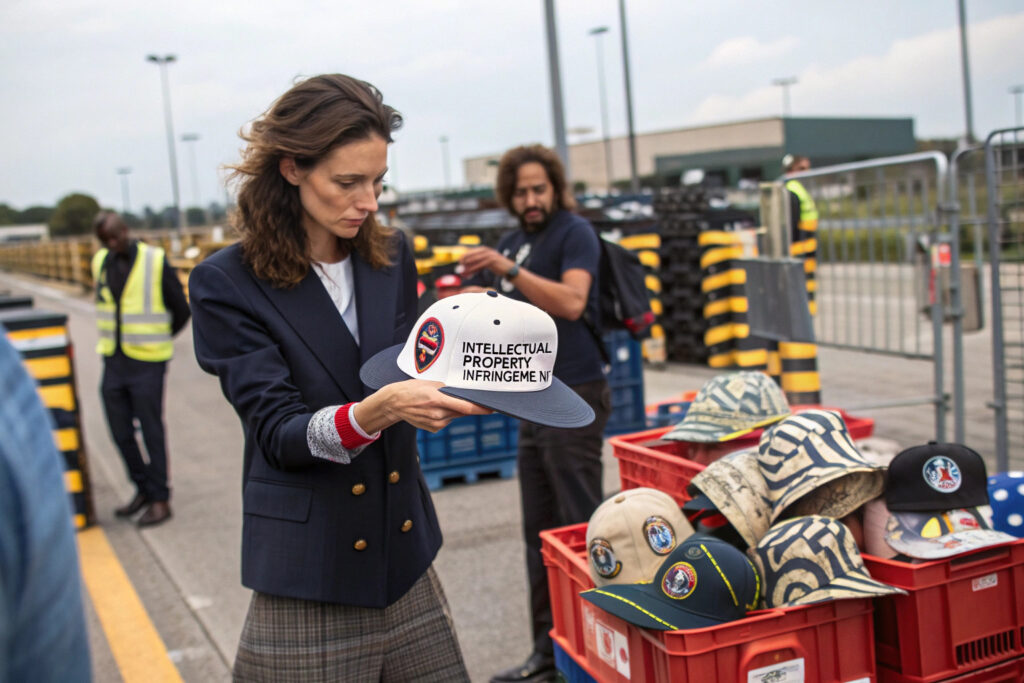
For any fashion entrepreneur, seeing your unique hat design become popular is a dream. However, that success can quickly turn into a nightmare if a shipment is detained by customs due to suspected intellectual property infringement. For products like hats, where style, logo placement, and distinctive shapes are key, navigating the fine line between being inspired by designer trends and illegally copying them is a critical business skill. An IPR seizure doesn't just mean lost inventory; it can lead to costly legal battles, platform bans, and irreversible damage to your brand's reputation.
To effectively avoid IPR seizures for designer-inspired hats, you must adopt a proactive, multi-layered strategy. This involves conducting thorough searches before production, implementing smart design modifications, securing your own rights, and meticulously managing your supply chain and export documentation. Reacting after a seizure notice is too late. The goal is to build a "rights clearance" process into your product development cycle from the start.
The risk is particularly high in international trade. Intellectual property rights are territorial, meaning a design protected in the EU or US is not automatically protected in China, and vice versa. However, customs authorities in major markets like the EU and US actively police imports for IP infringement. Therefore, your due diligence must be global, focusing on your manufacturing country and all target sales markets.
How to Conduct Pre-Production Intellectual Property (IP) Searches?
The most crucial step to avoid seizures happens before you even order fabric. You must investigate whether your "inspirational" design infringes on existing, enforceable rights in your target markets. This process is often called "freedom to operate" (FTO) analysis or prior art search.
Begin with a systematic search across all relevant IP types. For hats, this primarily means design patents (or registered designs) and trademarks. Search the official databases of your key markets: use the USPTO for the United States, EUIPO for the European Union, and WIPO's global databases for an international overview. Don't just search for identical designs; look for designs that are "substantially similar" in their overall visual impression, as this is the legal standard for infringement.
Why is a pre-emptive search non-negotiable? It allows you to identify risks at the cheapest possible stage—during design. The cost of a search is minimal compared to the losses from a seized container. For example, a unique, patented brim shape used by a luxury brand could be protected, and unknowingly replicating it could lead to a seizure. Searching early gives you the chance to adapt your design before committing to production.

What Are the Key Elements to Search For?
When clearing a hat design, pay special attention to these protectable elements:
- Overall Shape & Silhouette: The distinctive profile of a fedora, the unique fold of a bucket hat, or the sculptural form of a beret can be protected by design patents. Search for these in design patent databases.
- Surface Ornamentation: This includes iconic patterns, specific color combinations applied to the design, unique stitching patterns, or embroidered logos. These can be protected by both design rights and copyright.
- Branding Elements: Any logo, monogram, or distinctive tag placement is protected as a trademark. Search trademark databases thoroughly, as even a stylized label can be a registered mark.
How to Document Your Design Originality and Process?
If your search shows a clear path, immediately start building a proof-of-origin file. This should include dated sketches, digital design files (e.g., from Adobe Illustrator), emails discussing the design brief, and photos of prototypes. This documentation can be vital if you need to prove your independent creation process later to customs officials or in a legal dispute. Consider using a secure digital timestamping service to formally record the date of your creation.
How to Legitimately Adapt Designs to Avoid Infringement?
If your search reveals a potential conflict, you must engage in "design-around" or "avoidance design." This is not about making minor, trivial changes but about creating a new overall visual impression that does not confuse consumers.
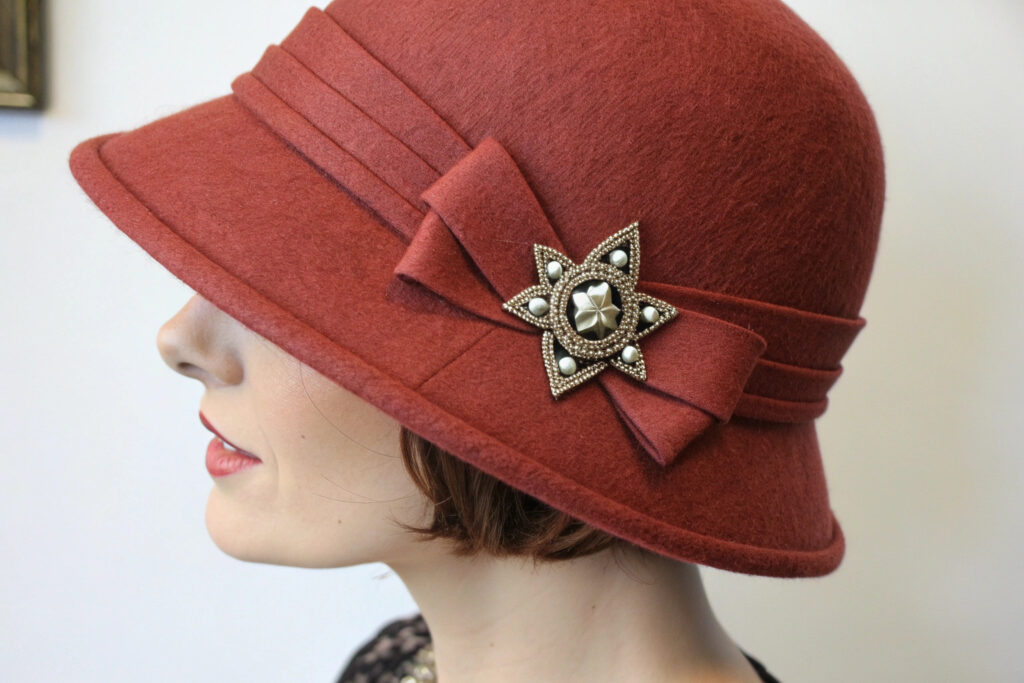
Focus on altering the overall visual impact. For example, if inspired by a designer cloche hat with a specific, patented side bow, you could create a new design that replaces the bow with a different ornamental element—like a geometric brooch or a contrasting band—and changes the crown shape or brim width. The goal is to ensure that an "ordinary observer" would not mistake your hat for the protected one.
When does adaptation cross the line into infringement? The law looks at the "whole design," not individual features. Simply changing the color of a copied design or using a slightly different material is almost never enough. You must alter multiple protected features to create a distinct new design. A helpful framework is to list the key protected features of the original and ensure your design differs in at least two or three of those core aesthetic elements. You can learn more about the legal definitions of originality in design from resources like the World Intellectual Property Organization (WIPO).
What Are Effective "Design-Around" Strategies for Hats?
Consider these modifications to create a legally distinct product:
- Modify Proportions: Significantly alter the crown height-to-brim width ratio. A wide-brim fedora becomes legally distinct from a narrow-brim one.
- Introduce New Functional Elements: Add removable liner ties, adjustable ventilation grommets, or a different style of sweatband that changes the interior and exterior look.
- Combine Features from Multiple Sources: Take the brim style from one public domain vintage hat and the crown detailing from another, creating a novel hybrid. This is a core principle of creating original derivative works.
How to Use Contracts for Third-Party Designs?
If a client provides you with a design (common for custom or OEM orders), your contract must include a strong indemnity clause. This clause should state that the client warrants the design does not infringe third-party rights and will indemnify you for any losses from infringement claims. Always keep copies of the client-provided design briefs and approvals. This is a standard part of a comprehensive OEM manufacturing agreement.
How to Secure Your Own IP Rights for Protection?
A powerful way to deter challenges and strengthen your position is to secure your own intellectual property rights. This creates a formal record of your original work and can sometimes be used defensively.
For truly original hat designs, consider applying for a design patent (or registered design) in your manufacturing country and key sales markets. In China, this is done through the China National Intellectual Property Administration (CNIPA). A registered design gives you the exclusive right to make, sell, and import that specific design for a period. The process requires clear representations of the design from multiple views. Crucially, you must file before publicly disclosing or selling the product, as prior public disclosure can destroy the "novelty" required for registration.
Why is timing your application critical? Many businesses make the mistake of testing the market first. However, in most jurisdictions, any sale or public display before filing a design application can invalidate it due to lack of novelty. The safe strategy is to file the application as soon as the final design is settled, before production begins for sale.
What Are the Different Types of IP Protection for Hats?
You can layer different protections for a stronger portfolio:
- Design Patents/Registered Designs: Protect the ornamental, non-functional appearance of the hat. Learn about the process on the United States Patent and Trademark Office (USPTO) website.
- Trademarks: Protect your brand name, logo, and potentially distinctive tag shapes (like a unique leather patch) associated with your hats.
- Copyright: May automatically protect original graphic elements, unique fabric prints, or highly original sculptural shapes of the hat itself in some jurisdictions.
How to Use Customs Recordation to Your Advantage?
In countries like the United States and those in the EU, you can record your registered trademarks and design rights with customs authorities. For instance, you can use the U.S. Customs and Border Protection (CBP) IPR e-Recordation website. This empowers them to proactively monitor shipments and detain counterfeit goods on your behalf. If you have a unique, registered design, this is a highly effective enforcement tool.
How to Mitigate Risks in Manufacturing and Export?
Your relationship with your factory and your export documentation are your final line of defense. Seizures often happen at the port of import, so your paperwork must be impeccable.
Choose and manage your manufacturer carefully. In your manufacturing agreement with a factory like shanghaifumaoclothing, include a clear warranty and indemnity clause. The factory should warrant that they will only produce goods according to your provided, cleared designs and will not knowingly use infringing materials. For extra safety, you can request that the factory provide documentation for any generic but complex design elements they suggest.
Master your export documentation. The commercial invoice and packing list must accurately and generically describe the goods. Avoid using known trademarked brand names (e.g., "inspired by XX brand") in product descriptions. Use your own brand name and a generic product description like "Women's Wool Felt Hat." Ensure the "exporter" and "shipper" information is consistent and accurate. Familiarize yourself with Harmonized System (HS) codes for headwear to ensure correct classification.

What Should Be in a Supply Chain IP Clause?
Your contract with suppliers should mandate:
- Compliance with IP Laws: A clause stating all products will be manufactured in full compliance with applicable intellectual property laws of both the manufacturing and destination countries.
- Indemnification for Factory Infringement: A clear statement that the factory will bear all costs and liabilities if they introduce an infringing element (like an unauthorized branded button) without your knowledge.
- Right to Audit: The right for you or a third party to inspect production lines and materials to ensure compliance.
How to Respond if You Receive a Seizure Notice?
Despite all precautions, if you face a detention or seizure:
- Act Immediately: Contact your freight forwarder and a lawyer specializing in IP and customs law in the seizure country.
- Gather Your Evidence: Provide your legal team with your design clearance files, proof of your own IP rights (if any), and all supply chain contracts.
- Explore Resolution Options: Depending on the case, options may include proving non-infringement, negotiating a settlement with the rights holder, or seeking permission to re-export or destroy the goods.
Conclusion
Avoiding IPR seizures for designer-inspired hats is an active, ongoing process of risk management, not a one-time check. It requires investing time in upfront searches, cultivating genuine design innovation, understanding international IP landscapes, and building a transparent, contractually sound supply chain. By integrating these practices into your business model, you transform IP compliance from a feared obstacle into a cornerstone of your brand's integrity and sustainable growth.
For businesses looking to develop distinctive, legally compliant headwear collections, partnering with an experienced manufacturer that understands these complexities is invaluable. If you are seeking to create inspired yet original hat designs with a partner well-versed in global IP considerations, I recommend contacting the team at Shanghai Fumao Clothing. You can discuss your design vision and risk mitigation strategies with their Business Director, Elaine, at elaine@fumaoclothing.com.